‹ All people

Film credit

Harvey Keitel

Also referred to as Keitel, Kytel, Winston Wolfe

Stats

Episodes featuring their films
6
Movies in this archive
7

Rewatchables episodes featuring Harvey Keitel’s films

Pulp Fiction

1994 film

Bill Simmons · Chris Ryan · Sean Fennessey

Aired July 29, 2024

Pulp Fiction

1994 film

Bill Simmons · Chris Ryan · Sean Fennessey

Aired July 29, 2024

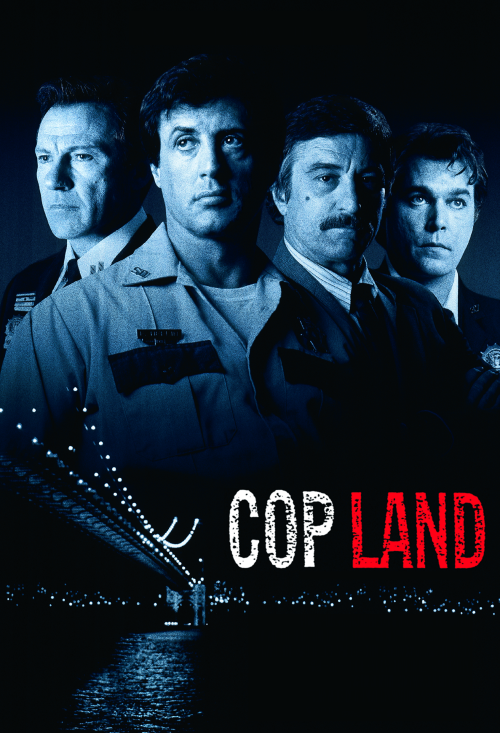
Cop Land

1997 film

Bill Simmons · Chris Ryan · Sean Fennessey

Aired June 2, 2022

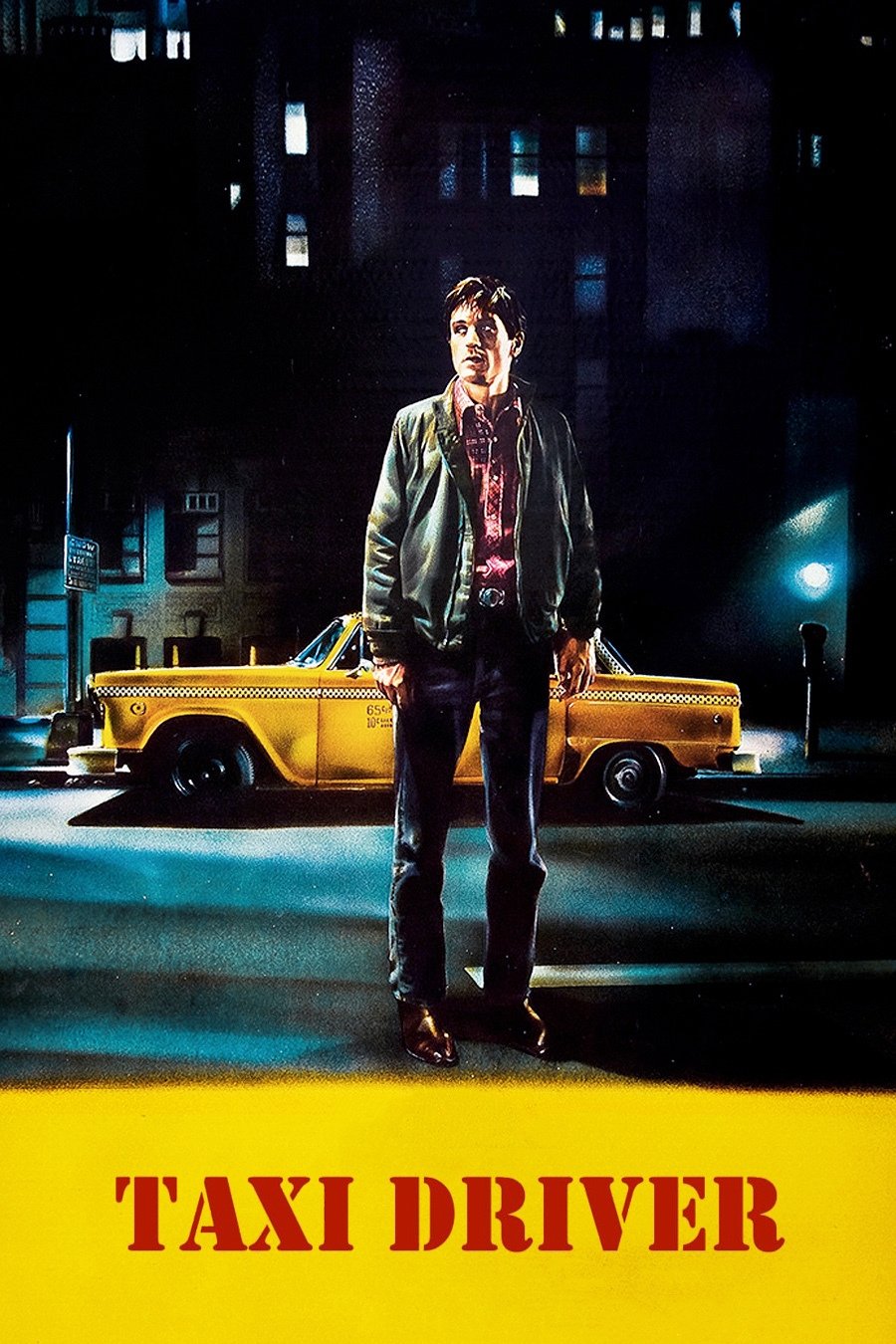
Taxi Driver

1976 film

Bill Simmons · Bill Hader · Sean Fennessey

Aired February 9, 2021

Reservoir Dogs

1992 film

Bill Simmons · Sean Fennessey · Chris Ryan

Aired July 26, 2019

Displaying all 6 episodes

Mentioned in discussions

Rocky The Rewatchables
Rocky

Recasting Couch

John Cazale as a more likable Paulie; otherwise unchanged

In the discussion (2)
Approx. transcript time · 01:18:58Read transcript
  • Caan as Rocky with Harvey Keitel or John Cazale as Paulie is imagined, but Caan and Reynolds are considered too established for the unknown-underdog effect. — Bill Simmons
  • Recasting: initial leave cast alone, then more palatable Paulie considered; John Cazale failed-brother type may repeat roles but charisma would make him likable. Imagined neglected skinny alcoholic and robe-logo hustler.
Rocky The Rewatchables
Rocky

Casting What-Ifs

Caan/Reynolds/O’Neal/Redford; Norton; Keitel; Snodgress; Strasberg

In the discussion (8)
Approx. transcript time · 01:18:29Read transcript
The Grand Budapest Hotel

Kyle Lowry Award for Best Seventh Man

Jeff Goldblum (two choices); Harvey Keitel (one choice)

The panel proposes a new category here.

In the discussion (3)
Approx. transcript time · 01:42:56Read transcript
  • A new Kyle Lowry Best Seventh Man category separates substantial supporting roles from cameos: Norton, Keitel and Goldblum are candidates. — Chris Ryan
  • Keitel is one choice, especially his pleased reaction to praise of his drawing.
  • Goldblum receives two choices for casting a large shadow with a small role.
The Grand Budapest Hotel

Most Rewatchable Scene

Alpine sequence (two choices); lobby-boy training (one choice)

In the discussion (18)
Approx. transcript time · 00:43:43Read transcript
  • Gustave greeting Madame D. establishes the profane humor with his refusal to accompany her to Lutz. — Chris Ryan
  • Gustave’s disgust at Madame D.’s nail polish interrupts her sincere fear of death and becomes a favorite comic moment.
  • Zero’s lobby-boy training reveals the hotel through Gustave’s rapid approvals and precise routine. — Chris Ryan
  • The train encounter introduces Henckels and “Keep your hands off my lobby boy.” — Chris Ryan
  • The will reading and Dmitri’s entrance combine the painting inheritance, insults and Gustave’s reactions. — Chris Ryan
  • Gustave serving prison mush and explaining his new friendships to Zero reveal his social adaptability.
  • Kovacs refusing Dmitri and reacting to his cat being thrown out the window are nominated. — Chris Ryan
  • Jopling pursuing Kovacs through transport and the museum is a major sequence. — Chris Ryan
  • The prison break is admired for elaborate design and practical camera ingenuity.
  • The Society of the Crossed Keys montage delights through Murray, Fisher Stevens, Balaban and Waris cameos. — Chris Ryan
  • The Alpine pursuit combines cable cars, monks, skiing and bobsledding before leading toward the hotel shootout. — Chris Ryan
  • The ending returns through the nested narrators, revealing loss and Zero’s preservation of the hotel as the place where he and Agatha were happy. — Chris Ryan
  • The post-departure hiring conversation, M. Mosher’s window appearance and shoeshine-boy detail are favored small moments. — Sean Fennessey
  • Keitel’s prison-break plan and drawing receive special praise for understated comedy and a Winston Wolf-like presence. — Sean Fennessey
  • Lobby-boy training is one final choice, favoring intimate comedy over the spectacular Alpine chase. — Sean Fennessey
  • The Alpine chase is another final choice as a self-contained example of the film’s virtuosity. — Andy Greenwald
  • The Alpine sequence’s repeated questions and intense confessional exchange add comedy to its miniature spectacle. — Andy Greenwald
  • A second final vote chooses the Alpine chase, making it the majority choice over lobby-boy training. — Chris Ryan
The Grand Budapest Hotel

Half-Assed Internet Research

Oscar nominations; makeup; Fiennes preparation; painting; communal hotel; Keitel takes; Hugo Guinness

In the discussion (8)
Approx. transcript time · 00:37:36Read transcript
  • The film received nine Oscar nominations and won costume, makeup, production design and original score.
  • Fiennes reportedly redid his confessional material after seeing Mathieu Amalric’s intensity, since they initially shot separately. — Andy Greenwald
  • Swinton’s old-age makeup reportedly received unusually generous spending compared with the production’s general thrift.
  • The replacement painting is titled Two Lesbians Masturbating. — Chris Ryan
  • Fiennes improvised Gustave’s full life story for Anderson, from a street-urchin childhood through East London. — Chris Ryan
  • Goldblum reportedly stayed for much of the production after finishing his scenes; the company lived and dined together. — Chris Ryan
  • Keitel reportedly slapped Revolori 42 times while filming the farewell. — Andy Greenwald
  • Hugo Guinness’s story collaboration is belatedly recognized; Anderson wrote the screenplay and Guinness shared the Oscar nomination.
Pulp Fiction

Half-Assed Internet Research

Production; financing; cast alternatives and auditions; Oscar nominations; box office

In the discussion (24)
Approx. transcript time · 00:04:55Read transcript
  • A screening reportedly paused after audience members fainted during the adrenaline sequence; whether the event was Cannes or New York is uncertain. — Bill Simmons
  • TriStar reportedly rejected the script as too demented before Miramax financed it. — Bill Simmons
  • The budget is stated as 8.5 million dollars, including 900,000 for Tarantino to write and direct. — Bill Simmons
  • Jersey Films reportedly signed Tarantino and Avary; Tarantino wrote in Amsterdam with a 900,000-dollar writing/directing deal. — Bill Simmons
  • Avary contributed the Butch/Marsellus story plus the missed gunshots and backseat killing; Curdled inspired the cleaner and supplied the cab-driver actress. — Bill Simmons
  • Keitel’s commitment reportedly helped secure the first 1.5 million dollars. — Bill Simmons
  • The screenplay/story credit division and reported purchase of Avary ideas remain complicated; their continued friendship and podcast are noted.
  • Travolta reportedly declined American Gigolo, An Officer and a Gentleman, Manny in Scarface, Splash and Forrest Gump, and unsuccessfully pursued First Blood, Top Gun and Pretty Woman. — Bill Simmons
  • Tarantino initially pitched Travolta the From Dusk Till Dawn role associated with Clooney while expecting Madsen to play Vincent. — Sean Fennessey
  • Their long apartment visit included Grease and Welcome Back Kotter board games and a challenge to Travolta’s poor film choices. — Bill Simmons
  • Madsen’s departure for Wyatt Earp opened the Vincent role. — Bill Simmons
  • Travolta’s slowed words and exaggerated articulation helped make the role unexpectedly funny. — Bill Simmons
  • A prior Tarantino interview is introduced to correct the belief that Jules was written for Jackson: Fishburne was the original intended actor. — Bill Simmons
  • In an archival interview, Tarantino says Fishburne’s representatives advised rejecting Jules to pursue above-title leading roles, despite Fishburne wanting the part. — Bill Simmons
  • The archival account identifies Bad Company, not Just Cause, as the starring film Fishburne chose instead. — Bill Simmons
  • Tarantino’s archival account says Die Hard 3 was intended for Fishburne, but stalled million-dollar negotiations let producers choose Jackson after seeing Pulp Fiction at Cannes. — Bill Simmons
  • Jackson’s initially casual reading allowed Calderón to become a serious contender, requiring a competitive return audition.
  • A cited oral history says Calderón faltered while Tarantino was late, whereas Jackson’s angry burger-eating audition secured Jules.
  • Jackson’s reading of the final shepherd speech reportedly convinced Lawrence Bender that the ending would work.
  • Willis reportedly wanted Vincent and was annoyed at Travolta receiving the more prominent role. — Bill Simmons
  • Black Mask was reportedly an early title, reflecting the pulp magazine influence. — Sean Fennessey
  • Individual Keitel, Jackson, Thurman and apparently Travolta character posters accompanied the main campaign, including an earlier planned release date. — Bill Simmons
  • The film won screenplay and received nominations for picture, director, actor, supporting actor, supporting actress and editing.
  • An 8.5 million-dollar budget and at least 210 million gross are stated, along with a claim that this was the first independent film to pass 100 million. — Bill Simmons
Pulp Fiction

Apex Mountain

Samuel L. Jackson; Quentin Tarantino; diners;1964 Chevelle Malibu; Ving Rhames; souped-up Acuras; Christopher Walken monologues;1974 Chevy Nova; cinematic coffee; UC Santa Cruz merchandise; Monster Joe’s Truck and Tow

In the discussion (27)
Approx. transcript time · 01:58:29Read transcript
  • Jackson is affirmed, including the nomination and subsequent Die Hard 3 role.
  • Tarantino is affirmed for the clout and opportunities following the film, while later films remain artistic alternatives.
  • Amsterdam is proposed without a resolved answer.
  • MacGuffins lose to the Ark of the Covenant.
  • Travolta is rejected in favor of Saturday Night Fever’s greater historical fame. — Bill Simmons
  • Diners are probably affirmed for the phenomenon despite the film Diner and personal diner habits predating Pulp Fiction.
  • Uma Thurman loses to Kill Bill.
  • Milkshakes face 1957 and There Will Be Blood alternatives without a settled affirmative choice.
  • The 1964 Chevelle Malibu is affirmed. — Bill Simmons
  • Bruce Willis is rejected. — Bill Simmons
  • Ving Rhames is affirmed for the career transition leading toward Mission: Impossible and Don King. — Bill Simmons
  • Tarantino’s three-count gestures are proposed without a settled Apex choice. — Bill Simmons
  • Mexican standoffs lose to Reservoir Dogs after an initial True Romance answer is corrected.
  • The Twist loses to Chubby Checker.
  • Miramax loses to Shakespeare in Love.
  • Souped-up Acuras are affirmed.
  • Walken monologues are affirmed; Poolhall Junkies, Annie Hall and The Comfort of Strangers are alternatives.
  • Modesty Blaise loses to the Monica Vitti film.
  • Keitel is rejected, with Taxi Driver, The Piano and Bad Lieutenant discussed.
  • The 1974 Chevy Nova is affirmed.
  • Jimmie’s coffee and cinematic coffee are affirmed, prompting a joking broader coffee argument.
  • UC Santa Cruz merchandise is called elite in an approving response to its Apex nomination. — Chris Ryan
  • Monster Joe’s Truck and Tow is affirmed.
  • A reported Joe Dante namesake is discussed; a Reservoir Dogs Joe connection is wondered about without resolution. — Sean Fennessey
  • Conversations about pigs remain unresolved amid Animal Farm and Babe alternatives.
  • The assault scene loses to Deliverance.
  • The Ezekiel passage prompts biblical-literacy and misquotation discussion without an affirmative apex conclusion. — Chris Ryan
In the discussion (3)
Approx. transcript time · 01:46:34Read transcript
  • The Wolf, Gimp, Walken, Roth, Plummer, Arquette, Stoltz, Maynard, Zed and cab driver are considered; Roth and Plummer are excluded for too much screen time. — Bill Simmons
  • Debate narrows to Walken and Keitel, with Stoltz defended and the Gimp playfully rejected.
  • One response initially chooses the Wolf, but Walken’s four-and-a-half-minute impact better fits the award; the final responses settle on Walken, including Craig’s explicit choice. — Bill Simmons
Pulp Fiction

Casting What-Ifs

Casting notebook alternatives

In the discussion (14)
Approx. transcript time · 01:36:52Read transcript
  • The original notebook already wanted Keitel, Walken, Roth and Plummer; Fishburne was Jules before Jackson, with Murphy another listed possibility rather than a confirmed offer. — Bill Simmons
  • Murphy’s move toward family films makes accepting this material uncertain, although it might have been a valuable career choice. — Bill Simmons
  • Madsen committed to Wyatt Earp instead of Vincent, and later Vega-brothers speculation linked his Reservoir Dogs character with Vincent.
  • Miramax reportedly resisted Travolta and pushed Day-Lewis; the panel imagines his unusual contemporary-hitman interpretation while strongly preferring the actual casting.
  • Dillon reportedly asked for a day before accepting Butch, during which Willis became available; the lost role might have changed Dillon’s trajectory despite later successes. — Bill Simmons
  • A competing Dillon story says he wanted an onscreen boxing match rather than merely asking for time to decide. — Chris Ryan
  • Virginia Madsen was an early Mia choice. — Bill Simmons
  • Miramax preferred Meg Ryan or Holly Hunter before Tarantino won the argument for Uma Thurman. — Bill Simmons
  • Max Julien and Sid Haig reportedly declined Marsellus; Jackson was another backup while Fishburne remained the intended Jules. — Bill Simmons
  • Cusack and possibly Oldman were considered for Lance, followed by Tarantino and then Stoltz; Buscemi’s unavailability led Tarantino to Jimmie, a preferable outcome to replacing Stoltz. — Bill Simmons
  • Irène Jacob and Julie Delpy were considered for Fabienne. — Bill Simmons
  • Delpy’s perceived intelligence makes the panel more interested in that version. — Bill Simmons
  • Phil LaMarr read for Jules and Brett before being cast as Marvin. — Bill Simmons
  • Courtney Love’s claim that Cobain would play Lance and she would play Jody is explicitly doubted. — Bill Simmons
Pulp Fiction

What’s Aged the Worst?

Weinstein; imitations; slurs; dated details; forensic carelessness
In the discussion (16)
Approx. transcript time · 01:25:21Read transcript
  • Harvey Weinstein is selected for aged worst. — Bill Simmons
  • Decades of imitations, especially in the mid-1990 s, are selected for aged worst. — Bill Simmons
  • Racial slurs, especially Jimmie’s dialogue, are considered increasingly jarring. The discussion distinguishes their uses without resolving the justification for Jimmie’s language. — Chris Ryan
  • Tarantino’s racial slurs are defended as his perception of how criminal characters would speak, while the language remains uncomfortable and his claimed familiarity with Black communities is discussed. — Sean Fennessey
  • Butch’s chair-escape slow motion looks dated and uniquely artificial within the film. — Chris Ryan
  • Characters are careless about forensic evidence: Butch merely wipes a gun, and the apartment killings leave a conspicuous bloodbath and early-morning gunshots. — Chris Ryan
  • Los Angeles diners are disappearing, and robbing diners for cash-filled wallets seems less plausible now. — Chris Ryan
  • Buscemi’s tiny Buddy Holly part feels wasteful; he reportedly lacked time to play Jimmie.
  • Roth’s predicted next-great-star trajectory is questioned despite strong work in this film, Reservoir Dogs and Rob Roy. — Bill Simmons
  • Marvin’s visible dummy in the trunk is criticized. — Bill Simmons
  • Bullet holes visible before the divine-intervention shots are criticized. — Bill Simmons
  • Smoking while drinking a milkshake is considered an unpleasant combination. — Bill Simmons
  • Craving a cheeseburger after heavy cocaine use is questioned. — Bill Simmons
  • Older pop-culture references may no longer register.
  • The cab’s rear projection is defended as a deliberate old-movie homage.
  • Tarantino’s acting is defended in retrospect, especially opposite Keitel over linens; his angry tone toward Jules is the specific stretch considered unsuccessful. — Sean Fennessey
Cop Land

What Piece of Memorabilia Would You Want From This Movie?

Lethal Weapon 3 pinball; Ray’s tracksuit; Moe’s sandwich; car choices

In the discussion (3)
Approx. transcript time · 01:07:26Read transcript
  • Randone’s Triumph motorcycle is an early memorabilia possibility.
  • The pinball machine, Keitel’s white-and-pastel-blue tracksuit and remaining turkey sandwich are desired. — Chris Ryan
  • The sports car and Figgsy’s unidentified car are admired, while Superboy’s Honda is rejected; imagining Figgsy heading to Atlantic City rather than the Bahamas extends the car discussion.
In the discussion (2)
Approx. transcript time · 00:59:05Read transcript
  • Keitel’s high-energy scolding seems wrong for a controlled character, with his performance compared to a declining star coasting; the counterargument is that his yelling is enjoyable.
  • The staged bridge panic is deliberately exaggerated within the story, while Liotta and De Niro’s intensity is defended as appropriate.
Displaying discussions 1 - 12 of 30 in total

Films in the archive