‹ All people

Film credit

Harvey Keitel

Also referred to as Keitel, Kytel, Winston Wolfe

Stats

Episodes featuring their films
6
Movies in this archive
7

Rewatchables episodes featuring Harvey Keitel’s films

Pulp Fiction

1994 film

Bill Simmons · Chris Ryan · Sean Fennessey

Aired July 29, 2024

Pulp Fiction

1994 film

Bill Simmons · Chris Ryan · Sean Fennessey

Aired July 29, 2024

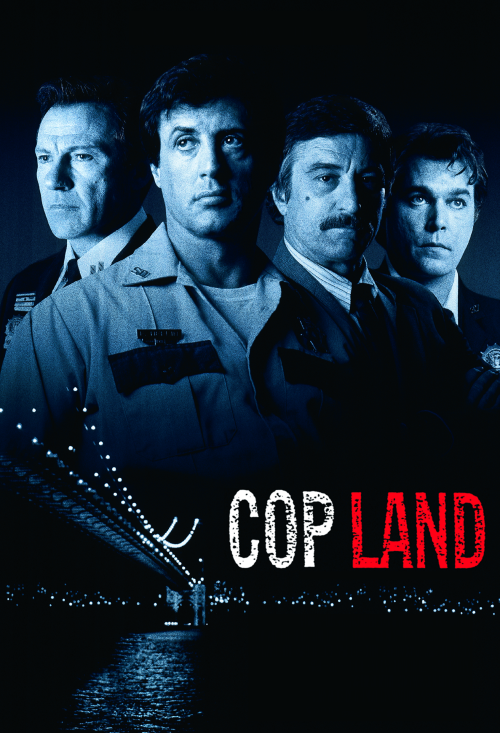
Cop Land

1997 film

Bill Simmons · Chris Ryan · Sean Fennessey

Aired June 2, 2022

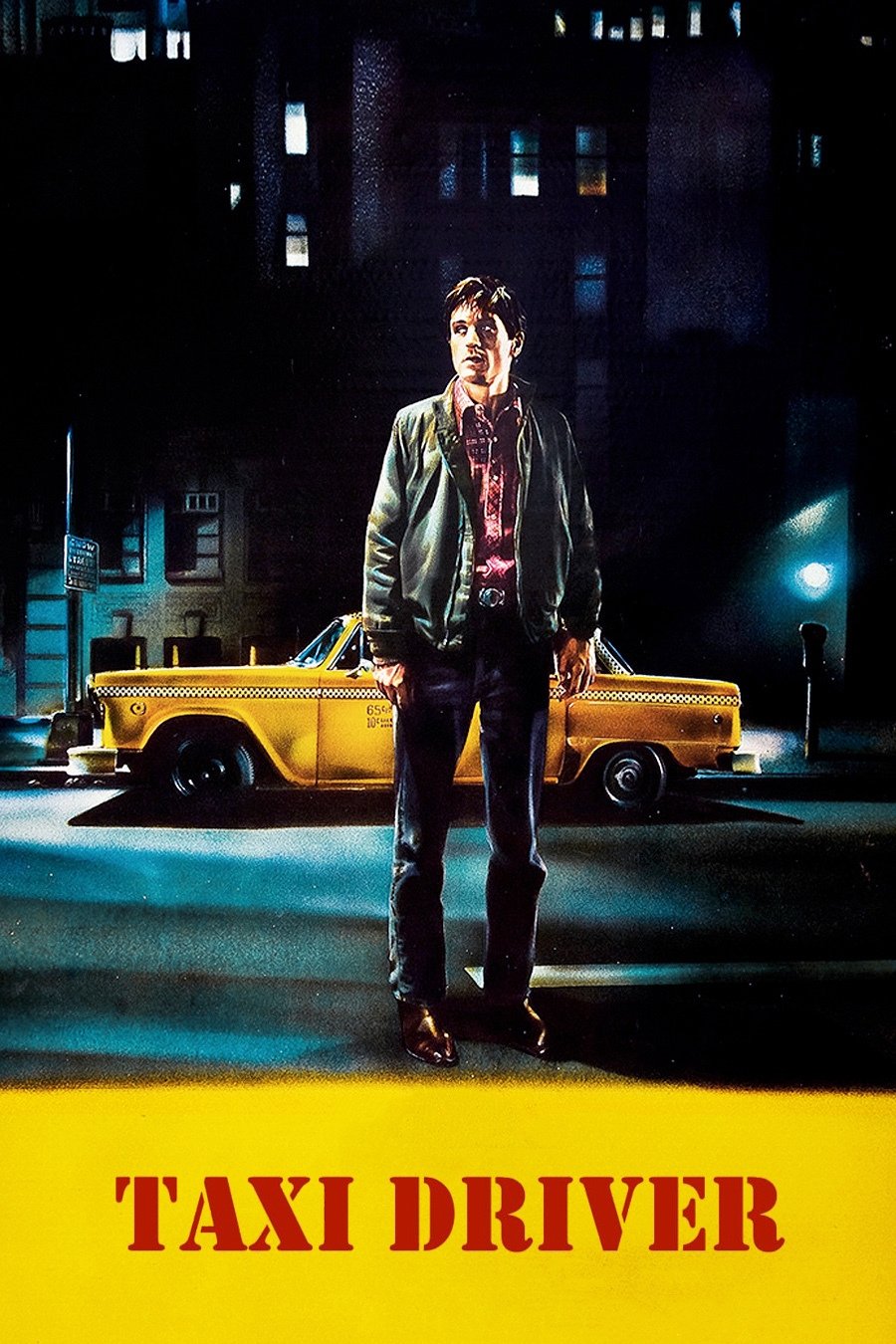
Taxi Driver

1976 film

Bill Simmons · Bill Hader · Sean Fennessey

Aired February 9, 2021

Reservoir Dogs

1992 film

Bill Simmons · Sean Fennessey · Chris Ryan

Aired July 26, 2019

Displaying all 6 episodes

Mentioned in discussions

Cop Land

Probably Unanswerable Questions

Music taste; chokehold officer; Keitel/De Niro swap; De Niro’s casting; podcasters; unseen cocaine use

In the discussion (5)
Approx. transcript time · 00:39:12Read transcript
  • Freddy’s Gould records, opera recommendations and Springsteen taste invite speculation about hearing loss or loneliness; future online music and conspiracy interests are imagined. — Sean Fennessey
  • More background on the imprisoned chokehold officer and his potential to expose Ray would help, especially when other events already receive flashbacks. — Bill Simmons
  • Switching Keitel and De Niro could improve the larger Ray role but would lose the iconic tirade. — Bill Simmons
  • De Niro's reason for taking the small part is unknown; liking the script is suggested.
  • Figgsy’s cocaine use is inferred throughout despite never being shown directly; the allergy excuse is recalled.
Cop Land

Most Rewatchable Scene

Figgsy at the Four Aces; “You blew it”

In the discussion (10)
Approx. transcript time · 00:14:59Read transcript
  • The diagonal speech, wordless Keitel–De Niro coffee-shop tension and ensemble bar scenes are early favorites. — Sean Fennessey
  • Superboy’s shooting and staged jump launch the plot with enjoyable bar, bridge and evidence-planting details; Calderon’s suspicion and the bottle causing the blowout are praised.
  • Keitel and De Niro’s reunion and guarded Amish exchange make the hosts want more scenes together.
  • The bar sequence moves from Berg’s gambling dispute through Patrick’s dart confrontation and Figgsy’s demand not to be shut out; it is a leading choice.
  • Ray’s attempted pool drowning of Superboy is a strong dramatic candidate despite upcoming nitpicks. — Bill Simmons
  • Both Stallone–De Niro confrontations work, especially the famous “You blew it” tirade and the immediate realization that Freddy has revived the case.
  • Figgsy rejecting Freddy’s justice and warning that being right is not a bulletproof vest is another favorite.
  • The final shootout and De Niro’s shouted “Go to lunch” case closure are nominated.
  • The rooftop sequence with Berg is praised for Serpico-like tenement geography and dead ends.
  • The whole Figgsy bar sequence is explicitly selected as a Sopranos precursor; “You blew it” receives the other explicit final choice. — Bill Simmons
Goodfellas

Half-Assed Internet Research

The Scorsese–Pileggi call, Henry Hill payment, a pistol-whip accident, filmmakers’ relationships, Imperioli’s injury, the painting, Oscar-winning killer roles, the closing shot, music planning, made-man rules, ratings edits, and profanity
In the discussion (13)
Approx. transcript time · 02:00:06Read transcript
  • Scorsese and Nicholas Pileggi’s reciprocal “waiting for this” phone-call lines are recounted. — Bill Simmons
  • Henry Hill was reportedly paid $480,000. — Bill Simmons
  • The actor pistol-whipped by Henry describes Liotta maintaining rage between takes and accidentally getting too close. — Bill Simmons
  • Scorsese dating Illeana Douglas and Lorraine Bracco’s marriage to Harvey Keitel are discussed. — Bill Simmons
  • Michael Imperioli broke glass in his hand, and hospital staff initially thought it was a gunshot wound. — Bill Simmons
  • Scorsese predicted Imperioli would tell the injury story on Jay Leno, which he later did. — Bill Simmons
  • Tommy’s mother’s painting was reportedly based on a 1977 National Geographic image. — Bill Simmons
  • Five actors said to have won Oscars for portraying real-life killers are counted. — Bill Simmons
  • Pesci shooting at the camera is connected to The Great Train Robbery and Henry always looking over his shoulder. — Bill Simmons
  • The music editor said Scorsese planned songs years before shooting and included them in the script. — Chris Ryan
  • A 2000 change to made-man ancestry rules is described. — Bill Simmons
  • Scorsese reportedly removed ten frames of blood to secure an R rating. — Bill Simmons
  • The movie is reported to contain 321 uses or derivatives of “fuck.” — Sean Fennessey
Taxi Driver The Rewatchables
In the discussion (4)
Approx. transcript time · 01:10:40Read transcript
  • The casting items come from the internet with uncertain accuracy; Schrader reportedly wrote Travis with Jeff Bridges in mind, which seems possible. — Bill Simmons
  • Scorsese reportedly talked to Dustin Hoffman, who found the movie too crazy; its truth is doubted. — Bill Simmons
  • Keitel was definitely offered the campaign worker role Albert Brooks played and wanted the pimp instead; the studio had the pimp changed to a white character over riot and liability fears, and Keitel ended up in the part. — Bill Simmons
  • Reports conflict on whether Melanie Griffith was first offered Iris; a Linda Blair possibility and a Tatum O'Neal / Bad News Bears swap are also mentioned with doubt. — Bill Simmons
Taxi Driver The Rewatchables
Taxi Driver

What’s Aged the Worst?

John Hinckley; Palantine campaign posters; porn-theater date scene; porn theaters; Jodie Foster playing a 12-and-a-half-year-old prostitute; taxis

In the discussion (12)
Approx. transcript time · 01:02:01Read transcript
  • John Hinkley became anchored to the film: five years later he tried to kill President Reagan to impress Foster after seeing the movie many times, and it postponed the 1981 Oscars, where De Niro was about to win for Raging Bull, by a day.
  • The idea of blaming culture for horrible events has not faded; Schrader and Scorsese argue that blaming the movie evacuates everyone else's responsibility. — Sean Fennessey
  • An uncomfortable Matt Lauer interview around an anniversary had Foster decline to talk about Hinkley; it messed her up and she stepped back for a couple of years; Hinkley is called maybe the best example ever of aged worst.
  • The Palantine 'We Are the People' posters are almost intentionally bad and maybe go too far, answered with a 'make America great' joke. — Bill Simmons
  • Asked what happened when he took his future wife to the porn film on a date, the reply jokes that they got married that night. — Sean Fennessey
  • The porn-theater date scene has aged worse and is skin-crawling; one participant goes to the bathroom whenever it plays in a theater. — Bill Hader
  • The camera dollying away down the hallway during Travis's call to Betsy felt like the movie could not bear to watch, and seeing it in sixth grade turned one participant into a full movie fanatic. — Bill Hader
  • Porn theaters where strangers watched together in the 70s and 80s are impossible to explain to people under 25. — Bill Hader
  • Foster playing a 12-and-a-half-year-old prostitute is handled well, but the Keitel dance scene is uncomfortable from a parent's view; the next year's Pretty Baby with Brooke Shields raised the same question.
  • The girl who grabs Iris near the cab was the real teenage prostitute who served as her technical advisor, part of the film's honesty. — Bill Hader
  • Taxis may not exist in 10 years; Schrader recalled a New York audience cheering the title, but with ride-sharing taxi drivers no longer hold the same place, like making a movie about a samurai. — Sean Fennessey
  • The film made another taxi-driver movie nearly impossible, likened to how The Shining ruled out a hotel-caretaker story. — Bill Simmons
Taxi Driver The Rewatchables
Taxi Driver

What’s Aged the Best?

Mid-70s New York City; Joe Spinell's job interview; God's lonely man line; Harvey Keitel's pimp look; Travis and Wizard scene; De Niro's preparation; Bernard Herrmann's score; cinematography; Jodie Foster's career

In the discussion (16)
Approx. transcript time · 00:53:37Read transcript
  • The mid-70s New York setting holds up, as does the opening job interview in which Joe Spinell sizes Travis up as a lunatic. — Bill Simmons
  • Spinell's 1970s run, including Godfather 2, Taxi Driver, Rocky, Sorcerer and Big Wednesday, is compared to De Niro's. — Bill Simmons
  • The 'loneliness has followed me my whole life... God's lonely man' line is Schrader writing about loneliness after almost losing his mind. — Bill Simmons
  • Keitel's sleeveless-shirt, hat, hair and muscles look is floated as something that should have become a Saturday Night Live character. — Bill Hader
  • Keitel reportedly based the pimp on a real pimp he worked with at the Actors Studio; the pimp originally had five lines and Keitel added more, and the 'I'm hip / You don't look hip' exchange is loved. — Bill Hader
  • Travis telling Wizard he has bad ideas in his head is short but pivotal; Peter Boyle is great as a man who knows he doesn't know what he's saying yet is weirdly right. — Bill Hader
  • 'You talking to me' was an omnipresent catchphrase for 15 or 20 years, though probably not as big a deal in 2021. — Bill Simmons
  • De Niro's preparation, including 15-hour days driving cabs, studying mental illness, recording Midwestern soldiers for the accent and losing 35 pounds, felt like the first time an actor's commitment was almost part of the marketing. — Bill Simmons
  • The method line runs from Brando to Dustin Hoffman in the same era, as in Marathon Man, and on to later method actors; De Niro's work is honed into behavior where others' choices show. — Bill Hader
  • Asked about riding with cops for eight months for a Superbad cop role, the reply says they did have to ride with a cop in South Central and calls it the dumbest thing of all time. — Bill Hader
  • Bernard Herman, arguably the most important film composer and known for Psycho, Vertigo and Citizen Kane, wrote his last score here; Scorsese, who mostly uses needle drops, begged him to do it, and the composer said 'all I hear is brass'. — Sean Fennessey
  • An editor on Barry dislikes the score and the bluesy saxophone gets a reservation, but it works and the opening music hits like a giant wave; hearing it reportedly made Scorsese feel Travis's doom and fate. — Bill Hader
  • The composer died right after recording the score, at 64.
  • The cinematography is composed, natural-light and beautiful in a style rarely seen now. — Bill Hader
  • The shoot came during a hot summer and the garbage strike with wet streets, and according to the cinematographer a lack of time and money forced them to let New York light itself, which turned out right. — Bill Simmons
  • In most versions of her life Foster might not have become one of the most celebrated actors of a generation and an accomplished filmmaker; a reply praises her acting and directing.
Taxi Driver The Rewatchables
In the discussion (20)
Approx. transcript time · 00:35:34Read transcript
  • Most Rewatchable Scene feels odd for this film, which is rewatchable because it is great and important rather than for one scene watched 120 times, so the segment becomes a run through the best scenes. — Bill Simmons
  • First up is Travis driving around and describing decrepit New York City at night; the drive is only about two minutes but grim. — Bill Simmons
  • Producer Michael Phillips is quoted that the whole West Side was bombed out with condemned buildings, Times Square was disgusting, and they did not know they were documenting the dying gasp of New York. — Bill Simmons
  • Travis asking Betsy out after going into the office is a really good scene that hinges on believing she might go out with him, which seems ridiculous given where the movie goes, though she kind of buys him. — Bill Simmons
  • Travis comes in with confidence and reads Betsy well only because he has been stalking her; a high shot of his hand passing over her desk, amid traditional coverage, makes the scene unsettling. — Bill Hader
  • That overhead 'priest's view' shot returns when he buys the guns and in the long overhead pullback after the shootout, signalling something deeper, insane and spiritual in Travis. — Sean Fennessey
  • The actor who played Palantine made only two movies and was a culture critic brought in because the filmmakers wanted someone who did not seem like an actor rather than a Hal Holbrook type; this prompts a joke about a critic getting pulled into a Scorsese movie. — Bill Simmons
  • In the Palantine cab ride the actor waits a beat to find the right politician response to Travis, and Travis knows he is being condescended to and blew it.
  • Scorsese as the crazy cab passenger is a fun, weird five minutes, not politically correct in 2021; it is judged to work because it feels honest and nothing about it is gratuitous. — Bill Hader
  • Travis mastering his gun-and-knife routine shows weeks of De Niro's practice; it was filmed in one shot, ran too long in a rough cut and was cut in half around the rally scene, and the 'You talking to me' portion originally ran about 10 minutes, a smart edit followed by the name Marshall Lucas. — Bill Simmons
  • In the breakfast scene with Iris, her putting sugar on the jam and toast is the lasting detail, read as a callback to Travis pouring brandy and sugar on his cereal, as if they were souls meant for each other in a messed-up way.
  • The botched assassination is short but gripping because first-time viewers assume it will be the climax; the boom and dolly shots are impressive given how big the equipment was then. — Bill Hader
  • When directing, he photo-boards all the coverage on an iPhone because a 30-minute TV show lacks time and money; as an actor he can bristle at storyboards and likes that Scorsese told actors to speak up if something did not work for them. — Bill Hader
  • A joke says the podcast is storyboarded over Zoom with pictures sent to the producer but not shared with the co-host. — Bill Simmons
  • The final shootout is really cool filmmaking: the X rating forced changes, some color was taken out to make it more palatable, and the wide overhead shot goes on for about two minutes. — Bill Simmons
  • The shootout has no music telling viewers it is an action scene; the wide shot down the hall as Travis finishes off Keitel's character feels like security-camera footage from someone trapped in the hallway. — Bill Hader
  • A better example is Travis first shooting Keitel's character, seen from the point of view of someone on a stoop who is left alone with the gunman after he sits down. — Bill Hader
  • The suicide attempt with no bullets left is played straight, with no music and no cut and crying heard off camera, compared to films by a director transcribed as Rainer Fast Thunder, where what is off camera matters as much. — Bill Hader
  • The film was an unexpected hit, likely because of its cathartic violent ending, which some read as Travis devolving and others celebrated as a Death Wish-style revenge; it is contrasted with Schrader-written Rolling Thunder as a more complex, sad picture of what a gunfight would look like. — Bill Hader
  • No most rewatchable scene is picked because that would be weird for this movie. — Bill Simmons
In the discussion (5)
Approx. transcript time · 01:28:31Read transcript
  • Stepping on Recasting Couch early: Bishop is a part for an older, 2001-style Harvey Keitel; Russo is wished for if he had not played Jimmy Jump, but the role should be older; Ricardo Montobahn, a Tony Lobionco or a Cliff Gordon (as heard) are floated.
  • For Janet Julian's part, 1990 Sharon Stone is floated and seen as workable but not New York enough. — Bill Simmons
  • Annabelle Seora (as heard) is floated; Julian does not work, but the idea of an out-of-place girl does.
  • Kelly Lynch is suggested, tying to the Chimino connection as the lawyer in Desperate Hours; a second voice says 'That's perfect. That's who it should be.'
  • Kelly Lynch is a little California, and a New England type unused to rough New York might be better, but she is still called a good suggestion.
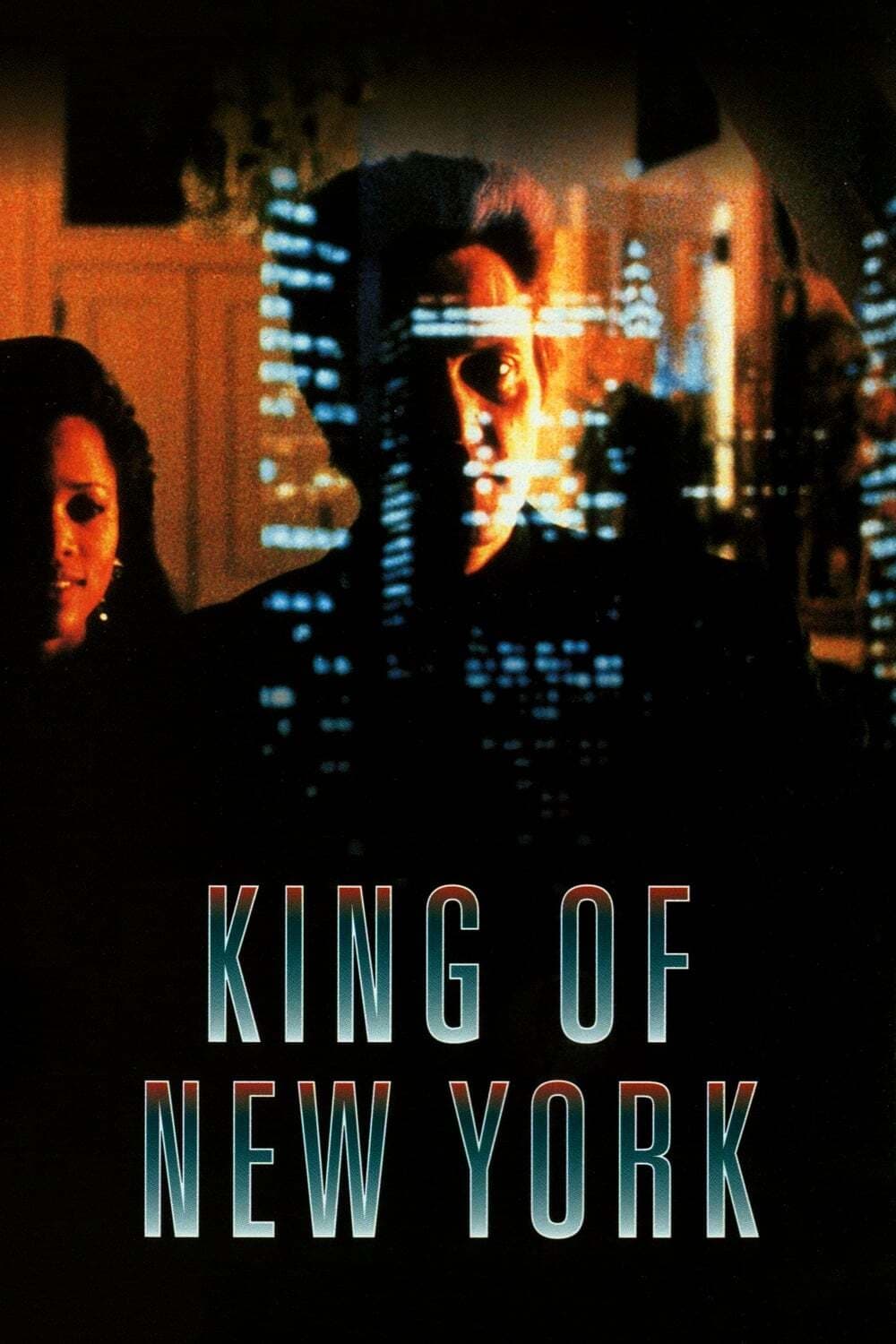
King of New York

Casting What-Ifs

Fishburne and Snipes's role swap; James Russo as Jimmy Jump; James Remar and Harvey Keitel as Frank White

In the discussion (7)
Approx. transcript time · 00:33:08Read transcript
  • As told on air, Fishburne was first cast as Flanagan, the Snipes part; Russo turned down Jimmy Jump; Fishburne switched roles, and Caruso, who had done a TV pilot with Snipes, begged the director to give Snipes Fishburne's old part. — Bill Simmons
  • Snipes's performance reads as Diet Coke Snipes until the end; his one Black cop among white cops is called a purposeful inversion of Walken's white boss with a Black gang.
  • The account given: Russo, a Ferrara regular since China Girl, was written Jimmy Jump and Caruso the cop to exploit their rivalry from that film, but Russo turned it down rather than let Caruso spit in his face.
  • Russo is said to have later admitted on Django that turning down the part was idiotic; Fishburne licks the spit and wins that scene.
  • Casting what-ifs is said to be done already, but more stories are being saved.
  • Per the account given, four years earlier Ferrara planned the film with James Remar as Frank White after The Cotton Club; later at Live it was to be Harvey Keitel, who backed out to do Bad Lieutenant instead, and then the part went to Walken.
  • It has to be Walken, with a distancing quality Keitel lacks; it is called the best Walken part of all time, and the whole-movie contest is a three-way dogfight among The Deer Hunter, King of New York and The Funeral.
In the discussion (6)
Approx. transcript time · 01:24:22Read transcript
  • Janet Julian as the lawyer girl is the one person who does not belong in the cast, though she wins one participant over a little by the Freddie Jackson party.
  • Little is known about Julian's other work and it is unclear how she won the part; Ariane, the girl from Year of the Dragon in the opening, is wanted for that role.
  • Karen Lingorny in Saturday Night Fever (as heard) is called the all-time watershed of 'why are you in this movie'. — Bill Simmons
  • Victor Argo is bad as Bishop and gets nowhere with a part with a lot to work with; a participant who knew him agrees the part deserved more than fine and thinks Argo did not believe the movie was that good.
  • Argo is said to be the only actor who has worked multiple times with Abel, Scorsese and Woody Allen, and Harvey Keitel's best friend.
  • There was not much for this category; complaints on release were overstated. — Sean Fennessey
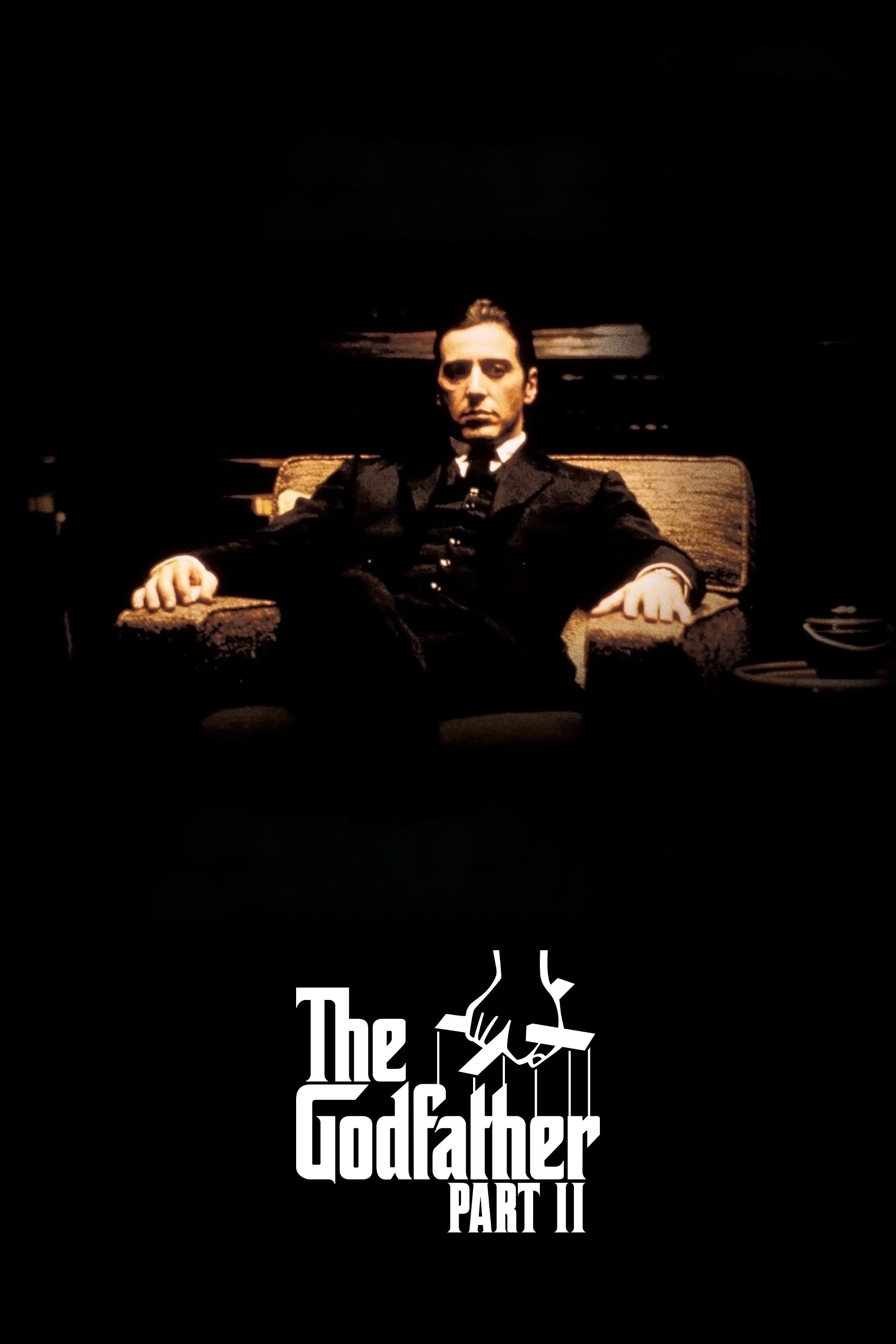
The Godfather Part II

Recasting Couch

Harvey Keitel as Janko; Joe Pesci as young Clemenza or Janko

In the discussion (3)
Approx. transcript time · 02:02:16Read transcript
  • Harvey Keitel as Janko fits the era, though he is not Italian and Janko speaks Italian throughout. — Bill Simmons
  • Pesci could have played Bruno Kirby's part or Janko.
  • A Kay recasting is requested; Meryl Streep is rejected and the problem is the character, not the actress, which is disputed.
Reservoir Dogs

Picking Nits

Eating breakfast together before a heist; the female driver pulling a gun on two carjackers; how Keitel gets two shots off in the three-way shootout; Tim Roth's accent

In the discussion (4)
Approx. transcript time · 01:17:54Read transcript
  • They would not eat breakfast before a bank heist, already covered; the female driver pulling a gun on two scary carjackers is questioned, though guns and carjacking were an early-nineties thing, especially in L.A., and it makes less sense against two men than one.
  • How Keitel gets two shots off in the three-way shootout has bothered one host for twenty-seven years; the explanation is a vanishing quarter second in which Mr. White, already shot, turns and shoots Nice Guy Eddie, since being shot does not drop you instantly and the story needs them all to die; the curved bullet joke follows.
  • Earlier, during the opening scene, the crew being seen together in public in uniform before the heist was flagged for nitpicks.
  • Roth's accent, meant for nitpicks, goes up and down, sounding Dutch or Rhode Island; his character's surname Neuendijk (as transcribed) might excuse Minnesota, but it is a British guy doing an L.A. accent that does not add up, better in the commode scene than elsewhere.
Displaying discussions 13 - 24 of 30 in total

Films in the archive