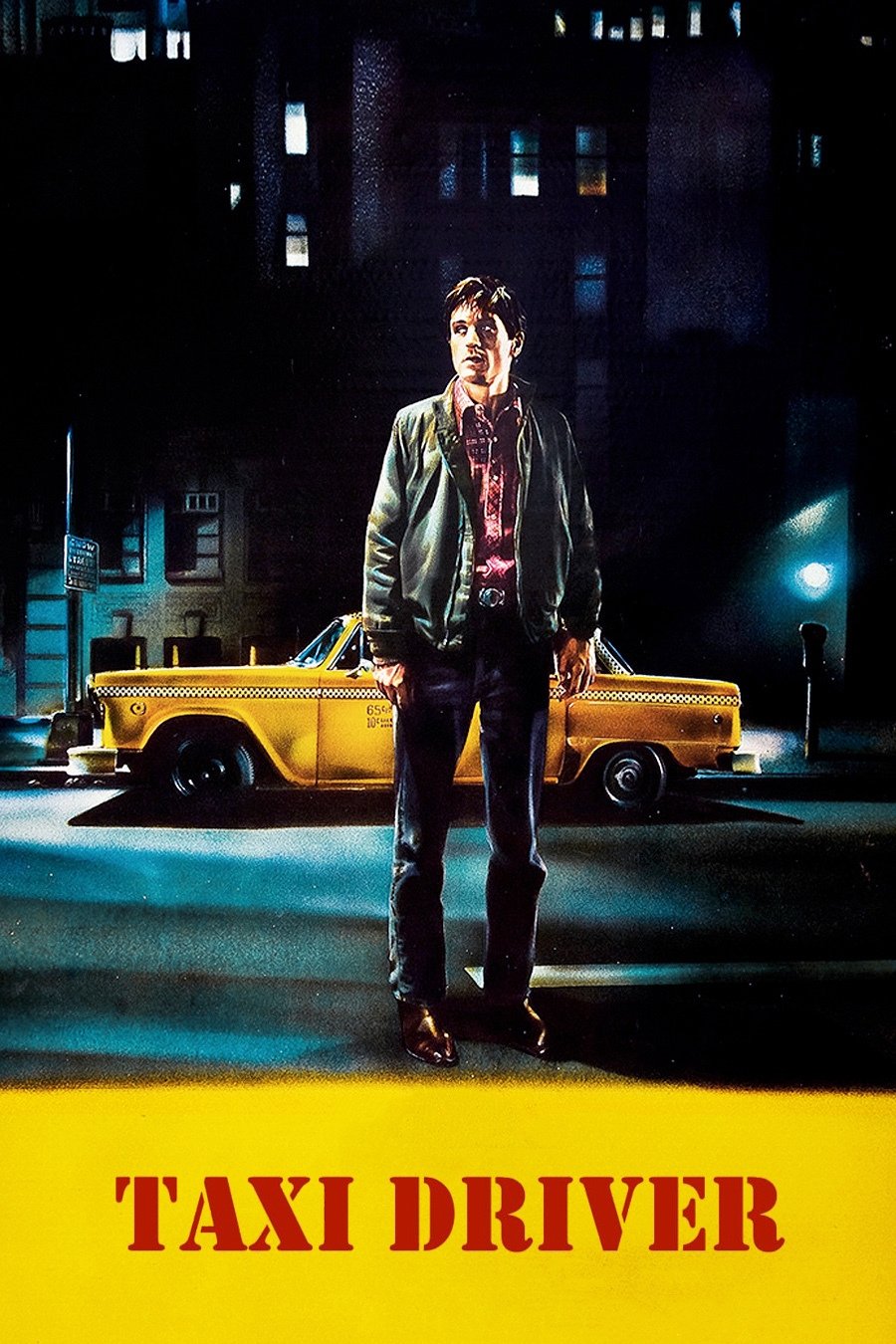
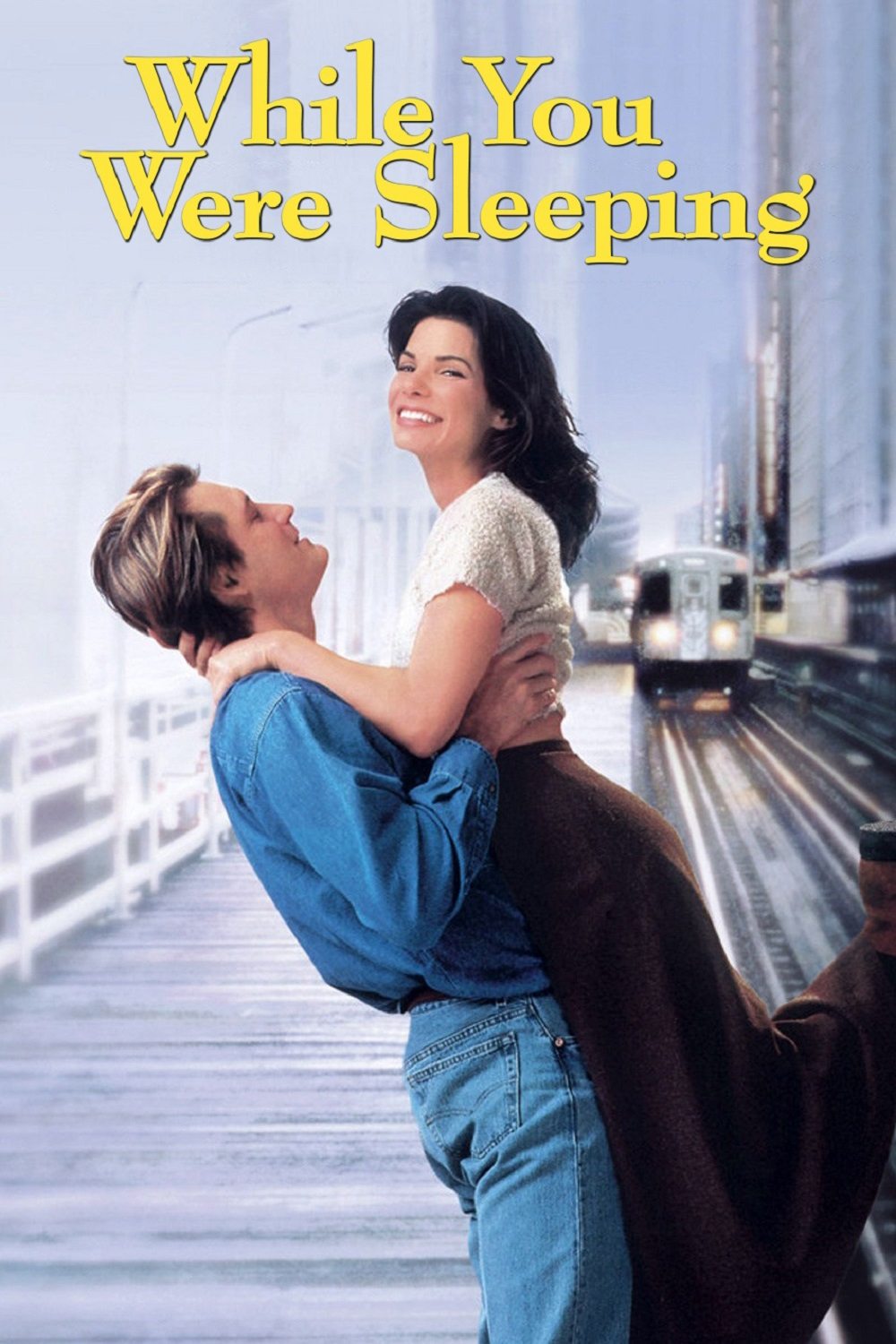
Mid-70s New York City; Joe Spinell's job interview; God's lonely man line; Harvey Keitel's pimp look; Travis and Wizard scene; De Niro's preparation; Bernard Herrmann's score; cinematography; Jodie Foster's career
The mid-70s New York setting holds up, as does the opening job interview in which Joe Spinell sizes Travis up as a lunatic. — Bill Simmons
Spinell's 1970s run, including Godfather 2, Taxi Driver, Rocky, Sorcerer and Big Wednesday, is compared to De Niro's. — Bill Simmons
The 'loneliness has followed me my whole life... God's lonely man' line is Schrader writing about loneliness after almost losing his mind. — Bill Simmons
Keitel's sleeveless-shirt, hat, hair and muscles look is floated as something that should have become a Saturday Night Live character. — Bill Hader
Keitel reportedly based the pimp on a real pimp he worked with at the Actors Studio; the pimp originally had five lines and Keitel added more, and the 'I'm hip / You don't look hip' exchange is loved. — Bill Hader
Travis telling Wizard he has bad ideas in his head is short but pivotal; Peter Boyle is great as a man who knows he doesn't know what he's saying yet is weirdly right. — Bill Hader
'You talking to me' was an omnipresent catchphrase for 15 or 20 years, though probably not as big a deal in 2021. — Bill Simmons
De Niro's preparation, including 15-hour days driving cabs, studying mental illness, recording Midwestern soldiers for the accent and losing 35 pounds, felt like the first time an actor's commitment was almost part of the marketing. — Bill Simmons
The method line runs from Brando to Dustin Hoffman in the same era, as in Marathon Man, and on to later method actors; De Niro's work is honed into behavior where others' choices show. — Bill Hader
Asked about riding with cops for eight months for a Superbad cop role, the reply says they did have to ride with a cop in South Central and calls it the dumbest thing of all time. — Bill Hader
Bernard Herman, arguably the most important film composer and known for Psycho, Vertigo and Citizen Kane, wrote his last score here; Scorsese, who mostly uses needle drops, begged him to do it, and the composer said 'all I hear is brass'. — Sean Fennessey
An editor on Barry dislikes the score and the bluesy saxophone gets a reservation, but it works and the opening music hits like a giant wave; hearing it reportedly made Scorsese feel Travis's doom and fate. — Bill Hader
The composer died right after recording the score, at 64.
The cinematography is composed, natural-light and beautiful in a style rarely seen now. — Bill Hader
The shoot came during a hot summer and the garbage strike with wet streets, and according to the cinematographer a lack of time and money forced them to let New York light itself, which turned out right. — Bill Simmons
In most versions of her life Foster might not have become one of the most celebrated actors of a generation and an accomplished filmmaker; a reply praises her acting and directing.
Monica Kina (as transcribed), who plays Peter and Jack's much younger sister, is one pick because she later turns up as a menacing character on Dawson's Creek. — Amanda Dobbins
Jack Warden is nominated after being seen in about four movies in one week of rewatching; his credits are listed as All the President's Men, Shampoo as his signature role, Being There and The Verdict. — Amanda Dobbins
The hosts say Warden suffered a Korean War injury that left him in pain when walking, which they believe Peter Gallagher recounted in Vulture. — Amanda Dobbins
The mother from Mary Poppins has the most defining look; the hosts debate whether the award is for someone known as someone else or someone in many movies, leaning to the latter. — Juliet Litman
The award goes to Jack Warden, who is more than a that-guy but still prompts an oh-my-God reaction here. — Amanda Dobbins