Leonard Harris is named the answer because he had only two roles, Palantine and the John Ritter movie Hero at Large. — Bill Simmons
Vic Argo, who beats up a man in the bodega, is in every Scorsese movie, including playing Peter in The Last Temptation of Christ.
The weird cab driver Doe Boy with the bathtub story is liked; on the commentary track the director admits not knowing what the story is about, and the actor is also in Over the Edge and Mean Streets. — Bill Hader
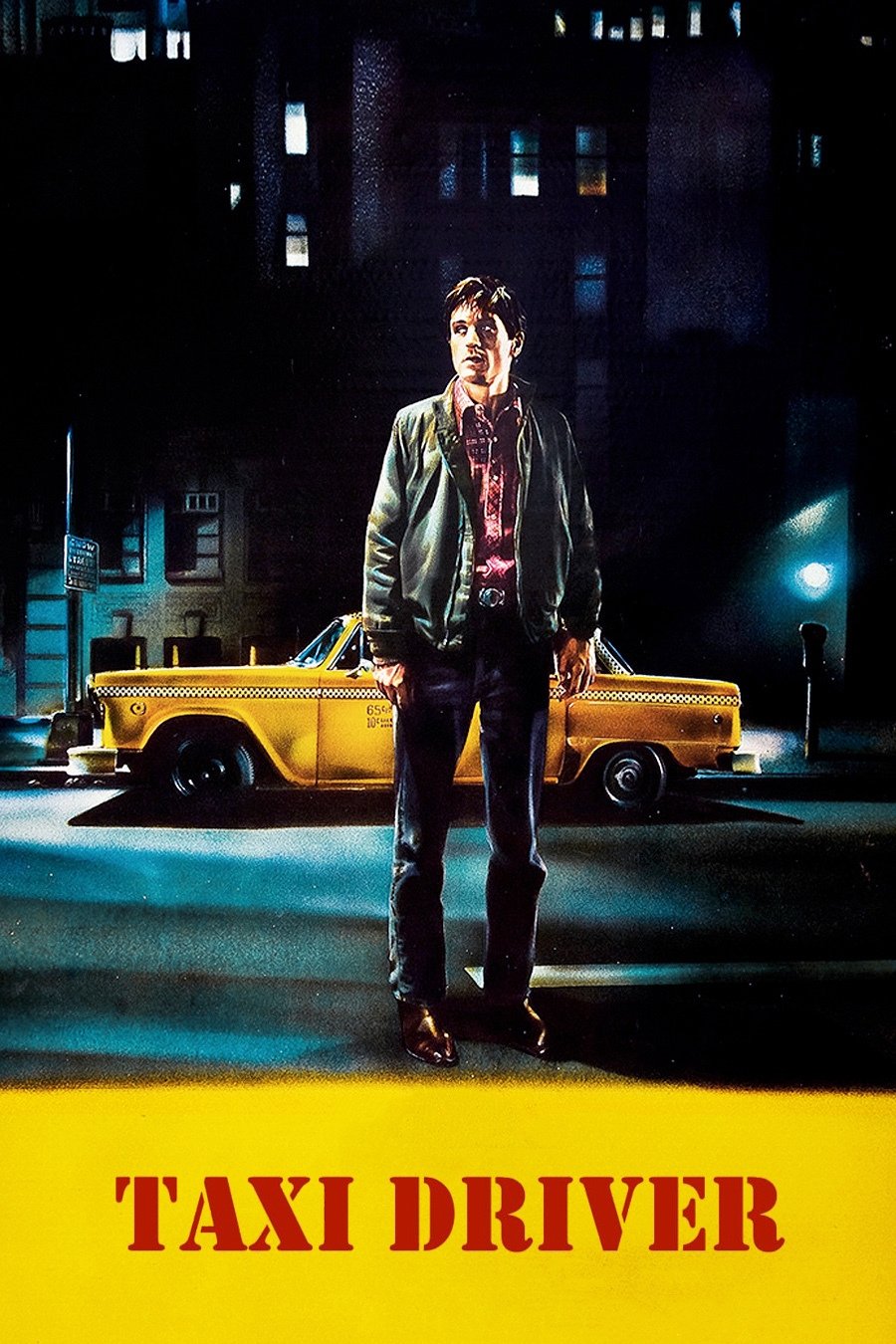
Mid-70s New York City; Joe Spinell's job interview; God's lonely man line; Harvey Keitel's pimp look; Travis and Wizard scene; De Niro's preparation; Bernard Herrmann's score; cinematography; Jodie Foster's career
The mid-70s New York setting holds up, as does the opening job interview in which Joe Spinell sizes Travis up as a lunatic. — Bill Simmons
Spinell's 1970s run, including Godfather 2, Taxi Driver, Rocky, Sorcerer and Big Wednesday, is compared to De Niro's. — Bill Simmons
The 'loneliness has followed me my whole life... God's lonely man' line is Schrader writing about loneliness after almost losing his mind. — Bill Simmons
Keitel's sleeveless-shirt, hat, hair and muscles look is floated as something that should have become a Saturday Night Live character. — Bill Hader
Keitel reportedly based the pimp on a real pimp he worked with at the Actors Studio; the pimp originally had five lines and Keitel added more, and the 'I'm hip / You don't look hip' exchange is loved. — Bill Hader
Travis telling Wizard he has bad ideas in his head is short but pivotal; Peter Boyle is great as a man who knows he doesn't know what he's saying yet is weirdly right. — Bill Hader
'You talking to me' was an omnipresent catchphrase for 15 or 20 years, though probably not as big a deal in 2021. — Bill Simmons
De Niro's preparation, including 15-hour days driving cabs, studying mental illness, recording Midwestern soldiers for the accent and losing 35 pounds, felt like the first time an actor's commitment was almost part of the marketing. — Bill Simmons
The method line runs from Brando to Dustin Hoffman in the same era, as in Marathon Man, and on to later method actors; De Niro's work is honed into behavior where others' choices show. — Bill Hader
Asked about riding with cops for eight months for a Superbad cop role, the reply says they did have to ride with a cop in South Central and calls it the dumbest thing of all time. — Bill Hader
Bernard Herman, arguably the most important film composer and known for Psycho, Vertigo and Citizen Kane, wrote his last score here; Scorsese, who mostly uses needle drops, begged him to do it, and the composer said 'all I hear is brass'. — Sean Fennessey
An editor on Barry dislikes the score and the bluesy saxophone gets a reservation, but it works and the opening music hits like a giant wave; hearing it reportedly made Scorsese feel Travis's doom and fate. — Bill Hader
The composer died right after recording the score, at 64.
The cinematography is composed, natural-light and beautiful in a style rarely seen now. — Bill Hader
The shoot came during a hot summer and the garbage strike with wet streets, and according to the cinematographer a lack of time and money forced them to let New York light itself, which turned out right. — Bill Simmons
In most versions of her life Foster might not have become one of the most celebrated actors of a generation and an accomplished filmmaker; a reply praises her acting and directing.
De Niro wanting to play Vincent, with Pacino aged up, seems true; Coppola did think about it. — Bill Simmons
Sinatra for Altobello is carried into the what-ifs alongside the names mentioned for Vincent. — Bill Simmons
The actor who played Willie Cicci (transcribed "Joe Spinelli") was supposed to work for Zasa but died before the movie, so the character was written out. — Bill Simmons
Paramount approached Sly Stallone, Scorsese, Cimino and Warren Beatty over the years; in the early 80s Stallone was to write and direct with John Travolta, and there is an internet rumor that Eisner took a run at the script.
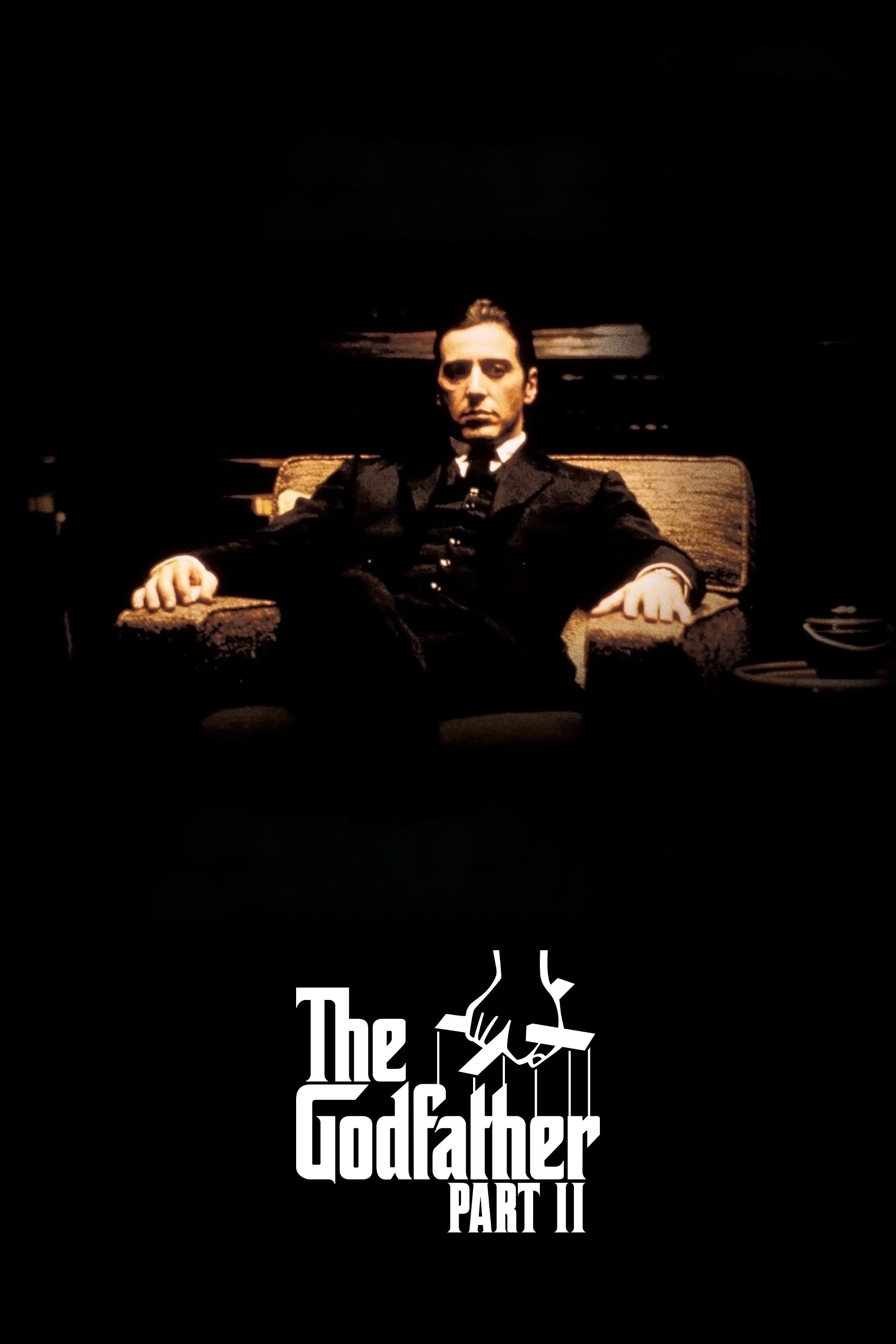
Kay Corleone; the dead sex worker used to frame Geary; Pacino's on-set demands; Willie Cicci; "Was it a boy?"; Rocco's Roth hit plan; cut Fabrizio revenge scene; Vito walking away from the Fanucci threat
The dead sex worker is read differently now than in the 70s and is called the thing that holds up the least; Michael has an innocent woman killed for leverage. — Brian Koppelman
The Geary dead-woman idea is called what has aged worst, though Duvall's part in the scene is praised. — Bill Simmons
Pacino was reportedly difficult: he nearly dropped out, wanted a massive salary, complained about the script and the slow pace. — Bill Simmons
A tangent argues whether Serpico has aged poorly and whether Prince of the City is better; the Prince of the City take is rejected. — Brian Koppelman
Willie Chichi is called a scumbag and the true betrayer; the actor is Joe Spinell, also in Rocky 2 and many grindhouse movies.
Michael asking "Was it a boy?" after hearing about the miscarriage marks him as evil. — Bill Simmons
Rocco's plan to kill Roth has no exit strategy; theories include a terminal diagnosis and an internet theory that Rocco left the drapes open.
A deleted scene where Michael takes revenge on Fabrizio should have stayed in the movie. — Bill Simmons
The opaque Roth-Pentangeli blame early on is raised, then defended as what makes the film rewatchable, and the objection is dropped. — Brian Koppelman
Aiello's ad-libbed hello-from-Michael line is called the worst moment because it makes no sense, though it may twist the knife and it deepens the mystery. — Brian Koppelman
Vito lets Finucci hold a knife to a girl's eye and walks away, which a modern hero would not do. — Brian Koppelman