Leonard Harris is named the answer because he had only two roles, Palantine and the John Ritter movie Hero at Large. — Bill Simmons
Vic Argo, who beats up a man in the bodega, is in every Scorsese movie, including playing Peter in The Last Temptation of Christ.
The weird cab driver Doe Boy with the bathtub story is liked; on the commentary track the director admits not knowing what the story is about, and the actor is also in Over the Edge and Mean Streets. — Bill Hader
Buscemi was a That Guy when the movie was made (Parting Glances, Billy Bathgate, Heart of Midnight, Miller's Crossing, Barton Fink), suggesting an at-the-time variation of the award.
Another voice prefers the award for people whose names you do not know: Victor Argo is a That Guy to a movie fan who is not a cinephile, and Paul Calderon is 'definitely a that guy', seen in Pulp Fiction without knowing his name. — Sean Fennessey
The Arty Clay actor is called the perfect That Guy too, one of the hoods at the beginning of Once Upon a Time in America; the bride's father from Sorcerer and The Brink's Job and James Lorinz from Street Trash are further That Guys.
Janet Julian as the lawyer girl is the one person who does not belong in the cast, though she wins one participant over a little by the Freddie Jackson party.
Little is known about Julian's other work and it is unclear how she won the part; Ariane, the girl from Year of the Dragon in the opening, is wanted for that role.
Karen Lingorny in Saturday Night Fever (as heard) is called the all-time watershed of 'why are you in this movie'. — Bill Simmons
Victor Argo is bad as Bishop and gets nowhere with a part with a lot to work with; a participant who knew him agrees the part deserved more than fine and thinks Argo did not believe the movie was that good.
Argo is said to be the only actor who has worked multiple times with Abel, Scorsese and Woody Allen, and Harvey Keitel's best friend.
There was not much for this category; complaints on release were overstated. — Sean Fennessey
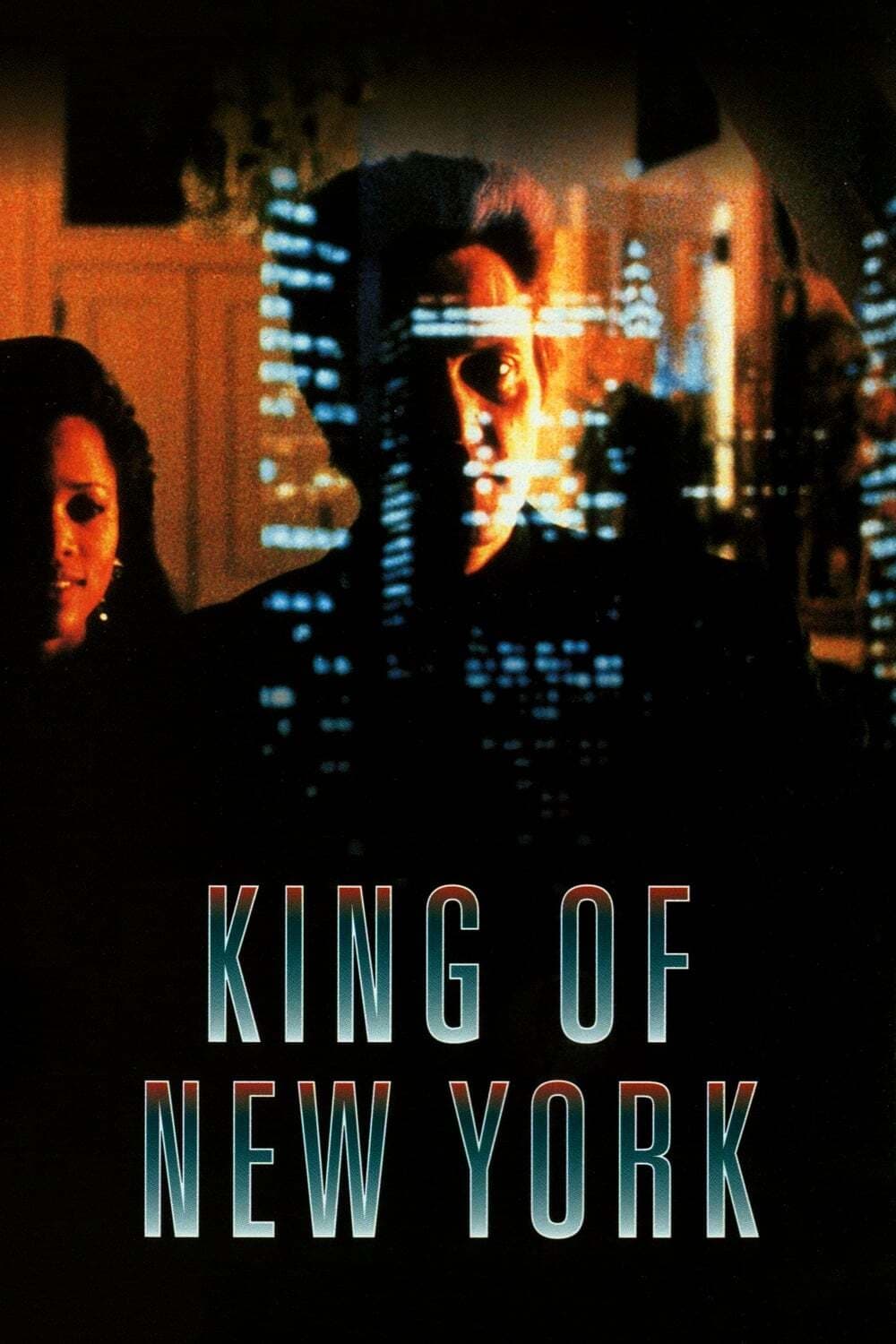
The phone booth execution at the very beginning is included; the walkthrough starts when Frank leaves his cell and the credits begin.
The Benny character walking through the brothel and being executed in the phone booth is a separate set piece that announces the film's style.
Fishburne's first scene with Buscemi's Test Tube is loved, from the dab of cocaine to 'you ever get the feeling you was being watched', 'You play ball, Tito?', the suitcase of Tampax and 'Room service, motherfuckers!'.
The actor playing Leonard was Sam Jackson's stand-in for years.
Walken's reunion with Fishburne's crew, with 'My feelings are dead', 'I feel no remorse' and a dance somewhere between Fred Astaire and Elvis, is iconic.
Walken playing blackjack with Artie White (as heard) and shooting him is a rewatchable scene; the second round of shots after he is dead tops even Artie White pissing on Calderon's shoes.
The fried chicken arrest scene ('Fuck you very much') is one of Fishburne's three big arias, with his Tito opening and his reunion with Frank; it was filmed in a grim Brooklyn slum neighborhood and is said to be a favorite of the director's.
'I'll slap the black off you' and 'Fuck you very much' were first heard in this movie by one participant, while another had heard the phrases growing up in New York.
The wedding scene and the speech are a huge one, maybe the most Chimino-esque sequence.
Caruso's bar monologue about having to kill Frank White ('My job is to protect the people of this city') is listed; delivering it in front of the bartender may be a tactical mistake because the bartender in a cop bar is always an old cop.
Also listed: the big nightclub shootout with Schoolly D, Fishburne killing Snipes in the rain, and the tail end in the cab.
The Plaza Hotel dinner with the columnists, the lawyer and the beautiful people evokes a New York that maybe never existed, a little Bonfire of the Vanities; Pete Hamill was a participant's grandparents' favorite columnist.
Walken going to see Victor Argo and the line about the country spending a hundred billion a year getting high is added; quotable lines are held for later.
The car chase is called the best action scene, though sloppy: Ferrara is likened to Sam Fuller, all about the moment, and it is obvious the black-haired driver is not Walken.
The 'Am I Black Enough for You' party sequence running into the raid on the compound is proposed as unlike any scene set to a song or use of color seen before.
A second voice had that scene as well, and a third, enamored with Jimmy Jump's introduction, joins 'you guys' because the song is fantastic and it takes you into their world.
Few movies of the time used hip-hop correctly other than Do the Right Thing; Schoolly D is called the godfather of gangster rap from Philly, influencing NWA, and Abel connecting with him shows taste.
Walken killing Caruso at the police funeral is recalled as a missed scene and one of the great shotgun deaths; one voice doubts anyone could get away at a guarded police funeral, while another would not change a frame.
Two candidates: Ed Lauder (as transcribed), Eddie Albert's sidekick quarterback in The Longest Yard, the head coach in Youngblood, in a hundred sports movies, the bald lieutenant type of the seventies and eighties and the lieutenant here; and Saul Rubinek, whose name people do not know though they know him from things, with the 'I treated you like a son' tirade quoted; he is not Mandy Patankin (as transcribed), he is a that guy, and he wins.
This is the iconic Saul Rubinek performance to end all his performances, so it goes in Joey Pants while he stays eligible for Dion Waiters; two more are thrown out, Victor Argo as one of Walken's men and Conchata Farrell (as transcribed) as the casting agent at Michael Rappaport's audition, with the 'thanks so much, Mr. Ritchie' brush-off.