
Film credit
Steve Buscemi
Also referred to as Steve Bouchemey, Buscemi, Bishemi, Brascemi, Steve Bushy, Shemi
Stats
- Episodes featuring their films
- 10
- Movies in this archive
- 9
Rewatchables episodes featuring Steve Buscemi’s films
The Big Lebowski
1998 film
Chris Ryan · Sean Fennessey · Jason Concepcion · David Shoemaker
Aired March 9, 2018
Mentioned in discussions


Apex Mountain
No affirmative selection
In the discussion (1)
- Travolta, Vaughn, Buscemi, Terry Polo, divorce movies, and evil-stepfather movies are all rejected as Apex cases. — Chris Ryan


Just One Oscar
Steve Park; ensemble and crafts also proposed
In the discussion (1)
- The one-Oscar discussion names Macy, Buscemi, McDormand, the Coens and Deakins, then offers Stephen Park as Yanagita. — Kyle Brandt
Apex Mountain
Swedish meatballs; GMAC; TruCoat; windshield scraping; Minnesota accents
In the discussion (6)
- Apex affirmatives include Swedish meatballs, GMAC financing and TruCoat sealant. — Bill Simmons
- The Coens are assigned No Country instead; Macy’s later roles and Minnesota sports peaks compete. Windshield-scraper scenes receive an affirmative. — Chris Ryan
- Buscemi’s performance is a favorite but his apex is disputed among later stardom, Con Air, Boardwalk Empire and The Sopranos. — Bill Simmons
- McDormand’s apex is unresolved with Three Billboards suggested. Blue Ox, shovel murders and Fargo the town are discussed; the Coens reportedly preferred Fargo’s sound over Brainerd.
- Stormare’s other apex candidates include Dino Velvet and Armageddon; Minnesota accents receive an affirmative, while dangling cigarettes prompt a Ghostbusters comparison.
- An unranked facial-wound Mount Rushmore considers One Battle, Freeway, Fargo and The Dark Knight, with Gus Fring also mentioned.

What’s Aged the Best?
Buscemi; the score; Marge and Norm; father-in-law tension; Minnesota details; TruCoat; regional speech
In the discussion (5)
- Buscemi’s scumbag roles, Carl’s sexual habits, funny-looking descriptions and escort date at a José Feliciano concert are aged-best choices. — Chris Ryan
- The score and Marge/Norm’s domestic eating-and-bed scenes are aged-best choices, with the buffet and delivered lunch prompting discussion of intimacy and excessive food.
- The wealthy father-in-law and unsuccessful son-in-law relationship ages well, especially Wade’s assurance that Jean and Scotty will be provided for. — Bill Simmons
- The Minnesota detail and TruCoat negotiation age well; the scene is described as based on Ethan Coen’s dealership experience.
- Regional phrases and phone etiquette age well. Carl’s origin is debated, with Midwest cities proposed rather than a definite hometown.

Most Rewatchable Scene
Mike Yanagita; roadside triple homicide; driveway witness
In the discussion (13)
- The Mike Yanagita scene is defended as the clue that makes Marge revisit Jerry and as a thematic study of false appearances; a further interpretation suggests she briefly wants to feel noticed beyond domestic routine. — Chris Ryan
- Marge’s discomfort during the Yanagita encounter is praised as precise facial acting.
- The opening bar meeting is a scene candidate; empty bottles are criticized as a hacky drunkenness cue, countered by the bar’s possible lack of staff.
- The kidnapping setup’s domestic knitting and local morning show are enjoyed, particularly its incongruous Nile-cruise promotion. — Chris Ryan
- Young Adult is a regional comparison; Jean’s frozen response and then terror during the kidnapping are praised, with the sequence proposed for the Dan Campbell escalation category.
- The failed financing request, ice-scraper breakdown and rehearsed ransom call form a favorite run, exposing Jerry’s catastrophic planning; small cold-weather behavior adds authenticity. — Kyle Brandt
- The roadside murders are a scene candidate for shocking violence mixed with comedy; the physical effect of the headshot is questioned without a settled answer.
- Marge’s escort interviews and the repeated funny-looking description of Carl are praised; McDormand’s account says even the tiny verbal beats were scripted.
- Carl’s parking-attendant argument, Shep beating and Wade confrontation are scene candidates, with Buscemi’s mounting fury singled out.
- The snow-shoveling witness’s monotone account is a favorite scene, including his recollection of Carl threatening the last person who called him a jerk. — Bill Simmons
- The second Jerry interview, woodchipper approach, drive afterward and three-cent-stamp ending are scene candidates; abrupt death and Marge’s rare anger are praised.
- Kyle chooses the Mike Yanagita scene, including its alarming greeting and awkwardness. — Kyle Brandt
- Chris chooses the roadside triple homicide; another participant agrees on its filmmaking but personally prefers the driveway witness monologue, so the final scene preferences remain split. — Chris Ryan


Casting What-Ifs
Casting notebook alternatives
In the discussion (14)
- The original notebook already wanted Keitel, Walken, Roth and Plummer; Fishburne was Jules before Jackson, with Murphy another listed possibility rather than a confirmed offer. — Bill Simmons
- Murphy’s move toward family films makes accepting this material uncertain, although it might have been a valuable career choice. — Bill Simmons
- Madsen committed to Wyatt Earp instead of Vincent, and later Vega-brothers speculation linked his Reservoir Dogs character with Vincent.
- Miramax reportedly resisted Travolta and pushed Day-Lewis; the panel imagines his unusual contemporary-hitman interpretation while strongly preferring the actual casting.
- Dillon reportedly asked for a day before accepting Butch, during which Willis became available; the lost role might have changed Dillon’s trajectory despite later successes. — Bill Simmons
- A competing Dillon story says he wanted an onscreen boxing match rather than merely asking for time to decide. — Chris Ryan
- Virginia Madsen was an early Mia choice. — Bill Simmons
- Miramax preferred Meg Ryan or Holly Hunter before Tarantino won the argument for Uma Thurman. — Bill Simmons
- Max Julien and Sid Haig reportedly declined Marsellus; Jackson was another backup while Fishburne remained the intended Jules. — Bill Simmons
- Cusack and possibly Oldman were considered for Lance, followed by Tarantino and then Stoltz; Buscemi’s unavailability led Tarantino to Jimmie, a preferable outcome to replacing Stoltz. — Bill Simmons
- Irène Jacob and Julie Delpy were considered for Fabienne. — Bill Simmons
- Delpy’s perceived intelligence makes the panel more interested in that version. — Bill Simmons
- Phil LaMarr read for Jules and Brett before being cast as Marvin. — Bill Simmons
- Courtney Love’s claim that Cobain would play Lance and she would play Jody is explicitly doubted. — Bill Simmons

What’s Aged the Worst?
Weinstein; imitations; slurs; dated details; forensic carelessness
In the discussion (16)
- Harvey Weinstein is selected for aged worst. — Bill Simmons
- Decades of imitations, especially in the mid-1990 s, are selected for aged worst. — Bill Simmons
- Racial slurs, especially Jimmie’s dialogue, are considered increasingly jarring. The discussion distinguishes their uses without resolving the justification for Jimmie’s language. — Chris Ryan
- Tarantino’s racial slurs are defended as his perception of how criminal characters would speak, while the language remains uncomfortable and his claimed familiarity with Black communities is discussed. — Sean Fennessey
- Butch’s chair-escape slow motion looks dated and uniquely artificial within the film. — Chris Ryan
- Characters are careless about forensic evidence: Butch merely wipes a gun, and the apartment killings leave a conspicuous bloodbath and early-morning gunshots. — Chris Ryan
- Los Angeles diners are disappearing, and robbing diners for cash-filled wallets seems less plausible now. — Chris Ryan
- Buscemi’s tiny Buddy Holly part feels wasteful; he reportedly lacked time to play Jimmie.
- Roth’s predicted next-great-star trajectory is questioned despite strong work in this film, Reservoir Dogs and Rob Roy. — Bill Simmons
- Marvin’s visible dummy in the trunk is criticized. — Bill Simmons
- Bullet holes visible before the divine-intervention shots are criticized. — Bill Simmons
- Smoking while drinking a milkshake is considered an unpleasant combination. — Bill Simmons
- Craving a cheeseburger after heavy cocaine use is questioned. — Bill Simmons
- Older pop-culture references may no longer register.
- The cab’s rear projection is defended as a deliberate old-movie homage.
- Tarantino’s acting is defended in retrospect, especially opposite Keitel over linens; his angry tone toward Jules is the specific stretch considered unsuccessful. — Sean Fennessey
Most Rewatchable Scene
Mia’s revival; final diner confrontation; Craig includes Jack Rabbit Slim’s
In the discussion (53)
- The most-rewatchable-scene discussion proposes eight selections and suggests almost the entire film qualifies except roughly twenty minutes. — Bill Simmons
- The opening diner robbery and transition into the credits are praised. The discussion considers the switch between two songs and debates whether the typography still feels timeless; younger viewers may associate it with Stranger Things.
- Misirlou prompts an association with the Black Eyed Peas song Pump It for a younger listener. — Craig Horlbeck
- Vincent and Jules discussing Amsterdam and the Royale with Cheese is praised as exceptionally influential screenwriting. The conversation connects its everyday observations to the film's recurring contrasts between Europe and America.
- The foot-massage argument, Mia's television pilot, and Antoine Tony Rocky Horror story are praised for combining casual conversation with the unexplained armed approach to an apartment. Vincent catches Jules with the offer to give him a foot massage. — Craig Horlbeck
- The request to take a boss's wife out is questioned and compared with a story about Ryan O'Neal, Lee Majors, and Farrah Fawcett. — Bill Simmons
- The foot-massage debate leads to agreement that the gesture is intimate; professional massage is distinguished from a personal offer.
- The apartment confrontation is introduced as another scene contender, with Samuel L. Jackson's performance prompting an early Rick Dalton Award mention. The Big Kahuna Burger and tasty-beverage dialogue, Frank Whaley's frightened performance, and the big-brain-on-Brett line receive praise.
- Jackson's interaction with Burr Steers on the couch is singled out, while Travolta's quieter background performance also draws attention. — Chris Ryan
- Travolta's relaxed background behavior contrasts with Jackson's commanding, repeatedly quotable performance in the apartment.
- Jackson's extended biblical monologue is praised as an extraordinary sustained performance, prompting curiosity about how many takes the scene required. — Bill Simmons
- Low angles, close-ups, and a camera move following Jackson's head turn establish him as a movie star, shifting attention away from Travolta. — Chris Ryan
- The burger and the film's food generally are praised for looking appetizing.
- Marsellus lecturing Butch about pride and his declining prime is selected as another scene; its advice is compared with Pacino's speech to DiCaprio in Once Upon a Time in Hollywood. — Bill Simmons
- The speech's warning about aging inspires contemporary jokes about Joe Biden and Paul George's late-career contract.
- Butch's confrontation with Vincent is discussed as the possible trigger for keying his car and deciding to betray Marsellus; a reported Tarantino answer supports the decision forming during that encounter.
- Obscuring Marsellus's face during his speech is praised for building anticipation and making the crime boss seem mythical, with Mia's delayed reveal cited as a parallel.
- Vincent buying heroin from Lance is selected for its elaborate product descriptions and sales pitch, including the more expensive Choco. — Chris Ryan
- Lance remaining visible in a mirror is singled out as an easily missed visual detail. Mirrors and reflections recur with Mia, Fabienne, and Vincent. — Bill Simmons
- Vincent confusing Trudi with Jody and describing the piercings on Jody's face is praised as an enduringly funny exchange; Stoltz's robe, sandals, and hair contribute to the performance.
- The drug purchase captures obligatory small talk, with Lance echoing Vincent's complaints about his keyed car and using a salesman's suggestion that stock might run out. — Chris Ryan
- Stoltz's appeal across different kinds of films is discussed. A festival encounter and his enthusiasm for Reservoir Dogs are offered as the background to his casting, alongside his other connections to Tarantino and Roger Avary. — Sean Fennessey
- The discussion corrects Kicking and Screaming to 1995 and describes Stoltz's early-1990s mixture of indie leading roles and smaller appearances. — Bill Simmons
- Vincent and Mia's date at Jack Rabbit Slim's is selected, including his arrival at her house. The restaurant's immersive design and automobile booths are praised; conflicting construction-budget recollections are discussed.
- A reported Disney proposal to reproduce Jack Rabbit Slim's in a park was declined; the restaurant is compared with an unnamed real Los Angeles establishment. — Sean Fennessey
- Characters repeatedly expressing pleasure in their food is suggested as part of why the meals look so appealing. Steve Buscemi's Buddy Holly waiter is highlighted. — Sean Fennessey
- Fox Force Five's detailed character lineup inspires enthusiasm for an actual pilot and a comparison with Kill Bill; whether Tarantino wrote such a pilot is speculation.
- The five-dollar milkshake exchange and its specific menu terminology are singled out as memorable date dialogue.
- The date resolves the foot-massage rumor while Travolta's bashful, low-key delivery contrasts with Thurman's more animated cocaine-influenced behavior.
- The twist contest and Chuck Berry song are praised. The discussion wonders how the dance would look to sober observers and reports that Travolta introduced additional period dances instead of only performing the twist.
- A first-time viewer expects Vincent and Mia to have sex and face Marsellus's anger; the overdose instead provides an effective narrative swerve. The baggie rather than a balloon helps explain Mia mistaking heroin for cocaine. — Bill Simmons
- Mia abandoning her lip-sync routine midway through the song is praised as a behavioral detail. Lance's quiet evening with cartoons, cereal, and a recliner makes Vincent's emergency arrival especially funny. — Chris Ryan
- The injection effect reportedly used a needle pulled away from Thurman's chest with the footage reversed, after a fake chest was rejected. — Bill Simmons
- Vincent pressuring Lance by explaining that Mia belongs to Marsellus adds another comic threat to the rescue; the rough handling of Mia on the lawn is noticed. — Chris Ryan
- Thurman's ability to look glamorous and convincingly devastated, especially on the drive home, is praised. — Bill Simmons
- Christopher Walken's watch monologue is selected as another scene. Its placement immediately after the overdose supplies another escalating surprise when a quieter flashback seems likely.
- Walken's uninterrupted watch speech is praised, and the watch's Knoxville origin is connected to Butch's destination and Tarantino's biography.
- Butch returning for the watch and killing Vincent is selected. One objection says Butch seems insufficiently frightened; the long approach through backyards is defended as an effective real-time buildup. Stopping for a toaster pastry is questioned.
- Vincent's abrupt death is compared with Psycho's shocking removal of its apparent lead. Whether earlier politeness toward Butch would have saved him is raised, with survival offered as the reason Butch would shoot regardless.
- The pawnshop basement and Gimp reveal are selected for their shocking narrative turn. Deliverance is a comparison, while the setting is read as a surreal personal hell for a powerful crime boss.
- The Gimp emerging from the trunk is called a top-five shocking movie moment, without an enumerated ranking. The discussion debates deliberate provocation versus making the basement as strange as possible. — Bill Simmons
- The Gimp laughing at Butch is compared to premature athletic taunting; the offscreen sounds prompt jokes about recording the scene.
- The discussion debates returning to rescue an enemy versus escaping. Butch staying with Fabienne after she forgot the watch is also questioned.
- The scene illustrates how Tarantino strategically withholds the sight of violence despite its strong effect. — Sean Fennessey
- Vincent accidentally shooting Marvin and the ensuing trip to Jimmy's house are selected, highlighting Vincent's casual admission and the argument over whether a bump caused the gun to fire. — Craig Horlbeck
- Jules and Vincent washing their hands and arguing about soap is praised, as is Vincent's impatient expectation that an apology should settle the accidental killing. — Bill Simmons
- The Wolf's rapid arrival, appreciation of Jimmy's coffee, response to Vincent requesting politeness, and refusal to celebrate prematurely are highlighted alongside the argument over cleaning Marvin's remains. — Bill Simmons
- The final breakfast and robbery confrontation is selected for Jules's transformation and the film's deepest thematic statement. Jackson's apartment performance remains a competing personal favorite.
- The final diner confrontation is selected as the current favorite scene. — Sean Fennessey
- Mia’s overdose through the injection and revival is selected as the most rewatchable scene.
- The stretch from Marvin’s shooting through the Wolf leaving for the diner is separately identified as a favorite chapter.
- The opening chapter is defended because it contains both the hitmen and Vincent’s date with Mia.
- Jack Rabbit Slim’s through Mia’s revival is selected as an expanded scene choice. — Craig Horlbeck

Is This Movie Better With…?
Canceled: Steve Buscemi already appears
In the discussion (1)
- The category is canceled because Steve Buscemi is already present. — Bill Simmons
Most Rewatchable Scene
The surprise birthday party / the kangaroo-show argument
In the discussion (5)
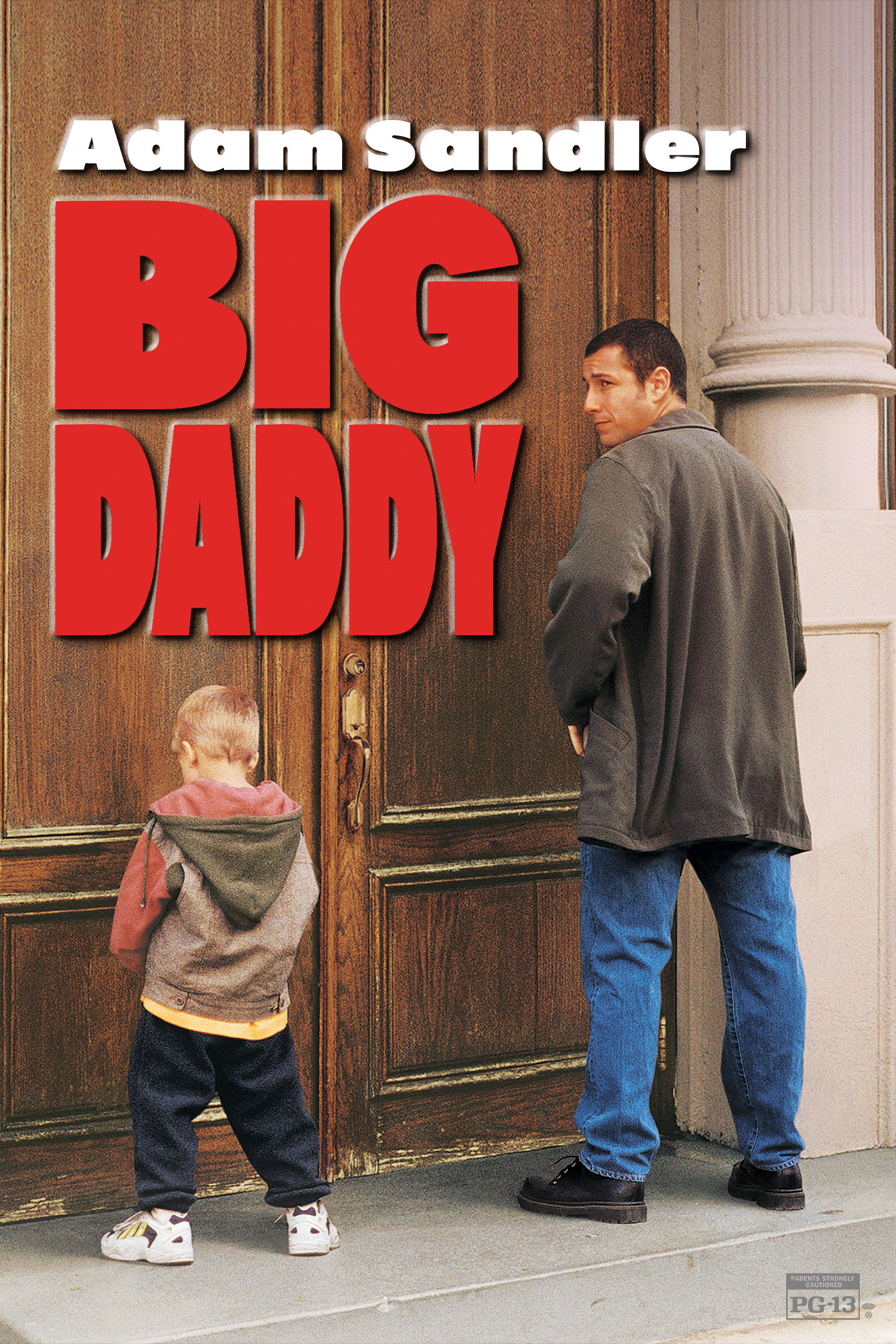
- Sonny spoiling the surprise birthday party and engagement is the first final choice. — Joe House
- The McDonald’s breakfast confrontation is funny but shockingly hostile, with Buscemi’s missed sausage sandwich adding to the scene. — Joe House
- Sonny sabotaging rollerbladers is an amusing but antisocial slapstick sequence. — Joe House
- The argument over playoff hockey versus the kangaroo show is nominated and becomes the other final choice. — Joe House
- Sonny sending the child to approach Layla works because she immediately recognizes his tactic. — Joe House
Is This Movie Better With…?
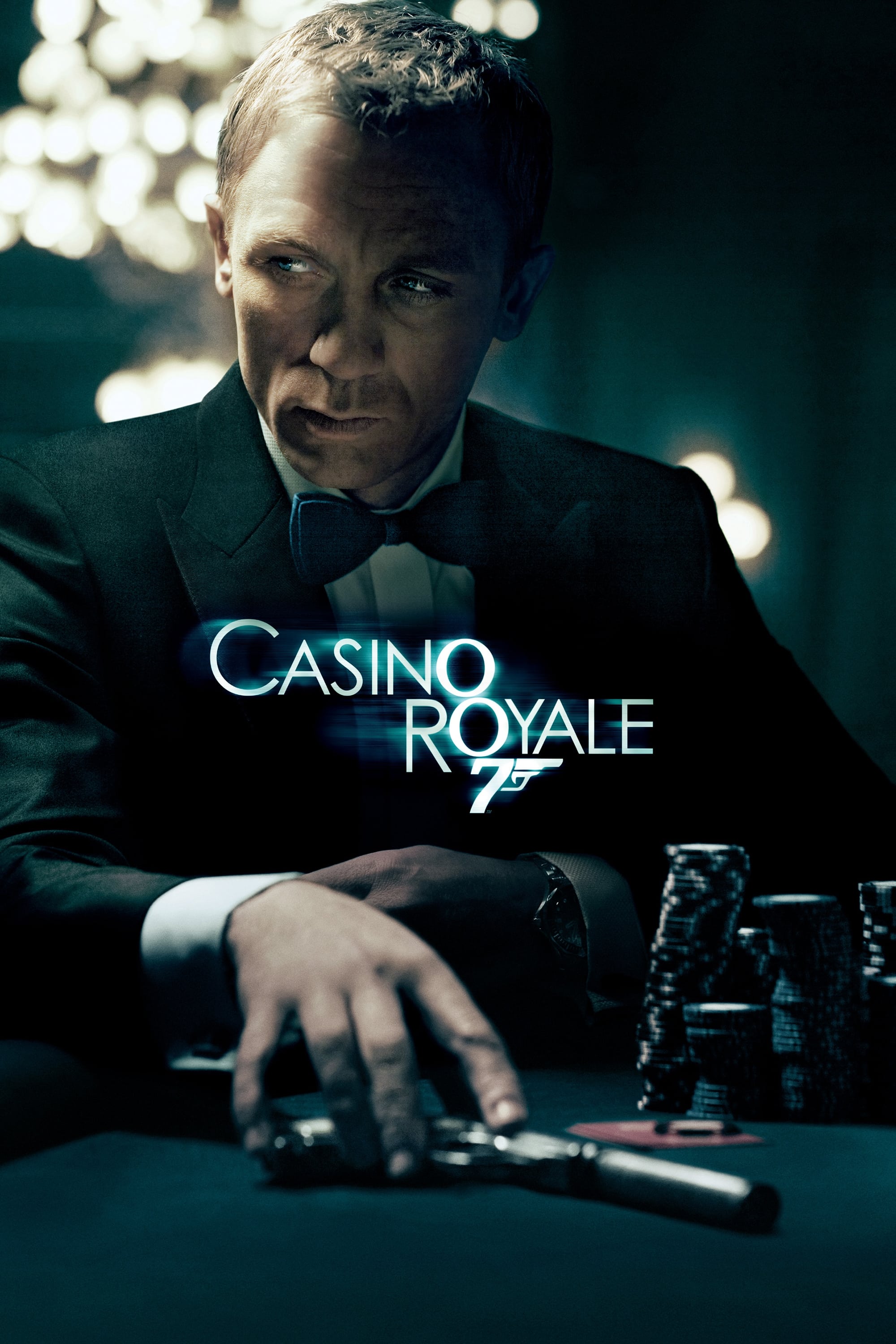
Buscemi or Jackson at poker; Buscemi as Mathis; Wayne Jenkins impression
In the discussion (4)
- A Wayne Jenkins impression briefly enters the discussion. — Amanda Dobbins
- Steve Buscemi at the poker table is a better-with choice. — Bill Simmons
- Samuel L.Jackson at the poker table is a better-with choice. — Bill Simmons
- Buscemi could also play Giannini’s role. — Bill Simmons

Is This Movie Better With…?
Kathryn Hahn as stepmother; Steve Buscemi at park
In the discussion (2)
- Kathryn Hahn as the stepmother would improve the film. — Bill Simmons
- Steve Buscemi could add a strange park employee. — Juliet Litman
Films in the archive

Armageddon
1998


Big Daddy
1999

Con Air
1997
Domestic Disturbance
2001
Fargo
1996
King of New York
1990
Pulp Fiction
1994


Reservoir Dogs
1992

The Big Lebowski
1998