
Film credit
Steve Buscemi
Also referred to as Steve Bouchemey, Buscemi, Bishemi, Brascemi, Steve Bushy, Shemi
Stats
- Episodes featuring their films
- 10
- Movies in this archive
- 9
Rewatchables episodes featuring Steve Buscemi’s films
The Big Lebowski
1998 film
Chris Ryan · Sean Fennessey · Jason Concepcion · David Shoemaker
Aired March 9, 2018
Mentioned in discussions

In the discussion (4)
- Philip Baker Hall and Steve Buscemi are imagined as additions without specific roles.
- Wayne Jenkins initially seems hard to place, then the skeptical cop is proposed.
- J.T. Walsh is proposed as Manny.
- Kathryn Hahn is enthusiastically proposed as Sally, leading to a Bernthal-and-Hahn remake idea. — Wesley Morris


Is This Movie Better With…?
Young Steve Buscemi could enhance the film.
In the discussion (1)
- Buscemi is proposed as Face’s sidekick or Clint Howard’s prisoner role with more lines. — Bill Simmons

In the discussion (3)
- Jon Bernthal’s Wayne Jenkins is the preferred replacement for Cyclone — Bill Simmons
- The prompt also names Danny Trejo, Kathryn Hahn, Steve Buscemi, Samuel L. Jackson, J.T. Walsh and Philip Baker Hall — Bill Simmons
- The choice leads to a Wayne Jenkins impression — Bill Simmons
In the discussion (1)
- Buscemi is suggested, followed by a Wayne Jenkins impression involving Oscar and a proposal to make Jenkins the academy recruit Stone. — Bill Simmons


In the discussion (2)
- Frank Doubleday wins because decades of viewing left the panel knowing him only as Romero rather than by name. — Bill Simmons
- The performance is described as crackhead Steve Buscemi crossed with David Bowie. — Bill Simmons
In the discussion (7)
- Whether That Guy can mean someone before they became that guy is debated; Caruso is too much of a lead.
- Paul Calderon is first named as the Joey Pants answer because most people do not know who he is, then moved to the Dion Waiters Award.
- Buscemi is suggested and rejected because he became Steve Buscemi.
- A candidate list: Carrie Nygren, who does not speak and is amazing as Melanie; Roger Guenveur Smith; Leonard L. Thomas with a great line delivery; and Joey Chin, whose Nosferatu spiel is a favorite. — Sean Fennessey
- Buscemi was a That Guy when the movie was made (Parting Glances, Billy Bathgate, Heart of Midnight, Miller's Crossing, Barton Fink), suggesting an at-the-time variation of the award.
- Another voice prefers the award for people whose names you do not know: Victor Argo is a That Guy to a movie fan who is not a cinephile, and Paul Calderon is 'definitely a that guy', seen in Pulp Fiction without knowing his name. — Sean Fennessey
- The Arty Clay actor is called the perfect That Guy too, one of the hoods at the beginning of Once Upon a Time in America; the bride's father from Sorcerer and The Brink's Job and James Lorinz from Street Trash are further That Guys.

In the discussion (12)
- The limo is used as an action-movie car, with Fishburne blasting two guns out of the sunroof and Theresa Randle popping out too; the opening limo is compared to Dracula's driverless coach; Night Shift and Big are mentioned for limo scenes.
- The young cast of Fishburne, Buscemi, Caruso, Snipes, Esposito and Paul Calderon; Esposito had to wait 20 more years for his famous moment. — Bill Simmons
- The Snipes-Caruso buddy-cop movie buried inside is wanted as a prequel, in the Running Scared world.
- The whole structure is basically The Wire: you watch Frank like Barksdale, know every crew member's function, meet the less flashy cops, and root for the bad guys.
- A think piece found in research argued the film paved the way for The Shield and The Wire; it was the first of its kind. — Bill Simmons
- As in The Shield, the cops' badness is real; Caruso breaks the law intending to kill Frank, which is why you root for Frank White. — Sean Fennessey
- Caruso's wedding performance is named a second time, with the toast quoted, including 'The test came back negative' and Roy Bishop's Afro Sheen.
- Walken dealing with muggers on the subway is a vestige of 70s and 80s New York movies, with a super-young Harold Perrineau. — Bill Simmons
- Larry Wong keeping cocaine in giant MSG containers is a great idea, and his hanging upside down is read as a callback to Nosferatu, with Walken channeling it like a bat.
- The hip-hop gangster aspect and the Black and Puerto Rican foot-soldier gang introduced something new to gangster films and set off a dozen similar movies after New Jack City.
- 1990 New York as a locale and its actors of that moment; it is high-low New York, the Plaza and under the bridge, combining exploitation roots with a beautiful cinematic sense.
- Catching all these guys at a cool moment of their careers is another favorite. — Bill Simmons
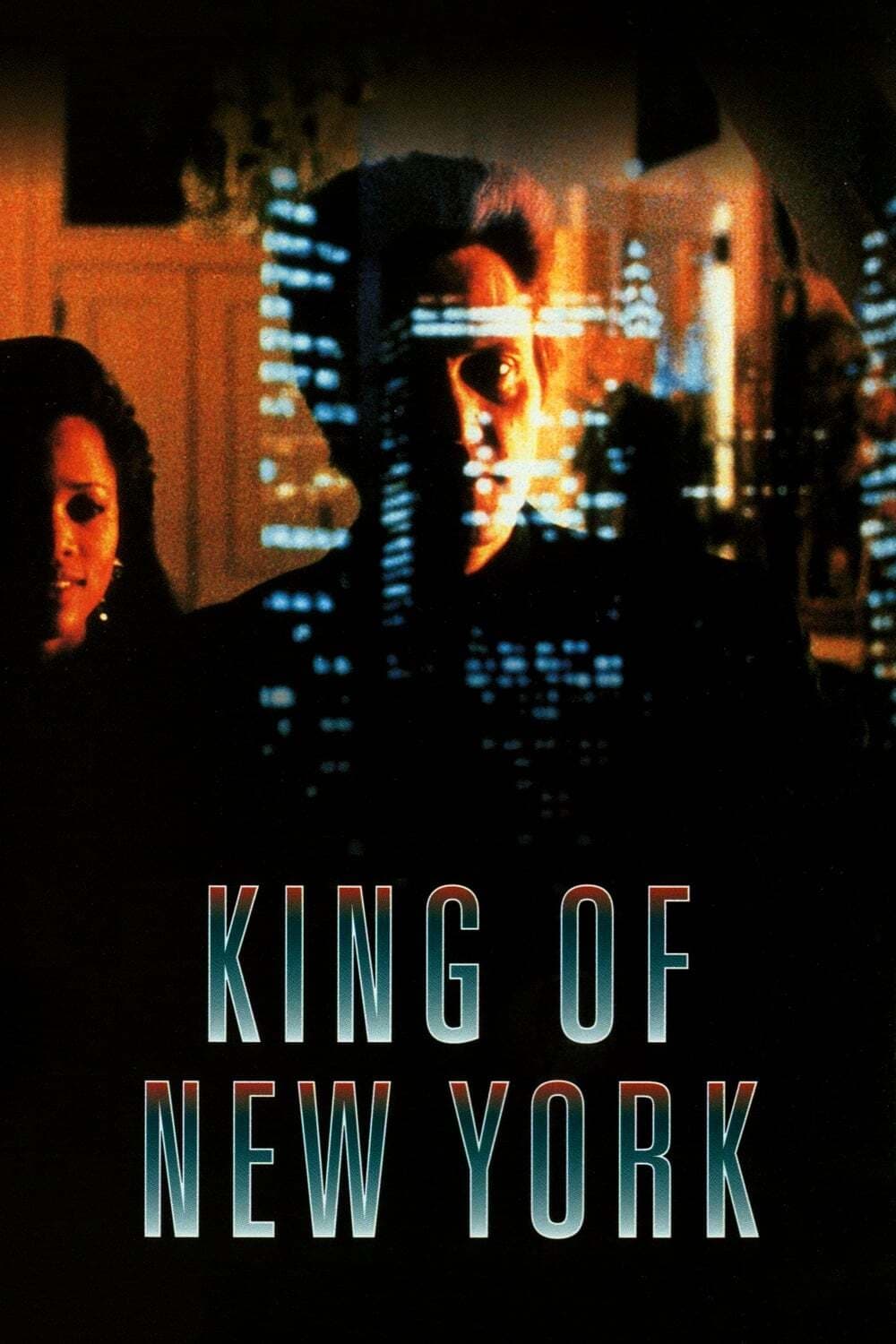

Most Rewatchable Scene
"Am I Black Enough for You" party sequence into the raid
In the discussion (18)
- The phone booth execution at the very beginning is included; the walkthrough starts when Frank leaves his cell and the credits begin.
- The Benny character walking through the brothel and being executed in the phone booth is a separate set piece that announces the film's style.
- Fishburne's first scene with Buscemi's Test Tube is loved, from the dab of cocaine to 'you ever get the feeling you was being watched', 'You play ball, Tito?', the suitcase of Tampax and 'Room service, motherfuckers!'.
- The actor playing Leonard was Sam Jackson's stand-in for years.
- Walken's reunion with Fishburne's crew, with 'My feelings are dead', 'I feel no remorse' and a dance somewhere between Fred Astaire and Elvis, is iconic.
- Walken playing blackjack with Artie White (as heard) and shooting him is a rewatchable scene; the second round of shots after he is dead tops even Artie White pissing on Calderon's shoes.
- The fried chicken arrest scene ('Fuck you very much') is one of Fishburne's three big arias, with his Tito opening and his reunion with Frank; it was filmed in a grim Brooklyn slum neighborhood and is said to be a favorite of the director's.
- 'I'll slap the black off you' and 'Fuck you very much' were first heard in this movie by one participant, while another had heard the phrases growing up in New York.
- The wedding scene and the speech are a huge one, maybe the most Chimino-esque sequence.
- Caruso's bar monologue about having to kill Frank White ('My job is to protect the people of this city') is listed; delivering it in front of the bartender may be a tactical mistake because the bartender in a cop bar is always an old cop.
- Also listed: the big nightclub shootout with Schoolly D, Fishburne killing Snipes in the rain, and the tail end in the cab.
- The Plaza Hotel dinner with the columnists, the lawyer and the beautiful people evokes a New York that maybe never existed, a little Bonfire of the Vanities; Pete Hamill was a participant's grandparents' favorite columnist.
- Walken going to see Victor Argo and the line about the country spending a hundred billion a year getting high is added; quotable lines are held for later.
- The car chase is called the best action scene, though sloppy: Ferrara is likened to Sam Fuller, all about the moment, and it is obvious the black-haired driver is not Walken.
- The 'Am I Black Enough for You' party sequence running into the raid on the compound is proposed as unlike any scene set to a song or use of color seen before.
- A second voice had that scene as well, and a third, enamored with Jimmy Jump's introduction, joins 'you guys' because the song is fantastic and it takes you into their world.
- Few movies of the time used hip-hop correctly other than Do the Right Thing; Schoolly D is called the godfather of gangster rap from Philly, influencing NWA, and Abel connecting with him shows taste.
- Walken killing Caruso at the police funeral is recalled as a missed scene and one of the great shotgun deaths; one voice doubts anyone could get away at a guarded police funeral, while another would not change a frame.


Recasting Couch
David Caruso as Mr. Orange; James Gandolfini as Nice Guy Eddie or Joe Cabot; Dennis Farina as Joe Cabot; William Petersen as Mr. Blonde; Daniel Day-Lewis as Mr. Orange or Joe Cabot
In the discussion (5)
- A new category that might stick around: recast any key role in the movie with an actor you like, as long as it makes sense for 1992.
- He sprang the recasting category on the others without warning. — Bill Simmons
- Caruso could have been Mr. Orange because of that hair; Gandolfini as Nice Guy Eddie instead of Chris Penn, or as Joe Cabot given his physical bearing, is called a great pick; Schwarzenegger as Mr. Pink is a joke.
- Dennis Farina as Joe would be awesome, a little older but realistic as Eddie's father, and his reaction to Buscemi getting mad about being Mr. Pink would lift the scene to another level.
- William Peterson (as transcribed), 'Bill Pete', as Mr. Blonde is called really good; Daniel Day Lewis as Mr. Orange would bring in a different Brit Pack, or Oldman; DDL as Joe Cabot gaining seventy pounds and shaving his head draws a Lincoln impression.
Half-Assed Internet Research
Walkouts at screenings including Wes Craven and Rick Baker; a 2006 video game with only Madsen's likeness; actors wore their own clothes and Chris Penn used his own car; the soundtrack budget went to Stuck in the Middle with You; 272 fucks; no police traffic control for the carjacking; Madsen's aversion to violence; Roth peeled off the fake blood; the Vega brothers and the unmade Double V Vega; the title from Au Revoir les Enfants
In the discussion (6)
- Many people walked out of screenings, including Wes Craven and makeup legend Rick Baker; Tarantino is quoted saying the Last House on the Left director walked out of his movie and that it happens every screening because the violence or rude language is a mountain some cannot climb, which he wanted to be disturbing.
- A 2006 video game for PC, Xbox and PlayStation 2 used only Madsen's likeness, which he needed for the paycheck, and GameSpot labelled it an out-and-out failure; the budget was so low actors wore their own clothes, Chris Penn used his own car, and Tarantino is quoted in 2014 saying the whole soundtrack budget went to securing Stuck in the Middle with You.
- Guesses at the number of fucks run from 400 to 117; the answer is 272. With no budget for police traffic control, Buscemi's carjacking could only be shot when the lights were green, a dangerous true-indie move.
- Madsen allegedly struggled with the torture scene due to a strong aversion to violence, which feels half-assed for a man in forty action movies; Roth lay in fake blood so long in the summer heat that it dried and he had to be peeled off the floor, which is how the hosts expect to feel at the end of the podcast.
- Vic Vega and Vincent Vega were brothers, and Tarantino always wanted a prequel called Double V Vega until Madsen and Travolta got too old; the unmade Tarantino movies would make a good podcast.
- The title came from a Video Archives customer who mockingly refused 'Au Revoir Les Infants' (as transcribed) as 'reservoir dogs'; such weird, oblique titles were possible before everything was optimized, Tarantino treats them as his artist's flourish, as with the Inglourious Bastards spelling, and this one means nothing since there is no reservoir where they live.

In the discussion (3)
- Madsen is the first name; the heat is pretty equally distributed, but Tim Roth's shirtless boss in the vest does a lot with a little, chewing up 'that invisible bitch'; Madsen in the ear-cutting scene is compared to Vinnie Johnson in game five of the 1990 Finals, going for it in a career-altering way, except his career was not altered.
- Barely worth mentioning is the extra Buscemi bangs into while fleeing the robbery, who yells 'fuck you, asshole' like an acting buddy making the most of one opportunity.
- One more Dion Waiters: the earnest, mustached cop telling his story during the commode monologue, repeatedly ordering the motorist to put his hands on the dash; he looks like he is from Wisconsin rather than California and is handed the best that-guy award instead.
Casting What-Ifs
James Woods received five cash offers his agent refused; Tarantino wrote Mr. Pink for himself; Madsen, Vincent Gallo, Tim Roth and Tom Sizemore were in the mix for Mr. Pink; Buscemi auditioned for Mr. White; George Clooney read and Christopher Walken passed on Mr. Blonde; Robert Forster auditioned for Joe Cabot; Tony Scott wanted to direct
In the discussion (8)
- Tarantino wanted James Woods and made five cash offers, which Woods' agent refused without telling him because they were below his salary; Woods fired the agent after learning the story, and Tarantino never told him which role; online speculation says Mr. Orange, which the hosts doubt given Woods' age, preferring him as Mr. White.
- Tarantino wrote Mr. Pink for himself; Madsen auditioned for Pink, Vincent Gallo turned it down, which is doubted as half-assed research, Tim Roth almost played it, and Tom Sizemore was a finalist, which could have broken brains.
- Sizemore has a very outsized role in the Tarantino universe over the next few years. — Chris Ryan
- Sizemore's Natural Born Killers character is the brother of Seymour Scagnetti, one of the most messed-up characters in movie history; asked which part he wanted and why, Sizemore told Tarantino 'the action is the juice'; Buscemi originally auditioned for Mr. White.
- George Clooney read for Mr. Blonde, which the hosts can see, and later did From Dusk Till Dawn; Christopher Walken refused Mr. Blonde, almost too obvious a choice, perhaps never even replying to the script.
- Robert Forster auditioned for Joe Cabot; one host never thought Forster was that great, including in Jackie Brown, and never bought the attraction with Pam Gray (as transcribed), which the others call a crazy, bad take given his Oscar nomination; he would still have been better than Lawrence Tierney.
- Tony Scott read both scripts, wanted Reservoir Dogs and was told he could have True Romance; his version would have shown the heist with more cop stuff, a Hans Zimmer score instead of seventies songs, and Gary Oldman as Mr. Blonde with dreadlocks and gold teeth.
- Cross-echoes with True Romance: 'a diddle-at-joe' to Drexel's 'damned if I know', and Mr. White saying he used to work with Alabama; the theatrical release has no female speaking parts beyond the woman who shoots Mr. Orange, nor does this podcast.
Films in the archive

Armageddon
1998


Big Daddy
1999

Con Air
1997

Domestic Disturbance
2001

Fargo
1996
King of New York
1990

Pulp Fiction
1994

Reservoir Dogs
1992

The Big Lebowski
1998