A three-tier split is suggested for squad members, other soldiers, and cameos, but squad members are then excluded from the heat-check category because they are central characters.
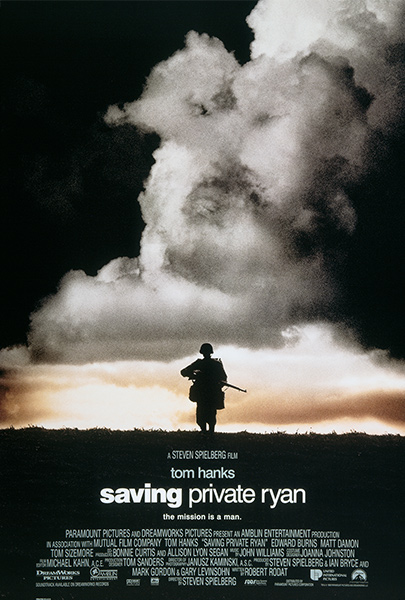
Title; personal tokens; pencil callback; Hanks; young cast; returning German; Farina and Danson; older Ryan; cinematography; squad archetypes; barn story
The title receives an enthusiastic ten-out-of-ten assessment; Horvath speaking the title adds to its appeal for one speaker.
Horvath’s title speech is criticized as corny and stapled into the film, but defended through its resemblance to Sizemore’s bank-is-worth-the-risk speech in Heat. — Bill Simmons
Horvath collecting dirt from different countries is praised as a small character detail. — Chris Ryan
Mellish crying after receiving the Hitler Youth knife is praised as another meaningful personal token. — Chris Ryan
The pencil is praised as a recurring detail, from Miller responding to Upham’s typewriter question to the later need to write a note for a deaf soldier. — Chris Ryan
The spared German returning works as an action-movie device despite Goldman’s objection; his return is defended as plausible because he rejoins other Germans rather than appearing alone.
Farina and Danson’s unexpected appearances are enthusiastically praised, with Farina receiving the stronger joking exclamation-point rating. — Bill Simmons
The older Ryan is praised for looking like an aged Damon, and the image’s later use as an aging meme is noted.
Ryan’s attentive family at the cemetery is admired and contrasted jokingly with how the speakers’ own children might behave. — Bill Simmons
Kaminski’s cinematography is praised for lens-coating changes, shutter timing, and bleach-bypass treatment.
Saving Ryan’s Privates is nominated as an especially funny porn-parody title, without a claim to having seen it. — Bill Simmons
Watching Burns’s scenes while joking that he is in one of his own romantic dramas is described as a recurring pleasure.
The squad’s archetypes are praised as a strong lineup: Brooklyn guy, Italian guy, Jewish guy, religious guy, writer, medic, sergeant, and captain.
Ryan’s crude story is now appreciated more because its awkwardness and Miller’s patient reaction show the gap between a young soldier and an experienced teacher. — Chris Ryan
The film is credited with establishing the cloudy, foggy visual style of the later Spielberg–Kaminski partnership, contrasted with Amistad. — Sean Fennessey
Hard to award for a 40-year-old movie: Prosky and Dennis Farina were That Guys who became who they became. — Chris Ryan
A joke rename to a rookie-of-the-year award for this movie honors Prosky, Farina and Petersen breaking out and becoming staples for 30 years. — Chris Ryan
The only one who held That Guy status is Attaglia actor Tom Signorelli, always the eighth goon who never became famous.
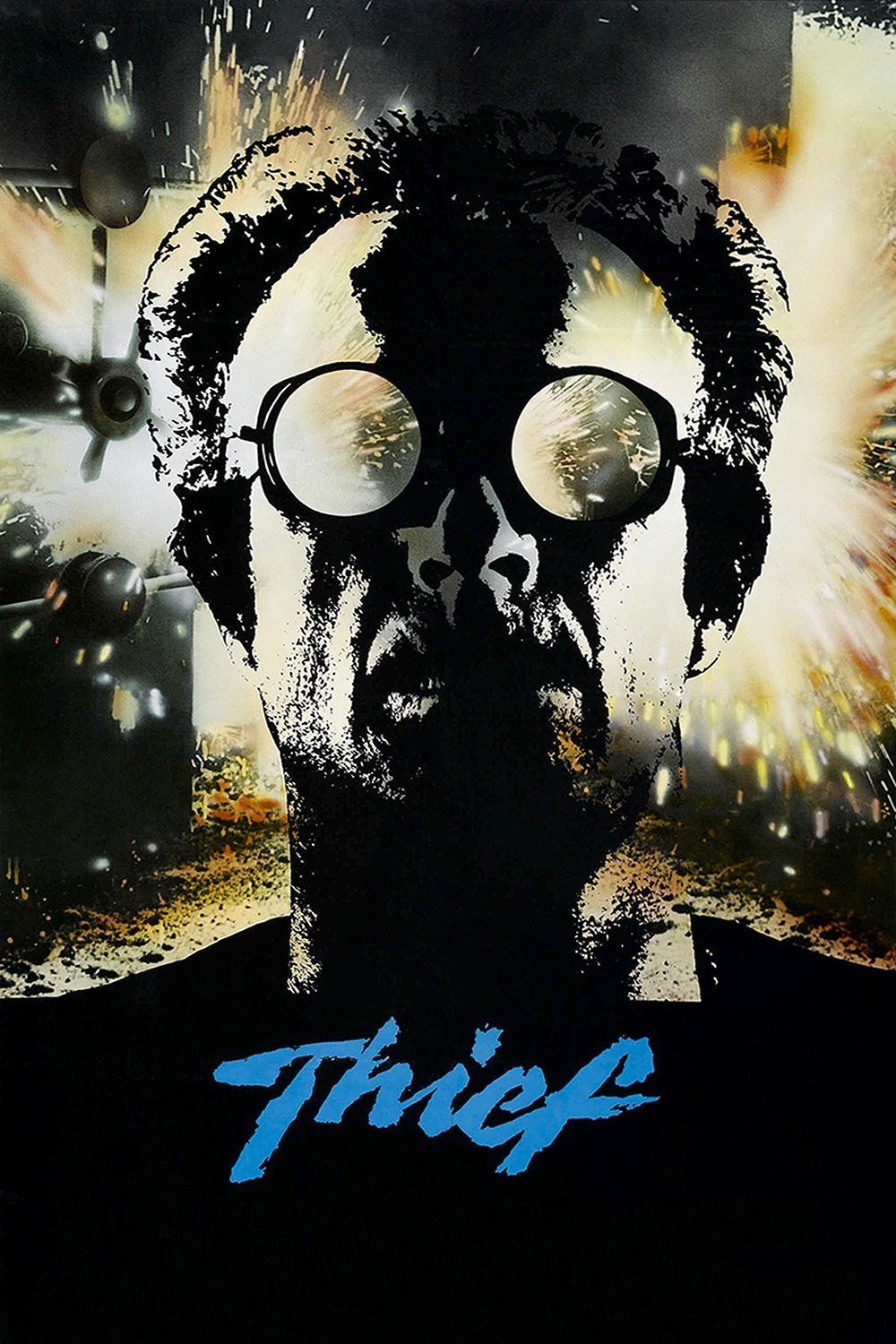
Dialogue; Tangerine Dream; Frank's collage; "I want a boy" exchange; film debuts; 1980 Caan and John Belushi in Chicago; Belushi's sideburns; Tuesday Weld; Mann's nihilistic ending
The dialogue: Mamet-influenced; per a Belushi video interview, Mann insisted the characters never speak in contractions because they are so precise; it never dumbs down the Chicago underworld lingo for criminals or cops, including the beating speech. — Chris Ryan
Tangerine Dream, fresh off Sorcerer and before Risky Business; with Vangelis and Faltermeyer they were the cool music of the early 80s. — Bill Simmons
Frank's collage of children, a car and a house he doesn't have, his jailed mentor Willie Nelson and 12 skulls; jokes about a personal collage of Sean that is now an NFT, and Mann inventing Pinterest. — Bill Simmons
Caan saying "I want a boy" and Prosky answering "Done"; the second meeting in the bar is a favorite conversation ("Wham-Bam Magic Sam"). — Sean Fennessey
A participant saw it in a Boston theater in 1981 at 11 or 12 with his dad and was puzzled by Jim Belushi, who looked like John Belushi, then still alive. — Bill Simmons
John Belushi visited the set, and the cast and crew hung out free all night at his Blues Brothers bar in Chicago; 1980 Caan and Belushi together must have produced stories. — Bill Simmons
Belushi's sideburns were fantastic. — Bill Simmons
Tuesday Weld: Wesley approved the take that Jessica Lange market-corrected her; she is terrific and perfect here, an Oscar nominee famous from Dobie Gillis who hasn't acted in 20 years, and, with a weak Best Supporting Actress category that year, could probably have nailed that down.
These films shortchange wife and girlfriend roles, but this one gives her a big scene to come off the bench and score 22. — Chris Ryan
Mann on the final decision, from the Ringer piece: having something makes Frank vulnerable, so the nihilistic act of destroying it returns his power. — Chris Ryan
A joke about deleting the feed after the last Mann movie, with Heat as the 500th episode alongside Tom Sizemore.
First pick: Caan going to the plating company to demand his $185,000 within three hours; it is the first time Farina is seen, and the eight horrified 1981 office workers are a highlight. — Bill Simmons
A joke that Chris used to enter the office the same way, moving the chair to see what was on the desk.
Willie Nelson's big prison scene is complicated but fascinating, an intense staring contest with the faces a foot apart; Mann seems to have few friends but insanely intense connections with the ones he has.
The Nelson scene is not obviously working at first but pays off with "I don't want to die in here, Frank"; his line readings are sometimes odd, but his open, empathetic face makes it work.
Willie Nelson on Frank's postcard collage is briefly puzzling on a rewatch until you remember he is Frank's best friend. — Chris Ryan
Praski's (Prosky's) first scene: his first movie at 51, dressed like a grandfather in a golf shirt tucked into pressed slacks. — Bill Simmons
Mann auditioned dozens of New York actors for Leo; Bruckheimer advised that the right person had not walked in the room yet, and Prosky, a theater actor, was found, leading to a That Guy career. — Bill Simmons
Peak Prosky is this role: an avuncular, warm, familial sensibility with pure evil right under the surface. — Sean Fennessey
The Natural is raised as close but too evil; later roles such as Last Action Hero and Mrs. Doubtfire made him the favorite uncle. — Sean Fennessey
Caan lays out what he won't steal: just diamonds and cash, no coin collections. — Bill Simmons
The diner monologue is the reason for the episode after it was caught while flipping channels and texted to Chris; it is called the best moment of Caan's career, better than any Godfather moment, laying out the character's spine in four minutes. — Bill Simmons
It is called a favorite first date in movie history: Caan is two hours late, they scream at each other on the drive, and he tells a woman he just met about his prison fight with Morphus. — Bill Simmons
Caan called it the scene he was most proud of; it was filmed at a Howard Johnson's in Illinois that Mann had a connection to, and the wide shot is Heat DNA, though Heat never shows the two men together. — Bill Simmons
An amazing piece of filmmaking; the underrated part is the car speech before the diner, two people who have looked at each other for eight months cutting out the games. — Sean Fennessey
Caan cracking the love affair like a safe ("cut the mini moves and the bullshit and get on with this big romance") while being impatient with the woman he plans to marry is hilarious. — Sean Fennessey
One-last-job movies raise the question of why not ask her out after the job; the woman complicating the last job is a Mann recurring thing. — Chris Ryan
Mann's top restaurants are ranked: diner, Chinese restaurant, Musso and Frank-style steakhouse, a close-booth place like Dan Tana's, and hibachi for the glimmering blades. — Chris Ryan
The Chinese-restaurant waiter gives a borderline Dion Waiters performance and is nicknamed David. — Bill Simmons
The elevator-shaft scene is weirdly harrowing and shows Mann's precision; it is liked more than the safe crack, though the opening keyhole-camera drilling sequence is great. — Sean Fennessey
A first-time viewer at home was riveted by the talking but hid behind an iPad during the drilling; Fincher's Panic Room is imagined as a response to Thief. — Sean Fennessey
Prosky lays down the law in an incredible monologue ("I run you", whacking out the whole family, wimpy burgers), shot upside down from Frank's POV, ending with Belushi dropped in acid. — Bill Simmons
Belushi's death scene could have used another minute of setup. — Bill Simmons
The ending is fun to watch but has issues: it hinges on Attaglia getting a glass of milk, Mann's written ending reunited Frank with Jessie, and seeing the girlfriend again would have been more satisfying.
Burning the postcard reads as Frank giving up the idea that he could be happy or emotionally available. — Chris Ryan
Biggest nit here: he should have gone back in the house and stolen things, though sparing Leo's wife is a purposeful choice by a man with a samurai code.
Mann repeatedly sends the wife packing, as in a two-part season-one Miami Vice episode and Heat's walk-away with Amy Brenneman in the car, which is called weird given the question of whether Mann himself hasn't been married to the same woman for about 50 years.
Cheadle is offered, then hedged as maybe in it too much. — Ryen Russillo
Guzman qualifies because he plays about eight minutes; his arrest and his prison-boyfriend thread are praised; "to me, it's Guzman." — Bill Simmons
A case is made for Catherine Keener's two scenes, crazy outfits and cigarette clamshell, but that speaker concludes 'I'm with you. I think it's Guzman'; Isaiah Washington gets a shout-out. — Bill Simmons
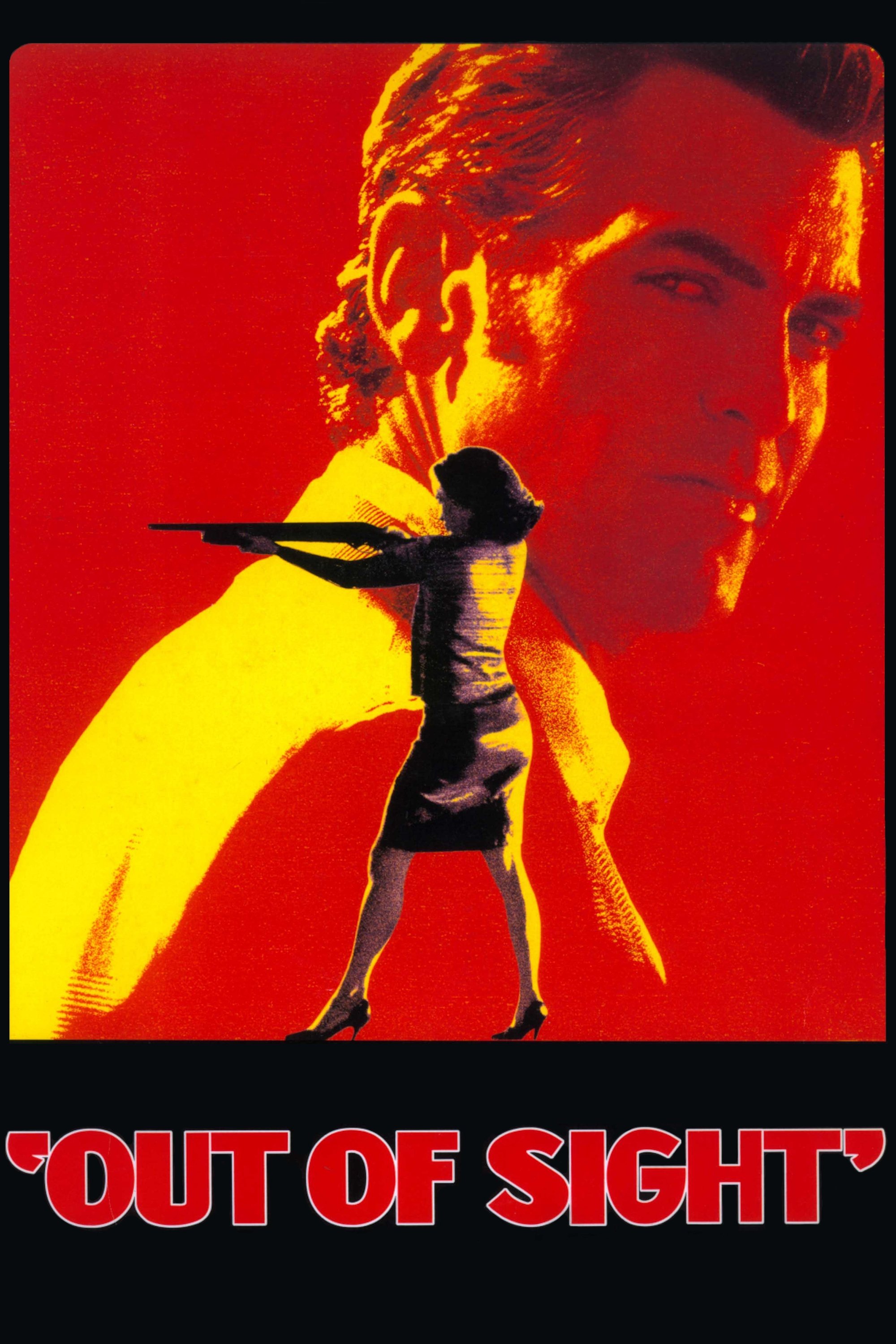
The opening bank robbery, 1990s Detroit with the Cronk Jim and Emmanuel Stewart, and the color changes have aged well. — Bill Simmons
Clooney's strategy of robbing banks without a gun is admired. — Bill Simmons
The Dennis Farina and Lopez scenes: as her father he adds color without cliche, is too important for the Joey Pants award, and immediately knew she was into the guy. — Bill Simmons
Great nicknames: Dick the Ripper for Albert Brooks's character and Snoopy the boxer, who hates the name. — Bill Simmons
Catherine Caner is great in a couple of scenes, part of a 1998-99 run of Out of Sight, Your Friends and Neighbors, 8mm and Being John Malkovich. — Bill Simmons
Ving Rhames's 93-98 run (Dave, Pulp Fiction, ER, Kiss of Death, Mission Impossible, Rosewood, Conair, Out of Sight) is called automatic and compared to Ray Allen; his later commercial voice work now takes one speaker out of some line readings.
Rhames can be really scary yet also Clooney's believable loyal best friend. — Bill Simmons
A speaker's father repeated the 'get medieval' line for about a year. — Ryen Russillo
The DJ David Holmes score is really good. — Bill Simmons
Clooney's line asking whether anyone has done one last big score and gone on to live the good life holds up; only Fast and Furious pulled that off. — Bill Simmons
Agreeing on the last-score line: even on the big score the crew is dumb, one robbing steaks and White Boy Bob tripping and shooting himself; Cheddar Bob is joked to be his younger brother. — Bill Lawrence
The trunk scene is introduced as the candidate that is going to win. — Bill Simmons
Snoopy's prison shakedown of Albert Brooks's Ripley, ending with the goldfish killing, is praised as an amazing four-minute scene with a beginning, middle and end. — Bill Simmons
The ending is loved for being so mean: Clooney's character gives Ripley a prison education in being a mark, and the price rises from two grand to three. — Ryen Russillo
Killing the fish is a signpost that the character is truly bad, like Dennis Freena threatening Charles Groden in Midnight Run, and it gives the movie jeopardy. — Bill Lawrence
The earlier kidney shank after a thrown fight felt like 'just prison'; only the goldfish made him the bad guy. — Bill Simmons
Albert Brooks plays the shakedown like a pawn-shop haggle, and the Bauschen Lom mispronunciation is great comedy.
Michael Keaton's one scene is a candidate that won't win; Tarantino allowed his Jackie Brown character in the movie as a crossover, and Lopez wears a Marino jersey. — Bill Simmons
A speaker who puts actors from earlier shows on the next one recalls a Cougar Town and Community crossover with Danny Poody working as an extra. — Bill Lawrence
Keaton reportedly took no money and liked that viewers might see the character as a real cop; Tarantino had to clear the cameo across two studios. — Bill Lawrence
Keaton's uncomfortable laugh when Dennis Farina confronts him only lands if you have seen Jackie Brown; it may be the only movie with two Batmen. — Bill Lawrence
Asked for a favorite crossover, the answer recalls a Facts of Life and Different Strokes connection. — Ryen Russillo
The favorite crossover offered is Coolidge from The White Shadow appearing as a janitor on St. Elsewhere and greeting Salami in an elevator. — Bill Simmons
Next candidate: the hotel bar scene, which cuts between the sex scene and its foreplay like Don't Look Now and ends with Clooney's "what if" speech, called as good as an actor's monologue gets. — Bill Simmons
Detroit glows in the background, and the uninteresting guys from New York City who hit on her set up Clooney as the hero. — Ryen Russillo
Parts come straight from the book; the lines are not written to show off, and the stranger-connection idea is relatable because people just keep walking. — Ryen Russillo
The scene is not awkward or uncomfortable, and on rewatch there is nothing in it that could not be shown in a PG movie, yet it is still one of the sexiest love scenes. — Ryen Russillo
Free-pass anecdote: the speaker's wife, Krista, named George Clooney as her free pass and was later found sitting beside him on the Warner Brothers lot, where the Drew Carey and ER stages were next to each other; she still finds this scene sexy. — Bill Lawrence
Bottle Rocket's hotel scene under the sheet is named a favorite sex scene for its restraint; a Requiem for a Dream answer is a joke. — Ryen Russillo
The aftermath, where Lopez's character walks out angry at Clooney out of shame, plays like an actual couple. — Bill Lawrence
The trunk is the famous scene, but the hotel bar chemistry between the two actors is rare. — Bill Simmons
Candidate: the ending at Albert Brooks's house with double staircases, White Boy Bob accidentally killing himself and Lopez debating whether to shoot Clooney, a very 90s 15-minute stretch. — Bill Simmons
Candidate: the Sam Jackson cameo and the realization of why she put them in the car together. — Bill Simmons
The trunk scene was shot 45 times but none of those takes were used because a test audience disliked one long take, so it was reshot. — Bill Simmons
One speaker thinks the hotel bar scene is better while the trunk is more important for its uniqueness, and personally goes with the hotel bar scene.
The trunk sets up the hotel bar by forcing a conversation that would never happen otherwise, so it is probably more important; the changing distance between the actors in the hotel bar shots is questioned as a trick or bad editing. — Ryen Russillo
Asked 'Bill, trunk or hotel bar?', the reply goes trunk, starting from Clooney emerging from the escape hole and the chaotic shootout seen from Lopez's point of view. — Bill Lawrence
The Three Days of the Condor exchange in the trunk becomes clever on rewatch, since she doubts a quick romance and then does it herself. — Bill Lawrence
Clooney's character misquotes Network, and she is annoyed but doesn't call it out because they just met. — Bill Simmons
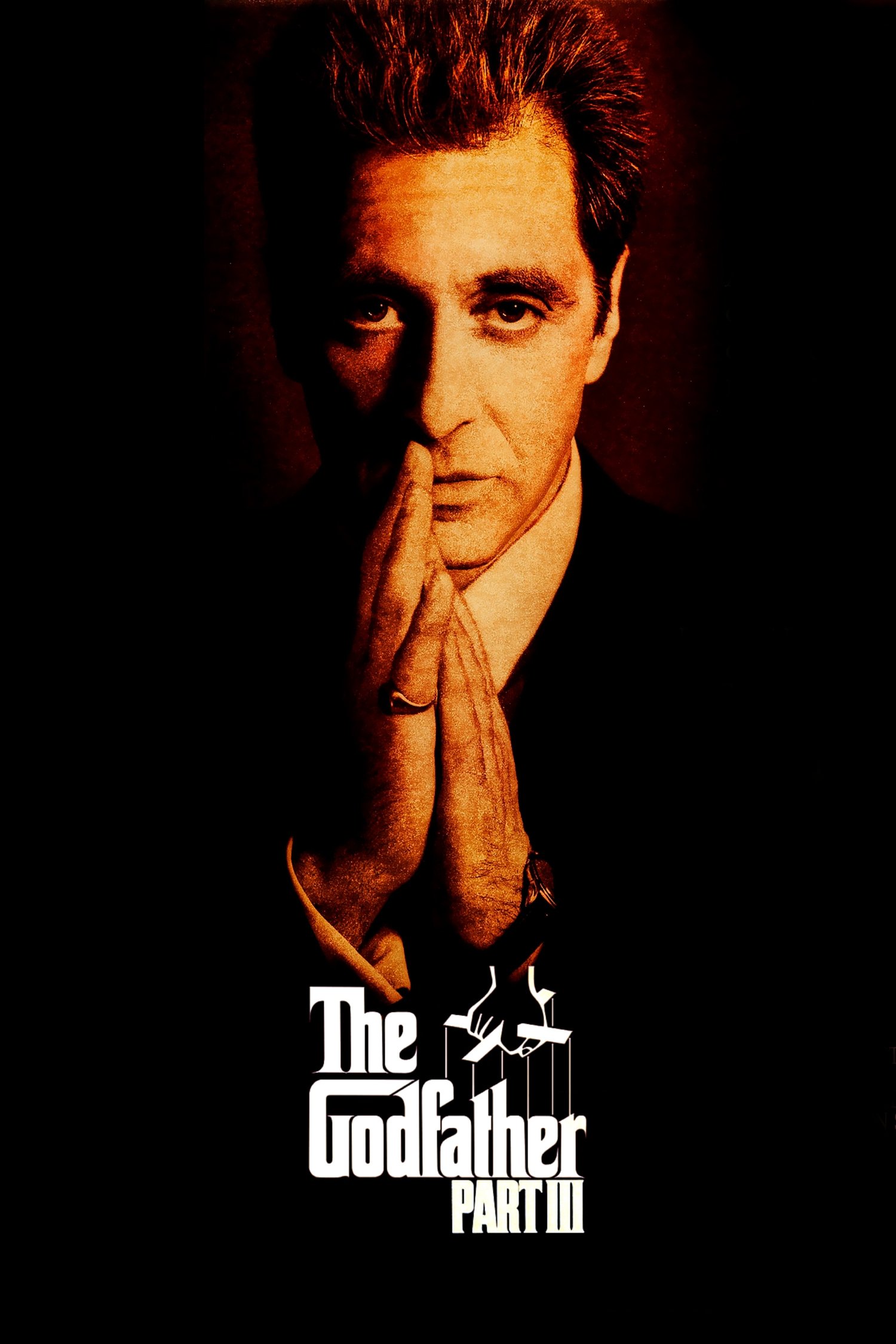
A replacement for Altobello would need an Italian-American actor of the era with Sinatra-like charisma; Paul Sorvino is unavailable because of Goodfellas. — Bill Simmons
Casting Wallach may echo the Lee Strasberg gamble, but it telegraphs the villain because he has played so many heavies.
The winner for Hamilton's part is William Hurt, called a no-brainer who looks like Duvall and could be Hagen's Harvard son as the new consigliere.
Recasting Hagen himself with Hurt is rejected as anti-recasting, and a Hagen son working for Michael is questioned given Michael's record. — Chris Ryan