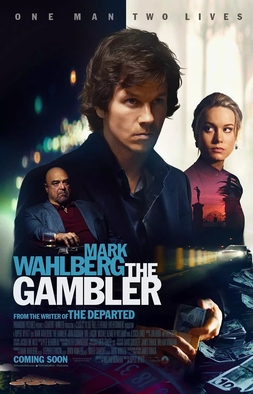
The romance between a fortyish professor and his twenty- or twenty-one-year-old student has aged poorly, including the ending run to her dorm. — Bill Simmons
Wahlberg’s long, wrapping hairstyle looks like a 1974 hockey player’s and distracts. — Bill Simmons
Emory Cohen’s Dexter divides opinion: the eccentric performance is criticized through a David Arquette comparison, but its oddness is also enjoyed. — Bill Simmons
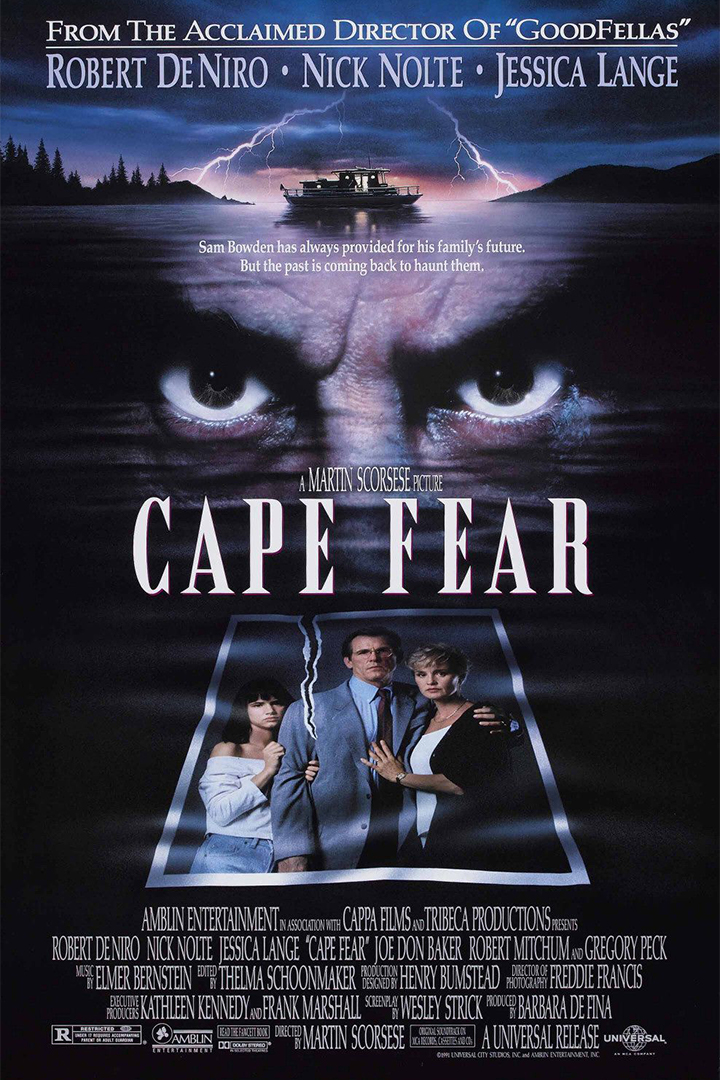
Jessica Lange’s tennis serve, clothing and conspicuous editing are unconvincing; doubles might have hidden the problem. — Bill Simmons
The broke college athlete belongs to the pre-NIL era; a modern prospect could receive collective money. — Bill Simmons
Lamar’s concealed knee problem seems implausible with modern sports medicine, and a major prospect would likely leave college earlier. — Bill Simmons
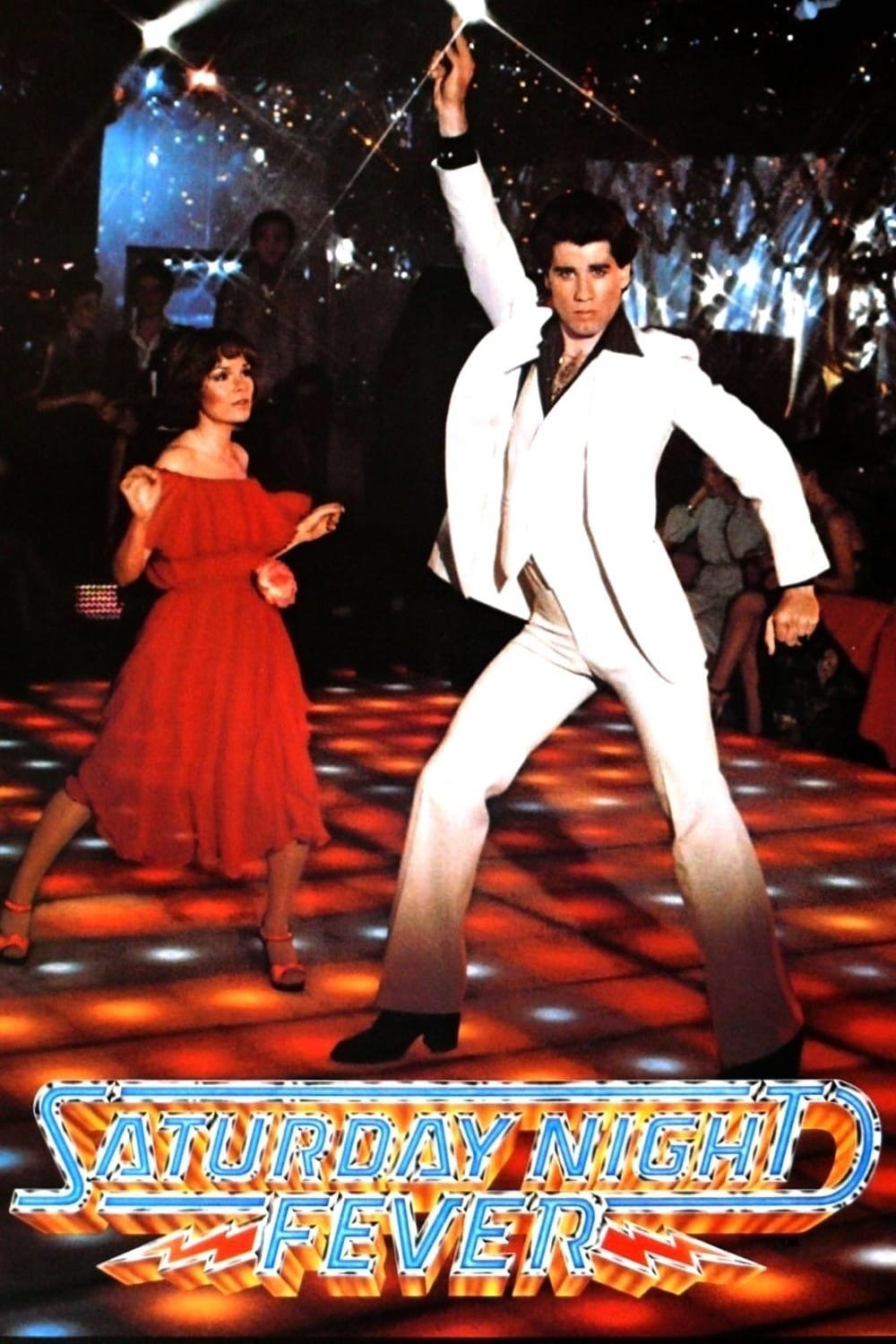
Redford or Hoffman are imagined in a 1970s version, but neither would supply Travolta’s particular lightness and finesse. — Wesley Morris
Travolta is imagined in Tom Hanks’s 1980s roles, Romancing the Stone, Beverly Hills Cop and Amadeus, praising his combined dancing and everyman abilities. — Wesley Morris
Purple Rain is jokingly floated and doubted, while Manhunter receives enthusiastic support as a hypothetical Travolta vehicle.
Travolta in No Way Out and Field of Dreams is imagined; Field of Dreams versus Bull Durham suitability is disputed, including whether he looks like a baseball player.
Travolta in Die Hard is enthusiastically supported; missing an action vehicle around 1986–1988 is considered a lost opportunity.
Nancy Allen is the recasting target despite admiration for Dressed to Kill and Carrie; repeated casting of a romantic partner is compared to Sondra Locke, while Allen is said to improve in the second half. — Bill Simmons
Lange is initially considered the only proposed actor suited to the character’s ditziness; Allen’s apparent dullness is defended as manipulation plus genuine hospital sedation.
Allen is defended through her attentive eyes in the bar scene; the alternatives might project too much intelligence and professionalism, including Lange’s light rather than ditzy Tootsie performance. — Wesley Morris
Sarandon remains a possible alternative, but Allen’s Bronx background makes her believable as Philadelphian in a way Lange may not. — Chris Ryan
Margot Kidder and Carrie Fisher are proposed then rejected as different or too smart; Allen’s lightness is defended as exactly right, while the desire for a new actress persists.
Harrison Ford is proposed as capable of the lead but acknowledged to produce a different performance. — Wesley Morris
Roy Scheider could make it work as a more 1970s film; Redford is doubted as too beautiful and insufficiently East Coast, while Pacino and Gere remain conceivable. — Wesley Morris
Stallone is jokingly the worst case because he would rewrite the material.
The invited producer agrees Allen works better by the end despite disliking her early performance. — Bill Simmons
Amy Irving is doubted because she was in Carrie with Travolta and was probably too famous; Carrie Fisher auditioned before Star Wars and would have been better than Gorney. — Bill Simmons
Accent matters most: Gorney's fake New York accent is unconvincing, illustrated by an impression of a Brooklyn aunt. — Jimmy Kimmel
Donna Pescow, from Brooklyn, had to bring her accent back; Paramount executives Eisner and Katzenberg thought her too pretty, so she gained about 10 pounds and auditioned six times. — Bill Simmons
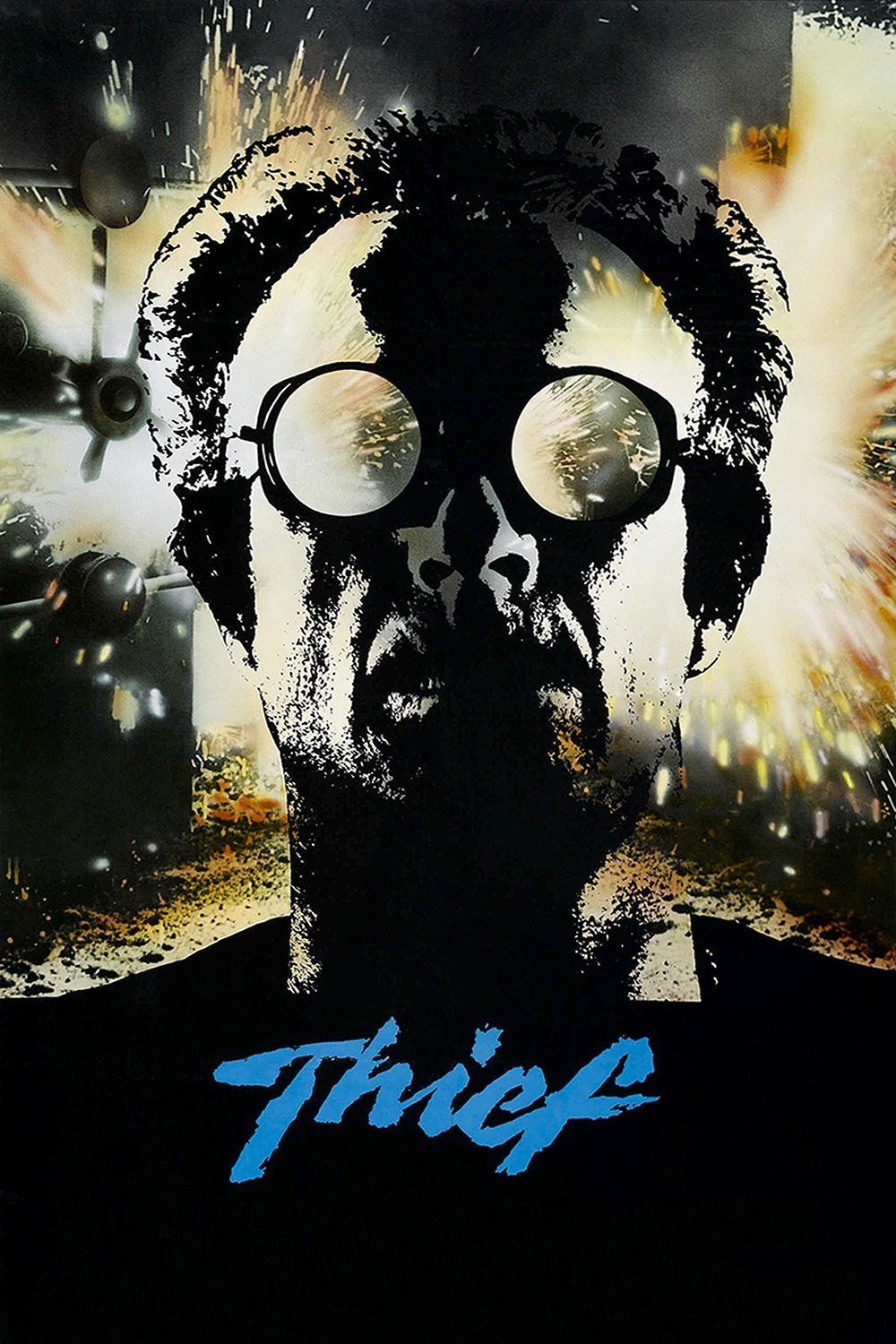
Real crooks and Gunsite training; Howard Johnson's booth; real burglary tools; water truck for wet streets; Green Mill's Capone booth; unused source book; Belushi's squibs; Tuesday Weld's Wikipedia
The actors hung out with real crooks, and Mann took Caan to the Gunsite firearms academy in Arizona, which is why his house raid looks realistic. — Bill Simmons
Per Alan Siegel's research, Mann took his future wife to that Howard Johnson's in 1971 and they talked all night in the booth used for the scene; they are still married 50 years later. — Bill Simmons
The burglary tools were real, and the actors were trained to use them. — Bill Simmons
A 60,000-gallon water truck kept the streets wet, a Mann staple he may have invented, though Scorsese did some of it in Taxi Driver. — Bill Simmons
Mann tells an anecdote about driving around looking at bridges and water before he was a filmmaker; the urban landscape colliding with nature, rain and neon are his signatures, as in Collateral. — Sean Fennessey
The Green Mill jazz club in Uptown was an Al Capone hangout, and the scene was shot in Capone's booth, where he could see the whole club. — Bill Simmons
The film is based on a book that was optioned, but Mann did not really use it. — Bill Simmons
Belushi begged to do his own death scene and absorbed dozens of squib shots. — Bill Simmons
Dialogue; Tangerine Dream; Frank's collage; "I want a boy" exchange; film debuts; 1980 Caan and John Belushi in Chicago; Belushi's sideburns; Tuesday Weld; Mann's nihilistic ending
The dialogue: Mamet-influenced; per a Belushi video interview, Mann insisted the characters never speak in contractions because they are so precise; it never dumbs down the Chicago underworld lingo for criminals or cops, including the beating speech. — Chris Ryan
Tangerine Dream, fresh off Sorcerer and before Risky Business; with Vangelis and Faltermeyer they were the cool music of the early 80s. — Bill Simmons
Frank's collage of children, a car and a house he doesn't have, his jailed mentor Willie Nelson and 12 skulls; jokes about a personal collage of Sean that is now an NFT, and Mann inventing Pinterest. — Bill Simmons
Caan saying "I want a boy" and Prosky answering "Done"; the second meeting in the bar is a favorite conversation ("Wham-Bam Magic Sam"). — Sean Fennessey
A participant saw it in a Boston theater in 1981 at 11 or 12 with his dad and was puzzled by Jim Belushi, who looked like John Belushi, then still alive. — Bill Simmons
John Belushi visited the set, and the cast and crew hung out free all night at his Blues Brothers bar in Chicago; 1980 Caan and Belushi together must have produced stories. — Bill Simmons
Belushi's sideburns were fantastic. — Bill Simmons
Tuesday Weld: Wesley approved the take that Jessica Lange market-corrected her; she is terrific and perfect here, an Oscar nominee famous from Dobie Gillis who hasn't acted in 20 years, and, with a weak Best Supporting Actress category that year, could probably have nailed that down.
These films shortchange wife and girlfriend roles, but this one gives her a big scene to come off the bench and score 22. — Chris Ryan
Mann on the final decision, from the Ringer piece: having something makes Frank vulnerable, so the nihilistic act of destroying it returns his power. — Chris Ryan
A joke about deleting the feed after the last Mann movie, with Heat as the 500th episode alongside Tom Sizemore.