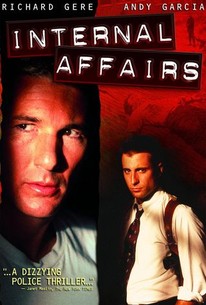
Additional names include Allan Havey, Marco Rodriguez, Ron Vawter, the white-haired lieutenant, the gallery assistant and the cousin at the bar; several role identities remain unresolved in the discussion.
The middle hour is praised as the film's strongest stretch; the first nominated scene is Raymond meeting Dennis at the taco stand. — Bill Simmons
Dennis turns Raymond's insinuation about Penny into an intimate attack on his own marriage, blurring manipulation with apparent friendly advice.
Dennis's speech that all wives seek something new is a memorable part of the taco-stand encounter. — Bill Simmons
The taco-stand scene reveals Peck's real nature after earlier scenes present him as a helpful father figure to colleagues.
Dennis meets the Arrocas, fondles the wife while the husband asks him to kill his parents, and converts the secret into leverage; John Kapelos's awkwardness is praised.
The second Dennis–Raymond encounter deliberately provokes punches with explicit sexual taunts. The first encounter is considered subtler and harder to perform.
The camera pulls back during Van's phone call to reveal Penny having sex with Dennis, a shocking and sad reveal.
Dennis arranges Van's shooting, kills the shooter and finishes Van as he pleads to return to his child; the initially abusive man becomes sympathetic.
The later shootout and chase are solid additional action scenes.
Raymond's jealousy after Dennis's lunch with his wife leads to the elevator ambush and brutal sexual taunts.
Final preferences divide between the first restaurant encounter and the jealousy-to-elevator sequence, whose sudden danger resembles horror. — Chris Ryan
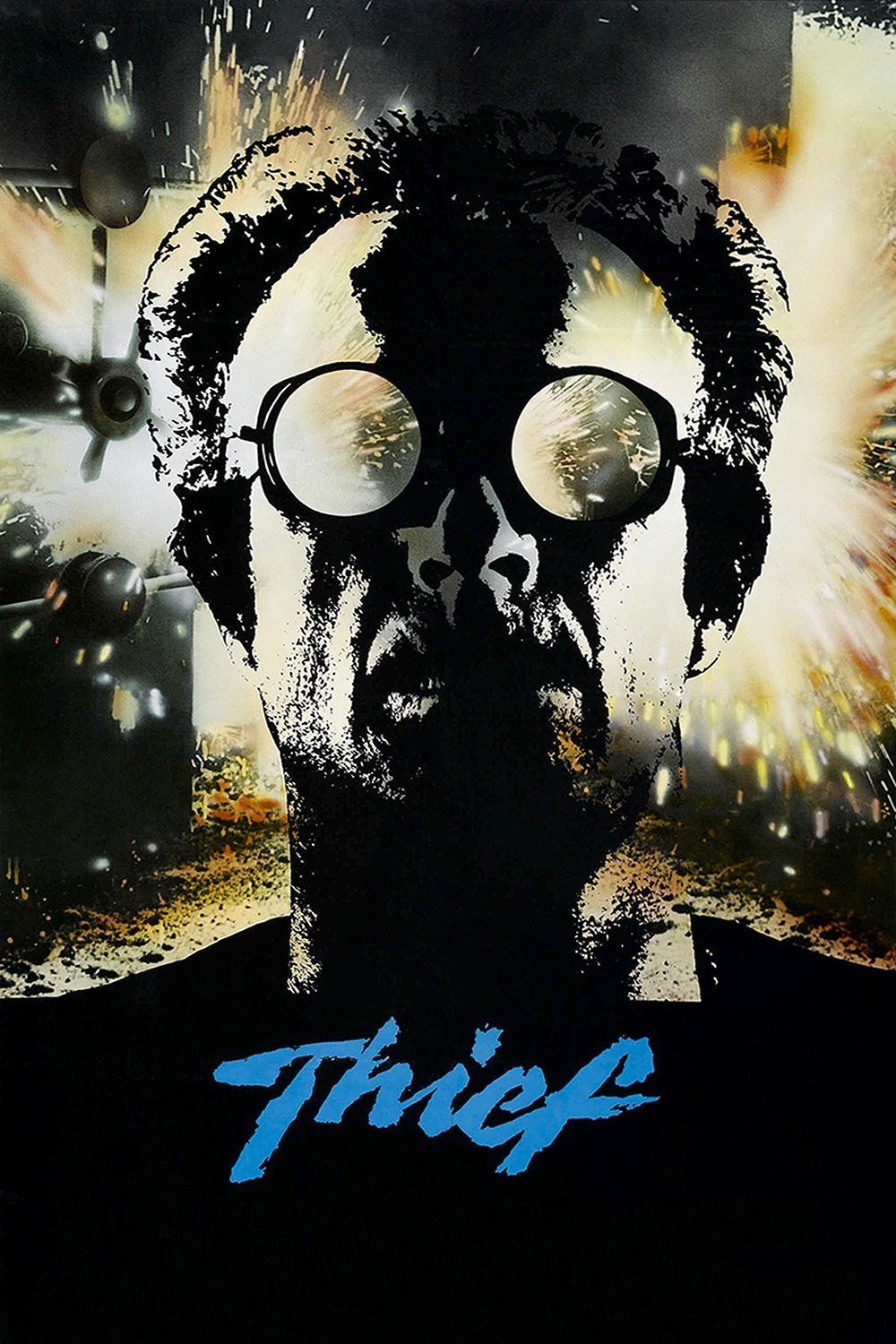
Dialogue; Tangerine Dream; Frank's collage; "I want a boy" exchange; film debuts; 1980 Caan and John Belushi in Chicago; Belushi's sideburns; Tuesday Weld; Mann's nihilistic ending
The dialogue: Mamet-influenced; per a Belushi video interview, Mann insisted the characters never speak in contractions because they are so precise; it never dumbs down the Chicago underworld lingo for criminals or cops, including the beating speech. — Chris Ryan
Tangerine Dream, fresh off Sorcerer and before Risky Business; with Vangelis and Faltermeyer they were the cool music of the early 80s. — Bill Simmons
Frank's collage of children, a car and a house he doesn't have, his jailed mentor Willie Nelson and 12 skulls; jokes about a personal collage of Sean that is now an NFT, and Mann inventing Pinterest. — Bill Simmons
Caan saying "I want a boy" and Prosky answering "Done"; the second meeting in the bar is a favorite conversation ("Wham-Bam Magic Sam"). — Sean Fennessey
A participant saw it in a Boston theater in 1981 at 11 or 12 with his dad and was puzzled by Jim Belushi, who looked like John Belushi, then still alive. — Bill Simmons
John Belushi visited the set, and the cast and crew hung out free all night at his Blues Brothers bar in Chicago; 1980 Caan and Belushi together must have produced stories. — Bill Simmons
Belushi's sideburns were fantastic. — Bill Simmons
Tuesday Weld: Wesley approved the take that Jessica Lange market-corrected her; she is terrific and perfect here, an Oscar nominee famous from Dobie Gillis who hasn't acted in 20 years, and, with a weak Best Supporting Actress category that year, could probably have nailed that down.
These films shortchange wife and girlfriend roles, but this one gives her a big scene to come off the bench and score 22. — Chris Ryan
Mann on the final decision, from the Ringer piece: having something makes Frank vulnerable, so the nihilistic act of destroying it returns his power. — Chris Ryan
A joke about deleting the feed after the last Mann movie, with Heat as the 500th episode alongside Tom Sizemore.