
Film credit
Roy Scheider
Stats
- Episodes featuring their films
- 3
- Movies in this archive
- 3
Rewatchables episodes featuring Roy Scheider’s films

Mentioned in discussions


Who Won the Movie?
Roy Scheider; Universal; Jeannot Szwarc
In the discussion (2)
- Two explicit Roy Scheider choices; Universal is a separate choice.
- Jeannot Szwarc is defended for rescuing the production, while others dismiss his subsequent career impact.
Podcast choices
- Speaker not identified
- Roy Scheider
- Speaker not identified
- Roy Scheider
- Speaker not identified
- Universal
- Speaker not identified
- Jeannot Szwarc

The Sean Penn “I Brought My Own Pack” Award for Excellence in On-Screen Smoking
Roy Scheider’s breakfast cigarettes
Flex pick · Chris Ryan
In the discussion (1)
- Scheider’s three cigarettes with coffee before breakfast are elite on-screen smoking. — Chris Ryan


Picking Nits
The exposition drive, Szell’s Diamond District visit and disguise, farmhouse detour, Jaws marquee, and Hoffman’s running form
In the discussion (6)
- Janeway telling Babe the entire Szell story during a circular drive is questioned, though defended as a confidence-building interrogation tactic.
- Szell personally visiting the Diamond District before retrieving the diamonds is questioned.
- Szell’s minimal disguise is criticized.
- The drive to the farmhouse is questioned again. — Bill Simmons
- A Jaws marquee visible behind Hoffman is said to break the Roy Scheider fiction. — Bill Simmons
- Hoffman’s running stride and marathon pacing are criticized as lurching and inefficient. — Bill Simmons

What’s Aged the Worst?
Cuts to Doc’s action, the farmhouse, childhood flashbacks, stalking, discarded diamonds, the dated Nazi premise, Babe’s apartment, and Scheider’s missed stardom
In the discussion (7)
- Cutting Doc’s extended fight and reducing the violence while retaining the farmhouse sequence is criticized. — Bill Simmons
- The repeated childhood flashbacks are called unnecessary beyond establishing the father’s suicide. — Chris Ryan
- Following a woman home to initiate a date is criticized as dated. — Bill Simmons
- Babe refusing to keep the diamonds or cash is strongly criticized. — Bill Simmons
- The premise of active original Nazi criminals is said to have aged out of contemporary plausibility. — Bill Simmons
- Babe’s sweaty, poorly ventilated apartment is imagined as smelling terrible. — Chris Ryan
- Roy Scheider’s 1970s filmography is preferred to Hoffman’s, while his later aging and limited stardom are lamented. — Bill Simmons

What’s Aged the Best?
Location photography, conspiracy-thriller construction, early death, dentistry horror, reversals, deposit boxes, running skills, Steadicam use, and Devane
In the discussion (11)
- Authentic New York and Paris location shooting is praised. — Chris Ryan
- Doc’s death staging outside the modernist building is praised. — Chris Ryan
- Knowing the conspiracy makes Elsa’s surveillance and other clues more rewarding on rewatch. — Chris Ryan
- Roy Scheider dying earlier than expected is praised as an effective star misdirection. — Bill Simmons
- The film’s use of dentistry as torture remains potent. — Chris Ryan
- Janeway’s apparent rescue of Babe becoming another interrogation is praised as a plot reversal. — Chris Ryan
- Movie scenes involving safety-deposit boxes are called reliably watchable. — Bill Simmons
- Babe’s highway-ramp jump is praised despite its physical improbability. — Bill Simmons
- Babe’s marathon training paying off during his escape is praised. — Bill Simmons
- The film is credited as an early Steadicam production and the first such movie released. — Bill Simmons
- William Devane’s 1976–77 run and his performance are praised. — Bill Simmons

Half-Assed Internet Research
Stewart’s experience; medals; actor isolation; training; fight double; locations; motorcycle; ending; ring; Winger contract
In the discussion (13)
- The screenplay reportedly draws on Douglas Day Stewart's officer-candidate experience, including a real Paula he dated but did not marry; this is credited for the setting's specificity. — Bill Simmons
- Foley’s decorations are listed as the Vietnam Service Medal, Republic of Vietnam Campaign Medal, Gallantry Cross unit citation, Bronze Star, Purple Heart, Presidential Unit Citation, and a final item transcribed as “Combat Actionary” (unresolved). Their extensive detail is appreciated without requiring the film to explain each one. — Bill Simmons
- Hackford reportedly housed Gossett twenty miles away to keep him apart from the other actors. — Bill Simmons
- Lisa Eilbacher reportedly found it frustrating to pretend to struggle on the obstacle course because she was in excellent physical condition.
- Gere reportedly mastered the karate while Gossett struggled, accidentally kicked him in the groin, and a trained stand-in was used during Gossett's two-day absence. — Bill Simmons
- Foley putting Mayo's dollar in the right rather than prescribed left pocket is interpreted as a small deliberate rebuke. — Bill Simmons
- The Tides Inn is identified as the motel location. — Bill Simmons
- The hangar is reportedly now the 1,200-seat McCurdy Pavilion. — Bill Simmons
- Mayo’s motorcycle is identified as a Triumph Bonneville. — Bill Simmons
- Gere reportedly disliked the ending until factory workers became emotional during rehearsal. — Bill Simmons
- Stewart’s listed credits include The Boy in the Plastic Bubble, The Blue Lagoon, this film, Thief of Hearts, and Listen to Me. Thief of Hearts is praised for a burglar using a stolen diary to become a woman’s dream man; Listen to Me is recalled as a debate movie with Kirk Cameron, Jami Gertz, Roy Scheider, and Amanda Peterson. — Bill Simmons
- Keith reportedly swallowed a ring attached to string so it could be retrieved. — Chris Ryan
- Winger reportedly negotiated without an agent and omitted a nudity clause, leaving her surprised by a more explicit rewritten sex scene. — Chris Ryan

Casting What-Ifs
Oliver Reed and William Holden were possibilities; Charlton Heston reportedly received an offer.
In the discussion (3)
- Oliver Reed and William Holden were possibilities; Charlton Heston reportedly received an offer. — Bill Simmons
- Heston reportedly declined because of the European winter and concerns about exploitation. — Bill Simmons
- Roy Scheider is proposed as a good alternative. — Bill Simmons
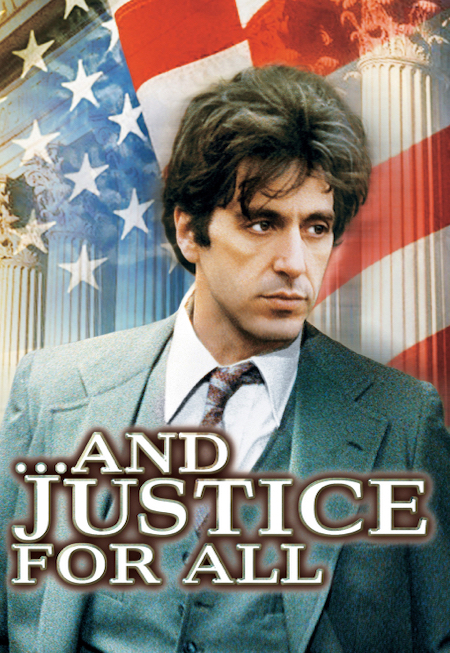
Half-Assed Internet Research
Awards; budget and gross; Baltimore filming; rehearsals; armed judge; coffee cake; courtroom research
In the discussion (7)
- The original-screenplay nominees were this film, The China Syndrome, Manhattan, All That Jazz and winner Breaking Away; the winner is respected but a retrospective result is uncertain. — Bill Simmons
- The actor field pairs Pacino with Jack Lemmon, Roy Scheider, Peter Sellers and winner Dustin Hoffman, with Scheider considered a likely winner in most other years. — Bill Simmons
- The film reportedly cost $4 million and earned $33 million. — Wesley Morris
- The production is reported to have filmed entirely in Baltimore; the claim of 26 performances of the final speech is corrected to 26 rehearsals.
- Jewison’s commentary reportedly attributes the gun-firing judge to a real Texas judge. — Bill Simmons
- The coffee-cake scene reportedly required 26 takes and made Warden vomit from overeating. — Bill Simmons
- Levinson’s courtroom research emphasized misleading first impressions and the distinction between truth and justice; the theme is connected to Homicide: Life on the Street. — Bill Simmons

Recasting Couch
Keep Allen disputed; Sarandon, Winger, Close, Lange, Kidder and Fisher proposed
In the discussion (17)
- Redford or Hoffman are imagined in a 1970s version, but neither would supply Travolta’s particular lightness and finesse. — Wesley Morris
- Travolta is imagined in Tom Hanks’s 1980s roles, Romancing the Stone, Beverly Hills Cop and Amadeus, praising his combined dancing and everyman abilities. — Wesley Morris
- Purple Rain is jokingly floated and doubted, while Manhunter receives enthusiastic support as a hypothetical Travolta vehicle.
- Gere is imagined in Urban Cowboy’s Scott Glenn role but not Travolta’s lead. — Wesley Morris
- Travolta in No Way Out and Field of Dreams is imagined; Field of Dreams versus Bull Durham suitability is disputed, including whether he looks like a baseball player.
- Travolta in Die Hard is enthusiastically supported; missing an action vehicle around 1986–1988 is considered a lost opportunity.
- Travolta is imagined as Danny in Prince of the City.
- Nancy Allen is the recasting target despite admiration for Dressed to Kill and Carrie; repeated casting of a romantic partner is compared to Sondra Locke, while Allen is said to improve in the second half. — Bill Simmons
- Susan Sarandon, Debra Winger, a young Glenn Close and Jessica Lange are proposed for more star power. — Bill Simmons
- Lange is initially considered the only proposed actor suited to the character’s ditziness; Allen’s apparent dullness is defended as manipulation plus genuine hospital sedation.
- Allen is defended through her attentive eyes in the bar scene; the alternatives might project too much intelligence and professionalism, including Lange’s light rather than ditzy Tootsie performance. — Wesley Morris
- Sarandon remains a possible alternative, but Allen’s Bronx background makes her believable as Philadelphian in a way Lange may not. — Chris Ryan
- Margot Kidder and Carrie Fisher are proposed then rejected as different or too smart; Allen’s lightness is defended as exactly right, while the desire for a new actress persists.
- Harrison Ford is proposed as capable of the lead but acknowledged to produce a different performance. — Wesley Morris
- Roy Scheider could make it work as a more 1970s film; Redford is doubted as too beautiful and insufficiently East Coast, while Pacino and Gere remain conceivable. — Wesley Morris
- Stallone is jokingly the worst case because he would rewrite the material.
- The invited producer agrees Allen works better by the end despite disliking her early performance. — Bill Simmons
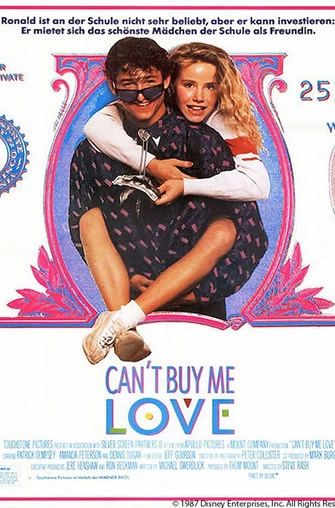
Half-Assed Internet Research
Peterson career; finances; production; dance; cars; reunions; music
In the discussion (17)
- Peterson followed the film with the one-season A Year in the Life. — Bill Simmons
- Listen to Me with Kirk Cameron and Roy Scheider was considered a poor next film for Peterson. — Bill Simmons
- The discussion reports her parents’ account of a sexual assault during her teenage television work and its lasting harm; subsequent struggles are treated as a tragic story. — Bill Simmons
- An initial denial that Peterson died from overdose is explicitly corrected to accidental overdose; her acting credits are said to end in 1994. — Bill Simmons
- The stated gross is$31.6 million against a reported$1.7 million budget, though the independently made film’s budget is acknowledged as uncertain. — Bill Simmons
- Dempsey reportedly still receives requests to perform the dance. — Juliet Litman
- The actor playing Kenneth is recalled as Malachi in Children of the Corn and as reuniting with Dempsey in Sweet Home Alabama. — Bill Simmons
- Gains reportedly said the studio wanted the house accusation removed as too edgy, but the producers defended it. — Bill Simmons
- Paula Abdul choreographed the film. — Bill Simmons
- Striking crew members reportedly can be seen picketing during cheerleader scenes. — Bill Simmons
- Dempsey reportedly spent his salary on a 1963 Porsche 356 convertible that remains meaningful to him. — Bill Simmons
- The airplane graveyard is located outside Davis-Monthan Air Force Base in Tucson. — Bill Simmons
- Dempsey and Green reunited in a two-episode Grey’s Anatomy story. — Bill Simmons
- Darcy DeMoss was reportedly 23, eight years older than Peterson. — Bill Simmons
- The project went through TriStar turnaround to Apollo Pictures, was independently made, then sold to Disney for$6 million; it is described as Disney’s second licensed film. — Bill Simmons
- Chuck Lorre wrote a song heard in the car. — Juliet Litman
- The production reportedly compensated the school with a football field and stage; whether cash would have been better is debated. — Juliet Litman
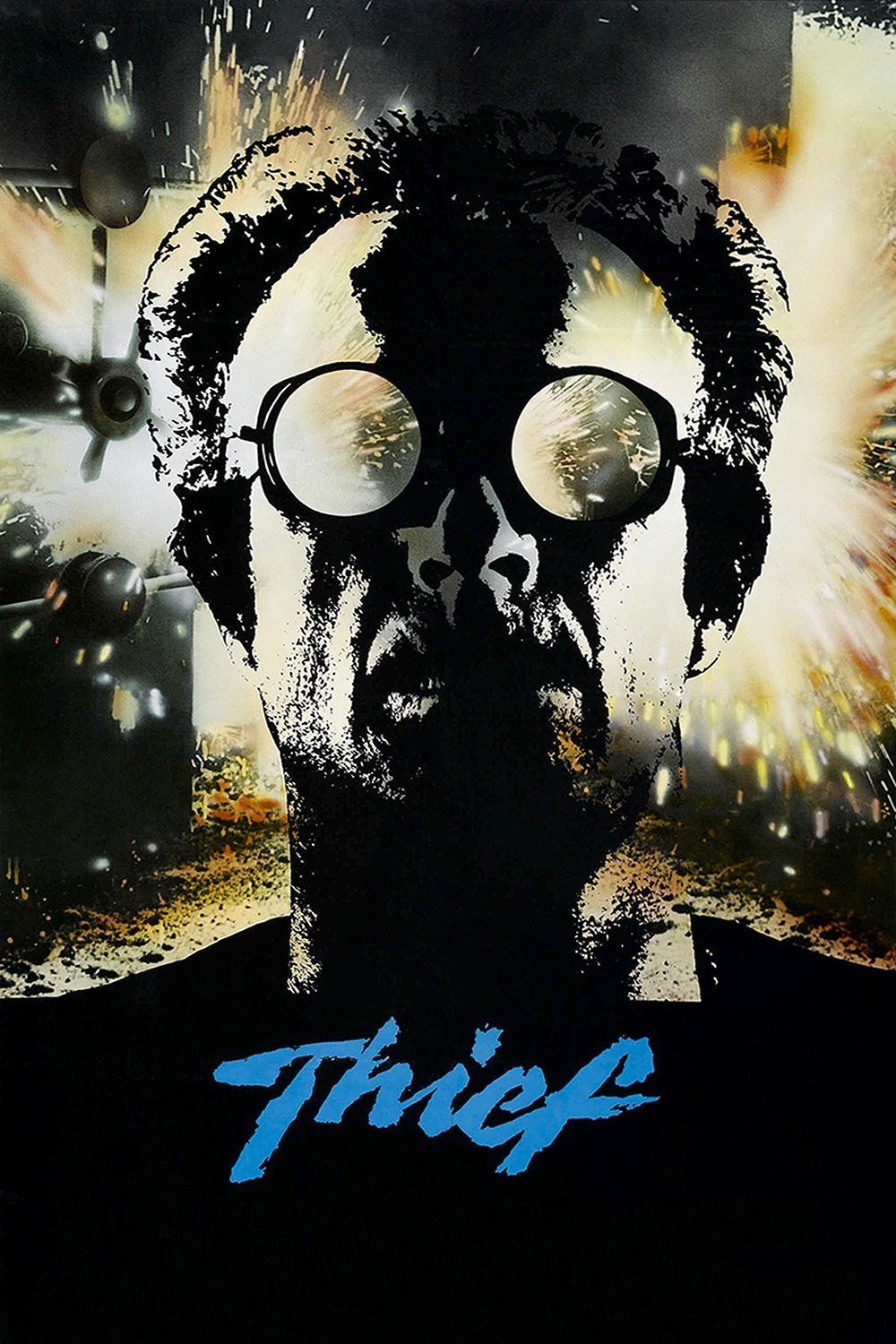
In the discussion (4)
- Jeff Bridges was Mann's choice for Frank but the studio rejected him as too young and not experienced enough to be a hardened criminal; he is judged too sweet and not tough enough. — Bill Simmons
- Gene Hackman and Roy Scheider were reportedly considered; Hackman is too close to past roles, while Scheider would have been an all-in choice. — Bill Simmons
- Mann originally planned a Chicago blues score but switched to Tangerine Dream for more pulse, returning to blues and jazz in Collateral's Miles Davis scene. — Bill Simmons
- The original title was Violent Streets, judged too on the nose.
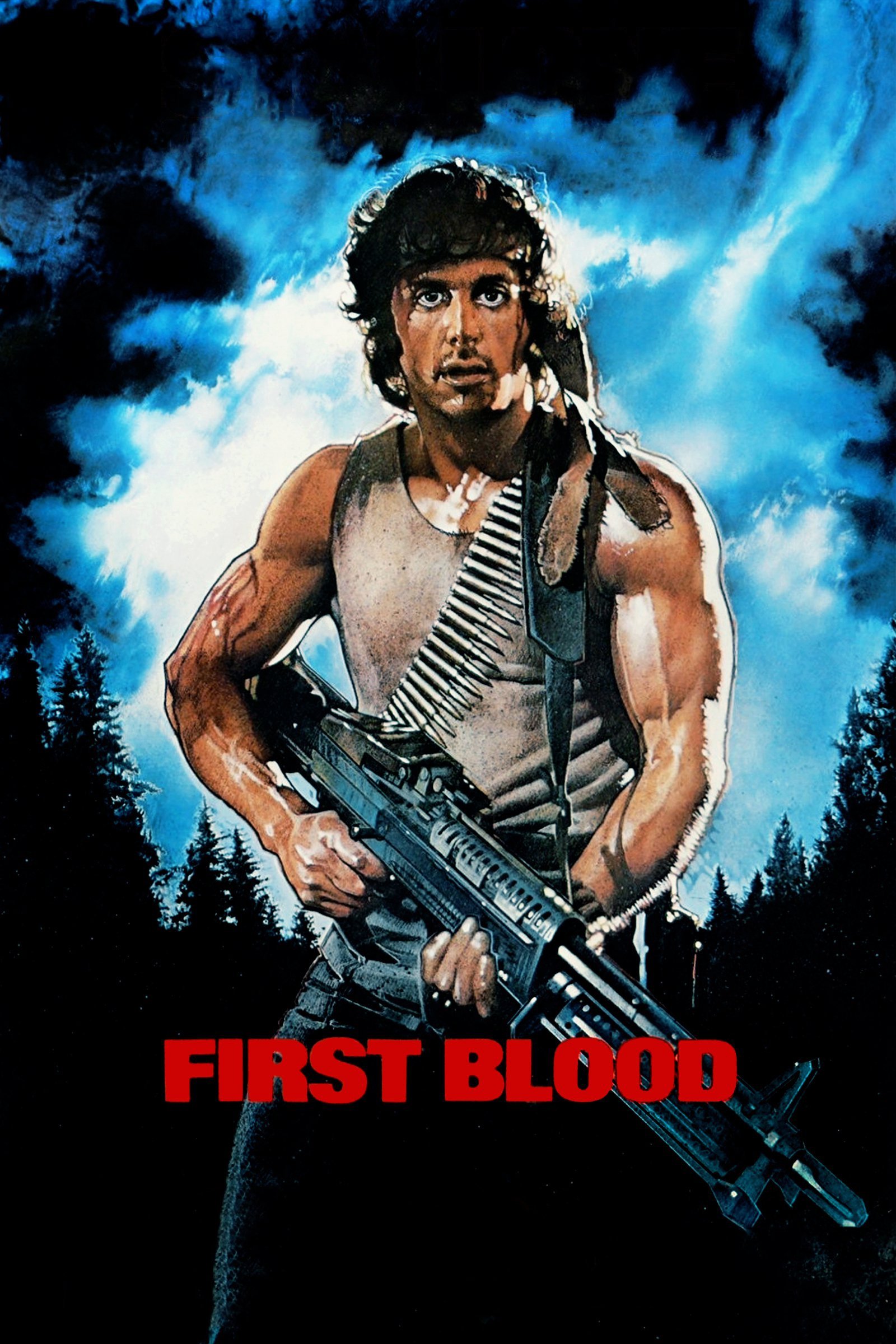
In the discussion (3)
- Roy Scheider is floated for Crenna's part, countered that he would be more intense. — Bill Simmons
- James Garner is proposed for a light comic touch. — Brian Koppelman
- William Devane from the Marathon Man era could have done it too. — Bill Simmons

