
Film credit
Dennis Farina
Also referred to as Farina, Farine, Dennis Friedman
Stats
- Episodes featuring their films
- 5
- Movies in this archive
- 6
Rewatchables episodes featuring Dennis Farina’s films
Mentioned in discussions


Casting What-Ifs
Russell Crowe as Vincent; Adam Sandler as Max and Edward Norton in either lead (uncertain); Val Kilmer as Fanning
In the discussion (5)
- Mimi Leder and Janusz Kamiński were attached before Crowe’s interest brought Mann to the project; Spike Lee, Scorsese, and Spielberg were also approached. — Bill Simmons
- Crowe would make a different but exciting Vincent, while Sandler would make the movie funnier but might prevent viewers from accepting Max. — Bill Simmons
- Edward Norton was reportedly offered both leads, Colin Farrell Vincent, and Cuba Gooding Jr. Max. — Bill Simmons
- Val Kilmer withdrew from Fanning because of Alexander, leaving the hosts imagining his facial-hair choices and 80-take phone scene. — Bill Simmons
- Dennis Farina was the original Bruce McGill possibility. — Bill Simmons

Recasting Couch
David Caruso as Mr. Orange; James Gandolfini as Nice Guy Eddie or Joe Cabot; Dennis Farina as Joe Cabot; William Petersen as Mr. Blonde; Daniel Day-Lewis as Mr. Orange or Joe Cabot
In the discussion (5)
- A new category that might stick around: recast any key role in the movie with an actor you like, as long as it makes sense for 1992.
- He sprang the recasting category on the others without warning. — Bill Simmons
- Caruso could have been Mr. Orange because of that hair; Gandolfini as Nice Guy Eddie instead of Chris Penn, or as Joe Cabot given his physical bearing, is called a great pick; Schwarzenegger as Mr. Pink is a joke.
- Dennis Farina as Joe would be awesome, a little older but realistic as Eddie's father, and his reaction to Buscemi getting mad about being Mr. Pink would lift the scene to another level.
- William Peterson (as transcribed), 'Bill Pete', as Mr. Blonde is called really good; Daniel Day Lewis as Mr. Orange would bring in a different Brit Pack, or Oldman; DDL as Joe Cabot gaining seventy pounds and shaving his head draws a Lincoln impression.

In the discussion (4)
- Grodin is a yes from both with no debate.
- De Niro is complicated and this is not his apex but a high step toward it; candidates for his real apex are Taxi Driver, Raging Bull coming off Godfather 2, and Goodfellas, with a Marvin's Room joke; one host personally calls Midnight Run his favorite De Niro peak but then argues Goodfellas, where the anticipation of De Niro in a Scorsese mob movie as Jimmy Conway made the credibility the hook, as the arguable apex, so the lean does not stand as a pick.
- Dennis Farina is a yes; John Ashton is not, since Beverly Hills Cop 2, where his divorce is a running joke for Judge Reinhold, beats Midnight Run.
- Joey Pants is a yes: he is great in Memento and The Matrix, but this is the favorite and his apex because this is where he becomes Joey Pants, running to the restaurant or reporting that Marvin has the Duke.

In the discussion (6)
- There may never have been more candidates, with Heat the only comparison; the field is Dennis Farina as Serrano, John Ashton, Yafet Kodo (as transcribed), Joe Pantoliano and Philip Baker Hall as Farina's lawyer.
- John Ashton, Marvin here and Rosewood's partner in Beverly Hills Cop, with Cop 2 one of the great heat checks, would win going away in any other movie; it is a mystery why he never had a bigger career or a Fox cop drama, since he could easily have been the Dennis Franz character in NYPD Blue.
- Yafet Kodo (as transcribed), the FBI agent whose identity De Niro steals, is in maybe fifteen minutes yet hits seven threes on presence alone, and carried it over to network TV.
- Joe Pantoliano, who has his own award on the show, was in the stretch where he stopped being that guy, after Risky Business, Running Scared and Eddie and the Cruisers, and became Joe Pantoliano here, dyed hair and all; by the strict letter of the Dion Waiters law one host gives it to Pantoliano for making the most of his opportunity.
- The other host goes Farina, who is in about five scenes, all filmed in Vegas because he was doing Crime Story, and is completely over the top in a baggy gray-and-black sweater; they agree to disagree, and his threats about the pencil, the cream soda and burying the telephone in his lawyer Sydney's head are recited.
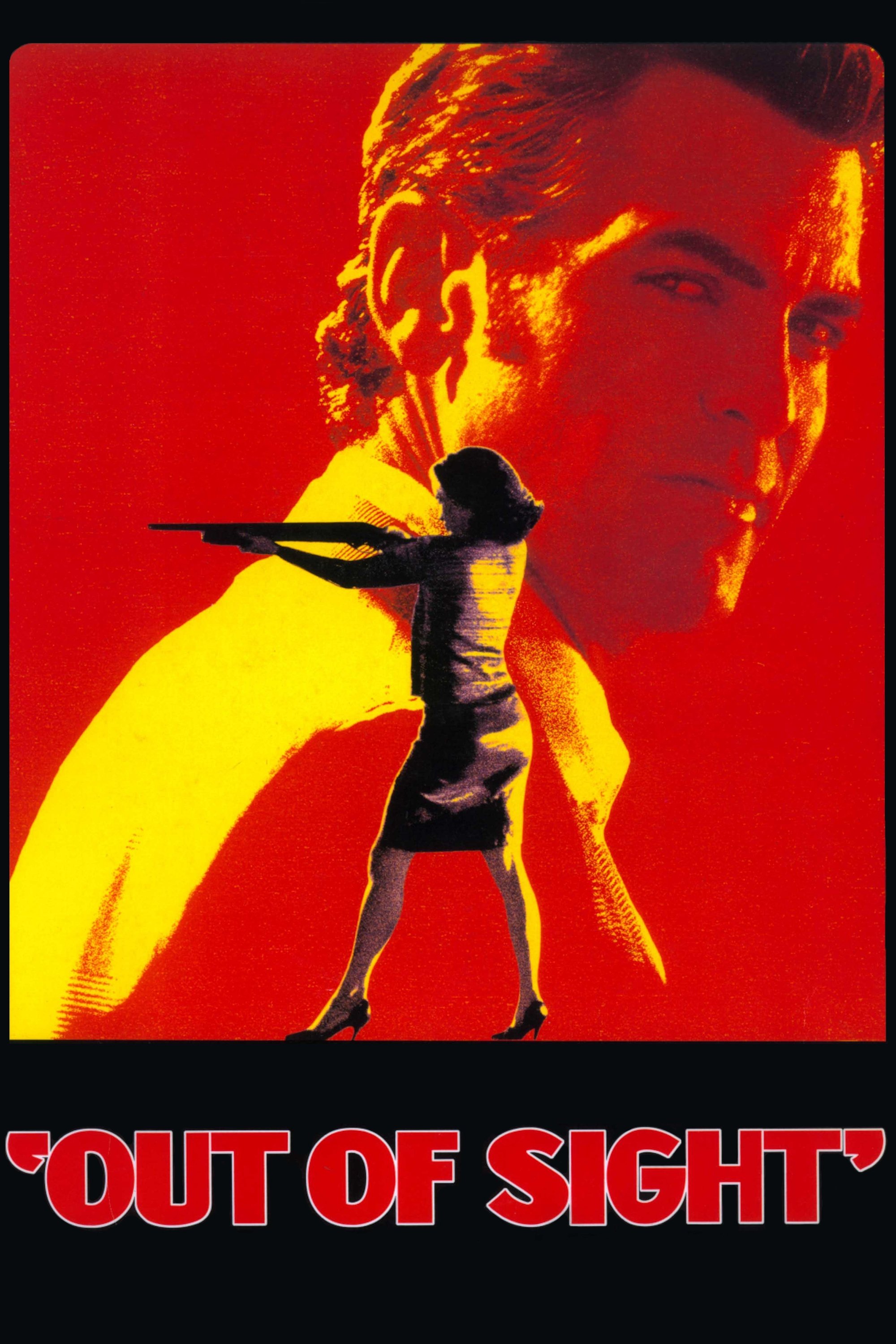
- Farina's best work is argued over: his mob boss Lombard in the first Miami Vice season, which led to Crime Story and typecasting as cop or mob boss after eighteen real years as a Chicago cop; Manhunter as Will Petersen's boss (preferred over the Bronx Tale performance of the actor transcribed as 'Chaz Pimentary'); and Out of Sight as Jennifer Lopez's father.

Casting What-Ifs
Paramount lined up Harrison Ford as Jack Walsh and Chevy Chase as the Duke; Chase had a conflict and Ford dropped out; De Niro came aboard only after being turned down for Big; Albert Brooks turned down the Duke; Paramount wanted Cher, then Robin Williams, as the Duke; Brest insisted on Grodin and Paramount sold the film to Universal; Ron Perlman, Dennis Hopper, Harvey Keitel, Ray Liotta and Alec Baldwin were considered for Serrano
In the discussion (8)
- Called a pantheon casting what-if: Paramount obtained the script and lined up Harrison Ford as Jack Walsh and Chevy Chase as the Duke around 1986-87, post-Fletch, which would have been a pretty good backup movie, although Ford, basically in his Blade Runner outfit, might be too handsome and has rarely been heard cursing that much; Chase had a conflict with Funny Farm and another film, and Ford dropped out.
- De Niro opted in only after being turned down for Big; Albert Brooks was then offered the Duke and turned it down, which would also have been incredible, since Brooks and Grodin could have swapped parts for fifteen years and Brooks probably wins head to head.
- Paramount then decided Cher should play the Duke, which is unimaginable, during a brief three-year peak of Cher as a top-tier actress; the research came from a piece written five years earlier, with a shout-out to Alan Seppinwall (as transcribed) as one of the few listeners.
- Paramount pushed for Robin Williams, who wanted to audition, the same year as Good Morning Vietnam; Brest refused and wanted Charles Grodin, so Paramount sold the rights to Universal with Grodin and De Niro attached, and Universal had a major success.
- Better or worse with 1988 Robin Williams: a sliding-doors note that doing it before or after Good Morning Vietnam might have affected Dead Poets Society; one view is that Williams would have done bits throughout and turned it into a comedy, while Grodin's measured, deadpan complaining plays perfectly off De Niro; the counter is a mellow Garp or Dead Poets Williams could have done it, and the endless takes might have driven him to become Robin Williams anyway.
- Williams is judged the better actor but Grodin played it better; Williams only grew into his body by Good Will Hunting and was still slight in the eighties, so nobody but Grodin can be pictured in the part, with Grodin the safer pick though Williams playing it correctly would have been great; a crude aside recalls an anatomical revelation from the HBO Williams documentary.
- The only other what-if is Jimmy Serrano, played by the late Dennis Farina: Ron Perlman, Dennis Hopper, Harvey Keitel, Ray Liotta and Alec Baldwin were all considered; late-eighties Baldwin would have been interesting, Liotta a little too young, and nobody could be better than Farina.
- Earlier aside: De Niro wanted the lead in Big to show a lighter side, the studio said no and went to Tom Hanks, who was nominated, while De Niro settled for Midnight Run and was not; which was the better career choice is left open, but De Niro as Josh Baskin, a thirteen-year-old at the piano with Robert Loggia, would have been creepy, so the studio made the right move.

What’s Aged the Best?
The unexpectedly poignant moments and Danny Elfman's score
In the discussion (8)
- The chemistry between De Niro and Grodin has aged best, even though De Niro reportedly did not like Grodin much, stayed in character through take after take, and Grodin, probably playing close to himself, kept trying to annoy him; that kind of two-guy chemistry is rarer than you would think.
- A list of best two-guy movie chemistry: Travolta and Sam Jackson in Pulp Fiction, Gibson and Danny Glover, Chris Tucker and Jackie Chan, Redford and Newman in The Sting and Butch, Eddie Murphy and Nolte in 48 Hours, with The Rock and Kevin Hart, Farrell and Riley in Step Brothers, Melissa McCarthy and Sandra Bullock, and Bill Murray and Harold Ramis added; it gets rarer this century because movies are usually driven by one person.
- There are 119 f-bombs in the movie though it feels like 280, especially in the last call to Eddie; the phone call where Farina has Moron Number One put Moron Number Two on while the other guy shadow-boxes the one on the phone is too short to be a rewatchable scene but slays.
- McCarran Airport, the saddest place on earth when everyone is leaving Vegas, has not changed since 1988 and makes you want to shout that Serrano has the discs; Grand Central Market in downtown LA still looks much the same, though you could not take a payphone call from a restaurant there now.
- Danny Elfman's score (transcribed once as 'Danny Offen's') is like the Bus Boys from 48 Hours doing a soundtrack, one of the best ever despite some people disliking it: it slows down and kicks back in at the right places and sounds like Steely Dan's backing band vamping before Becker and Fagan (as transcribed) walk on; anyone anti-soundtrack is called a moron.
- 'Looks like I'm walking' is one of the better last lines of any movie covered, especially since walking out of LAX is no fun; the visit to the daughter is one of the favorite De Niro scenes: awkward, he has nothing to ask her beyond what grade she is in, she offers him money as he leaves and he cannot take it, and then he holds the door of his wife's station wagon so Grodin's coat does not get caught, every beat graded A plus.
- The weird sentimental moments may be what has aged best, with several unexpectedly poignant beats including the ending; a tangent on the greatest De Niro scenes names the Godfather 2 killing, moments in Cape Fear, the Goodfellas slow-motion smoking shot at the bar, nearly every scene in Heat including the diner, and many in Deer Hunter and Taxi Driver, while Raging Bull is now a tough, one-and-out watch.
- Asked at the end what was said for what aged best, the recap is the poignant moments and Danny Elfman's music; the chemistry, the last line, the unchanged settings and the profanity were raised along the way.

Most Rewatchable Scene
The boxcar scene
In the discussion (3)
- Every scene is called rewatchable, so a few are thrown out: the counterfeit-twenties con in the bar (the 'litmus configuration' test), Jack visiting his daughter, the coffee-shop scene with the chorizo and the 53-cent coffee where the Duke needles Jack about Serrano, the boxcar scene, and the late chase where Jack loses the Duke, stops the car under the helicopters and says he has come too far.
- The boxcar is the pick for both: it is where the two finally break down and become real friends, a cathartic release after the car chase through the desert, apparently mostly improvised, and a lived-in, funny, genuine scene between two great actors; any scene with Farina or Pantoliano is a rewind, but the boxcar is the rewatchable one.
- The setup as recounted: the Duke slips into a boxcar thinking he has escaped, Jack comes around the other side and, furious, announces he is not talking for the rest of the trip; the director then told Grodin to loosen De Niro up, De Niro was too wound up to crack, and Grodin finally landed it with a crude teasing question about the farm animals on the reservation, which leads to the exchange about the watch; the clip is played and it is called the best scene in the movie.
Films in the archive

Code of Silence
1985



Manhunter
1986

Midnight Run
1988
Out of Sight
1998
Saving Private Ryan
1998
Thief
1981