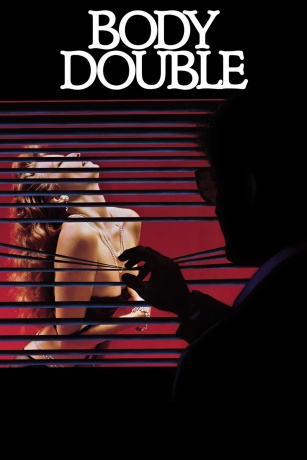
The tactile analog equipment and manual labor are cherished; an iPhone-era version would be easier and less singular, though De Palma might still find an expressive visual method. — Chris Ryan
Travolta at the end of his first star era is praised, especially his relaxed, believable station-bar flirting while Sally does her makeup. — Chris Ryan
Movie characters who are world-class at unusual jobs remain a favorite. — Chris Ryan
The era when threatening to go on local television carried weight is nostalgically praised. — Bill Simmons
Early 1980s Philadelphia, its recognizable locations and geographically honest cuts are praised; the city dictates the action rather than being rearranged to suit it.
Early Dennis Franz is praised, including his unmistakable Chicago quality and connection to Dressed to Kill. — Chris Ryan
High-quality film stock supports the extensive night photography. — Chris Ryan
De Palma’s fake films within films are celebrated, including Body Double’s music-video and pornography crossover. — Bill Simmons
The cop’s instruction to save paranoia for public television is enjoyed. — Chris Ryan
The dubbing-session performer’s knowing smile while pulling another woman’s hair is praised as a quintessentially perverse directorial moment. — Chris Ryan
The craft team is praised: Sylbert’s run Heaven Can Wait, Hardcore, Kramer vs. Kramer and Blow Out, and Hirsch’s The Fury, Empire Strikes Back, Blow Out and Creepshow illustrate remarkable consecutive work. — Chris Ryan
The consuming belief in political conspiracy is considered newly relevant to online conspiracy culture. — Sean Fennessey
The filmmaking and split screens are praised; the slow-motion owl still produces a visceral shock. — Wesley Morris
The award goes to Franz, with a joke that Pacino studied this performance before playing Vincent Hanna. — Bill Simmons
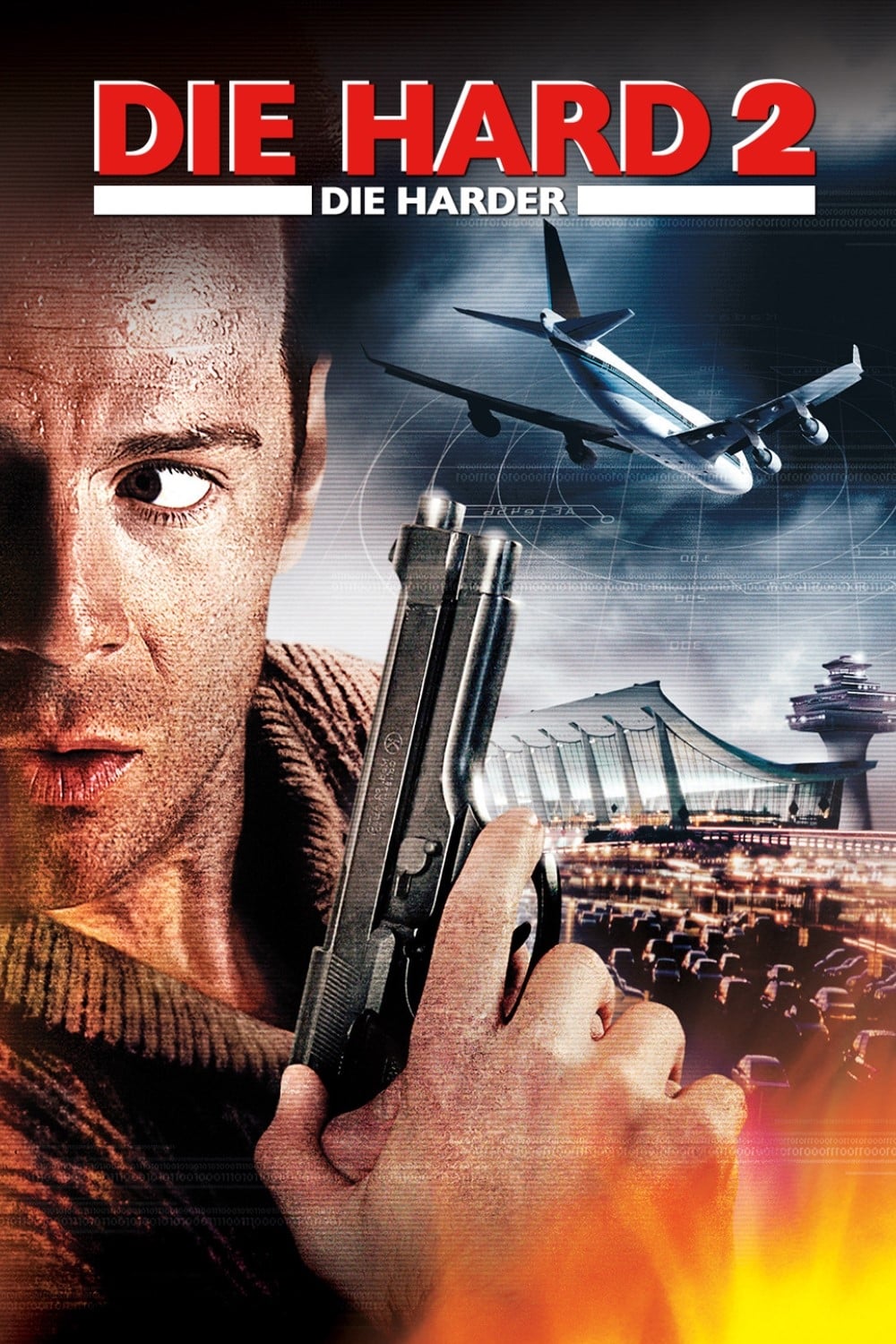
Franz plays the most obviously Chicago cop imaginable as the Dulles airport police chief, prompting speculation about a backstory; his little-pond rant about Shriners, lost kids and a reindeer is quoted.
D.C. accents are discussed: a Baltimore accent is detectable but Washington is full of transplants.
Naked tai chi; the That Guy ensemble; "I taught him everything he knows"; the profane reporter brush-off; "How can the same shit happen to the same guy twice?"; airports at Christmas
The line about having taught the villain everything he knows is a favorite action trope, spun into a First Blood-style bit about a rogue colleague turned terrorist. — Bill Simmons
A reporter asking a colonel (transcribed "Colonel Stewart") for a few words and getting a two-word profane brush-off as he walks past her is chosen and jokingly recommended for office use. — Bill Simmons
The line about the same thing happening to the same guy twice is praised for self-awareness and noted as sampled in Positive K's I Got a Man. — Sean Fennessey
Airports at Christmas are chosen for the chaotic, nostalgic vibe of parkas and drinking before flights, though the same behavior also counts as aged worst. — Chris Ryan
McClane leaving his car at the curb, drinking and spotting trouble across the terminal is contrasted with a real traveler watching a Bulls game with a bet on it. — Bill Simmons
John Ashton, Marvin here and Rosewood's partner in Beverly Hills Cop, with Cop 2 one of the great heat checks, would win going away in any other movie; it is a mystery why he never had a bigger career or a Fox cop drama, since he could easily have been the Dennis Franz character in NYPD Blue.
Yafet Kodo (as transcribed), the FBI agent whose identity De Niro steals, is in maybe fifteen minutes yet hits seven threes on presence alone, and carried it over to network TV.
Joe Pantoliano, who has his own award on the show, was in the stretch where he stopped being that guy, after Risky Business, Running Scared and Eddie and the Cruisers, and became Joe Pantoliano here, dyed hair and all; by the strict letter of the Dion Waiters law one host gives it to Pantoliano for making the most of his opportunity.
The other host goes Farina, who is in about five scenes, all filmed in Vegas because he was doing Crime Story, and is completely over the top in a baggy gray-and-black sweater; they agree to disagree, and his threats about the pencil, the cream soda and burying the telephone in his lawyer Sydney's head are recited.
Farina's best work is argued over: his mob boss Lombard in the first Miami Vice season, which led to Crime Story and typecasting as cop or mob boss after eighteen real years as a Chicago cop; Manhunter as Will Petersen's boss (preferred over the Bronx Tale performance of the actor transcribed as 'Chaz Pimentary'); and Out of Sight as Jennifer Lopez's father.