Film credit
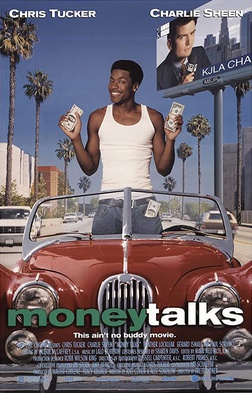
Paul Sorvino
Also referred to as Sorvino
Stats
- Episodes featuring their films
- 3
- Movies in this archive
- 4
Rewatchables episodes featuring Paul Sorvino’s films
Mentioned in discussions
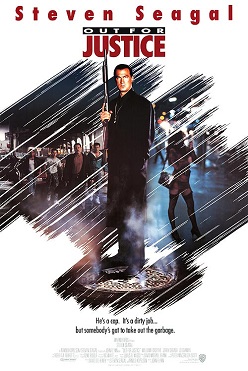

Recasting Couch
Annabella Sciorra or Mia Sara as Gino’s wife; Paul Sorvino as the mob boss
In the discussion (3)
- Annabella Sciorra is proposed for Gino's wife. — Bill Simmons
- Mia Sara is preferred as an age-matched Brooklyn-born alternative. — Kyle Brandt
- Paul Sorvino is proposed for the crime-family leader. — Bill Simmons


Apex Mountain
S&M leather scene in movies
In the discussion (7)
- Pacino is rejected for Apex here. — Wesley Morris
- Sorvino is rejected for Apex here. — Wesley Morris
- Remar is rejected for Apex here. — Wesley Morris
- Friedkin is rejected for Apex here. — Wesley Morris
- Karen Allen is rejected for Apex here. — Wesley Morris
- Crisco, nasal spray or poppers, and handkerchiefs are floated without a resolved affirmative choice.
- The S&M leather scene in movies receives an affirmative Apex judgment; Pulp Fiction’s gimp is considered a more problematic, decontextualized later portrayal. — Wesley Morris

The Stephen A. Smith Hottest Take Award
Captain cannot play pool; Burns lacks appeal; ideal Cruise vehicle
In the discussion (3)
- Sorvino’s captain is terrible at pool, repeatedly hitting clusters rather than playing coherently, undermining confidence in him. — Chris Ryan
- Burns is considered too tired, unhealthy, scared and unappealing to attract these men; they seem to respond to Pacino’s celebrity rather than the character. — Wesley Morris
- Cruising is proposed as an ideal Tom Cruise vehicle, initially around 1993 but with 1999’s Eyes Wide Shut-era curiosity preferred over Jerry Maguire-era Cruise.

Most Rewatchable Scene
Pacino dancing; ending also favored
In the discussion (18)
- The ambiguous mirror ending and return to the harbor are admired, including the possibility of continuing murders; the editing problems may have helped create its ambiguity. — Bill Simmons
- The assignment scene is praised for Burns readily volunteering rather than resisting, with promotion seeming secondary; the captain opens by bluntly asking about sexual experience with men. — Wesley Morris
- The dancing sequence is praised as an unusually uninhibited Pacino moment, interpreted as release and a metaphorical sexual experience rather than mere undercover work. — Wesley Morris
- The precinct-night rejection is admired for the irony of an actual undercover cop failing to look or act sufficiently like a fetishized cop. — Wesley Morris
- Sorvino’s briefing is a scene candidate, using victim photographs that resemble Burns to explain the undercover assignment.
- The first gay-bar visit and Burns’s tour of the Ramrod and Wolf’s Den establish how fully the film enters this world.
- Powers Boothe explaining the hanky code is a favorite; Burns promises to think about it and returns with a yellow hanky before being told watching is insufficient.
- Burns lifting weights after the hanky-code encounter is interpreted as going beyond a purely undercover commitment. — Bill Simmons
- The dressmaker murder sequence, including the cinema trip, is praised as a miniature Hitchcock film. — Chris Ryan
- Burns telling the captain he cannot handle what is happening is a favorite; the captain’s indifference highlights the lack of concern for him as a person.
- The yearbook identification of Stuart is enjoyed as hands-on mystery solving. — Bill Simmons
- Burns tailing Stuart and confronting him at the park benches is praised as an old-fashioned showdown, despite possible police misconduct. — Bill Simmons
- The ending with Karen Allen wearing the clothes is admired for leaving the next encounter unknowable; Burns hearing club music during sex suggests mental distance from his girlfriend. — Wesley Morris
- The interrogation is considered terrifying and bracing rather than rewatchable or camp.
- The nearly naked cowboy-hatted enforcer is interpreted as an S&M embodiment used by police to abuse and coerce suspects. — Wesley Morris
- Burns asking why he was hit is a favorite non-dancing Pacino reaction, destabilizing what undercover realism means. — Chris Ryan
- Dancing receives repeated final selections, while another preference favors the showdown through hospital and especially the ending. — Bill Simmons
- The final shaving and residual cream are interpreted as concealment and a sexual visual metaphor, with agreement on that reading. — Wesley Morris

Apex Mountain
Martin Scorsese, gangster movies, the 1990 Scorsese–De Palma rivalry, the Copacabana sequence, gangster names, razor-bladed garlic, the Lufthansa heist, Joe Pesci’s 1989–95 run, pistol-whipping, mobster wigs, prison tomato sauce, Ray Liotta, Lorraine Bracco, “fucko,” and Pittsburgh drug dealers
In the discussion (17)
- Scorsese is selected at his artistic apex, with The Departed raised as a later juice-based alternative.
- Goodfellas is called a capstone for gangster movies before the form moved to television.
- The Scorsese–De Palma rivalry is placed at its apex around November 1990. — Sean Fennessey
- The Goodfellas Copacabana sequence is favored over Barry Manilow’s song for the name “Copacabana.” — Bill Simmons
- Movie-gangster names are called an unquestionable apex. — Bill Simmons
- De Niro’s apex is debated between his late-1970s/early-1980s run and 1990-era juice. — Bill Simmons
- Razor-blading garlic is called a one-of-one apex.
- Goodfellas is treated as the apex for the Lufthansa heist.
- Joe Pesci is placed in an apex run spanning Lethal Weapon 2 through Casino.
- “It is what it is” from The Irishman is favored among mob murder-code justifications. — Bill Simmons
- The film is selected as an apex for pistol-whipping on film.
- Mobster wigs and prison tomato sauce receive affirmative apex rulings. — Bill Simmons
- Ray Liotta and Lorraine Bracco receive affirmative apex rulings. — Bill Simmons
- Paul Sorvino’s apex remains unresolved against his long career. — Bill Simmons
- Henny Youngman is rejected, while the word “fucko” receives an affirmative apex ruling.
- Cutty Sark is discussed as a once-prominent drink rarely seen now. — Chris Ryan
- Pittsburgh drug dealers receive a final joking apex nomination.

In the discussion (5)
- Frank Vincent is selected for Billy Batts.
- Debi Mazar is nominated. — Sean Fennessey
- Chuck Low is nominated. — Bill Simmons
- Paul Sorvino is nominated.
- Michael Imperioli is nominated. — Bill Simmons
In the discussion (6)
- De Niro was offered Jimmy or Tommy, chose Jimmy, and his commitment secured financing. — Bill Simmons
- John Malkovich and William Petersen are discussed as reported Jimmy alternatives. — Bill Simmons
- Liotta’s Something Wild work helped establish him for Henry, and he reportedly turned down Harvey Dent in Batman. — Bill Simmons
- Sean Penn is discussed as a possible Henry. — Bill Simmons
- Paul Sorvino reportedly considered leaving until he saw a frightening expression in the mirror and found Paulie. — Bill Simmons
- Tom Cruise and Madonna are discussed as reported alternate star casting, though the panel questions how real the offers were. — Bill Simmons
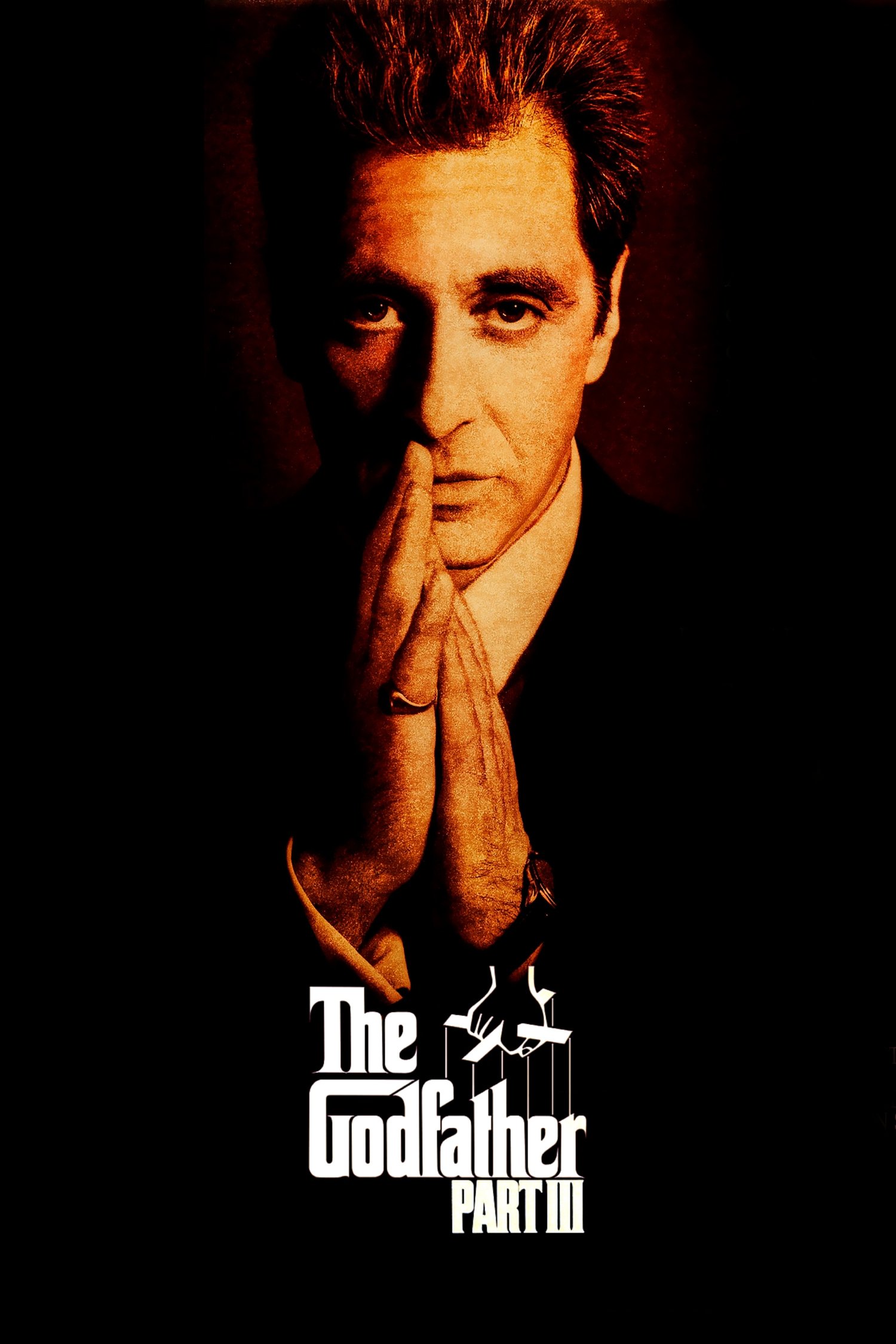
Recasting Couch
Laura San Giacomo as Mary; William Hurt in George Hamilton's role
In the discussion (10)
- A replacement for Altobello would need an Italian-American actor of the era with Sinatra-like charisma; Paul Sorvino is unavailable because of Goodfellas. — Bill Simmons
- Casting Wallach may echo the Lee Strasberg gamble, but it telegraphs the villain because he has played so many heavies.
- Dennis Farina, Mickey Rourke and John Turturro were apparently in talks for Zasa. — Chris Ryan
- David Caruso as Altobello and the Gilday actor playing every part are joked about. — Chris Ryan
- Laura San Giacomo as Mary is restated as an amazing recast. — Bill Simmons
- For George Hamilton's part the runners-up are Richard Gere, Harrison Ford and Paul Newman; Newman as Altobello is floated and welcomed as a good spitball, and Newman as Archbishop Gilday gets laughs. — Bill Simmons
- The winner for Hamilton's part is William Hurt, called a no-brainer who looks like Duvall and could be Hagen's Harvard son as the new consigliere.
- Recasting Hagen himself with Hurt is rejected as anti-recasting, and a Hagen son working for Michael is questioned given Michael's record. — Chris Ryan
- Keaton's hair is the only other recast. — Bill Simmons
- Brando as Altobello is rejected as too distracting, being much older and heavier, though The Freshman is liked.
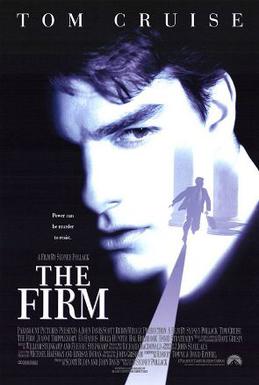
Picking Nits
Mitch trusts Tammy instantly; Avery's flip; the firm never tails Mitch; the premise collapses under scrutiny; Mitch would be shot walking into the mob boss's suite
In the discussion (4)
- Mitch trusts Holly Hunter's character within seconds on the word of a maniac felon, and Abby then does too; Avery flipping and telling Abby everything is explained as depression in a middle-aged spiral; the firm should have been tailing Mitch from the forty-minute mark, though he may be assuming surveillance in the diner.
- The premise does not hold: Harvard's crackerjack lawyer never asks who the clients are or how the firm makes money, representing the mafia is not illegal, no firm would launder money this way, and attorney-client privilege means the firm would never need to kill departing lawyers; the reluctant host says this is why he resisted the episode, yet the Xeroxing-and-overbilling plot still makes it rewatchable.
- Walking into Sorvino's hotel suite, Mitch would simply be shot rather than heard out.
- Earlier, while still on what aged worst, the hosts admit they are already picking nits: the FBI having the mob family's itinerary, Mitch getting the overbilling idea from the client being overbilled, and Avery rolling over for Abby.

The Joey Pants “That Guy” Award
The unnamed actor beside Paul Sorvino's mob boss, with Jerry Hardin (Royce McKnight) as runner-up
In the discussion (2)
- The award is explained as Joe Pantoliano, 'that guy' through the eighties before becoming Joey Pants; the question is whether the winner should be someone who was that guy then and became known, or someone never known, with Terry Kinney, David Strathairn and Paul Sorvino ruled out as people we know.
- The personal choice is the man beside Paul Sorvino, with Hal Holbrook's consigliere Jerry Hardin, who plays Royce McKnight, as runner-up; Hardin was in everything for twenty years, from Big Trouble in Little China and Reds to Deep Throat on the X Files and Melrose Place.
In the discussion (4)
- Wilford Brimley qualifies and therefore wins; David Strathairn, Holly Hunter, Paul Sorvino playing a mob boss again after Goodfellas, the actor beside Sorvino and Gary Busey make up the rest of the top five.
- Brimley is his own planet in the film: the hosts quote his 'oral and whatnot' speech, note that Hackman was five years older yet Brimley seemed born at fifty, recall him as the Quaker Oats man and the manager in The Natural, and perform his catalog monologue, which the Ringer's president Jeff Chow does best.
- Brimley had never played a bad guy before, brings an unexpected edge, and the blockbuster hinges on him checking whether the fax machine has paper; it is traumatic to watch Cruise fall on him and kick him, and whether he died is left for unanswerable questions.
- Brimley carried himself like a hated stepfather and makes the office scene before the chase feel like Mitch is about to be killed; the 'oral and whatnot' line is recited again and he is declared the winner.