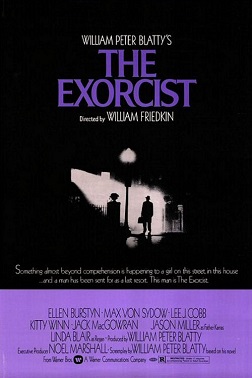
Wang Chung is proposed as the sponsor-name for Apex Mountain; the story says Friedkin initially prohibited a title song, then loved it enough to build a new opening around it, reflecting trust in collaborators. — Bill Simmons
Apex affirms Wang Chung while preferring Mad About You for Pankow and CSI for Petersen. — Chris Ryan
Secret Service films are compared with In the Line of Fire, the Has Fallen series, The Interpreter, The Sentinel, Along Came a Spider, Guarding Tess, The Bodyguard and Dave; no settled universal peak emerges. — Bill Simmons
Dafoe’s Apex is directed to Platoon or Spider-Man; supporting women are broadly affirmed, Friedkin is rejected, and burning art, bungee jumping and related stunt examples are debated.
Apex alternatives include Pulp Fiction for the genital gunshot and GoldenEye for bungee jumping; the Impala and Ferrari receive brief mentions. — Bill Simmons
Research reports a million dollars of deliberately flawed prop currency escaping into circulation, a crew member’s child spending some, and a six-week chase shoot left until last; the wrong-way concept is traced to Friedkin falling asleep while driving in 1963.
Pankow’s chase reactions are reported as real and Wang Chung is said to have seen a rough cut before composing. — Bill Simmons
Aged-worst begins with nostalgic portrayals of fun police drinking, challenged as clinically alcoholic behavior. — Sean Fennessey
Alternative after-work drinking ensembles include podcasters, emergency-room doctors and NBA assistant coaches. — Sean Fennessey
Aged-worst choices include burning the real painting, Friedkin’s agent leaving him and deletion of Vukovich’s reconciliation scene, which might have added depth. — Bill Simmons
The bridge’s later association with Tony Scott’s death is an aged-worst observation; the alternate Alaska ending with a surviving Chance is strongly disliked. — Bill Simmons
Ebert awards four stars and praises the chase and Friedkin’s comeback; the panel values the film’s casually conveyed technical knowledge and visual counterfeiting process. — Bill Simmons
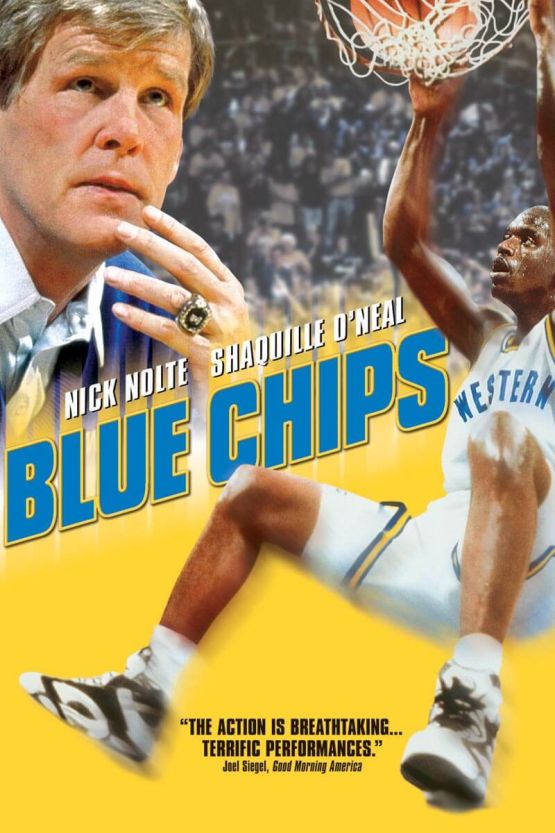
Blue Chips 2 should have happened, either continuing Butch and Neon in the late 1990s or making Butch a coach in the late 2000s. — Bill Simmons
A present-day sequel with the former players hosting a podcast is proposed, with Tommy Alter imagined as Tony. — Van Lathan
Ricky’s constant sexual preoccupation inspires a deliberately crude hypothetical about increasingly adventurous behavior after a knee injury.
Ron Shelton directing could have made the good Friedkin film an all-time great basketball movie by adding fun and removing the self-righteous tone. — Van Lathan
A proposed Nick Nolte’s 200-Page Pete Bell Novel Award recognizes the reported character novel given to Friedkin, whose response was lukewarm.
The award name is debated against Nicole Kidman’s proposed neurosurgery classes, with a suggestion to combine names like the overacting award. — Chris Ryan
Friedkin’s basketball enthusiasm reportedly included considering a one-third Celtics purchase and consulting Cousy, explaining the latter’s appearance.
The production reportedly used real players, coaches and games before six thousand spectators, but authentic play alone does not solve basketball’s cinematic difficulty. — Van Lathan
Anthony C. Hall is described as both actor and player; many real coaches and college stars supplied the basketball cast.
A claimed Kevin Garnett appearance cannot be located and his youth raises doubt; Geert Hammink is recognized. — Bill Simmons
Shelton reportedly developed the script in 1981, with studio delays before White Men Can’t Jump revived interest; Lansing brought in Friedkin while Shelton made Cobb. — Bill Simmons
Basketball was reportedly filmed at Frankfort High using full competitive games plus set plays; Knight repeatedly disrupted planned endings by coaching to win. — Bill Simmons
A $35 million budget and $26 million gross are reported; later home-video value and enduring cultural references are offered as qualifications. — Bill Simmons
Shaq’s reported worst-new-star Razzie nomination is rejected as unfair because his performance is good. — Bill Simmons
Friedkin’s reported claim that sports films cannot reproduce a real game’s unpredictable suspense is dismissed as sour grapes, with successful sports movies offered as the objection. — Bill Simmons
Shaq reportedly wore very thin soles to reduce height differences; framing him farther from Nolte and Mary McDonnell is discussed as another solution. — Chris Ryan
Shaq’s last college game is recalled as an Indiana loss to the team featuring Knight and the actor playing Ricky; Indiana’s subsequent Final Four loss to Duke is also recalled. — Bill Simmons
Butch’s Chicago gym is identified as Mount Carmel High School, and the crew including Shaq reportedly stayed at a Lafayette Howard Johnson’s for two weeks. — Van Lathan
Friedkin receives the final winner nomination, agreements and a second named choice, praised for daring to make the film and caring about its world. — Wesley Morris
Crisco, nasal spray or poppers, and handkerchiefs are floated without a resolved affirmative choice.
The S&M leather scene in movies receives an affirmative Apex judgment; Pulp Fiction’s gimp is considered a more problematic, decontextualized later portrayal. — Wesley Morris