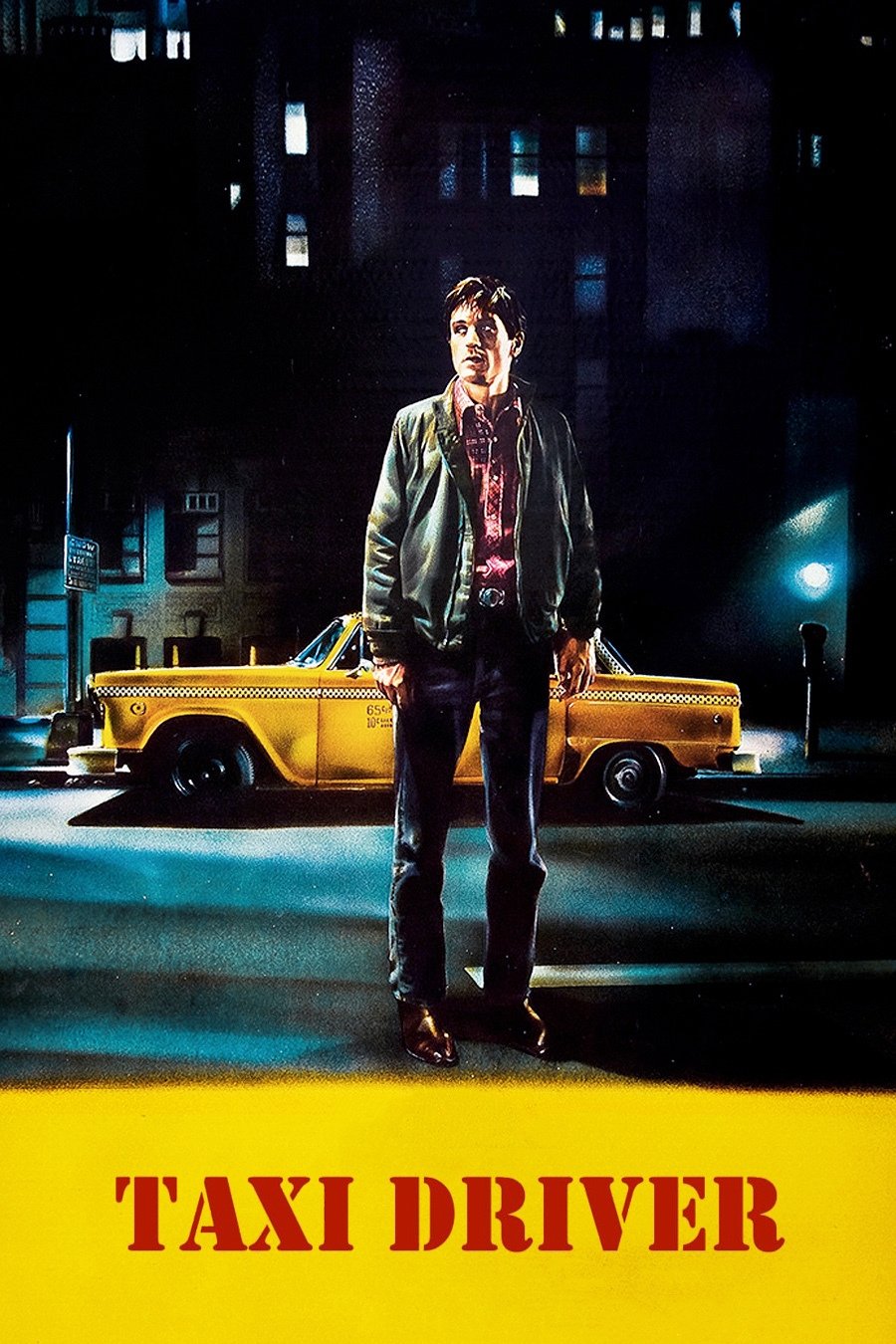
Most Rewatchable Scene feels odd for this film, which is rewatchable because it is great and important rather than for one scene watched 120 times, so the segment becomes a run through the best scenes. — Bill Simmons
First up is Travis driving around and describing decrepit New York City at night; the drive is only about two minutes but grim. — Bill Simmons
Producer Michael Phillips is quoted that the whole West Side was bombed out with condemned buildings, Times Square was disgusting, and they did not know they were documenting the dying gasp of New York. — Bill Simmons
Travis asking Betsy out after going into the office is a really good scene that hinges on believing she might go out with him, which seems ridiculous given where the movie goes, though she kind of buys him. — Bill Simmons
Travis comes in with confidence and reads Betsy well only because he has been stalking her; a high shot of his hand passing over her desk, amid traditional coverage, makes the scene unsettling. — Bill Hader
That overhead 'priest's view' shot returns when he buys the guns and in the long overhead pullback after the shootout, signalling something deeper, insane and spiritual in Travis. — Sean Fennessey
The actor who played Palantine made only two movies and was a culture critic brought in because the filmmakers wanted someone who did not seem like an actor rather than a Hal Holbrook type; this prompts a joke about a critic getting pulled into a Scorsese movie. — Bill Simmons
In the Palantine cab ride the actor waits a beat to find the right politician response to Travis, and Travis knows he is being condescended to and blew it.
Scorsese as the crazy cab passenger is a fun, weird five minutes, not politically correct in 2021; it is judged to work because it feels honest and nothing about it is gratuitous. — Bill Hader
Travis mastering his gun-and-knife routine shows weeks of De Niro's practice; it was filmed in one shot, ran too long in a rough cut and was cut in half around the rally scene, and the 'You talking to me' portion originally ran about 10 minutes, a smart edit followed by the name Marshall Lucas. — Bill Simmons
In the breakfast scene with Iris, her putting sugar on the jam and toast is the lasting detail, read as a callback to Travis pouring brandy and sugar on his cereal, as if they were souls meant for each other in a messed-up way.
The botched assassination is short but gripping because first-time viewers assume it will be the climax; the boom and dolly shots are impressive given how big the equipment was then. — Bill Hader
When directing, he photo-boards all the coverage on an iPhone because a 30-minute TV show lacks time and money; as an actor he can bristle at storyboards and likes that Scorsese told actors to speak up if something did not work for them. — Bill Hader
A joke says the podcast is storyboarded over Zoom with pictures sent to the producer but not shared with the co-host. — Bill Simmons
The final shootout is really cool filmmaking: the X rating forced changes, some color was taken out to make it more palatable, and the wide overhead shot goes on for about two minutes. — Bill Simmons
The shootout has no music telling viewers it is an action scene; the wide shot down the hall as Travis finishes off Keitel's character feels like security-camera footage from someone trapped in the hallway. — Bill Hader
A better example is Travis first shooting Keitel's character, seen from the point of view of someone on a stoop who is left alone with the gunman after he sits down. — Bill Hader
The suicide attempt with no bullets left is played straight, with no music and no cut and crying heard off camera, compared to films by a director transcribed as Rainer Fast Thunder, where what is off camera matters as much. — Bill Hader
The film was an unexpected hit, likely because of its cathartic violent ending, which some read as Travis devolving and others celebrated as a Death Wish-style revenge; it is contrasted with Schrader-written Rolling Thunder as a more complex, sad picture of what a gunfight would look like. — Bill Hader
No most rewatchable scene is picked because that would be weird for this movie. — Bill Simmons
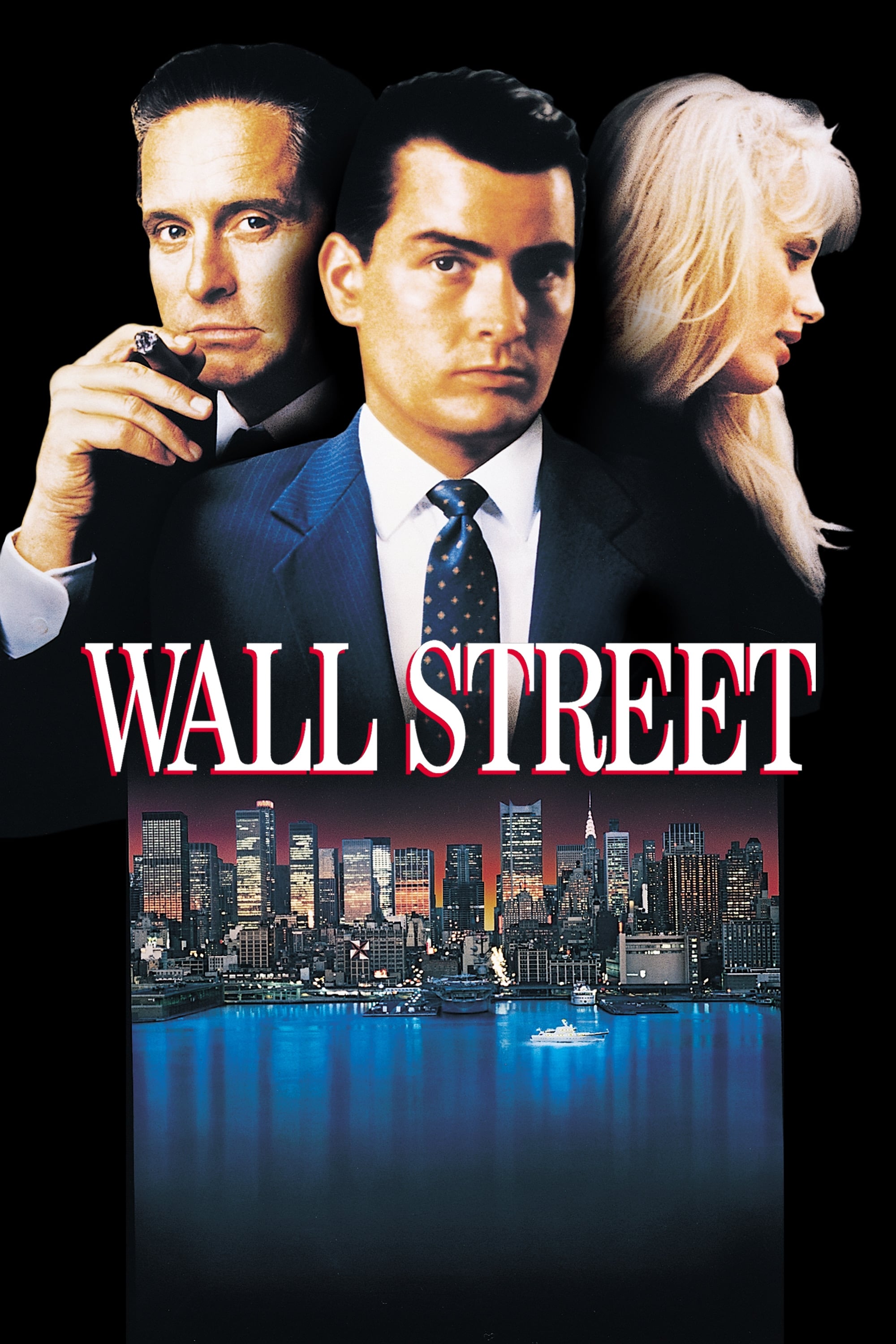
Terence Stamp; real-life father and son; Blue Horseshoe system; Gecko's art and rifle collection; private jet scene; Spader; Fly Me to the Moon; Holbrook's lines
Sushi has aged incredibly well, but it is flipped: sushi as an exotic thing you have to smell has aged the worst. — Brian Koppelman
Cigarettes are called aged-worst in this segment, yet the smoking everywhere is later called tremendous. — Brian Koppelman
Real-life family members playing family members, and the quote about someday being on the other end of that phone call as the point of the movie. — Brian Koppelman
The Blue Horseshoe system is solid, and "Blue Horseshoe loves" some companies has been said in one of the seasons of a later show. — Brian Koppelman
Sheen getting the first Gecko call and Gecko's underrated art and rifle collection. — Brian Koppelman
The "Mr. Cocksucker" one-liner and one of the first private jet scenes ever. — Brian Koppelman
Holbrook as the wet blanket, and Spader in the role he'd play 27 more times. — Brian Koppelman
Fly Me to the Moon as the theme song, the "minute I laid eyes on you" callback and the guy's cane. — Brian Koppelman
Holbrook's lines work as senior yearbook quotes; the character was modeled on Stone's father Lou. — Brian Koppelman
Sheen's last tip to create instead of living off buying and selling; a lot of the movie has aged the best, maybe not the cocaine. — Brian Koppelman
Gecko's future black-sheep son, whom the sequel reveals overdosed. — Brian Koppelman
The number-one picks are Terrence Stamp, who seems so modern, and the real-life father and son. — Brian Koppelman
The award is explained as Joe Pantoliano, 'that guy' through the eighties before becoming Joey Pants; the question is whether the winner should be someone who was that guy then and became known, or someone never known, with Terry Kinney, David Strathairn and Paul Sorvino ruled out as people we know.
The personal choice is the man beside Paul Sorvino, with Hal Holbrook's consigliere Jerry Hardin, who plays Royce McKnight, as runner-up; Hardin was in everything for twenty years, from Big Trouble in Little China and Reds to Deep Throat on the X Files and Melrose Place.