
Film credit
Martin Sheen
Stats
- Episodes featuring their films
- 5
- Movies in this archive
- 5
Rewatchables episodes featuring Martin Sheen’s films
Mentioned in discussions
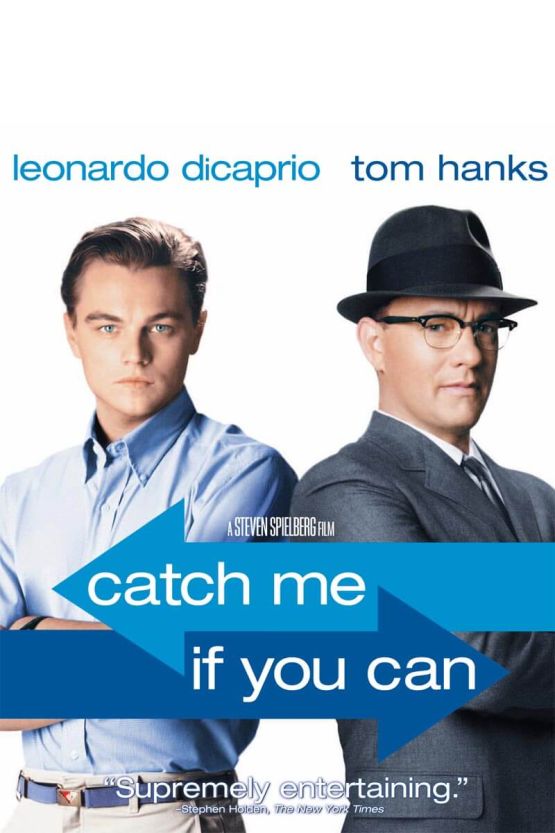

Most Rewatchable Scene
Hollywood hotel; stewardess recruitment and airport escape
In the discussion (13)
- Frank's substitute-teacher impersonation is a scene candidate that launches the story with conviction.
- Becoming a Pan Am pilot, obtaining the uniform and experiencing his first flight in the cockpit form an extended scene candidate; Pompeo's presence adds to the fantasy.
- Frank presenting his father with a new Cadillac is the next scene nomination.
- Walken balances his recognizable mannerisms with warm, dishonest, increasingly defeated fatherhood; the award speech, dancing and aging are praised.
- The short failed bank-loan visit, with Frank posing as chauffeur, is admired without being formally nominated; Frank succeeds at escaping problems his father cannot.
- The Hollywood hotel escape is a major scene candidate, especially the wallet reveal, discarded labels, invented agent identity and hotel setting.
- The Garner encounter is liked because Frank cannot be conned, but it is also considered a strange interlude. — Chris Ryan
- A raunchy deleted Jaws scene and alternate Deep Throat title are explicitly joking inventions, not production facts or an actual-film nomination. — Chris Ryan
- Garner's Alias-era appeal and the film's brief appearances by future stars Banks, Pompeo, Adams and Garner are noted.
- Frank's conversation with Martin Sheen as the father of the woman he loves is another admired scene. — Bill Simmons
- The engagement-party raid and bedroom confession are nominated, with cash-filled suitcases and Brenda struggling to understand Frank's collapsing identities.
- The eight-stewardess airport diversion, Frank's possible final return and exploding check-printer imagery are praised.
- The Hollywood hotel is one final scene choice; the complete stewardess recruitment and airport escape is the other.


What’s Aged the Worst?
Opening background montage; the final rat; Gimme Shelter reuse; blind pocket texting; microprocessors plot device; cocaine opera scene; bad Boston accents; Nicholson's race monologue, dildo and Red Sox hat refusal; confusing final shootout; New York standing in for Boston; nonexistent State House view
In the discussion (19)
- The opening background montage is held for this category: it does not work, feels like a different movie, and could be cut from a two-and-a-half-hour film since a later line does the work. — Bill Simmons
- Nicholson is saved for last; Nicholson running has aged both best and worst.
- The rat is disliked, and the body on the floor in the reverse shot is not Damon; nobody told Scorsese no in 2006, likened to their own Miami Vice pod.
- A requested defense of the rat, not fully believed: in a maximalist movie it is the final maximalist note, meaning corruption rises to the top and betrayal lives on in institutions; the reply is that a cool crime movie does not need a grand statement. — Sean Fennessey
- Flip phones as a central character are listed, but also called a nice time capsule. — Bill Simmons
- Walberg's hair: joking speculation that this was the last movie before he found a hair guy, with a Tom Brady comparison, explicitly labeled speculation; a defense of Irish hair becoming a bouffant applies to the character, not Walberg. — Bill Simmons
- Gimme Shelter used a third time after Goodfellas and Casino, looped three times here; it is defended as an intentional sonic-barrage motif as in Wolf, but his earlier uses were more precise and the song became a cliche and crutch.
- Damon texting blind in his pocket on T9 would never happen with an iPhone.
- The microprocessors plot device is questioned; it should have been a drugs and guns movie, though it may exist to justify FBI interest, as in early The Wire.
- The cocaine opera scene is bonkers with no explanation, possibly Nicholson wanting to have fun, or showing Costello as Satan and a pure hedonist.
- Bad Boston accents: Leo is okay, Baldwin is a Long Island-Boston hybrid; the bad ones include Vera, who abandons hers after an hour, and Martin Sheen, whose lifer character needed it.
- Nicholson items: the race monologue should have been cut, the porn theater dildo is inexplicable, and he refused to wear a Red Sox hat and banned them on set in a Boston gangster movie despite killing people onscreen. — Bill Simmons
- Whether Whitey Bulger wore a Red Sox hat is questioned; Nicholson may wear a Yankee hat in one scene; a joke that someone in Costello's crew would shoot him over it. — Bill Simmons
- Found a photo of Whitey Bulger wearing a Red Sox hat. — Craig Horlbeck
- The shootout that kills Costello is spatially confusing, and some cutting misfires, such as blood exploding from Sheen before he hits the ground. — Chris Ryan
- It is not really Boston: they shot only a couple weeks there, and the Chinatown chase is obviously New York.
- Costello's scheme to confirm Billy is not the rat is unimpressive, a plot flaw. — Sean Fennessey
- John Lennon's "Well Well Well" plays and then Nicholson opens a John Lennon speech, called ridiculous though entertaining. — Sean Fennessey
- The State House view from the condo in the last shot does not exist, since Beacon Hill is surrounded by buildings and trees; tied to an old Blown Away complaint about bastardized Boston geography. — Bill Simmons

In the discussion (4)
- Candidates include Sean Young throwing 140 miles an hour in two scenes, McGinley, Josh Mostel and Hal Holbrook; Martin Sheen is ruled ineligible for too many scenes. — Brian Koppelman
- Terrence Stamp as Sir Larry is the personal choice for two appearances, including the yacht wide shot. — Brian Koppelman
- A yacht scene on the movie that shall not be named failed in Puerto Rico, so Billions has avoided copying it. — Brian Koppelman
- James Karen gets a shout-out, including his puzzling "No, no, you're welcome" on the phone, but Stamp wins. — Brian Koppelman
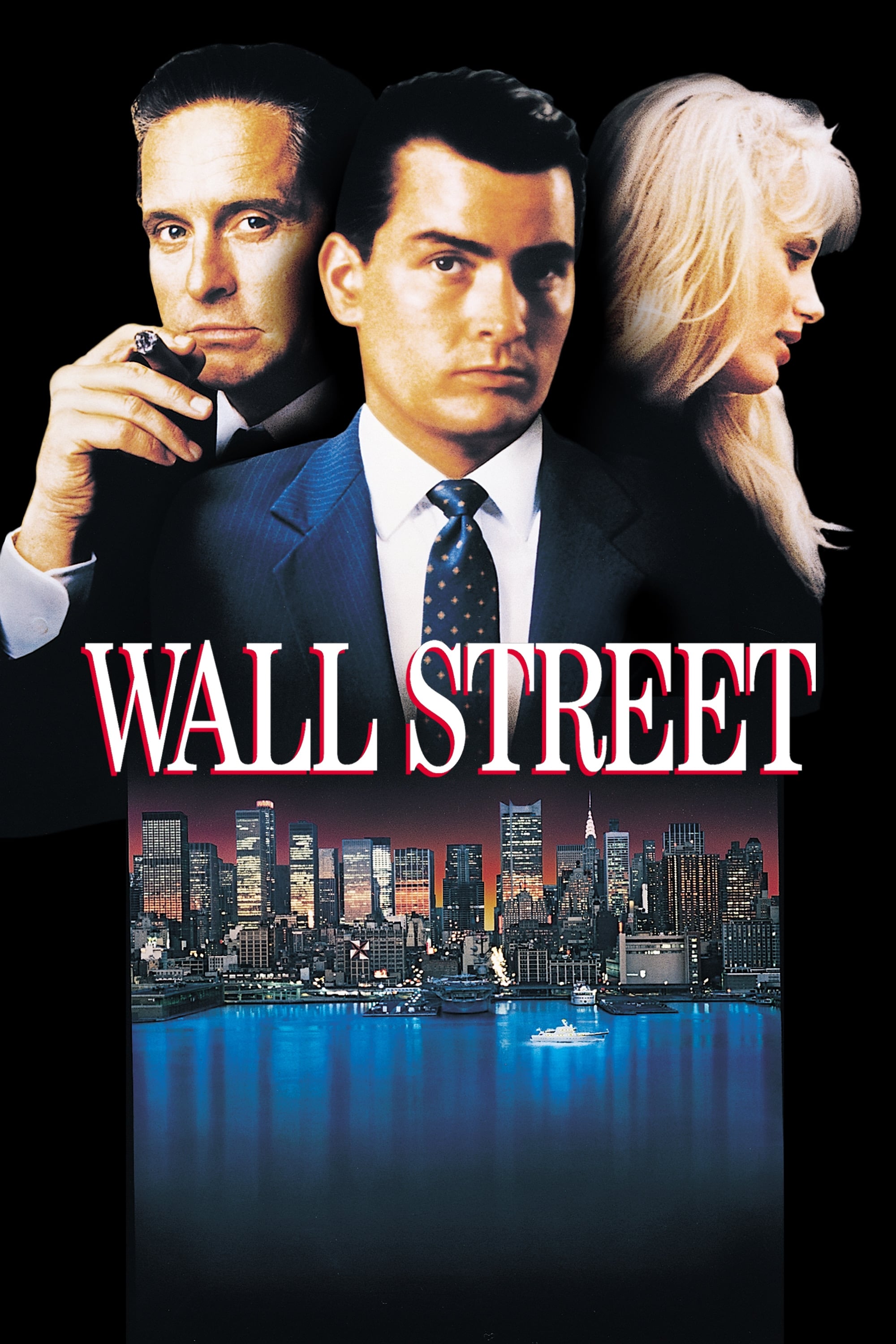

Casting What-Ifs
Warren Beatty or Richard Gere as Gecko; Tom Cruise as Bud Fox; Jack Lemmon as Bud's father
In the discussion (9)
- Fox wanted Warren Beatty for Gecko, who wasn't interested; Stone wanted Richard Gear, who passed during a stretch of bad movies. — Brian Koppelman
- Gear would have been good and looked great, as in Internal Affairs, but he does slow burn rather than the verbal pyrotechnics Douglas studies. — Brian Koppelman
- Beatty holds months of conversations and then says no, as he did to Goldman on Misery. — Brian Koppelman
- Gere's "I got nowhere else to go!" is praised, from a movie producer Craig has definitely never seen. — Brian Koppelman
- An internet claim that Pacino turned down Gecko in a 1992 Barbara Walters interview is called bullshit; the guess is that his agent passed on a script Pacino never really wanted. — Brian Koppelman
- Tom Cruise wanted Bud Fox and lobbied Stone, who was committed to Charlie; they later made Born on the Fourth of July. — Brian Koppelman
- Stone gets chippy on the commentary about Bright Lights, Big City shooting at the same time; Michael J. Fox was a miscast there and Downey Jr. would have been a home run. — Brian Koppelman
- Stone offered Charlie the choice of Jack Lemon or Martin Sheen as his father, and he picked his real father. — Brian Koppelman
- Per Stone, Hannah was not happy in the role and he should have let her go; Sean Young almost got fired and a Bud affair storyline was cut. — Brian Koppelman
Most Rewatchable Scene
Bud's first five-minute meeting with Gecko
In the discussion (14)
- Marty Sheen's first scene with Charlie, with the spaghetti and "money is something you only need in case you don't die tomorrow", is flagged as important; real-life father and son add an extra layer. — Brian Koppelman
- Gecko's first scene when Bud finally gets in is praised: "you're the kid who called me 59 days in a row", a scene said to run exactly five minutes, the staging, the Terminator coming in and out, and the blood-pressure line; "to me, that's the scene." — Brian Koppelman
- The limo pep talk ends on an indelible knock on the window and "you got me"; its $400,000-a-year speech sent more douchebags to business school than anything, telling a generation that flying first class made you a sucker. — Brian Koppelman
- In research, Sheen, Douglas and Stone all say people told them for years that the movie was why they became brokers or went to business school. — Brian Koppelman
- The Anacott Steel montage takes off with music, calls and a director cameo. — Brian Koppelman
- Gecko versus Sir Larry, with the "sell your mother" insult and the "since you brought my mother into it" negotiation, leads to the Hampton's beach call with the giant cell phone; Terence Stamp is a casting coup who can dominate Douglas, and the scene has Billions DNA. — Brian Koppelman
- Bud's apartment montage with the Talking Heads, homemade sushi and a smoking jacket is a winner; a friend named Tom bought the sushi machine on eBay and it still works. — Brian Koppelman
- The greed-is-good speech at Teldar is iconic but a little underwhelming on rewatch, with some weird edits; the clip is played. — Brian Koppelman
- The Martin Sheen and Gecko union meeting, with the pharaoh prophecy and the elevator fight, feels like Charlie and Marty working out real stuff; Gecko dropping sushi through the table is a hilarious touch. — Brian Koppelman
- Sheen confronting Gecko ("How many yachts can you water ski behind?", "I create nothing. I own.") is a hard scene that Stone wrote the shit out of. — Brian Koppelman
- Other scenes: the Blue Star carve-up meeting with Spader and the shortest-tenure joke, the Blue Star stock roller coaster, and the final wire scene. — Brian Koppelman
- The union meeting and elevator fight is a channel-flip favorite, but what brings you back over and over is the scene when Gecko meets Bud. — Brian Koppelman
- Spader's first scene adds the improvised "What's in it for Wa?", and the whole opening, meeting Marv and the $100, is a high degree of difficulty. — Brian Koppelman
- "I think you're right. I'm switching to your choice. First five minutes" follows the other voice calling the Gecko-Bud meeting "the scene" and "the five minutes" (100, 139) after the opening was offered as "the other scene", so the switch lands on the five-minute Gecko meeting.

In the discussion (3)
- Going female: Gail Strickland as Martin Sheen's wife, a distinct face seen in many roles without a known name. — Bill Simmons
- Samantha Mathis is floated, then Wendy Malick is named as another generational that gal.
- Bening's sister, played by an actress who also ended up on The West Wing, is another possibility. — Bill Simmons

What’s Aged the Worst?
Newspaper coverage of the romance; Martin Sheen as a staffer
In the discussion (3)
- Newspapers chronicling the romance on the USA Today front page has aged worst; now it would be the Daily Mail, Twitter and TikTok.
- A single president dating now would become an obsession, as with Prince Harry; a Cheesecake Factory date is imagined, though current candidates are 78 or older. — Van Lathan
- Martin Sheen working for the president throws things off about 2% because he is seen as the president, which also makes Apocalypse Now weird to rewatch. — Bill Simmons
Most Rewatchable Scene
Andrew Shepard's final speech
In the discussion (15)
- The short lonely-widower moment is important because it sets up the movie.
- The first pool scene with Martin Sheen ("Call me Andy") is enjoyable; two people playing pool always works in a movie, as in Boomerang and Mystic Pizza. — Bill Simmons
- Douglas clearly worked on his pool game because the scene uses a full wide shot. — Bill Simmons
- The president calling Sidney for a date, which she takes for a prank, uses a rom-com trope said to appear at least 10 times.
- Agrees the trope is common, but this one is special because his solution is to have her call the actual White House number. — Amanda Dobbins
- The dance scene is well done; Douglas appears to do his own smooth dancing, the spark between them is real, and the reaction shots show everyone moved by the widower's first date.
- The morning after, staff barge in because the president's day has started while Sidney is still getting dressed; it could have gone badly in the wrong hands.
- Michael J. Fox challenging the president is a favorite scene; it inspired a college political essay about no longer recognizing genuine leadership, and its drink-the-sand line feels prescient in late October 2020.
- The second pool scene gets heated with the University of Wisconsin history professor line; the film is said to have negotiated three uses of the f-word, with a fourth meaning an R rating.
- That scene explains why Sheen is the consigliere: he hitched his kite to Shepard. — Bill Simmons
- Douglas's big speech taking it to Bob Rumson is the best, most rewatchable moment; the stretch from the Fox challenge through Sheen to the speech is a fantastic 15 minutes. — Bill Simmons
- The small limo scene ("No hopping, sir") is a favorite, and Fox is loved in this movie. — Van Lathan
- A line from the limo scene became a personal dating mantra: all plans are soft until confirmed 30 minutes ahead. — Van Lathan
- Fox's Danbury prison line still comes to mind; he was a moral compass on screen, and it is sad this was effectively his last movie. — Bill Simmons
- Before picking the speech, the flower-ordering scene is added: the dogwood tree-or-flower exchange and the Virginia ham conclusion show affection in the workplace and are top-grade rom-com material. — Amanda Dobbins
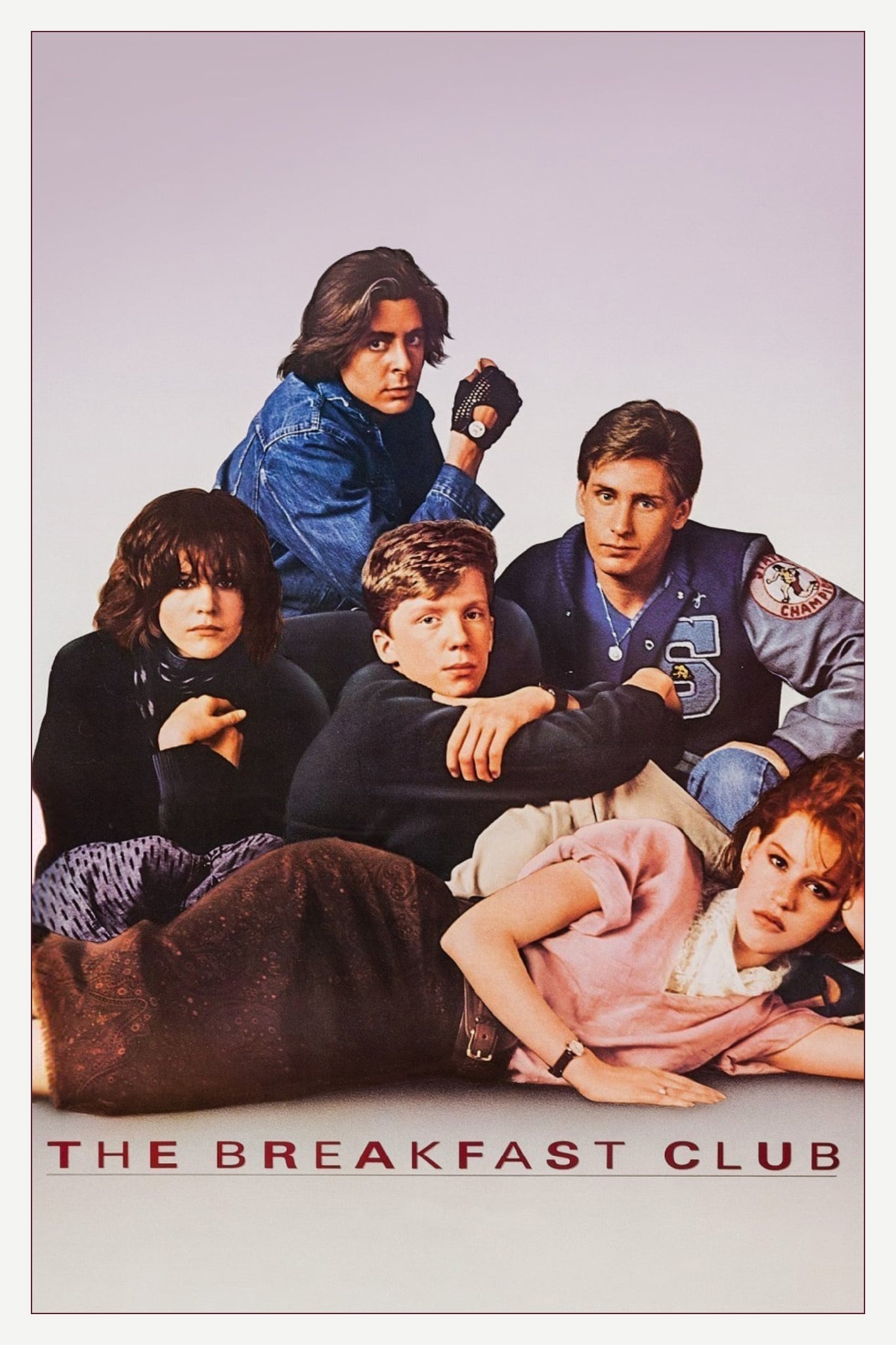
Half-Assed Internet Research
Maine North High School location; built library set; shared Ferris Bueller location; 150-minute director's cut; deleted scenes; Hall's growth spurt; Don't You Forget About Me origin; Parmesan-cheese dandruff; Carl as Man of the Year
In the discussion (13)
- Filming took place at Maine North High School in Illinois, already closed, with the library built as a set. — Bill Simmons
- The research says Bender's flinch at Vernon's fake punch was genuine. — Bill Simmons
- The same location served Ferris Bueller's Day Off, and the research says Hughes shot the two concurrently to save time and money. — Bill Simmons
- As read on air, Hughes was disappointed that Nelson stayed in character and tormented Ringwald off camera, and considered firing him until other cast members intervened. — Bill Simmons
- At a 25th-anniversary reunion Sheedy is said to have revealed a 150-minute director's cut, held by Hughes's widow, with deleted scenes including a dream sequence where Sheedy falls asleep and a steamier Claire-Bender scene; the hosts call them good cuts. — Bill Simmons
- Vernon is said to be based on a teacher and wrestling coach Hughes had in high school. — Bill Simmons
- Anthony Michael Hall reportedly grew about two inches during the in-sequence shoot. — Bill Simmons
- A scripted scene of Vernon and Carl spying on a teacher swimming naked was cut after Ringwald pushed to remove it. — Bill Simmons
- The songwriter approached for the soundtrack wrote 'Don't You Forget About Me' inspired by Brian's will-we-still-be-friends question; Bryan Ferry was approached before Simple Minds recorded it, and it became their most famous song, unlike their other work. — Bill Simmons
- The hosts relay a story that the actor playing Carl clashed with Estevez after a remark about Martin Sheen's heart attack while Estevez and Nelson tried to make him laugh. — Bill Simmons
- Allison's dandruff was Parmesan cheese.
- The flare-gun damage is visible on Brian's locker early on, and Carl appears as Man of the Year. — Bill Simmons
- A deleted Carl scene predicted the five kids' futures 30 years on, and was cut. — Bill Simmons

In the discussion (14)
- Burt Lancaster and Laurence Olivier were considered for Vito Corleone. — Bill Simmons
- Marlon Brando’s contested casting and screen test are recounted. — Sean Fennessey
- George C. Scott is discussed as a possible Vito. — Sean Fennessey
- Mia Farrow auditioned for Kay. — Bill Simmons
- Warren Beatty was considered for Michael and around directing. — Bill Simmons
- Jack Nicholson was considered for Michael. — Bill Simmons
- Ryan O’Neal was Robert Evans’s preferred Michael. — Bill Simmons
- Robert Redford was considered for Michael. — Bill Simmons
- Dustin Hoffman auditioned. — Bill Simmons
- Martin Sheen auditioned. — Bill Simmons
- James Caan tested for Michael and Tom before moving to Sonny. — Bill Simmons
- Carmine Caridi was originally slated for Sonny. — Bill Simmons
- Robert De Niro left the Paulie role for The Gang That Couldn’t Shoot Straight. — Bill Simmons
- Sylvester Stallone unsuccessfully auditioned for Paulie and Carlo. — Bill Simmons
Casting What-Ifs
Colin Farrell as Crockett
In the discussion (9)
- The reported chance for Edward James Almost to reprise Castillo was declined, disappointing the hosts; the transcribed spelling remains unresolved. — Bill Simmons
- Jan Hammer reportedly declined a request for a different score. — Bill Simmons
- The idea that the requested score was death metal is a joke and speculation. — Bill Simmons
- Will Smith, Denzel Washington and Samuel Jackson are reported Tubbs alternatives; the list is doubted, with Smith considered more plausible. — Bill Simmons
- Tom Cruise, Brad Pitt and Matthew McConaughey are reported Crockett alternatives; Cruise and McConaughey are strongly doubted. — Bill Simmons
- Farrell remains preferable to Pitt and other stars; the performance is admired despite its perceived lack of conventional charisma. — Chris Ryan
- The perceived strain in Farrell performance is compared to Martin Sheen in the Apocalypse Now making-of documentary. — Chris Ryan
- The troubled, drinking television Crockett is seen as a fit for Farrell portrayal. — Chris Ryan
- Farrell is described as looking worse and barely getting through the last third before the shootout; this is a subjective impression. — Bill Simmons
Films in the archive
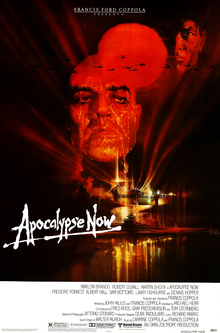
Apocalypse Now
1979


Catch Me If You Can
2002

The American President
1995
The Departed
2006
Wall Street
1987