De Mornay was dating Harry Dean Stanton, who received the script for Guido and encouraged her audition. Armstrong recounts a developing Cruise–De Mornay romance while Stanton stayed in Chicago swimming laps. — Bill Simmons
Warner Bros. put the project in turnaround; Avnet and Tisch struggled to sell it after Night Shift, until Geffen backed it with Lana aged to twenty-one. — Bill Simmons
The happier ending tested much better for Geffen, while Brickman and Avnet objected; the dispute reportedly prevented a premiere. — Bill Simmons
Cruise reportedly trained daily, lost weight, then stopped and ate fatty food to soften his face for a teenage appearance. — Bill Simmons
Joel's Highland Park house is near the Ferris Bueller location, prompting speculation about the characters being neighbors. — Bill Simmons
The crystal egg came from Steuben Glassworks in Corning, New York; Armstrong's book describes Cruise's active dating during the shoot. — Bill Simmons
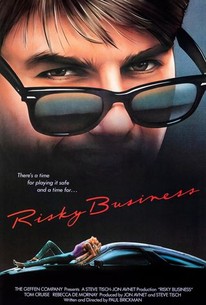
Brickman opposed a raunchy cartoon marketing concept; the hosts admire the final iconic poster but would also buy the rejected one. — Bill Simmons
Four 1978 Porsche 928 s were used; a surviving car reportedly rose from $49,000 in 2012 to about $2 million nine years later, an investment the hosts doubt will hold its cultural value. — Bill Simmons
Travolta’s later Michael and Phenomenon are read as attempts to recover the benevolent-simple-man role; Sean Penn claimed he was a second choice. — Bill Simmons
Hughes’s productive run and Chechik’s divergent later directing career are reviewed. Bill recalls The Bronx Is Burning’s compressed production schedule. — Bill Simmons
A claim that the movie popularized extravagant house lights is relayed but explicitly doubted. — Bill Simmons
Pre-film memories of neighborhood light displays challenge the claim that this movie originated the trend; amplification remains possible but unproved.
A 25.5 million budget and 73.3 million gross are cited. — Bill Simmons
Ruby Sue’s performer previously played the child in Fatal Attraction. — Bill Simmons
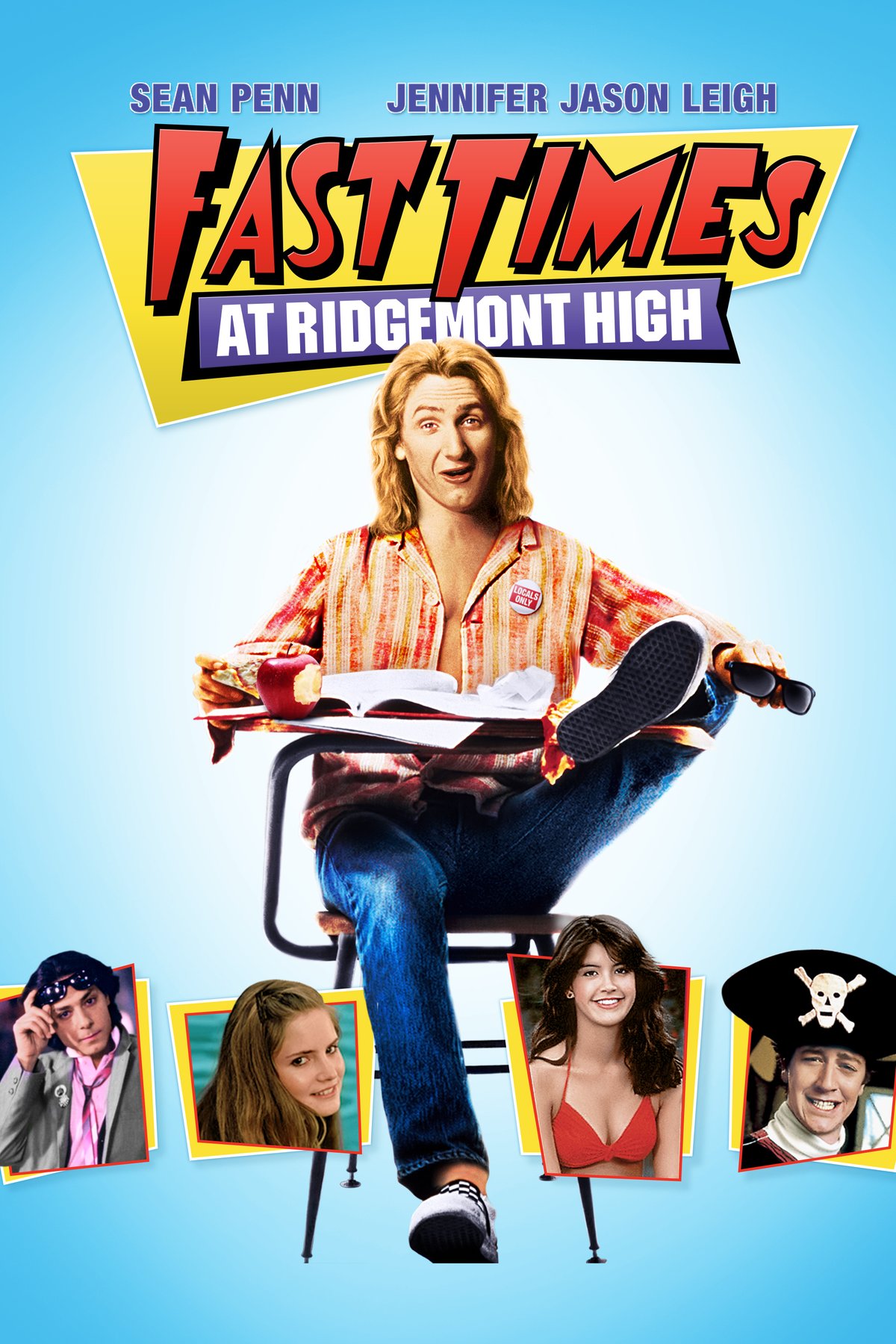
Scorsese is said not to be related to Martin; a photograph links her with a young Sean Penn, without fuller career findings. — Sean Fennessey
Randolph’s blacklist period, refusal to testify and comeback in Frankenheimer’s Seconds are recounted. — Sean Fennessey
The opening pickup reportedly also appeared in Overboard and They Live; Chase allegedly broke a finger punching Santa and continued by kicking props. — Bill Simmons
Eddie’s shoes recall the original Vacation gift; Holiday Road is absent, a limited unofficial soundtrack exists, Mavis Staples sings the theme and Badalamenti scored the film. — Bill Simmons
D’Angelo reportedly improvised grabbing Chase during the SWAT raid; the hosts joke that she wanted more adult material. — Bill Simmons
Deliverance is called secretly influential across wilderness and wrong-turn horror; Breakdown is cited and distinguished from the Sean Penn film mentioned alongside it. — Bill Simmons
The premise of a hostile local jury is questioned by asking whether the relatives would attend jury duty.
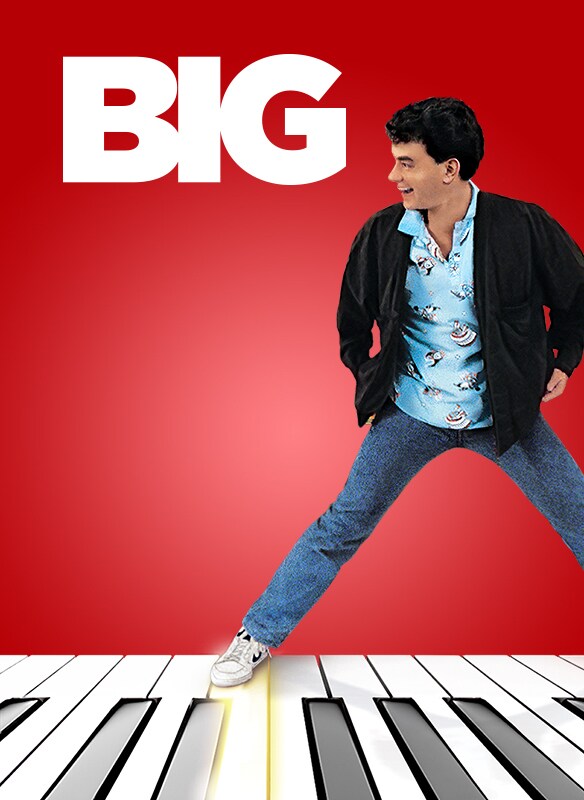
De Niro reportedly was attached as Josh and helped the film get greenlit; the panel strongly rejects him as a fit despite admiration for his acting.
Spielberg briefly considered directing with Ford; the idea is partly defended but challenged as too sexually charismatic, with Regarding Henry a comparison.
Brooks reportedly brought Marshall aboard after her departure from Peggy Sue Got Married; a female version with Winger was considered, but Marshall's quoted contemporary objection says the reversed sexual premise would be unacceptable. — Bill Simmons
Quaid reportedly told Larry King he declined Big for Everybody's All-American; the report is treated as possible rather than certain. — Bill Simmons
Rushton reportedly also read with Sean Penn, considered an especially strange Josh possibility. — Bill Simmons
Travolta reportedly wanted Josh but the studio rejected him during his career slump; the panel thinks his comic innocence might have worked, though not as well as Hanks. — Bill Simmons
Recasting Costello is raised early: this is not a good Nicholson performance given expectations, and failing to get an Oscar nomination at his stature means something went wrong.
The part needs real weight and prestige, a Brando Godfather type; Daniel DeLois and Sean Penn are too young, Jimmy Con and Duval too old, and Gandalfini is not Irish.
Nicholson was at the tail end of his career, like Magic Johnson in 1996; the movie might be tighter without his indulgences, but it is hard to conceive without him; in A Few Good Men every choice was perfect, here he is all over the place.
Hackman is proposed and liked: imposing, has played bastards, never worked with Scorsese, though he may have checked out by then; one participant would rather roll the dice with Hackman.
James Badge Dale was not famous enough to register as the guy from earlier; the counterpoint is that it works because it is someone the audience does not know. — Bill Simmons
Ryan Gosling is rejected; Jake Gyllenha and Keith Ledger are floated, but a star disappearing for two hours would be distracting, and Badge Dale is legit good. — Sean Fennessey