
Film credit
Sean Penn
Stats
- Episodes featuring their films
- 3
- Movies in this archive
- 3
Rewatchables episodes featuring Sean Penn’s films
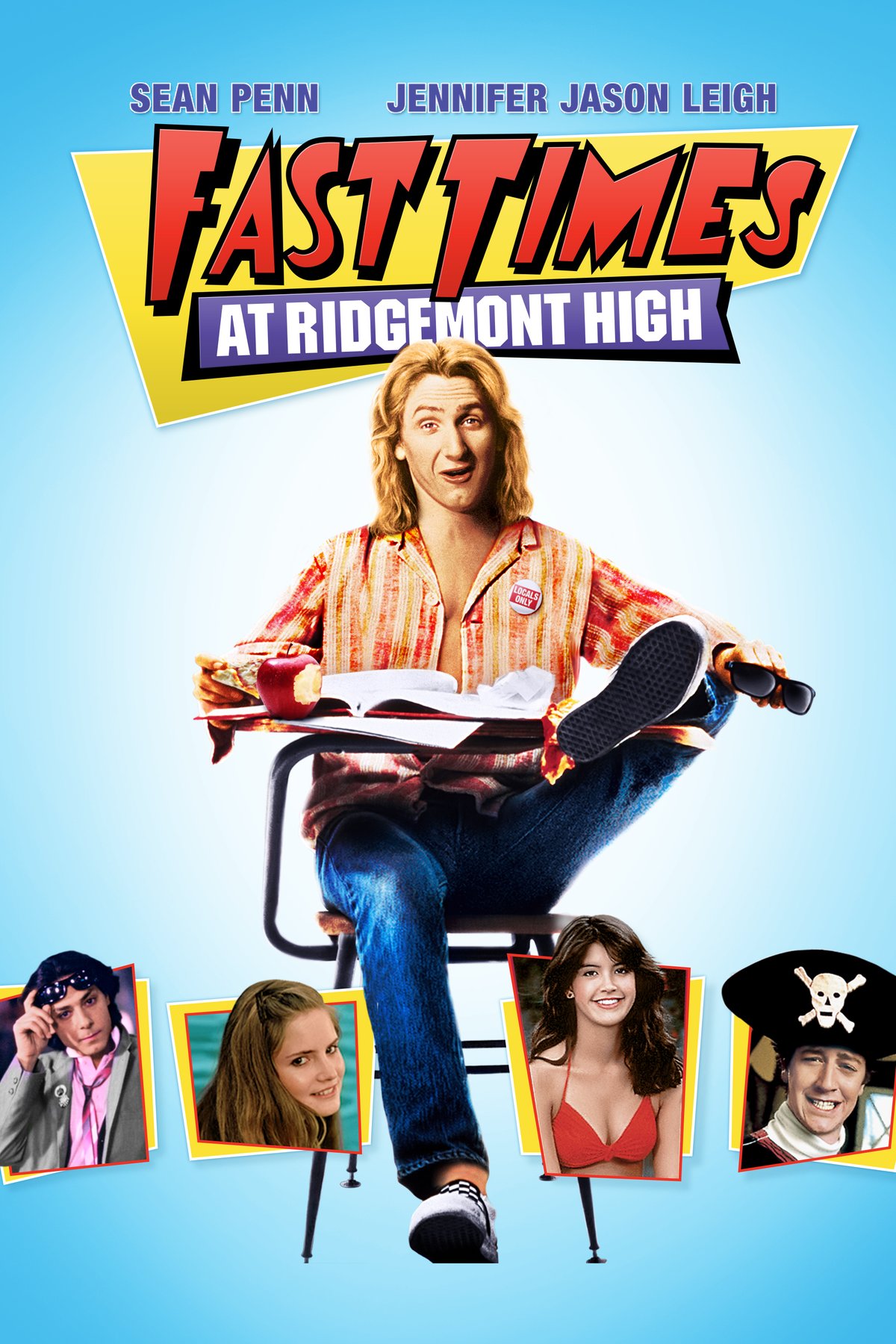

Mentioned in discussions


Casting What-Ifs
Matt Damon or Sean Penn as the narrator; Russell Crowe as Tyler; Janeane Garofalo, Sarah Michelle Gellar, Reese Witherspoon or Courtney Love as Marla; Radiohead score
In the discussion (13)
- The studio wanted Matt Damon or Sean Penn for the narrator while Fincher wanted Norton; Norton was also up for The Talented Mr. Ripley, Man on the Moon and Runaway Jury in a casting merry-go-round. — Bill Simmons
- An alternate universe where Damon does Fight Club and Norton does The Talented Mr. Ripley is fun to imagine, though Damon's Ripley is one of his best roles. — Bill Simmons
- Norton and Damon competed for The Rainmaker, Coppola steered Norton to American History X, and Damon has said he was devastated to miss Primal Fear; Scent of a Woman went to Chris O'Donnell. — Chris Ryan
- Damon brings relatability and Norton a cerebral quality; Damon could have played either part, Pitt only Tyler, and Norton not Tyler. — Chris Ryan
- Leo was a little young post-Titanic but this would have been his dream part a few years later; Pitt's casting works because he is who guys daydreamed of being. — Chris Ryan
- David O. Russell was approached to direct and declined; one producer wanted Russell Crowe as Tyler, but senior producer Linson wanted Pitt. — Bill Simmons
- Crowe was about to go on his Gladiator-Insider-Beautiful Mind run and would have crushed the part with an Aussie hooligan authenticity, though Pitt is still preferred. — Bill Simmons
- Fincher's first choice for Marla was Janine Garofalo; she reportedly accepted, then was dropped as not right for the role at Norton's urging, framed as the birth of the behind-the-scenes Norton monster. — Bill Simmons
- Per Variety, Sarah Michelle Geller was sought but was doing Buffy; the studio wanted Reese Witherspoon, whom Fincher thought too young, and then Courtney Love, who was dating Norton, before landing on Bonham Carter. — Bill Simmons
- Marla is said to have Courtney Love meets Joan Crawford energy, leading to a tangent about loving the band's 90s songs. — Bill Simmons
- Fincher wanted Radiohead to score the film; it would have been eerier and more somber than the Dust Brothers' electronic score, not necessarily better, though the movie needs the Dust Brothers' energy. — Chris Ryan
- Norton worked 129 days on the film, over four months. — Bill Simmons
- Julie Louis Dreyfus and Winona Ryder as Marla candidates from the research are doubted as made-up IMDb trivia. — Bill Simmons

Recasting Couch
Young Tom Cruise preferred as Francis; Sean Penn another possibility
In the discussion (2)
- Young Tom Cruise is proposed as Francis because Taps showed the right age, intensity, and commitment. — Bill Simmons
- Sean Penn is offered as another plausible Francis. — Bill Simmons

In the discussion (6)
- De Niro was offered Jimmy or Tommy, chose Jimmy, and his commitment secured financing. — Bill Simmons
- John Malkovich and William Petersen are discussed as reported Jimmy alternatives. — Bill Simmons
- Liotta’s Something Wild work helped establish him for Henry, and he reportedly turned down Harvey Dent in Batman. — Bill Simmons
- Sean Penn is discussed as a possible Henry. — Bill Simmons
- Paul Sorvino reportedly considered leaving until he saw a frightening expression in the mirror and found Paulie. — Bill Simmons
- Tom Cruise and Madonna are discussed as reported alternate star casting, though the panel questions how real the offers were. — Bill Simmons

Half-Assed Internet Research
The miniature house explosion, a reported Spielberg Oscar campaign, Murray’s awards history, the Murray-Dreyfuss feud, the Virginia filming location, and Charlie Korsmo’s academic and legal career
In the discussion (12)
- The explosion used a three-quarter-scale replica rather than destroying the expensive real house. — Bill Simmons
- Steven Spielberg is reported to have spent his own money campaigning for a Bill Murray Oscar nomination. — Bill Simmons
- The panel notes Murray has only one Oscar nomination despite his long importance to movies.
- Sean Penn’s win over Murray’s Lost in Translation performance is criticized; the winning film title is unclear in the machine transcript. — Bill Simmons
- Murray is reported to have acknowledged that aggravating Dreyfuss helped the movie. — Bill Simmons
- Dreyfuss is reported to have called the experience unpleasant while still admitting Murray made him laugh. — Bill Simmons
- A Dreyfuss account says Murray aggressively confronted him and threw a heavy glass ashtray. — Bill Simmons
- The panel condemns physical harm but treats Murray’s verbal insult as darkly funny. — Bill Simmons
- The vacation house was filmed at Smith Mountain Lake in Virginia. — Bill Simmons
- Charlie Korsmo is reported to have chosen What About Bob? instead of the Terminator 2 child role. — Bill Simmons
- Korsmo later earned physics and law degrees, practiced law, taught corporate law, and received a federal board nomination.
- The group calls Korsmo a legend in both acting and his later academic career. — Van Lathan

In the discussion (4)
- A participant initially proposes no winner because this is not the best work of anyone involved, except possibly Deborah Kara Unger; the panel objects that career-best work is not the criterion. — Chris Ryan
- Douglas is defended because his old-school movie-star presence carries nearly every scene and gives the audience its point of view.
- Penn is defended because Conrad’s few scenes require an actor with enough energy and danger to make the entire premise work. — Bill Simmons
- Fincher is rejected because he disowned the movie, though its success helped position him to make Fight Club.
Podcast choices
- Speaker not identified
- Michael Douglas

In the discussion (6)
- Michael Douglas, Sean Penn, and David Fincher are rejected as apex cases for this movie. — Bill Simmons
- Deborah Kara Unger is given an emphatic apex verdict. — Bill Simmons
- The movie is considered as the last strong pre-Silicon-Valley San Francisco film, though Zodiac and Bullitt complicate the claim. — Bill Simmons
- Johnny’s Coffee Shop is proposed as an apex location after appearing as a set in many films. — Bill Simmons
- James Rebhorn is explicitly raised as another apex candidate.
- The birthday cheeseburger is jokingly proposed for a food-on-film apex.

In the discussion (2)
- Sean Penn is debated as eligible because Conrad appears in only three principal sequences. — Sean Fennessey
- Daniel Schorr is selected because his real news authority makes the television intrusion credible. — Sean Fennessey

In the discussion (1)
- Penn is lovingly selected for several scenes in which Conrad shouts, rattles keys, and insists the game will keep escalating. — Bill Simmons

Casting What-Ifs
An earlier version paired Bridget Fonda with an actor whose name is transcribed as Kyle McLaughlin; Rebecca De Mornay is proposed as a period alternative, and Jodie Foster and Jeff Bridges were later attached or offered major roles.
This discussion recalls a choice from an earlier episode.
In the discussion (5)
- A 1992 version was planned with Jonathan Mostow directing an actor whose name is transcribed as Kyle McLaughlin, alongside Bridget Fonda. — Bill Simmons
- Rebecca De Mornay is proposed as a 1992 alternative for the Bridget Fonda role. — Bill Simmons
- Jodie Foster was announced opposite Michael Douglas in the Conrad role before a dispute led to litigation. — Bill Simmons
- Jeff Bridges was offered Conrad but is judged too close to Douglas in age to play the younger brother. — Bill Simmons
- Sean Penn ultimately took Conrad and is praised as the better fit. — Bill Simmons

What’s Aged the Best?
Sean Penn, the final bill split, San Francisco locations, fluorescent graffiti, thriller phrases, Deborah Kara Unger, and Fincher’s hidden societies are praised.
In the discussion (9)
- Sean Penn’s unreliable, volatile brother remains a major strength. — Bill Simmons
- The brothers silently agreeing to split the final bill is praised as a sharp closing joke. — Bill Simmons
- The Ritz-Carlton remains an unchanged and recognizable San Francisco location. — Bill Simmons
- The graffiti-covered house remains visually memorable. — Bill Simmons
- The phrases “they’re watching” and “now you’ve done it” are praised as durable thriller devices.
- Deborah Kara Unger is praised as well suited to the movie, while the panel wonders why she did not become a larger star.
- The panel reports that Fincher and Douglas cast her after seeing a Crash sex scene on her reel, then explicitly questions whether that story is true. — Sean Fennessey
- Fincher’s Bay Area photography gives the city a strong cinematic identity. — Chris Ryan
- The hidden organization operating through familiar hotels, phones, and bank systems fits Fincher’s recurring interest in secret societies in plain view. — Chris Ryan

Most Rewatchable Scene
The ending run, CRS chase, first Rebhorn meeting, Conrad lunch, graffiti return, presidential suite, and cab escape
In the discussion (13)
- Conrad's lunch is praised for Sean Penn's meth anecdote and volatile energy. — Bill Simmons
- The television speaking directly to Nicholas is selected as the moment the game turns strange. — Bill Simmons
- The car scene is separately nominated as the game begins to unravel. — Bill Simmons
- The dog chase and dumpster jump are praised as reliable thriller devices. — Bill Simmons
- The presidential-suite sequence escalates through the pickpocket, hotel-desk recognition, and a room staged with drugs and pornography. — Chris Ryan
- The cab-driver scene and Nicholas jumping from the cab are another favored set piece.
- The entire ending run from the CRS cafeteria reveal through the party and final airport invitation is the preferred extended sequence for one participant. — Bill Simmons
- The graffiti-covered house and first use of White Rabbit are praised for their fluorescent design and immersive staging. — Sean Fennessey
- The principal chase with Deborah Kara Unger’s character through CRS and the later return with police to an empty office is another winner. — Chris Ryan
- Both confrontations with the publishing executive are praised, especially the later scene in which Nicholas throws Polaroids at him. — Chris Ryan
- Scenes in which Nicholas questions participants and tries to determine the rules are valued for sustaining uncertainty.
- The first Rebhorn meeting is selected for the controlled sales pitch about accepting the game before judging it. — Bill Simmons
- The slow-motion racquetball footage is jokingly nominated while prompting doubts about Douglas as an athlete. — Bill Simmons
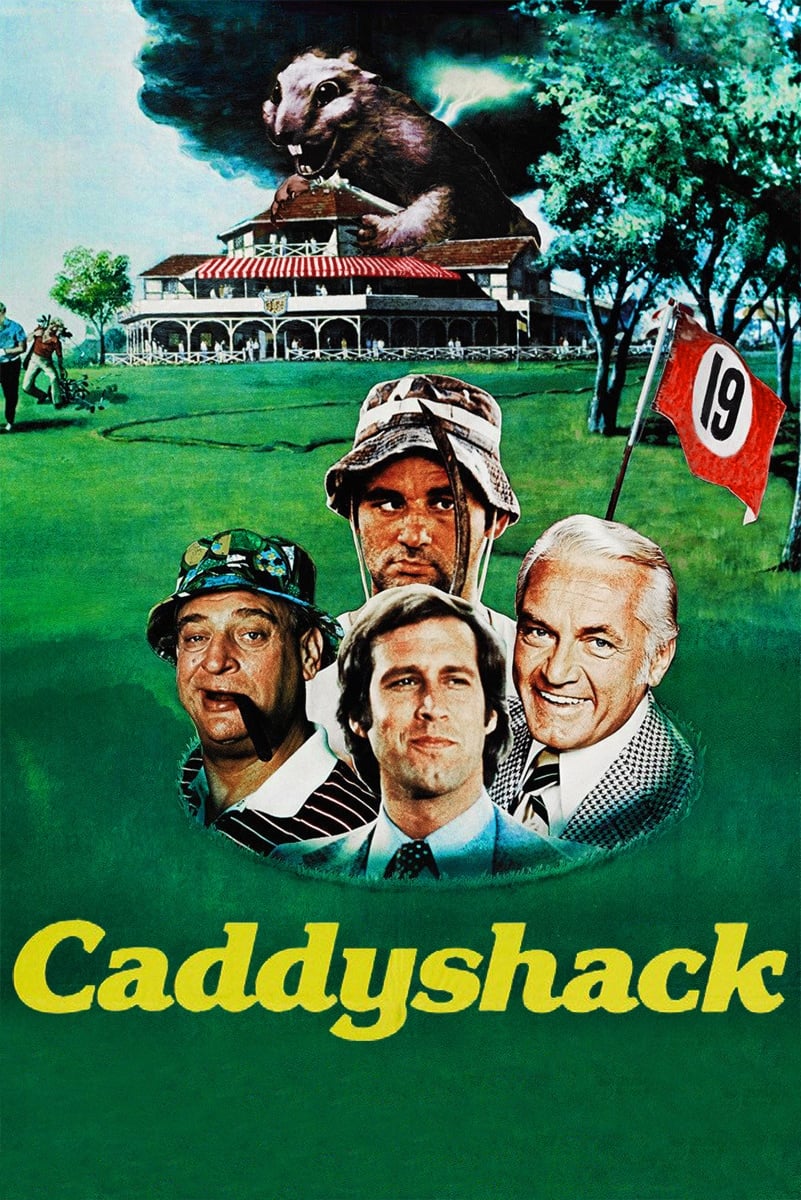
In the discussion (8)
- Michael O'Keefe is at Apex, coming off The Great Santini into the funniest movie of the year; with Tim Hutton he was a young actor to watch before Sean Penn's class eclipsed them. — Bill Simmons
- Dangerfield's Apex is placed in the mid-80s with Back to School, when he became a draw, plus HBO specials breaking Sam Kinnison and Bill Maher; both participants agree. — Bill Simmons
- Ted Knight: career-wise no, since Mary Tyler Moore is his Apex, but retroactively this became his legacy; Too Close for Comfort gets love. — Bill Simmons
- Chevy Chase: no, he got it for Fletch; Bill Murray: no, though his six days of work are pure and golden. — Sean Fennessey
- Cindy Morgan: sadly, yes. — Bill Simmons
- Cocaine is argued as at Apex, before its damage was widely known and while it fueled the film's disjointed creativity; the other participant is uncomfortable placing it on the mountain. — Bill Simmons
- Baby Ruth bars peak with Goonies instead. — Sean Fennessey
- Golf is argued for 1980, citing Jack Nicholas winning two majors, Tom Watson the British and a rising star taking the Masters; the Tiger Woods Mike Douglas appearance is checked; the reply is a hesitant "yes, I guess." — Bill Simmons


