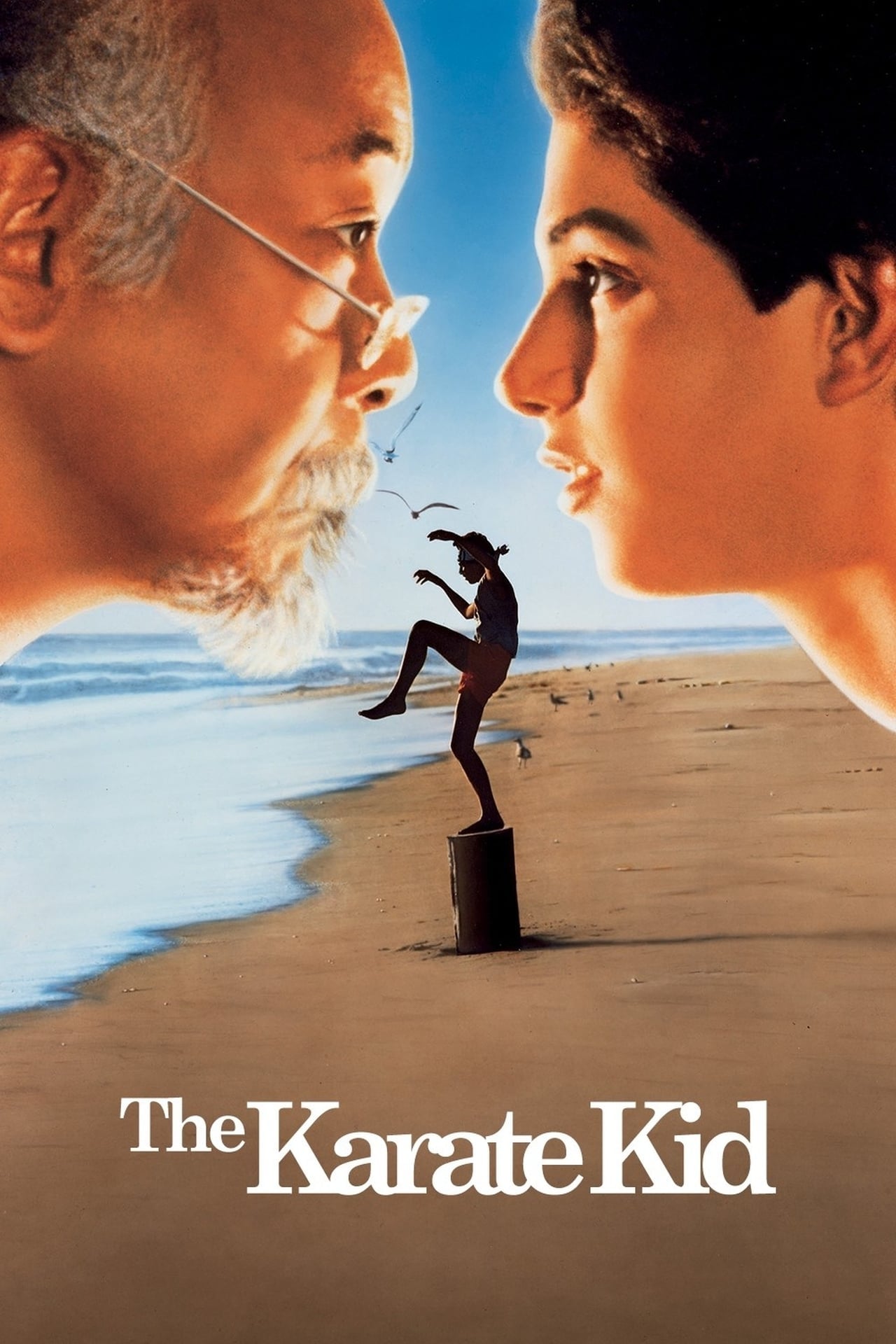
The hosts say the character was originally named Danny Weber and renamed LaRusso once Macchio was cast; Macchio auditioned for Johnny because he did not want to play another good guy. — Bill Simmons
Zabka is cited saying Robert Downey Jr. and Charlie Sheen were considered for Daniel; Downey might have made a better movie, but the counterpoint is that Macchio's odd combination is what makes it stand out, and a likable Downey would have muddied whether Johnny was the villain. — Bill Simmons
Sheen is not seen as Daniel and would have fit Johnny better. — Bill Simmons
The studio originally wanted a famous Japanese actor from Seven Samurai for Miyagi (name garbled in the transcript), but he did not speak English; Bill Cosby is also said to have been mentioned, which would have aged worst. — Bill Simmons
The hosts say Crispin Glover was considered for Johnny before Zabka, and Helen Hunt and Demi Moore for Ali before Shue, who reportedly got it partly from a Burger King commercial and took leave from Harvard. — Bill Simmons
Lawrence Tierney cannot win because he is a bad actor rather than an overactor; it has to be Chris Penn, bad for about ninety seconds after he shoots the cop, spit flying and eyes bulging, trying too hard like he is taking a shit, though he is really great overall; Sean Penn or James Woods are imagined in the scene.
Another nominee is the last thirty seconds of Keitel, climbing on Roth almost romantically after their father-son bond; they bet on the Brewers.
The new category is introduced as something these podcasts have circled before; it is expected to be really funny for a Roadhouse episode, with a case that Ben Gazzara was robbed in 1989 and for the Jeff Healy Band (as transcribed) for Best Original Song.
Several of those nominees are liked, In the Bedroom a lot and Gosford Park pretty good, but Fuqua and Training Day should have been nominated; Lord of the Rings was a tough hang that soaked up nominations for years in a way Star Wars never could, even though one host would take Star Wars a hundred times.
Early validation from a nomination might have set Fuqua on a different course, since the movies he made after this resemble Training Day; Denzel's Best Actor win over Russell Crowe, Sean Penn in I Am Sam, Will Smith in Ali and Tom Wilkinson in In the Bedroom is fine, and Halle Berry won for Monsters Ball (as transcribed).
As in Rain Man, where Tom Cruise is the best person in the movie but Dustin Hoffman won, the performer who blows everyone away obscures how good the other one was; Hawke had to avoid being blown away by Denzel, be on PCP for half an hour and be believable in the fight scenes, which is likened to Chris Paul playing on a hamstring.
Nobody here would pick Kingsley in Sexy Beast over Hawke, though he is good in it; two-hander movies like Butch and Sundance, The Sting, The Color of Money and Rain Man raise the question of how filmmakers present the straight man, and Redford is seen as more important than Hoffman in All the President's Men.
Hawke is in more scenes and the movie starts in his house, so he could be argued as the lead with Denzel supporting, but really both were best actors, and doing it otherwise is like making Geena Davis supporting in Thelma and Louise.
Later, on the phone, the Hawke loss to Jim Broadbent is called terrible and one of the few times an actor was right there with Denzel, alongside Viola in Fences, Morgan Freeman in Glory and Hanks in Philadelphia; he should have gotten that award.
Earlier, the hosts note Denzel had only a supporting Oscar before this, having been passed over for Malcolm X, He Got Game, The Hurricane and Remember the Titans.
Nominees: Ledger's performance, the action sequences, the Breaking Bad fall and turn of Harvey Dent, unusual in a superhero movie, and the death of Rachel Dawes, whose he-went-to-the-wrong-building reveal is emotionally affecting and is placed second.
Rachel Dawes was Katie Holmes's part in the first film; the story is that she was busy making a Queen Latifah movie, which is read as a publicist's version of being replaced; Maggie Gyllenhaal reportedly did not understand Batman and just wanted to work with Nolan, and though she is a little divisive she gives the movie a gravitas it would not otherwise have.
Gyllenhaal seems like a real person in a movie without many, and credibly reads as someone who has known Bruce for a very long time, which he needs since nobody else in his life says 'my friend Bruce'; the love triangle is an underrated nuance, with both men making major life decisions on whether she will be with them.
On the rescue: the Joker lies about the locations, so Batman heads for Rachel, in part because he wants to keep being the Batman rather than hand over to the golden boy, and ends up with Dent; just before, she had answered his if-I-stop-being-Batman question, then chose Harvey.
Asked directly, the answer is Ledger: a YouTube mashup of his scenes is the most interesting stuff; where Sean Penn in Mystic River went from wow to the 'is that my daughter in there' meme, Ledger in clown makeup doing mannered work does not age a day, helped by how controlled his Brokeback Mountain performance had been, everything twenty miles beneath the surface.
Because he arrived already trusted as a great actor, the over-the-top choices are accepted, the tonguing of his scars, the crooked, bent-over posture, the head turned left, as an interpretation differentiated from the comics, the cartoons and Jack Nicholson, a Joker very on the ground and messed up.
Ledger died in January 2008 and the film came out that July, so first viewings carried the knowledge that this was the last time the character would be seen; rewatching ten years later you are simply in the moment with him, and he is the reason to rewatch; compared with the Joker of Suicide Squad, Ledger's has a complete lack of vanity that is crucial.
The interrogation room is the first time he is seen in bright light: makeup cracking away from his eyes, slouched on the floor, poking at the cop, Gordon and Batman, looking weak and deranged, genuinely frightening where Nicholson in Tim Burton's movie, also liked, is cartoonish.
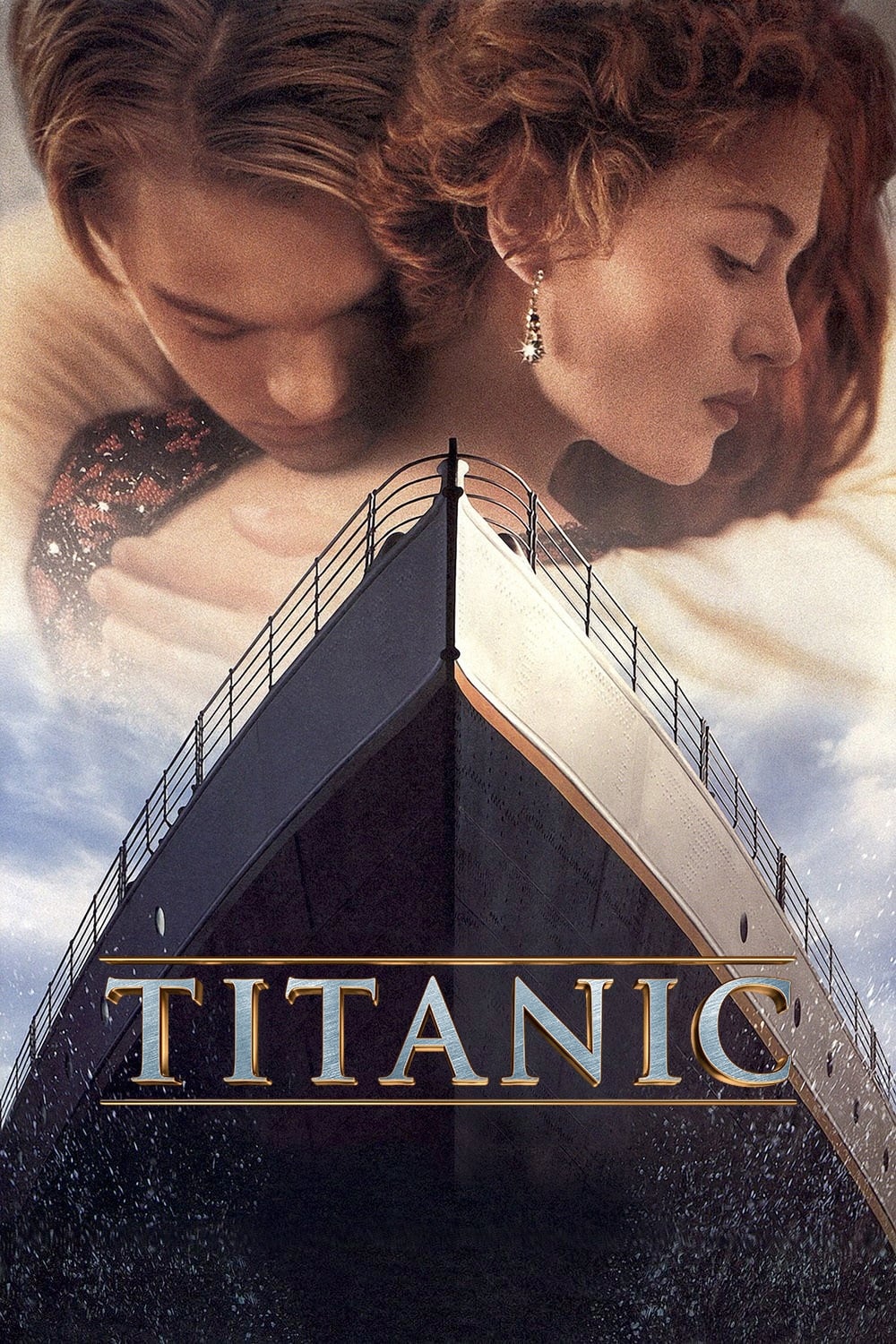
Kate Winslet had to do a screen test, watchable online, opposite Jeremy Sisto, Elton from Clueless, who auditioned but probably was not in contention; the major name in contention for Jack Dawson was Matthew McConaughey.
Stephen Dorff is the verified one: a New York Daily News piece headlined 'actor is thankful he didn't get Titanic role' has the Blade co-star saying he wanted a career like Johnny Depp, Sean Penn and Jack Nicholson and an Oscar, which Titanic would have made impossible, and that Leo will always be the guy on the boat.
One host disagrees that Leo is the guy on the boat, since he has been in so many hits and everyone has a favorite Leo, whereas Matt Damon and Ben Affleck are more locked into their 90s work; Sofia Coppola is said to have made Somewhere with Dorff because he never blew up, and Titanic will be in the first line of DiCaprio's obituary, and of Billy Zane's.
Billy Zane has not done much anyone has heard of since, though he has been in three times as many films as Kate Winslet.
Chris O'Donnell, named on Wikipedia for Jack, would have been a great and adorable Jack given his Batman movies and a season-two television arc, but could not have taken the film past a billion dollars; Leo is singular and the chemistry is enduring, though he seems strikingly innocent and little in it.
Rob Lowe was in the mix for Cal and is a great asshole, as in St. Elmo's Fire; pre-West Wing he might not have pulled viewers out of the film, though one host says he would have a little, and the leads mostly had blank or clean reputations at the time, which the hosts think mattered.