
Stats
- Episodes featuring their films
- 8
- Movies in this archive
- 7
Rewatchables episodes featuring David Fincher’s films
Gone Girl
2014 film
Bill Simmons · Shea Serrano · Mallory Rubin · Sean Fennessey
Aired August 13, 2019
Mentioned in discussions
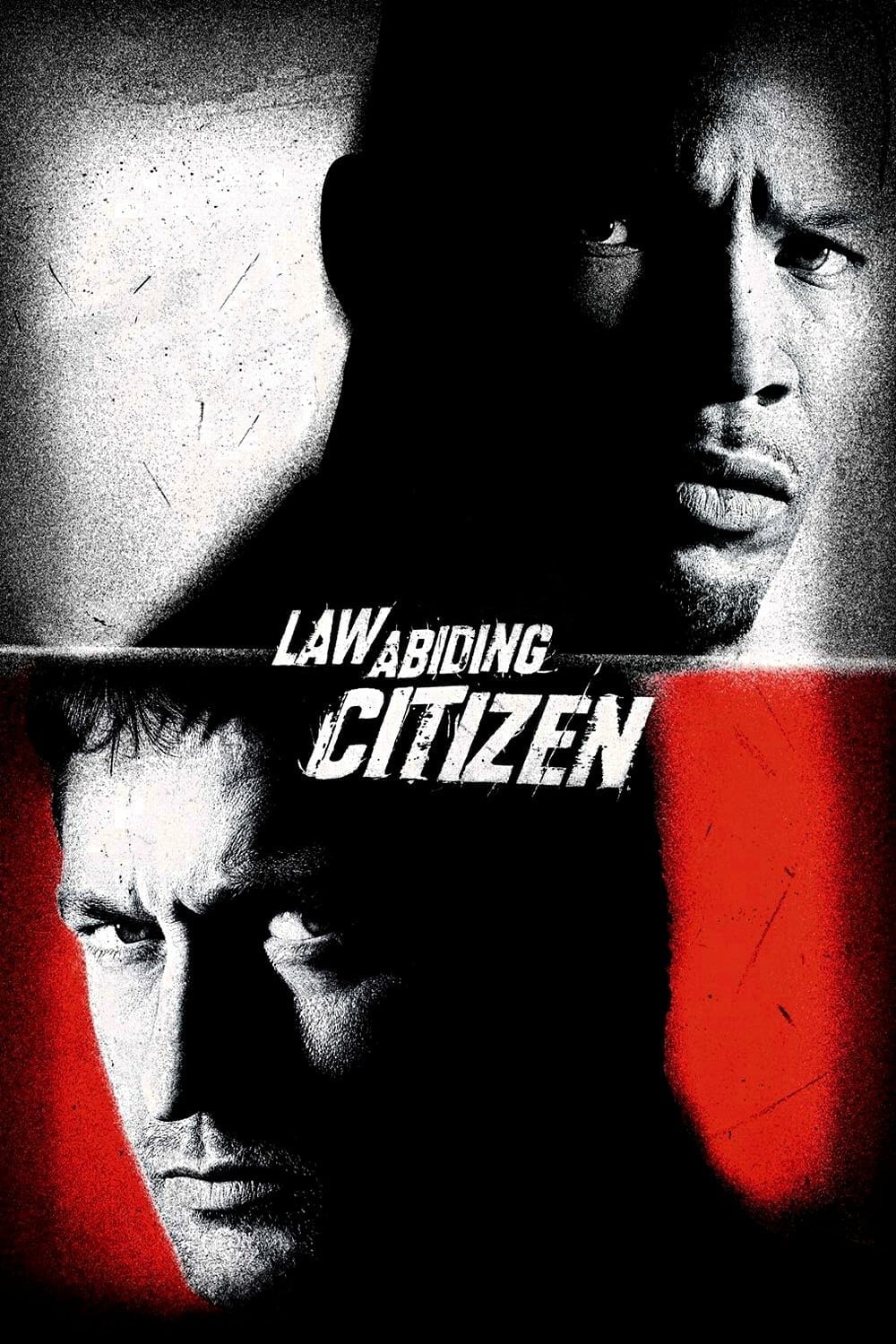
In the discussion (7)
- The award for the biggest cop-out of an ending is invoked; wondering how the film should have ended is part of why it is rewatchable. — Bill Simmons
- One proposed ending has Clyde anticipate Nick's move and blow him up in the cell or escape, or plant a second briefcase so Nick must choose between killing both of them or City Hall.
- Nick has to die: outside the two murderers he is the one most to blame, and Clyde kills everyone else around him.
- A counterpoint compares Seven, where the final murder has to happen, and calls this a bad David Fincher film; but in Seven John Doe is outside the two leads, so killing Nick would validate Clyde's killings, unless Clyde blows both of them up. — Bill Simmons
- Another alternative: at the recital Nick's tie could carry poison, since the film sets up Clyde's tie that strangled a man; the ending may have been planned and chickened out of, like going for it on fourth down all game and then kicking a field goal. — Bill Simmons
- The ending should have been settled earlier, from the cellmate killing; Clyde would have had to die or choose not to go through with it, instead of dumb Nick outsmarting the CIA operative. — Van Lathan
- Returning to it at the end: Nick has to die in the last scene; one voice says 'I think we all agree' it is a better movie if he dies. — Bill Simmons

In the discussion (2)
- Three audible responses affirm David Fincher as the winner.
- The Zodiac killer is raised afterward as an alternative because he escaped and the film burnishes his myth.
Podcast choices
- Speaker not identified
- David Fincher
- Speaker not identified
- David Fincher
- Speaker not identified
- David Fincher


The Coach Finstock Award for Best Life Lesson
“It’s not finished until you type it up”; keep investigating even at the cost of family and sanity if Fincher may adapt it (sarcastic)
In the discussion (2)
- “It’s not finished until you type it up” is offered as a life lesson and compared with the idea that movies are abandoned rather than finished. — Bill Simmons
- A sarcastic second lesson says never stop a murder investigation, even if it costs family and sanity, because it might lead to a David Fincher movie. — Bill Simmons

In the discussion (2)
- The category is run as a regular named question. — Bill Simmons
- Fincher is selected over the actors and craftspeople. — Bill Simmons

Apex Mountain
David Fincher (creative apex disputed); Mark Ruffalo as a movie detective; John Carroll Lynch; Zodiac within Fincher’s filmography
In the discussion (10)
- Fincher’s apex is disputed among Zodiac, The Social Network, Fight Club, and Gone Girl, with a distinct case for Zodiac as his creative apex.
- Mark Ruffalo is judged at an apex specifically as a movie detective, with Zodiac favored over Collateral. — Bill Simmons
- Gyllenhaal’s apex is debated against Nightcrawler and his End of Watch/Prisoners period.
- San Francisco movies are measured against 48 Hrs., Bullitt, and Dirty Harry. — Bill Simmons
- Chloë Sevigny is rejected in favor of The Last Days of Disco. — Bill Simmons
- Fincher villains are compared, with John Doe favored over Arthur Leigh Allen and Mark Zuckerberg. — Bill Simmons
- John Carroll Lynch movies are compared, and Zodiac is chosen over Fargo. — Bill Simmons
- Donovan needle drops are compared across Zodiac, To Die For, and Goodfellas.
- Wooden dildos receive a joking apex discussion.
- Zodiac is selected as Fincher’s best or favorite movie, with Seven and other later films discussed. — Sean Fennessey

Recasting Couch
Reject Michael Keaton for Anthony Edwards; John Slattery for the ensemble
In the discussion (4)
- Michael Keaton is proposed for Anthony Edwards’s role. — Sean Fennessey
- The proposal is rejected because Keaton would be too large for the role’s assist function. — Sean Fennessey
- Fincher reportedly called Anthony Edwards the embodiment of an assist. — Sean Fennessey
- John Slattery is proposed for an unspecified supporting role.
Casting What-Ifs
Gary Oldman, Orlando Bloom, Brad Pitt, and Jennifer Aniston appear in a detailed casting history.
In the discussion (6)
- Gary Oldman was considered for Melvin Belli but physical resemblance was an issue. — Sean Fennessey
- Orlando Bloom was lined up as an alternative Graysmith. — Sean Fennessey
- Jennifer Aniston reportedly recommended Gyllenhaal and Ruffalo to Fincher. — Sean Fennessey
- Aniston declined the Chloë Sevigny role. — Sean Fennessey
- Fincher wanted Brad Pitt for Avery before Robert Downey Jr. — Bill Simmons
- The panel prefers Downey’s fast, nervy energy for Avery. — Sean Fennessey
The David Fincher Award for “Wow, This Director May Have Been a Fucking Lunatic”
Digitally adding knuckle hair to Jake Gyllenhaal’s hands
The panel proposes a new category here.
In the discussion (3)
- The full new award name is spoken. — Bill Simmons
- Fincher reportedly judged Gyllenhaal’s hands too hairless and pretty. — Bill Simmons
- Hair was digitally added to close-ups of Gyllenhaal’s knuckles. — Bill Simmons

What’s Aged the Best?
True-crime culture, period San Francisco, Downey, the protagonist shift, Graysmith’s internet-like obsession, Fincher’s catalog, and several craft details
In the discussion (14)
- Chloë Sevigny’s humor and deliberately ordinary styling are praised.
- The rise of true-crime culture gives the film more resonance. — Bill Simmons
- Late-1960s and early-1970s San Francisco is nominated as an enduring setting. — Bill Simmons
- Fincher’s San Francisco feels haunted and geographically unmistakable.
- Downey’s mutterings and banter with Gyllenhaal are praised. — Chris Ryan
- The tonal and procedural shift from Toschi to the isolated Graysmith is praised. — Chris Ryan
- The unsolvability of mundane tragedy is treated as a lasting subject. — Sean Fennessey
- Graysmith’s external obsession anticipates internet behavior. — Sean Fennessey
- Robert Downey Jr.’s comeback context is nominated. — Bill Simmons
- Zodiac’s place in Fincher’s catalog is nominated. — Bill Simmons
- Paul Avery’s waterside home is praised.
- The Chronicle newsroom recreation is praised for capturing an empty morning newspaper office. — Bill Simmons
- The soundtrack’s gradual move into yacht rock is praised. — Bill Simmons
- Downey’s on-screen smoking is praised.

Steven Seagal shitting on himself award for most unbelievable anecdote from the actual film shoot
Fincher’s repeated takes and exacting treatment of Gyllenhaal, Downey, and Ruffalo supply several production-shoot anecdotes.
In the discussion (6)
- Fincher’s extreme number of takes is the central production anecdote. — Bill Simmons
- Gyllenhaal reportedly found the process bruising and later described difficulty working that way. — Bill Simmons
- A take in the mid-fifties was reportedly used after many repetitions. — Bill Simmons
- A reshoot involving Gyllenhaal’s father is discussed. — Bill Simmons
- Downey’s improvisational energy and Fincher’s control are contrasted. — Sean Fennessey
- Ruffalo’s experience with the exacting process is discussed. — Bill Simmons

Recasting Couch
Santa Monica; David Fincher; Patrick Dempsey; Sandra Bullock; Demi Moore; Andrew McCarthy
In the discussion (4)
- Andrew McCarthy is proposed as a more appealing Rick, and the absent makeover montage is regretted.
- Recasting suggestions relocate the story to Santa Monica or imagine a darker David Fincher version. — Bill Simmons
- Patrick Dempsey is proposed as a Rick whose nerd-to-attractive transformation would be clearer. — Joanna Robinson
- Sandra Bullock and Demi Moore are proposed for Terry; objections concern whether the disguise would be convincing.

Recasting Couch
Directors: De Palma, Fincher, or Lyne. Norman: Richard Gere. Cellist: unresolved.
In the discussion (6)
- Laura Sangiacomo is proposed for Jody. — Chris Ryan
- The director rendered as BDP is proposed for a more sexual version with longer camera moves.
- David Fincher is proposed, with Panic Room cited as a nearby version of the material. — Mallory Rubin
- The director rendered as Adrian Line is proposed for a hornier supernatural version. — Mallory Rubin
- The actor rendered as Richard Gear is proposed as Norman. — Mallory Rubin
- Kelly Preston is considered and rejected; the discussion cannot settle on a replacement cellist.
Films in the archive

Fight Club
1999


Gone Girl
2014
Panic Room
2002

Se7en
1995

The Game
1997

The Social Network
2010
Zodiac
2007