
Stats
- Episodes featuring their films
- 8
- Movies in this archive
- 7
Rewatchables episodes featuring David Fincher’s films
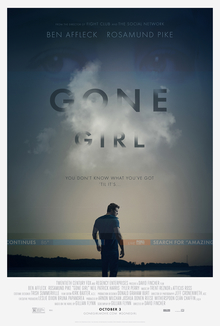
Gone Girl
2014 film
Bill Simmons · Shea Serrano · Mallory Rubin · Sean Fennessey
Aired August 13, 2019
Mentioned in discussions


Greatest San Francisco Movie/TV House of All Time
Party of Five house; Alcatraz from The Rock
In the discussion (6)
- Six nominees: the Mrs. Doubtfire house, Full House, the Pacific Heights house (three stories on a hill), the Party of Five house, That's So Raven (offered for Shea), and the 1978 Invasion of the Body Snatchers house of Donald Sutherland. — Bill Simmons
- The Party of Five house is declared a pick. — Bill Simmons
- 40 Days and 40 Nights is floated as possibly set in San Francisco. — Shea Serrano
- The house from David Fincher's The Game is added, with a top-five movie kitchen, and Full House is echoed for teaching about San Francisco. — Bill Simmons
- Research found the Mrs. Doubtfire house on every famous-houses list; it became a tourist attraction where flowers were left after Williams died, and Williams also owned an iconic San Francisco house on landmark lists. — Bill Simmons
- A pick claimed to beat both others: Alcatraz from The Rock, to own and live in; it is called a great choice. — Bill Simmons
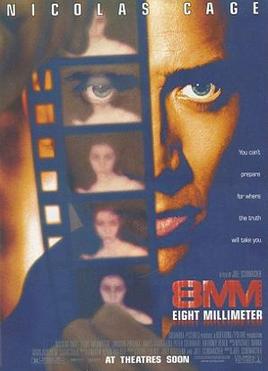

Casting What-Ifs
David Fincher; Russell Crowe; disputed casting rumors
In the discussion (5)
- Fincher is discussed as an initially approached director. One view thinks it would repeat Se7en and The Game; another expects fundamentally different choices and a more lasting sensory impact.
- Crowe is described as an earlier intended lead for a lower-budget version and is preferred by one speaker; Cage’s greater contemporary star power is said to explain the change. — Bill Simmons
- An internet claim that Mark Wahlberg turned down Max California is treated as uncertain; he spends too much time in the gym for the role. — Bill Simmons
- Friedkin, Verhoeven, and Gibson are mentioned as internet rumors whose reliability the panel questions. — Chris Ryan
- Travolta in the lead is proposed as a way to make the film even stranger through overacting. — Van Lathan

In the discussion (4)
- A participant initially proposes no winner because this is not the best work of anyone involved, except possibly Deborah Kara Unger; the panel objects that career-best work is not the criterion. — Chris Ryan
- Douglas is defended because his old-school movie-star presence carries nearly every scene and gives the audience its point of view.
- Penn is defended because Conrad’s few scenes require an actor with enough energy and danger to make the entire premise work. — Bill Simmons
- Fincher is rejected because he disowned the movie, though its success helped position him to make Fight Club.
Podcast choices
- Speaker not identified
- Michael Douglas
In the discussion (6)
- Michael Douglas, Sean Penn, and David Fincher are rejected as apex cases for this movie. — Bill Simmons
- Deborah Kara Unger is given an emphatic apex verdict. — Bill Simmons
- The movie is considered as the last strong pre-Silicon-Valley San Francisco film, though Zodiac and Bullitt complicate the claim. — Bill Simmons
- Johnny’s Coffee Shop is proposed as an apex location after appearing as a set in many films. — Bill Simmons
- James Rebhorn is explicitly raised as another apex candidate.
- The birthday cheeseburger is jokingly proposed for a food-on-film apex.

Half-Assed Internet Research
The script’s sale and rewrites, a paramedic cameo by a performer whose name is transcribed as Spike Jones, and a rejected alternate ending
In the discussion (5)
- The producer whose name is transcribed as Steve Golem bought the script from MGM and gave it to Fincher. — Bill Simmons
- Fincher recruited Seven writer Andrew Kevin Walker for rewrites. — Bill Simmons
- A performer whose name is transcribed as Spike Jones appears as a paramedic in the final scene. — Bill Simmons
- A Criterion release includes an alternate ending in which Nicholas declines a taxi and walks away. — Bill Simmons
- The other paramedic is identified as the actor who runs the sex shop in Seven. — Sean Fennessey

What’s Aged the Worst?
The Mexico detour, Fincher’s dislike of the movie, Deborah Kara Unger’s later career, and repeated Super 8 flashbacks draw criticism.
In the discussion (4)
- The movie drags after Nicholas wakes in Mexico, and moving the sequence to San Bernardino is proposed as a faster alternative. — Bill Simmons
- Fincher’s public dislike of the movie is itself called something that aged badly. — Bill Simmons
- Deborah Kara Unger’s career after this role is described as a disappointment. — Bill Simmons
- The repeated Super 8 images of the father’s suicide are said to break the tone and over-explain Nicholas. — Chris Ryan

What’s Aged the Best?
Sean Penn, the final bill split, San Francisco locations, fluorescent graffiti, thriller phrases, Deborah Kara Unger, and Fincher’s hidden societies are praised.
In the discussion (9)
- Sean Penn’s unreliable, volatile brother remains a major strength. — Bill Simmons
- The brothers silently agreeing to split the final bill is praised as a sharp closing joke. — Bill Simmons
- The Ritz-Carlton remains an unchanged and recognizable San Francisco location. — Bill Simmons
- The graffiti-covered house remains visually memorable. — Bill Simmons
- The phrases “they’re watching” and “now you’ve done it” are praised as durable thriller devices.
- Deborah Kara Unger is praised as well suited to the movie, while the panel wonders why she did not become a larger star.
- The panel reports that Fincher and Douglas cast her after seeing a Crash sex scene on her reel, then explicitly questions whether that story is true. — Sean Fennessey
- Fincher’s Bay Area photography gives the city a strong cinematic identity. — Chris Ryan
- The hidden organization operating through familiar hotels, phones, and bank systems fits Fincher’s recurring interest in secret societies in plain view. — Chris Ryan
In the discussion (2)
- Fincher receives a choice and explicit agreement, while Freeman is said to nearly share the honor for guiding viewers through the world. — Chris Ryan
- Fight Club’s lasting impact is disputed; Fincher’s subsequent creative control and craftsmanship support the choice. — Sean Fennessey
Podcast choices
- Speaker not identified
- David Fincher
- Speaker not identified
- David Fincher
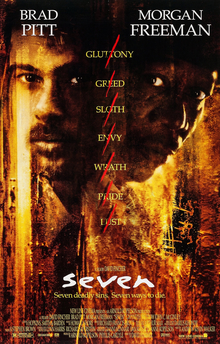

Sequel, Prequel, Limited Series, or All-Black Remake
Seven-episode series; older Mills investigates copycat sins
In the discussion (2)
- A seven-episode series receives interest, qualified by concern that the original depends on its unusually gifted team; Copycat is the comparison.
- A Fincher sequel with older Mills is pitched: barred from police work and perhaps a bounty hunter, he joins a younger partner to investigate anniversary copycat killings; Michael B. Jordan and Ronan are suggested, alongside a transcript-garbled young actor name. — Bill Simmons

Apex Mountain
Morgan Freeman (disputed)
In the discussion (3)
- Freeman receives a yes based on Shawshank followed by Seven and resulting leverage; 1989 and the pre-Robin Hood period challenge it. — Bill Simmons
- Pitt and Fincher receive no; an early-Paltrow proposal is rejected as incompatible with the definition, and American Beauty is preferred for Spacey. — Bill Simmons
- The French Revolution is preferred for decapitations and Dante for the deadly sins. — Bill Simmons
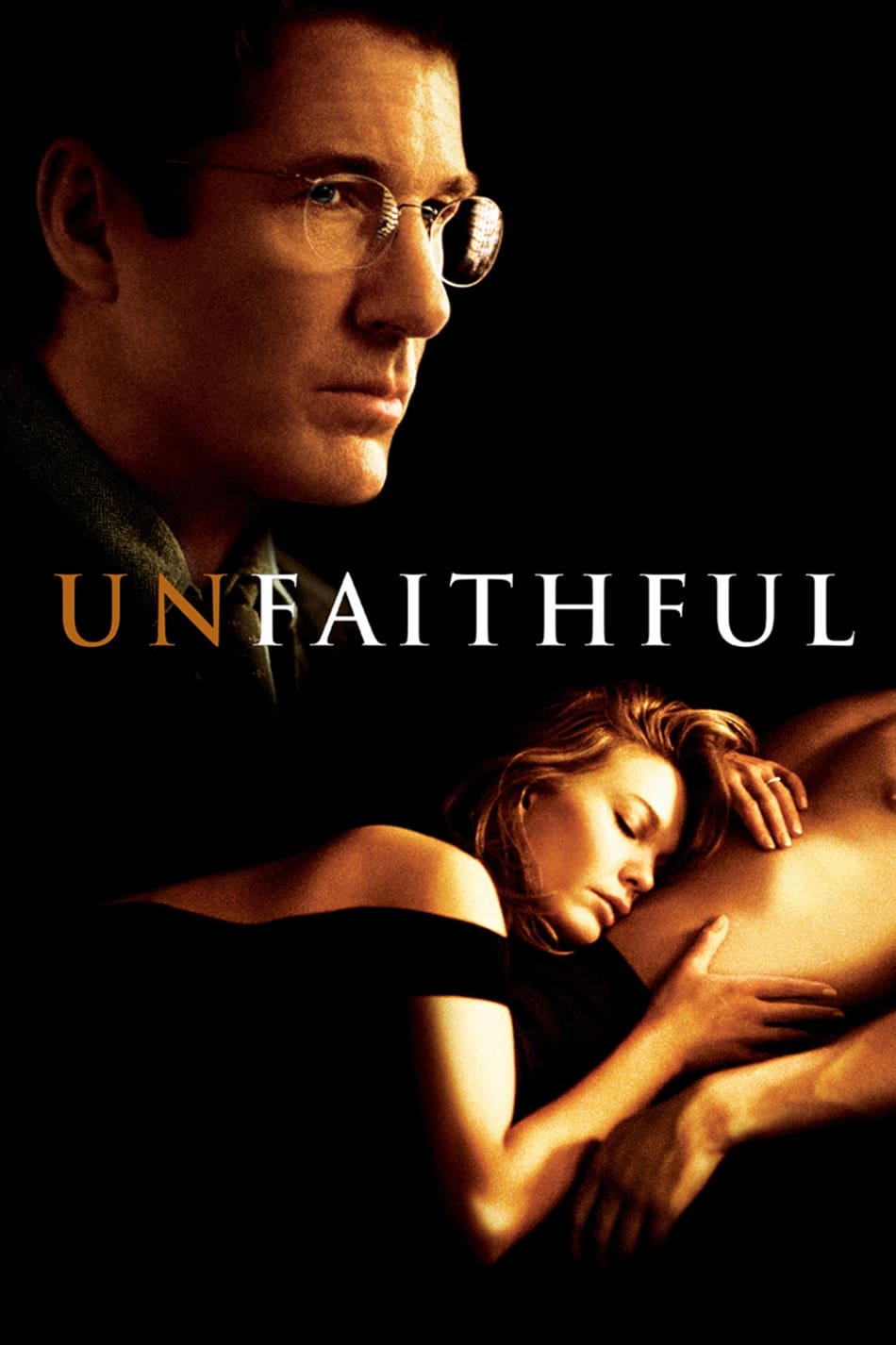
Half-Assed Internet Research
Source film; Lyne's repeated takes; weight-gain request; smoke-filled apartment illnesses
In the discussion (6)
- The film is based on the 1969 French film The Unfaithful Wife. — Bill Simmons
- Lyne's repeated takes, especially for the sex scenes, were demanding and meant to break the actors down; by the end, per Lane, you're physically and emotionally shattered. — Bill Simmons
- The strangeness of acting is noted, with hours of simulated sex until you crack, and the shivering in the first sexual encounter is praised. — Wesley Morris
- Lyne wanted Gere and Lane to gain weight to seem like a comfortable middle-aged couple; both refused, and donuts left in Gere's trailer every morning did not take. — Bill Simmons
- Per Gere, the smoke in the apartment blew out their throats and a doctor was on hand shooting people up with antibiotics for bronchial infections; Lyne is called the true madman compared with David Fincher. — Bill Simmons
- Earlier, flagged as half-assed internet research: Lyne shot five endings after Fatal Attraction, the studio wanted the characters punished, Gere and Lane returned weeks before release to reshoot the car ending, and an alternate ending had him walking to the police station. — Bill Simmons
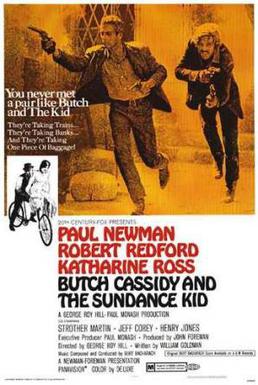
Half-Assed Internet Research
Body count of 30; a 1979 prequel with Tom Berenger and William Catt; Catherine Ross clashed with George Roy Hill and later married Conrad Hall; Montezuma's revenge in Mexico except for the stars; Redford did his own train-top stunt; Bob Dylan was asked to sing Raindrops; Redford hated the bicycle interlude; the film motivated David Fincher; Newman and Hill fought over the Bledsoe scene
In the discussion (8)
- Guessing the body count: the five Bolivian payroll robbers are counted, the army at the end is debated since the frame freezes and only gunfire is heard, and the shootout before it may be covering fire; the answer is 30, more than expected.
- A 1979 prequel, Butch and Sundance: The Early Days, starred Tom Berenger as Butch and William Catt (as transcribed) of Greatest American Hero as Sundance; Goldman produced but did not write it, and people did not like it.
- Catherine Ross did not get along with George Roy Hill, saying any day away from him was a good one; she was scolded and banned from the set for a day for operating a camera, which Conrad Hall had allowed, and Hall and Ross married shortly after; she liked the silent bicycle sequence most because the second unit, not Hill, shot it.
- The Bolivia scenes were shot in Mexico, where everyone got Montezuma's revenge except Redford, Newman and Ross, who drank only soda and beer; Newman called it the most fun he ever had making a film, and he and Redford became legitimately close, which shows on screen in this and The Sting.
- Redford wanted to do his own stunts and ran along the tops of the train cars himself despite Newman objecting that he did not want to lose a co-star.
- The filmmakers tried to get Bob Dylan to sing Raindrops Keep Falling on My Head and he declined; one participant sees the attempt as reaching across the century divide to feel contemporary, and 1969 was a nice year to get Dylan; Scorsese's Rolling Thunder documentary is called inspiring in an aside.
- Redford was honest that he thought the bicycle musical interlude killed the movie the first time he saw it and that the whole sequence was terrible, and the sequence was scotched; one host can picture an early screening feeling that way and beseeching Hill to cut it; now it is classic, perhaps the most iconic scene for broad audiences while fans pick the waterfall, the song was the year's biggest hit and the most parodied, and BJ Thomas's people thought it ruined his career.
- The film motivated David Fincher to become a director and the guest to become a screenwriter, so without it The Social Network does not happen; the only major Newman and Hill conflict was the Bledsoe scene, which Newman wanted at the end of the chase as the catalyst for Bolivia, and they argued about it daily on set.
Films in the archive

Fight Club
1999


Gone Girl
2014
Panic Room
2002

Se7en
1995
The Game
1997

The Social Network
2010

Zodiac
2007