
‹ All people

The Italian Job

The Italian Job

The Italian Job

The Italian Job

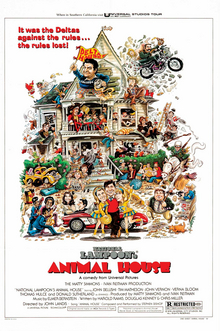
Animal House


Disclosure

Disclosure

Disclosure

Disclosure

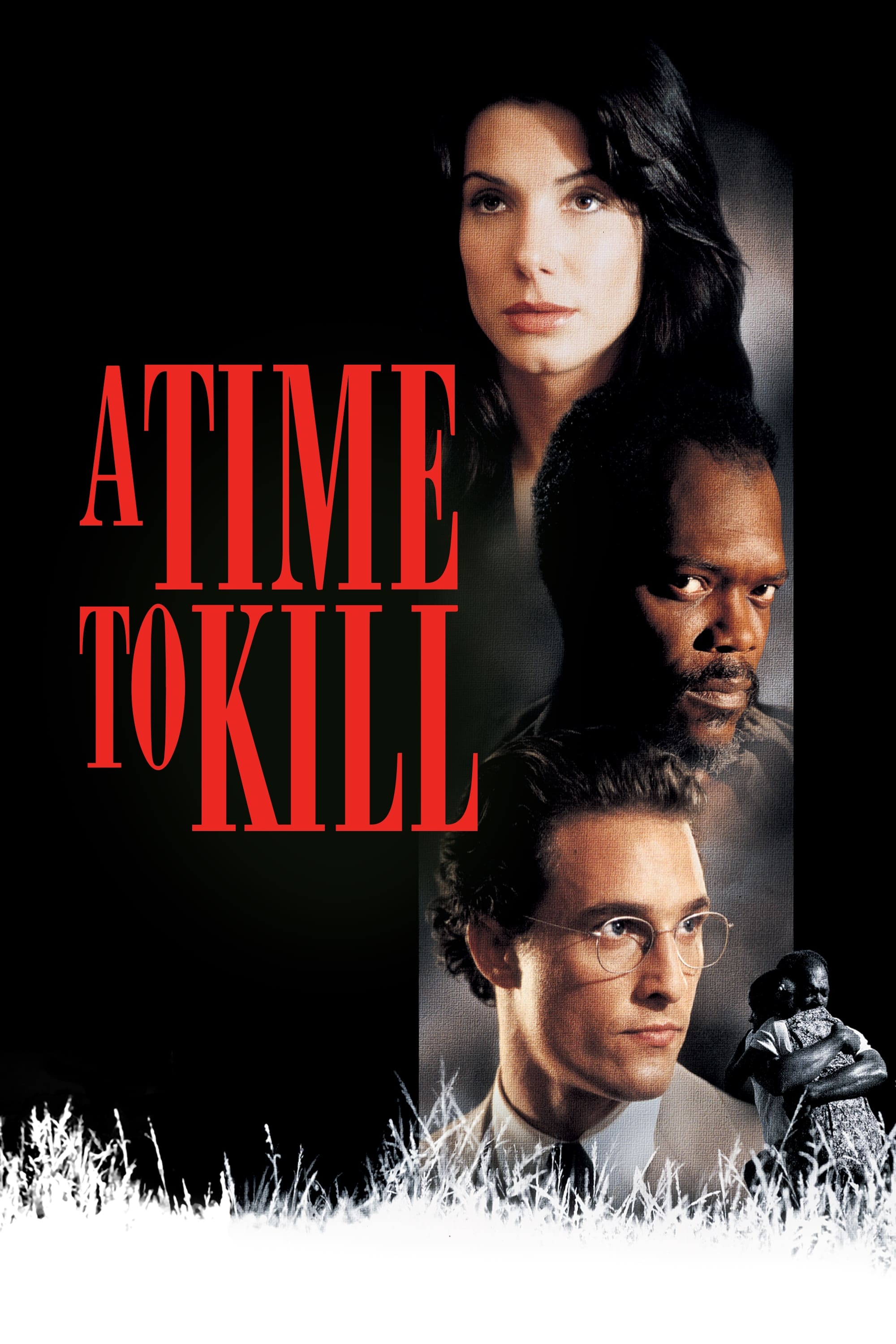
A Time to Kill
Stats
- Episodes featuring their films
- 6
- Movies in this archive
- 6
Rewatchables episodes featuring Donald Sutherland’s films
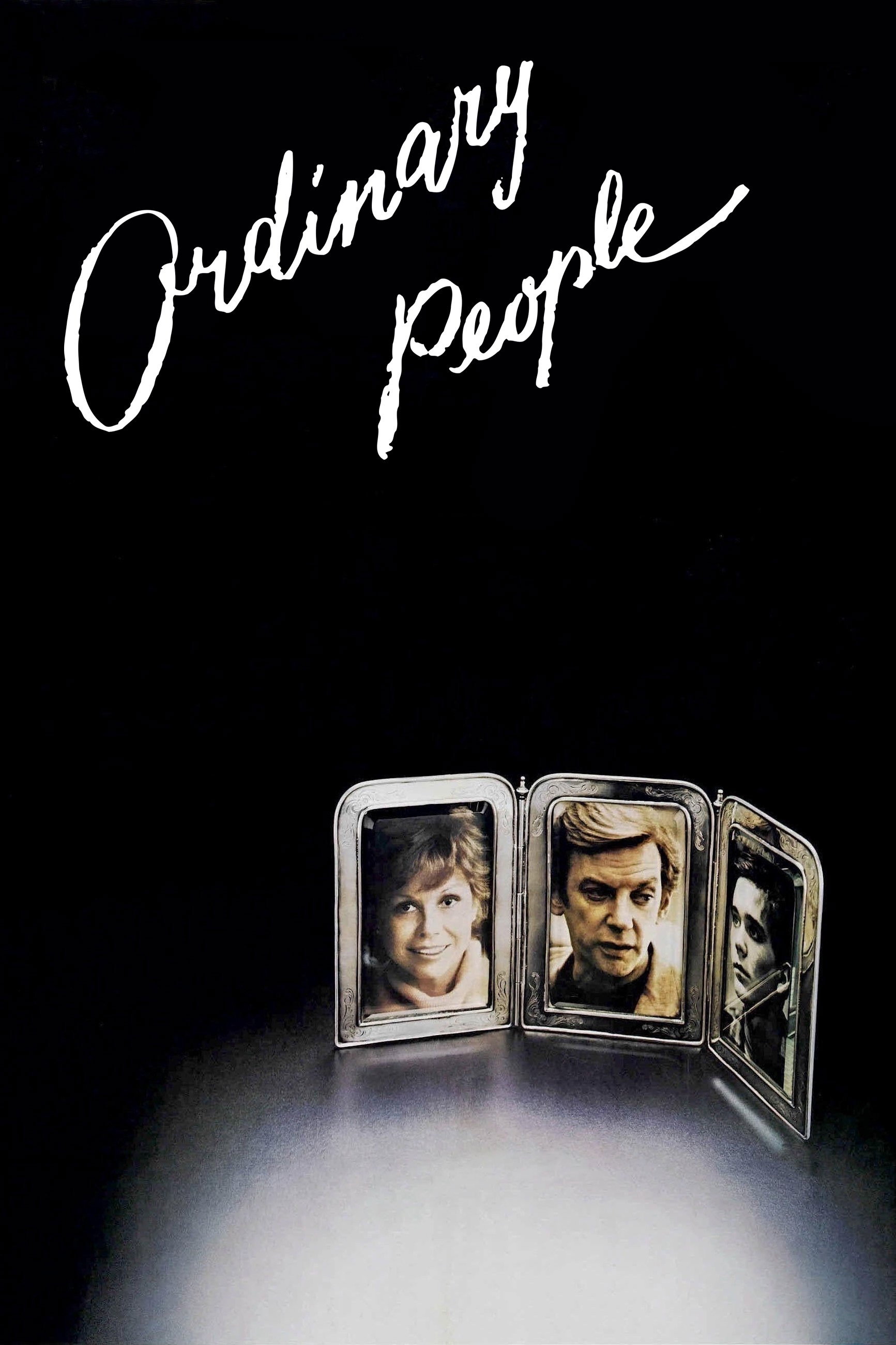
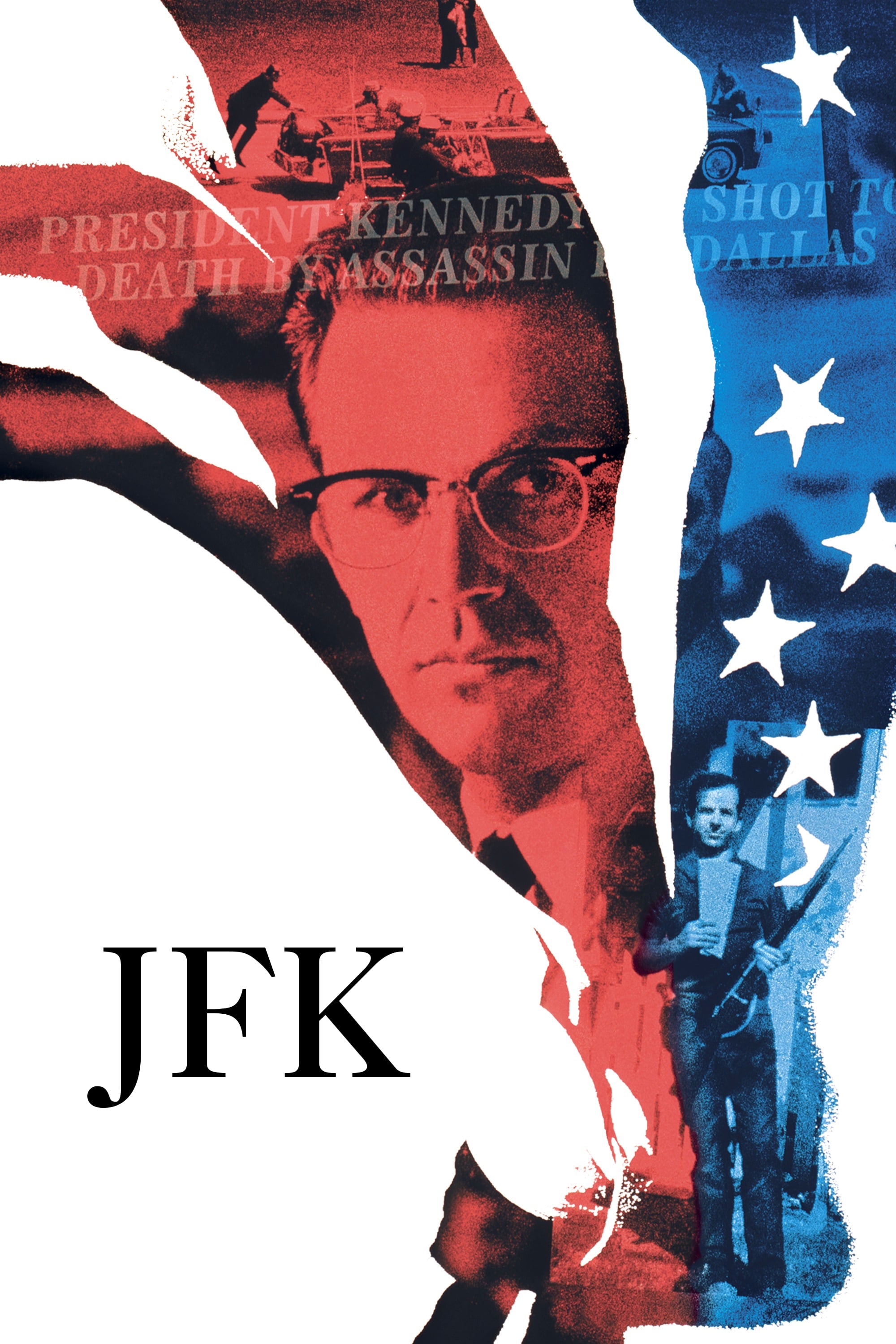
Displaying all 6 episodes
Mentioned in discussions
The Coach Finstock Award for Best Life Lesson
Trust everyone, but not the devil inside them.
In the discussion (1)
Approx. transcript time · 01:37:38Read transcript
- The lesson about trusting everyone but not the devil inside them is selected. — Chris Ryan
Sequel, Prequel, Limited Series, or All-Black Remake
Six sequels; a Donald Sutherland prequel; Stella Bridger series; all-Black heist film.
In the discussion (3)
Approx. transcript time · 01:32:08Read transcript
- Multiple location-based sequels are requested.
- A Donald Sutherland prequel and Stella Bridger safecracker series are proposed.
- An all-Black heist film prompts discussion of unequal audience perceptions of criminal ingenuity. — Van Lathan
The Dion Waiters Award for Best Heat Check Performance
Shawn Fanning; Donald Sutherland; Skinny Pete.
In the discussion (2)
Approx. transcript time · 01:23:37Read transcript
- Donald Sutherland and Skinny Pete are proposed.
- Shawn Fanning is selected as an inspired cameo choice.
The Great Shot Gordo Award for Most Cinematic Shot
Body surfacing; Venice pan into the house.
In the discussion (2)
Approx. transcript time · 00:58:48Read transcript
- Donald Sutherland’s body surfacing is proposed.
- The pan over Venice and down into the house is proposed. — Bill Simmons
In the discussion (3)
Approx. transcript time · 01:05:54Read transcript
- Donald Sutherland is selected for making two brief scenes feel like an event — Bill Simmons
- Dean Wormer’s wife is an alternative choice
- Shelley, Fawn’s roommate, is offered as another alternative — Chris Ryan
What’s Aged the Best?
The music, Bluto’s sports-arena rally speech, several performances, and many durable comic bits
In the discussion (8)
Approx. transcript time · 00:37:19Read transcript
- “Louie Louie” and “Shout” are praised as enduring party and wedding songs
- Donald Sutherland enabling the production and his brief performance are appreciated — Bill Simmons
- Bluto’s rally speech is praised for becoming a home-arena staple — Bill Simmons
- The women’s-college visit and kiln-explosion story are praised as sharply observed — Chris Ryan
- Belushi smashing the acoustic guitar is described as an enduring party fantasy — Chris Ryan
- Tim Matheson’s Otter performance is praised as charming, funny, and star-worthy — Bill Simmons
- The ROTC students, golf scene, and opening fraternity-door gag are praised — Bill Simmons
- The film’s jokes and music are described as still effective despite dated material — Bill Simmons
Apex Mountain
Sexual-harassment movies; actor Dennis Miller; 1991 Pahlmeyer; Miss Teenage New Mexico; Seattle setting
In the discussion (9)
Approx. transcript time · 01:27:59Read transcript
- Michael Douglas is rejected for Apex. — Bill Simmons
- Moore's Apex is disputed among Disclosure, Indecent Proposal, and Ghost. The argument for this film centers on the record Striptease salary secured afterward, while opponents emphasize the films most associated with her. — Bill Simmons
- Sexual-harassment movies are affirmed as an Apex choice. — Bill Simmons
- Older Donald Sutherland is considered around Disclosure and Six Degrees of Separation, with Outbreak and Invasion of the Body Snatchers as alternatives. — Bill Simmons
- Virtual reality is rejected for Apex. — Bill Simmons
- Dennis Miller’s acting career is affirmed, with this film and The Net as the relevant stretch. — Bill Simmons
- The 1991 Pahlmeyer is an affirmative Apex choice. — Bill Simmons
- The Miss Teenage New Mexico pageant is an affirmative Apex choice because the hosts had not otherwise heard it mentioned. — Bill Simmons
- Seattle as a setting is affirmed in the context of its sports and technology rise, with a correction from Singles to Sleepless in Seattle during the discussion. — Bill Simmons
The Ruffalo / Hanna / Rubinek / Partridge Overacting Award
Douglas; Sutherland; Baker
In the discussion (3)
Approx. transcript time · 01:15:26Read transcript
- Overacting: Michael Douglas is one choice, especially the angry power speech; a response argues that rage is appropriate to the character. — Bill Simmons
- Donald Sutherland is another overacting choice for cartoonish corporate menace and grabbing a subordinate during the crushing-Tom conversation. — Bill Simmons
- Dylan Baker is a third overacting choice for signaling his character's untrustworthiness immediately and insistently. — Bill Simmons
What’s Aged the Worst?
CD-ROMs; nightmare; final slap; family email; anonymous friend
In the discussion (6)
Approx. transcript time · 01:14:29Read transcript
- CD-ROMs as a crucial plot device have aged poorly. — Bill Simmons
- The Donald Sutherland sexual-advance nightmare is an aged-worst choice. — Bill Simmons
- The assistant’s closing backside slap is criticized as a terrible full-circle payoff. — Bill Simmons
- The sentimental family email is considered corny, making the film end like a Disney movie. — Bill Simmons
- The anonymous-friend device is called tacky. — Bill Simmons
- The SuperSonics are named as aged worst, though affection for the team makes aged best an alternative. — Bill Simmons
Most Rewatchable Scene
Meredith encounter; hotel-room VR
In the discussion (16)
Approx. transcript time · 00:42:36Read transcript
- Rewatchable scenes: Tom learns he may lose his job, then meets Meredith and angrily tells his staff he was passed over. The workplace banter is praised as absurdly full of statements that would now prompt HR complaints. — Bill Simmons
- The staff's impromptu feminism debate is praised, especially the female engineer who can trade jokes with the men while explaining obstacles they dismiss. Dennis Miller supplies the wisecracks. — Bill Simmons
- The after-hours drink with Meredith is praised for Moore's intensity and described as exceptionally charged without nudity. The hosts debate how its appeal implicates viewers because she ignores refusal, while the former couple's familiarity complicates the scene. — Bill Simmons
- Meredith invokes their sexual history, comments cruelly on Tom's wife and domestic life, and stresses that he has more to lose. The old-flame trope and personal familiarity help explain his initial participation. — Bill Simmons
- The encounter is compared with Single White Female's scene of a man outwardly resisting while participating; that film is preferred in the comparison, and its subsequent self-righteous response is mocked. — Bill Simmons
- Tom seeing his reflection and recognizing what he is doing is singled out as an exceptional Great Shot Gordo moment. — Bill Simmons
- Meredith's furious reaction after Tom stops and her demand that he return are praised for Moore's commitment and the scene's magnetic excess. — Bill Simmons
- Dennis Miller exposes Tom's situation at a double date; Tom's wife says she already knows. Her later accounting of his mistakes is praised, along with his defensive speech about power. — Bill Simmons
- Tom's deposition is praised for both lawyers and its squirm-inducing questions, with his female attorney opposed by Meredith's traditional male lawyer. — Bill Simmons
- Meredith's deposition unravels through the rare 1991 Pahlmeyer Chardonnay: ordering it weeks earlier undermines her account of an impromptu meeting. The hosts enjoy the wine knowledge and legal construction.
- The recording exposes Meredith's account, after which she doubles down with a speech about sexual aggression and women in power. The hosts compare the shift with Sharon Stone's interrogation and praise its theatrical excess.
- The hotel-room virtual-reality sequence is a favorite for its cliff, poor effects, Meredith's avatar jump scare, and her angry computer face. Its file retrieval is contrasted with modern VR games used for amusement. — Bill Simmons
- Getting into a hotel room by asking staff to clean it is praised as a 1990s movie device while questioned as real-world security, with Pacific Heights as another example. — Bill Simmons
- The shareholder showdown firing Meredith is called unrealistic but entertaining. The ending gives Stephanie the job, reveals the anonymous friend, and restores Tom's family and employment. — Bill Simmons
- The Donald Sutherland sexual-advance dream is called the funniest scene by one participant and an aged-worst choice by another, with its close-up treated as a jump scare. — Bill Simmons
- Final scene choices: Van's sexual encounter choice is acknowledged, while another participant favors the comic hotel-room VR sequence. — Bill Simmons
In the discussion (2)
Approx. transcript time · 01:11:20Read transcript
- Donald Sutherland receives one choice. — Bill Simmons
- Kiefer Sutherland receives the other choice, combined into an award for the Sutherland family. — Bill Simmons
What’s Aged the Worst?
Accents; thin Black characters; Spacey; Lucien; dynamite; near-affair
In the discussion (6)
Approx. transcript time · 00:53:00Read transcript
- Fricker’s Southern accent is criticized as an unnecessary use of an Irish actor in Mississippi. — Bill Simmons
- The lack of developed Black characters and Schumacher’s suitability as a white director are challenged. — Wesley Morris
- Spacey’s later reputation and broadly villainous performance are both criticized, while the film itself is not blamed for later events. — Bill Simmons
- Donald Sutherland’s drunken mentor and accent disappoint; Richard Harris, Peter O’Toole, Hopkins or an actual Southern veteran are imagined as alternatives. — Bill Simmons
- The dynamite disposal, throwing it toward a tree before it explodes, is called ridiculous. — Bill Simmons
- Jake and Ellen’s drunken near-affair is considered implausibly restrained; the discussion distinguishes physical fidelity from emotional adultery and notes Hollywood’s need to preserve audience sympathy. — Bill Simmons
Displaying discussions 1 - 12 of 18 in total


