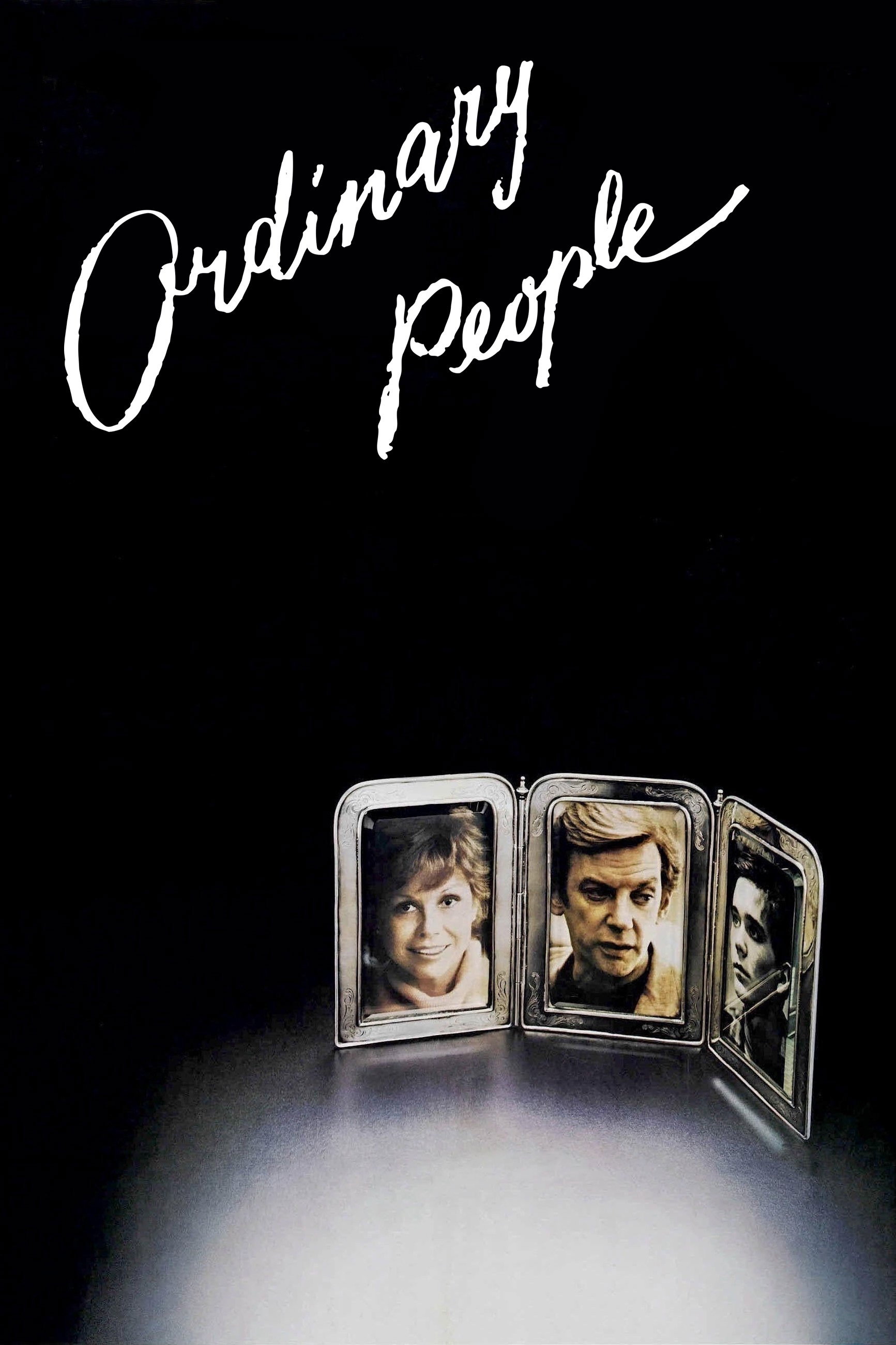
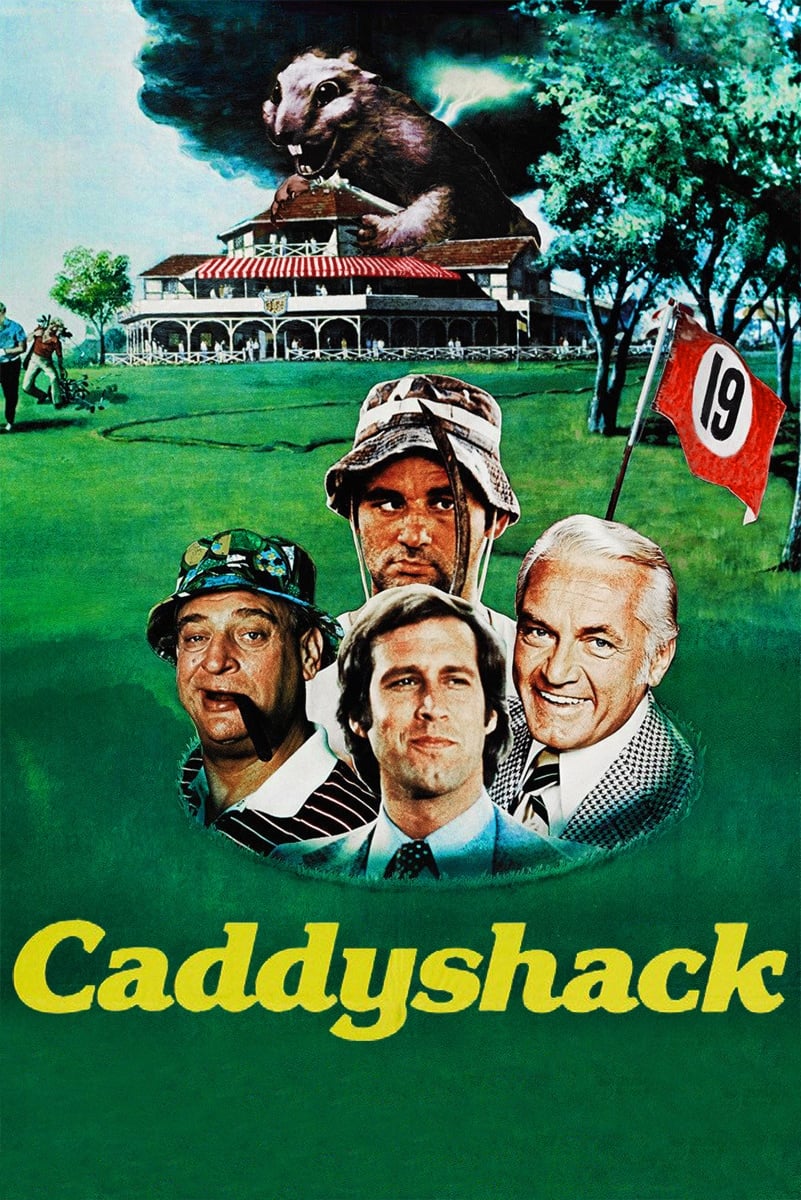
This is among the five or six hardest winner calls, on the 221st movie the show has done. — Bill Simmons
Redford is predicted as one participant's usual, predictable pick and argued for: he directed it, won Best Director and Picture, and was the biggest star on the planet.
A shared Hirsch and Hutton case is raised but called a cheat; Sutherland wins the actual movie while Redford wins everything that came from it.
A joke subtitles the episode 'Goldman's Revenge.'
Sutherland wins the movie: the host went in thinking Hutton and left thinking Sutherland had the key performance; Mary Tyler Moore had a chance until the packing seizure. — Bill Simmons
Mary Tyler Moore is a TV actor in a bracing against-type role, while Sutherland is a skilled film actor in a different class. — Sean Fennessey
Redford is a yes: one of the most bankable actors, at his handsome peak, and a Best Director winner who took down Scorsese; the Sundance Institute was formed in 1981. — Bill Simmons
Timothy Hutton is a probable yes, with Taps also considered, but the Oscar closes the deal.
Mary Tyler Moore is a no, followed by a tangent on attractive stars of earlier decades and her Laura Petrie on The Dick Van Dyke Show. — Bill Simmons
The 1981 Oscars are considered, but one host names 1994 as the Apex telecast and 1975's hosts are read; no Apex call is made for 1981.
Sutherland could be talked into Apex, but his peak is also placed at the 24-era moment when viewers learned he is Kiefer's father, and at JFK.
The name Buck is declared Apex Mountain by one voice, supported with Buck Henry, Buck Showalter, Magic Johnson's nickname Young Buck, Craig's suggestion of Uncle Buck and Bucky Barnes, while Yankee fans' Bucky Dent is waved off. — Bill Simmons
The name Ward belongs to Ward Cleaver, but Buck and Ward in the same movie is declared Apex Mountain. — Bill Simmons
Intense Chicago movies are becoming Apex but are not there yet, and fucked up family movies are a no. — Bill Simmons
Paramount's Michael Eisner and Jeffrey Katzenberg did not like the project, but Barry Diller did, so it was made; this is compared with doubts at The Ringer about launching The Watch. — Bill Simmons
Redford's version: Sutherland's big late scene felt too much, they reviewed it together, and Sutherland agreed to reshoot it. — Bill Simmons
Sutherland's version: he felt humiliated watching dailies, told them he had overdone it, and Redford called three months later to redo it, standing in for Mary Tyler Moore. — Bill Simmons
One host chooses to believe Sutherland because Redford is an unreliable narrator. — Bill Simmons
Sutherland is likely self-regarding too, so the truth may never be known. — Sean Fennessey
The book ranked 52nd among the most challenged books in schools and libraries, per the figure read on air, just ahead of American Psycho; it is likened to 13 Reasons Why for its depiction of suicidal ideation and depression. — Bill Simmons
The studio wanted Redford to play Calvin; he declined as too predictable, and the hosts think he would have overpowered or sunk the film. — Bill Simmons
Hackman as Calvin is intriguing, recalling his surprising turn in The Firm. — Bill Simmons
The EW oral history links Hackman to both the Berger and Calvin parts; research indicates it was the Sutherland part. — Bill Simmons
Per Redford, he wanted Richard Dreyfuss as the psychiatrist, but the reply was that Dreyfuss was having a nervous breakdown; Sutherland then said he wanted the husband rather than the psychiatrist. — Bill Simmons
Hackman was cast as Calvin but dropped out over compensation, per a Chicago Tribune article; Sutherland was told it was him or Hackman. — Bill Simmons
Canon in D as a wedding song; Sutherland's Best Actor snub; Mary Tyler Moore shock value; Good Will Hunting borrowing; odd dialogue; unwrapped candy apples
The Canon, the theme of one of the most dysfunctional family movies, is now the standard wedding song. — Bill Simmons
Sutherland's Best Actor snub has aged the worst. — Bill Simmons
The shock of Mary Tyler Moore as the evil mom has faded; there is no current equivalent, perhaps Aniston in the mid-2000s. — Bill Simmons
Good Will Hunting borrowing from this film bugs one host a tiny bit, prompting a joke to get Matt and Ben back on the show. — Bill Simmons
A spouse noticed odd lines that could fuel a sketch, like Sutherland's remark about the leaves at the end; the counterpoint is that he is incoherent because Beth left. — Bill Simmons
In a 2013 Esquire profile Redford claimed Kael turned on him after he refused her offer of tips; one host distrusts Redford, citing how Redford treated William Goldman, a friend of the host's, over All the President's Men. — Bill Simmons
In reply, Kael was tempted by figures like Warren Beatty to develop movies, so an exchange with Redford is believable, though no one can be trusted on what happened. — Sean Fennessey
Kael also feuded with Clint Eastwood, and in the last Dirty Harry movie a critic resembling her is murdered. — Bill Simmons
Handing out unwrapped candy apples for Halloween could not happen now. — Bill Simmons
Conrad's depression cues; Beth's haircut; evil Mary Tyler Moore; Elizabeth McGovern; swim coach's office; movie psychiatrists; 'It hurts too much to be around you'; performances; Canon in D score; fashion; Conrad's books; actor-to-director transition; Chicago-suburb setting
The swim coach's office feels completely 1980. — Bill Simmons
Redford instructed the cast and crew not to interact with Hutton so he would feel isolated like his character; it worked. — Bill Simmons
Psychiatrists in movies have aged the best, beyond a Woody Allen or erotic-thriller gimmick. — Bill Simmons
After Conrad punches the swimmer, telling his friend 'it hurts too much to be around you' lands because the friend reminds him of Buck. — Bill Simmons
The performances hold up on repeat viewing, as do the piano-heavy Canon in D score and the fashion, especially the suede outerwear. — Mallory Rubin
Conrad's desk and books are noted: Return of the King, Thomas Hardy's Jude the Obscure, and Hunter S. Thompson. — Mallory Rubin
The answer's own style is a fusion of Cal's and Berger's clothes. — Sean Fennessey
The actor-to-director glow up became more common after Redford, and late-70s and early-80s Chicago-suburb films, with Risky Business, Ferris Bueller and Thief, have aged well. — Sean Fennessey
The rewatchable-scene format is awkward for this theme, making it almost a best-scene category. — Bill Simmons
Beth sitting in Buck's preserved room, followed by the awkward trig conversation with Conrad and 'I bought you two shirts,' is the first nomination. — Bill Simmons
The mother-son relationship strains credulity at times, a testament to how effectively she distances herself; the scene would not be pulled up on YouTube, but it is gripping. — Sean Fennessey
Retitling the category for the theme is floated: most gripping scene, which scene held on, or most dysfunctional scene. — Mallory Rubin
The museum-like room, Conrad trying to talk about swimming the 50 and his trig grade to a statue-like Beth, and her dismissive gesture to get off the hutch are called devastating; a later effort by her fizzles as soon as Buck is mentioned. — Mallory Rubin
The party, with Beth's fake party personality and Cal on the staircase explaining Conrad's doctor visits, and the car ride ('You drink too much at parties, Calvin') are nominated together; the party is called nimbly directed and 'it is a very private matter' an iconic line.
The family photo fight over the camera is called an all-timer and painful to watch; the Rachel Getting Married rehearsal-dinner speeches are compared.
Beth learning Conrad quit the swim team escalates into the hospital exchange and 'Buck never would have been in the hospital,' called one of the cruelest moments in film six weeks after his suicide attempt; it shows she is embarrassed by him.
The food-court line about having had enough change offers a path to empathy, but learning she went to Europe instead of visiting during his four months in the hospital makes that hard. — Mallory Rubin
Mary Tyler Moore letting herself be this unlikable is rare even in today's prestige TV, contrasted with Big Little Lies. — Sean Fennessey
The garage scene after Cal's first therapy visit, about what he wore to Buck's funeral, ends with at least a half-hearted hug.
The garage scene is in one participant's top two: Calvin's brokenness, the lines about what he wore on his feet, and recognizing oneself fixating on something mundane in despair, which also offers a way to understand Beth. — Mallory Rubin
The first date with Elizabeth McGovern, with Conrad describing depression as falling into a hole, the intruding jackasses at the restaurant and the God exchange, is praised as a sensitive portrayal of depression.
The golf-course argument is another all-timer: Beth's outburst at Ward about his kids and the swimming pool he's so proud of is called her most honest moment, along with her saying she cannot respond to someone asking to be loved. — Bill Simmons
Asides: don't play golf or tennis with your spouse, and the name Ward prompts an Outer Banks reference. — Bill Simmons
The late-night breakup scene, which had to be refilmed, with 'We would have been all right if there hadn't been any mess,' is the last nomination in the list.
The big scene, Conrad's session with Berger after learning his hospital friend is dead, with the flashback and 'Why did you let go?', is called one of the best seven-minute scenes in a drama and probably why the film won. — Bill Simmons
Earlier sessions set it up, from 'I never promised you a rose garden' to the first session where Conrad keeps his jacket and backpack on and cannot get comfortable.
The lounge-chair session shows how far they have come, and the 'I hung on' scene is the film's true culmination, with the coda effective. — Mallory Rubin
How much of the timeline cutting comes from directing, editing or the screenplay is asked; it is called ahead of its time for 1980. — Mallory Rubin
A dissent says the flashbacks during the session hold the viewer's hand, since earlier flashes came in dreams. — Sean Fennessey
Counterpoints: the brother disappearing into the water is effective, and waking flashbacks appear earlier, such as at the train tracks and in Cal's memory of the sweater argument. — Mallory Rubin
Favorite lines include 'Did it ever occur to you that you might've been stronger?', called the key line, and 'I hung on. I stayed with the boat.' — Mallory Rubin
All agree this session is the most rewatchable, or most gripping, scene. — Bill Simmons
Michael O'Keefe is at Apex, coming off The Great Santini into the funniest movie of the year; with Tim Hutton he was a young actor to watch before Sean Penn's class eclipsed them. — Bill Simmons
Dangerfield's Apex is placed in the mid-80s with Back to School, when he became a draw, plus HBO specials breaking Sam Kinnison and Bill Maher; both participants agree. — Bill Simmons
Ted Knight: career-wise no, since Mary Tyler Moore is his Apex, but retroactively this became his legacy; Too Close for Comfort gets love. — Bill Simmons
Cocaine is argued as at Apex, before its damage was widely known and while it fueled the film's disjointed creativity; the other participant is uncomfortable placing it on the mountain. — Bill Simmons
Baby Ruth bars peak with Goonies instead. — Sean Fennessey
Golf is argued for 1980, citing Jack Nicholas winning two majors, Tom Watson the British and a rising star taking the Masters; the Tiger Woods Mike Douglas appearance is checked; the reply is a hesitant "yes, I guess." — Bill Simmons