
Film credit
Ellen Burstyn
Stats
- Episodes featuring their films
- 2
- Movies in this archive
- 2
Rewatchables episodes featuring Ellen Burstyn’s films
Mentioned in discussions


Recasting Couch
Cameron is proposed to direct; Roberts, Cage, Turner and several mother-role alternatives are suggested.
In the discussion (5)
- James Cameron is proposed with Jamie Lee as the other teacher and increased violence/production value; a joke imagines tall blue students with tails. — Bill Simmons
- Given the star and director’s status, a more ambitious cast is wanted, with Julia Roberts as the teacher on the run. — Kyle Brandt
- Nick Cage is proposed as Crisp and receives approval. — Kyle Brandt
- Faye Dunaway, Shirley MacLaine or Ellen Burstyn are offered for the mother; Kathleen Turner replacing Cathy Moriarty is the strongest wish. — Bill Simmons
- Meg Ryan as the partner is questioned because she would need to be the female lead and might imply too much romantic interest; the existing partner’s flirtation and kiss are debated. — Kyle Brandt


What’s Aged the Worst?
Gregory Peck’s original impact casting is harder to appreciate today; Tom Hanks is offered as an analogy.
In the discussion (6)
- Gregory Peck’s original impact casting is harder to appreciate today; Tom Hanks is offered as an analogy. — Bill Simmons
- Peck’s Happy Birthday singing sounds unnatural. — Chris Ryan
- Physical reference letters are easy to fake. — Chris Ryan
- Lack of child seatbelts and the mother’s fall effects look dated; Remick reportedly refused the railing stunt after Ellen Burstyn’s injury. — Chris Ryan
- The mark of the beast reportedly confused original audiences. — Chris Ryan
- The novelization explains Brennan and Spiletto’s involvement with Satanists; the film leaves the 666 thigh mark insufficiently explained. — Chris Ryan
Recasting Couch
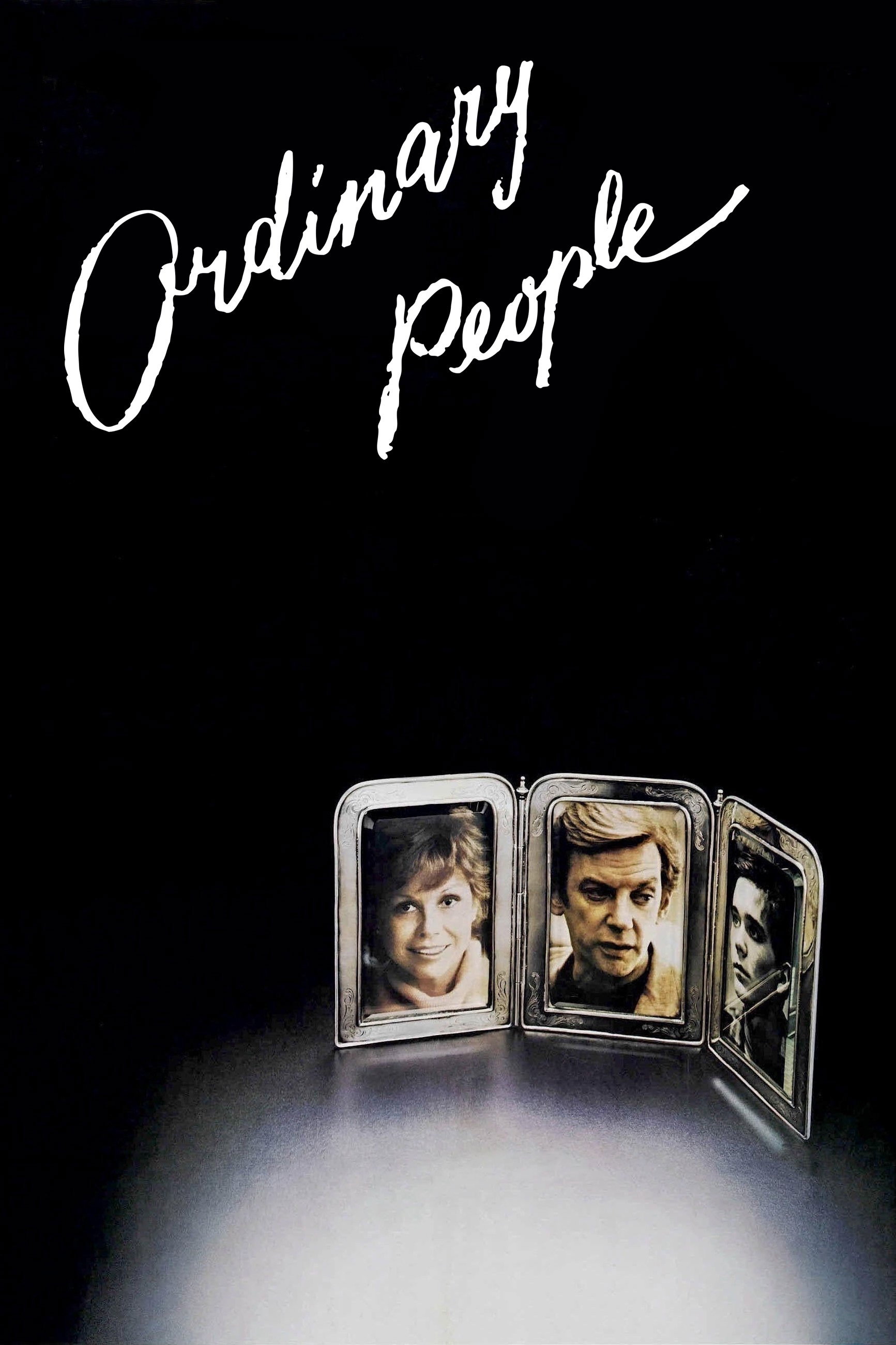
Casting left intact
In the discussion (5)
- The casting would not be touched, and a pass is declared. — Bill Simmons
- The casting is called pretty great. — Sean Fennessey
- Dreyfuss in place of Judd Hirsch is floated, but Hirsch's delicate, restrained performance is defended. — Mallory Rubin
- Pacino as Dr. Berger is floated. — Mallory Rubin
- Later, one participant almost had Beth recastings such as Ellen Burstyn, Shirley MacLaine or Gena Rowlands, but concludes Mary Tyler Moore is perfect for the part.

The Ruffalo / Hanna / Rubinek / Partridge Overacting Award
Burke; Ellen Burstyn; Karras’s possession
In the discussion (2)
- Burke and Burstyn are floated, but the extremity is defended as appropriate to demonic circumstances. — Chris Ryan
- Karras’s final possession is singled out as an extraordinary, ridiculous-looking performance when viewed without context. — Sean Fennessey

The Neil McCauley “A Book about Metals” Award for Best Line from the Movie
"Come on, Tom. Say it with me, you pancake eating motherfucker"; "How is it that the ultimate prize in the most macho sport ever invented is a piece of jewelry?"; "No one can stop a ticking clock, but the great ones, they can slow it down"; "You're on Twitter?"; "I need five minutes and then you can fire me"
In the discussion (3)
- Two nominations: the line about the ultimate prize in the most macho sport being a piece of jewelry, and the ticking-clock line that the great ones always find a way to slow it down.
- The pancake line is called obviously the best line, but since it was discussed so often two others are nominated: Sonny telling his mother Barb she is on Twitter, played by Oscar winner Ellen Burstyn. — Mallory Rubin
- The second nomination is "I need five minutes... and then you can fire me," after which the owner backs off. — Mallory Rubin
Casting What-Ifs
Steve McQueen as Sundance, out over billing; Jack Lemmon and Warren Beatty turned Sundance down; Zanuck's split-prints billing idea; Redford a near-unknown; Natalie Wood considered for Etta
In the discussion (8)
- Redford was not the original Sundance: Jack Lemmon was offered the part, at Goldman's suggestion, and turned it down feeling he had played too many aspects of the character; Warren Beatty turned it down as too similar to Bonnie and Clyde; Steve McQueen was in, and the title was to become The Sundance Kid and Butch Cassidy because McQueen considered himself the bigger star than Newman.
- The fight over whether McQueen or Newman would be billed first drove McQueen off the movie; asked whether this is true, one participant confirms that kind of nonsense happens all the time, over billing and over parts not taken.
- Fox president Daryl Zanuck (as transcribed) made the unusual suggestion that half the prints bill Newman first and half McQueen, McQueen refused and left, and they got Redford, a handsome theater actor nobody knew, known if at all for urbane Neil Simon comedy like Barefoot in the Park; he has maybe a hundred words in the movie, becomes a giant star in four expressions, gives a great performance, and played men of few words for the rest of his career, even as Bob Woodward.
- The long sepia close-up when Redford is first met, held while someone else talks, is one of the all-time close-ups and became a Redford signature, a good editing-room decision; Goldman wrote that Newman's people, not Newman himself, were upset by all the Redford close-ups and worried Redford would steal the movie.
- Natalie Wood was considered for Etta.
- Catherine Ross was in The Graduate, the biggest movie of the year before, then in this, the biggest movie of its year, and was in pole position as the good-looking actress of choice, but did not want that power, toned it back, did some stage work and the moment left; Anne Bancroft was only three or four years older than her in The Graduate.
- Goldman was unsure whether the real Etta was a schoolteacher or a prostitute and, from how pretty and cleanly dressed she was in photos, chose to believe schoolteacher, though the historical record is fuzzy; it would have been unusual for a woman of about 24 to be unmarried.
- Ally McGraw (as transcribed) of Love Story was the market correction, though Ross, the better actress, could have corrected her back and instead gave up, with Mia Farrow and Ellen Burstyn the other big actresses; research suggests Ross was difficult and disliked making movies; she met Sam Elliott, a card player with a very small role here, did not date him, and married him fifteen years later.


