‹ All people

Film credit

Steve McQueen

Also referred to as McQueen

Stats

Episodes featuring their films
0
Movies in this archive
1

Episodes featuring Steve McQueen’s films

No episode credits in the archive yet.

No episodes found

Mentioned in discussions

In the discussion (4)
Approx. transcript time · 01:04:43Read transcript
In the discussion (7)
Approx. transcript time · 01:28:53Read transcript
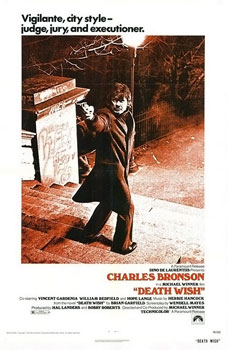
Death Wish

Casting What-Ifs

Jack Lemmon and Henry Fonda headline a large set of alternate casting possibilities.

In the discussion (3)
Approx. transcript time · 00:56:54Read transcript
In the discussion (2)
Approx. transcript time · 01:16:33Read transcript
The Longest Yard

The Stephen A. Smith Hottest Take Award

Burt Reynolds is called the greatest car-chase driver; alternate takes read the film as a story about America and speculate that Crewe fathers a child in prison.

In the discussion (4)
Approx. transcript time · 01:07:15Read transcript
  • Burt Reynolds is argued to be the greatest performer at driving while being chased. — Bill Simmons
  • Steve McQueen and Ryan Gosling are considered as alternatives. — Bill Simmons
  • The movie is read as a story about Americans from different backgrounds uniting through football and hatred of authority. — Chris Ryan
  • A deliberately speculative take imagines that the secretary becomes pregnant after the encounter with Crewe. — Van Lathan
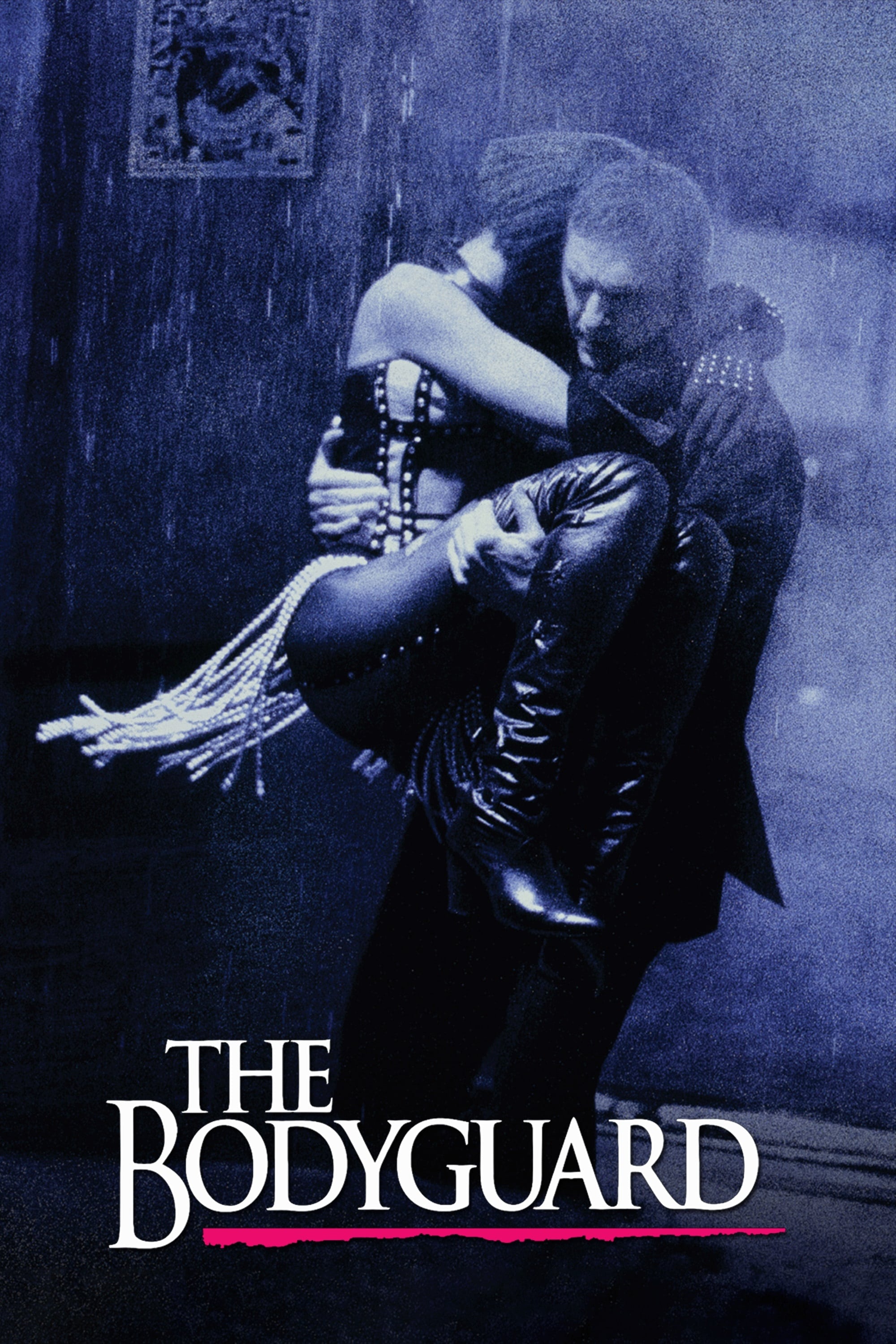
The Bodyguard

What’s Aged the Best?

Whitney and Costner at their peaks; bodyguard-romance premise; soundtrack; Dolly Parton connection; resentful-sister concept; 'permanent position' quote; widescreen; Costner's haircut; a cappella opening; song-swap story; Costner's eulogy; Secret Service guys

In the discussion (17)
Approx. transcript time · 00:37:49Read transcript
  • Whitney in her late prime and Costner at his peak head the list. — Van Lathan
  • Professional bodyguard romances are loved, including Ridley Scott's late-80s Someone to Watch Over Me with Mimi Rogers, which has a similar premise. — Bill Simmons
  • A British terrorism series possibly called Bodyguard, with a Game of Thrones actor named Richard is liked. — Bill Simmons
  • Protectors crossing lines are compelling because the job is so intimate: a rigid, disciplined guy whose gooey center someone reaches. — Van Lathan
  • The Sentinel with Michael Douglas as a framed Secret Service agent is recommended as a rewatchable mid-2000s entry. — Bill Simmons
  • The soundtrack is loaded and called the best of all time; I Will Always Love You was a Dolly Parton song that finally found the right voice. — Bill Simmons
  • One participant learned only about four years earlier, from a Dolly Parton fan at TMZ, that the song was a cover, at 37 years old. — Van Lathan
  • The original singer owned and loved the cover, pulled over the first time she heard it, and showed no bitterness. — Bill Simmons
  • The resentful older sister-assistant concept is an untapped idea for movies and TV. — Bill Simmons
  • A favorite quote: "I'm no good in a permanent position, Monty, my feet go to sleep." — Bill Simmons
  • The widescreen framing was hard to follow on square TVs for 15 years and now plays better. — Bill Simmons
  • Costner's crew-cut, Steve McQueen-style hair became a thing that Clooney took further on ER and Jake tried on Melrose Place, sparking a Grant Show tangent. — Bill Simmons
  • Costner's idea to open I Will Always Love You a cappella was great. — Bill Simmons
  • What Becomes of the Brokenhearted was meant to be the cover until Fried Green Tomatoes used it to end that film in 1991. — Bill Simmons
  • A piece of Costner's eulogy is read: Whitney lacked confidence during filming, sang the whole song without a band, and was the only one who could have played Rachel at that time.
  • Costner's feelings for Houston deserve their own discussion; a Grantland party anecdote says Costner, brought by Kimmel five or six years earlier, still had it. — Bill Simmons
  • Secret Service guys have aged well: The Last Boy Scout is defended, later entries include the Channing Tatum White House movie and the Fallen films, and Ving Rhames in Dave is a shared favorite. — Van Lathan
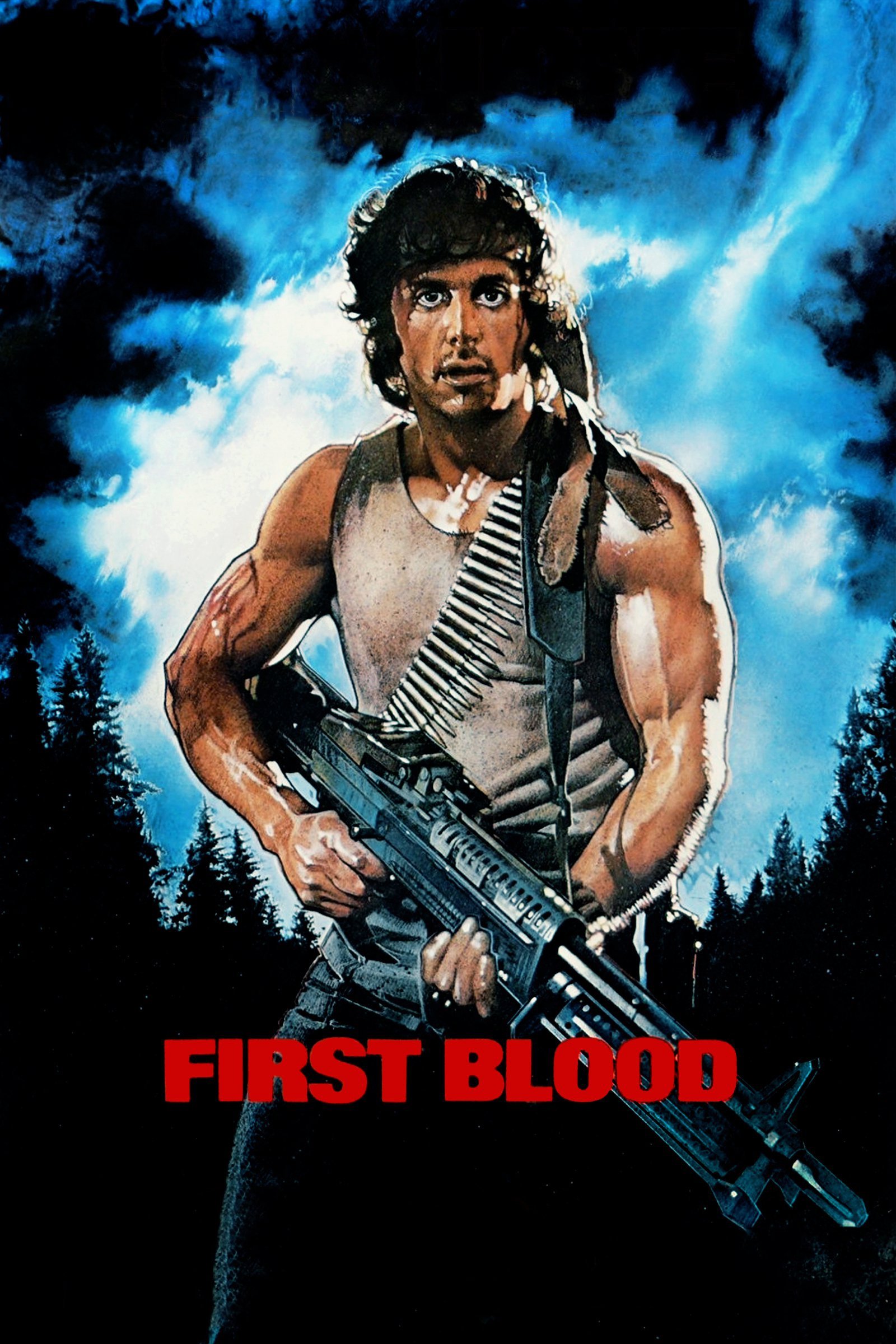
First Blood The Rewatchables
In the discussion (6)
Approx. transcript time · 00:53:46Read transcript
  • The film was nearly made in 1975; producers wanted Steve McQueen, then judged him too old, and considered Chris Christopherson before it went into turnaround. — Bill Simmons
  • Gene Hackman and Robert Duvall turned down the Teasle role. — Bill Simmons
  • Hackman would lift the movie a level, but then he might not do Unforgiven; Dennehy is judged the better outcome. — Bill Simmons
  • Duvall would have been good, but Dennehy's use of his body mattered. — Bill Simmons
  • Lee Marvin turned down Troutman; Kirk Douglas was hired and quit over a script dispute, with an uncertain story that he wanted Troutman to become Rambo. — Bill Simmons
  • Crenna, hired within 24 hours, is preferred to Douglas for enjoying every line. — Brian Koppelman
In the discussion (4)
Approx. transcript time · 01:16:18Read transcript
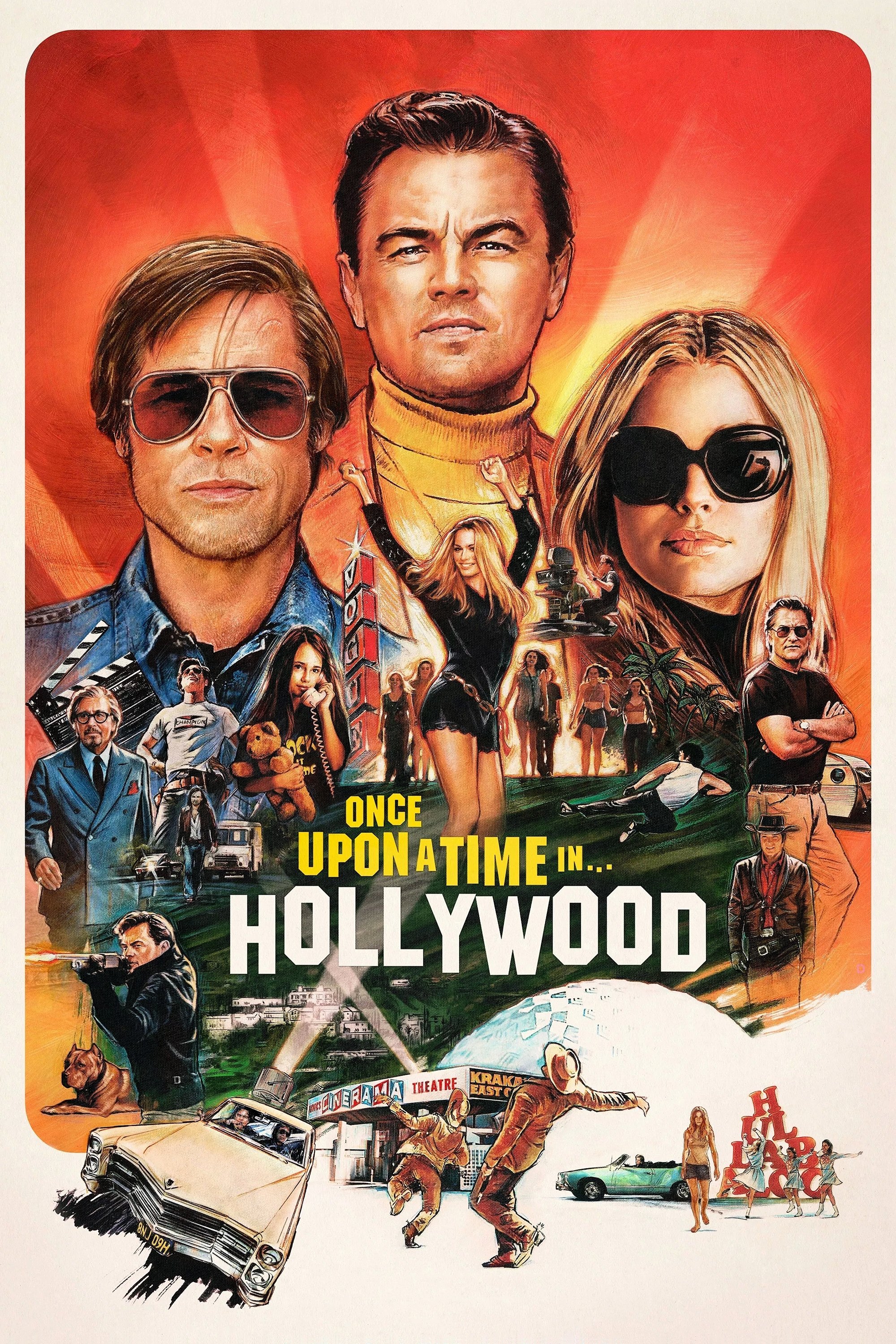
Once Upon a Time in Hollywood

What’s Aged the Worst?

Murder-twist shock value; Damian Lewis as Steve McQueen; Spahn Ranch tension on rewatch

In the discussion (5)
Approx. transcript time · 00:49:42Read transcript
  • The shock of the murders not happening only works once; on rewatch you know it is coming. — Bill Simmons
  • Damian Lewis as Steve McQueen does not work because he carries the baggage of Billions and Homeland; another voice agrees he is miscast and written as an exposition character.
  • Whether McQueen would have made a run at Sharon Tate is disputed.
  • The Spahn Ranch scene peaks the first time and is never the same once you know what happens.
  • On what might age the worst, the Bruce Lee scene is floated with uncertainty; the defense of it given earlier is restated as acceptable. — Bill Simmons
Butch Cassidy and the Sundance Kid

Casting What-Ifs

Steve McQueen as Sundance, out over billing; Jack Lemmon and Warren Beatty turned Sundance down; Zanuck's split-prints billing idea; Redford a near-unknown; Natalie Wood considered for Etta

In the discussion (8)
Approx. transcript time · 00:38:27Read transcript
  • Redford was not the original Sundance: Jack Lemmon was offered the part, at Goldman's suggestion, and turned it down feeling he had played too many aspects of the character; Warren Beatty turned it down as too similar to Bonnie and Clyde; Steve McQueen was in, and the title was to become The Sundance Kid and Butch Cassidy because McQueen considered himself the bigger star than Newman.
  • The fight over whether McQueen or Newman would be billed first drove McQueen off the movie; asked whether this is true, one participant confirms that kind of nonsense happens all the time, over billing and over parts not taken.
  • Fox president Daryl Zanuck (as transcribed) made the unusual suggestion that half the prints bill Newman first and half McQueen, McQueen refused and left, and they got Redford, a handsome theater actor nobody knew, known if at all for urbane Neil Simon comedy like Barefoot in the Park; he has maybe a hundred words in the movie, becomes a giant star in four expressions, gives a great performance, and played men of few words for the rest of his career, even as Bob Woodward.
  • The long sepia close-up when Redford is first met, held while someone else talks, is one of the all-time close-ups and became a Redford signature, a good editing-room decision; Goldman wrote that Newman's people, not Newman himself, were upset by all the Redford close-ups and worried Redford would steal the movie.
  • Natalie Wood was considered for Etta.
  • Catherine Ross was in The Graduate, the biggest movie of the year before, then in this, the biggest movie of its year, and was in pole position as the good-looking actress of choice, but did not want that power, toned it back, did some stage work and the moment left; Anne Bancroft was only three or four years older than her in The Graduate.
  • Goldman was unsure whether the real Etta was a schoolteacher or a prostitute and, from how pretty and cleanly dressed she was in photos, chose to believe schoolteacher, though the historical record is fuzzy; it would have been unusual for a woman of about 24 to be unmarried.
  • Ally McGraw (as transcribed) of Love Story was the market correction, though Ross, the better actress, could have corrected her back and instead gave up, with Mia Farrow and Ellen Burstyn the other big actresses; research suggests Ross was difficult and disliked making movies; she met Sam Elliott, a card player with a very small role here, did not date him, and married him fifteen years later.
Displaying all 10 discussions

Films in the archive