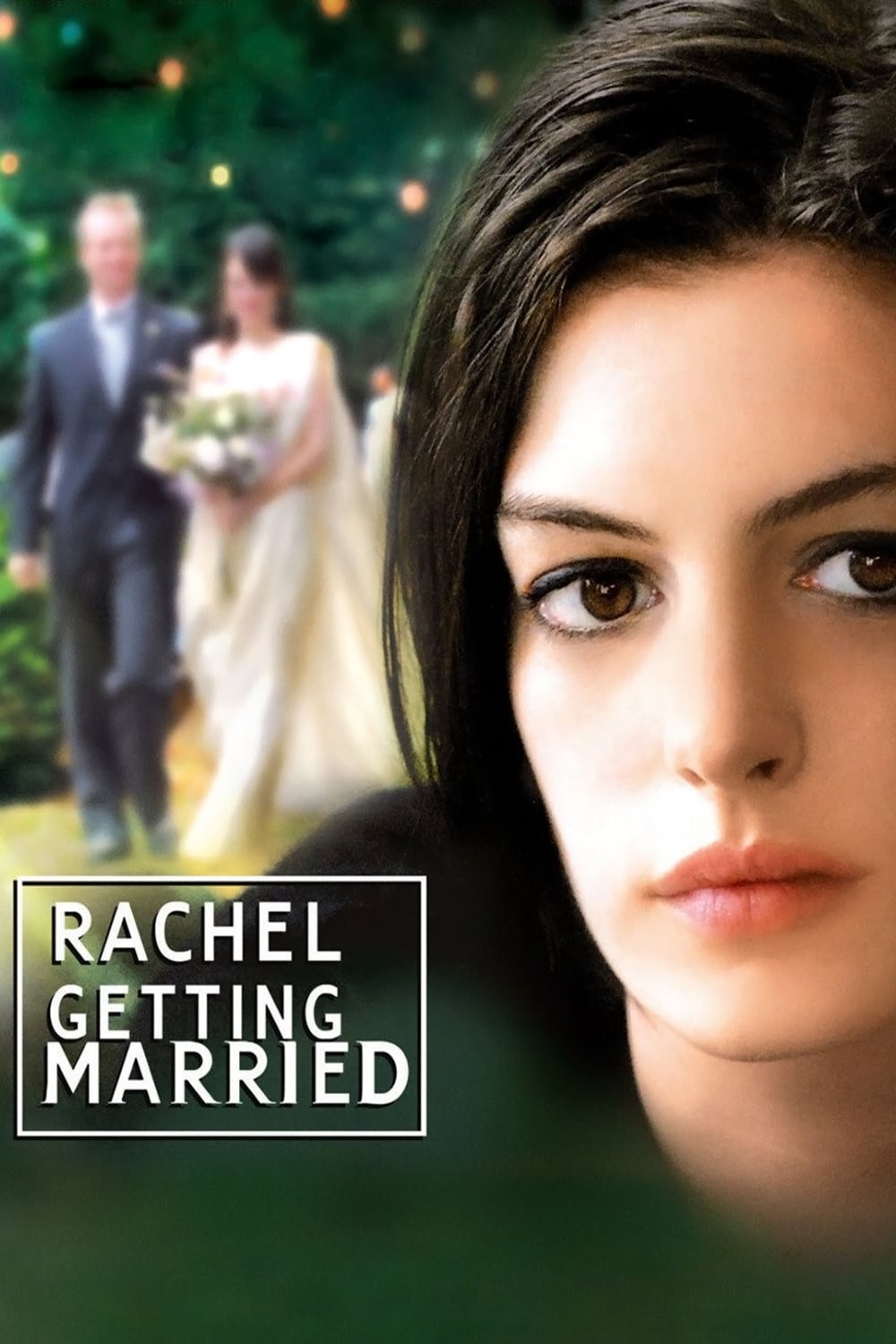
Demme is quoted wanting live music playing in the next room or garden rather than a traditional score; Robyn Hitchcock played a wedding guest. — Bill Simmons
Demme reportedly told crew to let Hathaway deal with the music, so her anger in the scene was real; Hitchcock likened the shoot to a real wedding without alcohol, much of it shot in real time. — Bill Simmons
The Dr. Dre needle drop and the film's L.A. feel; the two lead performances; the anti-hero crime storytelling that anticipated The Shield; Fuqua's modern, propulsive direction; Ethan Hawke's career moment
Hearing the Dr. Dre song takes one host straight back to 2001, the second decade of hip hop, with Dre then turning up in the movie later; the music and the legitimately L.A. feel are that host's pick.
The two performances discussed for thirty minutes still work perfectly; the film sits close to where TV was heading, the anti-hero era of The Shield that became consistent in cop and drug-dealer stories, and the Denzel performance splits the difference between that and the Sidney Lumet and French Connection documentary grit of the 70s, in a period with fewer crime movies than anyone in the room would like.
The direction is totally modern with nothing dated, like Fight Club; Fuqua is slick and bright, Hollywood dirty, with great pace and propulsive movies even when they are not good, a cross between Michael Bay and William Friedkin, and the locations are authentic even though parts of this movie do not hang together.
Ethan Hawke has aged nicely, this being the next step after Reality Bites, Before Sunrise and Gattaca; they will give him an Oscar at 70 for a grand old man performance even though he deserved one for six or seven movies, like a player who never won the MVP but could have.