
Film credit
Sam Elliott
Stats
- Episodes featuring their films
- 5
- Movies in this archive
- 5
Rewatchables episodes featuring Sam Elliott’s films


The Big Lebowski
1998 film
Chris Ryan · Sean Fennessey · Jason Concepcion · David Shoemaker
Aired March 9, 2018
Mentioned in discussions

In the discussion (6)
- Bill Murray and Patrick Swayze are reported as lead considerations; Murray is rejected by the speakers, Swayze interests them, and a later Keanu Reeves/Hardball version is imagined while Schwarzenegger remains preferred. — Kyle Brandt
- Roadhouse dialogue, throat-ripping and a crude prison taunt are jokingly transplanted into Kindergarten Cop rather than reported as actual scenes. — Bill Simmons
- Reported DeVito consideration is questioned because the police role seems implausible despite the opposite height joke; a Roadhouse crossover with Sam Elliott is imagined. — Bill Simmons
- Catherine O Hara is reported unavailable because of Home Alone; Sandra Bullock and Elijah Wood are said not to have landed parts. The speaker’s identification of Joyce as the abused child’s mother is uncertain. — Bill Simmons
- Christian Slater is said to have been considered for Crisp after Heathers but to have chosen Pump Up the Volume, which receives approval. — Bill Simmons
- A story that Audrey Hepburn rejected Eleanor Crisp because she loved children is explicitly treated as unverified; the thermometer scene is joked about.


Dr. Richard Kimble Inappropriate Body Award
Harrison Ford as Dr. Norman Spencer.
In the discussion (4)
- The award is given to Harrison Ford, who is reported to be 57 and exceptionally lean and muscular. — Bill Simmons
- Norman’s age, laboratory workload, and rainy Vermont life are cited as reasons his body seems implausible. — Bill Simmons
- Boating, sailing, drives, sexual activity, and lifelong fitness are offered as defenses. — Bill Simmons
- Shirtless Sam Elliott in Landman is described as carved from a tree trunk and compared with Ford’s body at age 57. — Bill Simmons
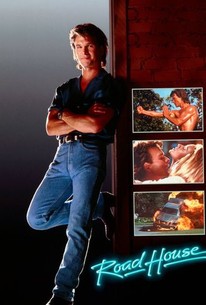

The Dion Waiters Award for Best Heat Check Performance
Marshall Teague as Jimmy Reno.
In the discussion (2)
- Jimmy wins against Sam Elliott and Terry Funk. Elliott's entrance is superb, but his later material feels cut down; the missing Wade and Funk deaths are regretted.
- The performer playing Steve's Saturday-night date receives a special mention for an apparent one-credit film career; her ASR-rendered name is unresolved in this note. — Kyle Brandt

What’s Aged the Best?
Famous bouncers, caged bands, recruiting the best, extravagant destruction, Swayze, Elliott, Healey and the throat rip.
In the discussion (11)
- Chris chooses the apparently cocaine-fueled men at the opening bar and their 'moose lips' dialogue. — Chris Ryan
- Kyle loves the pre-internet fame of bouncers, imagining trading cards, Cooler Illustrated and a fantasy league despite the premise's implausibility. — Kyle Brandt
- Bands protected by cages and the action-film premise of recruiting 'the best' share a top preference. — Bill Simmons
- The gratuitous monster-truck destruction of the dealership exemplifies beloved expensive action excess, even though Wesley's villainy is already clear. — Kyle Brandt
- Sam Elliott's hair is another choice. — Bill Simmons
- Elliott's timeless appearance and ability to call someone 'mijo' remain appealing; Swayze himself is missed, and Kevin Tighe's shift from Emergency! lead to character actor is appreciated. — Bill Simmons
- The closing song When the Night Comes Falling and swimming-hole ending are praised; the singer is clarified as Jeff Healey rather than Swayze. — Kyle Brandt
- Shirtless tai chi, Jimmy Reno, uncertainty about whether Dalton is a first or last name, 'Nobody wins a fight' and the nipple-to-nipple invitation all retain appeal.
- The hero's hidden Memphis past is an appealing trope, though his shame needs explanation; the hosts imagine a missing confession scene. The throat-rip move still shocks. — Bill Simmons
- Julie Michaels's stunt background and later Point Break fight, the Family Guy tribute and Jeff Healey's performance are additional pleasures. — Bill Simmons
- Swayze's effortless cigarette flick and drifting smoke are praised as hall-of-fame movie smoking, despite the real-life tragedy discussed. — Bill Simmons
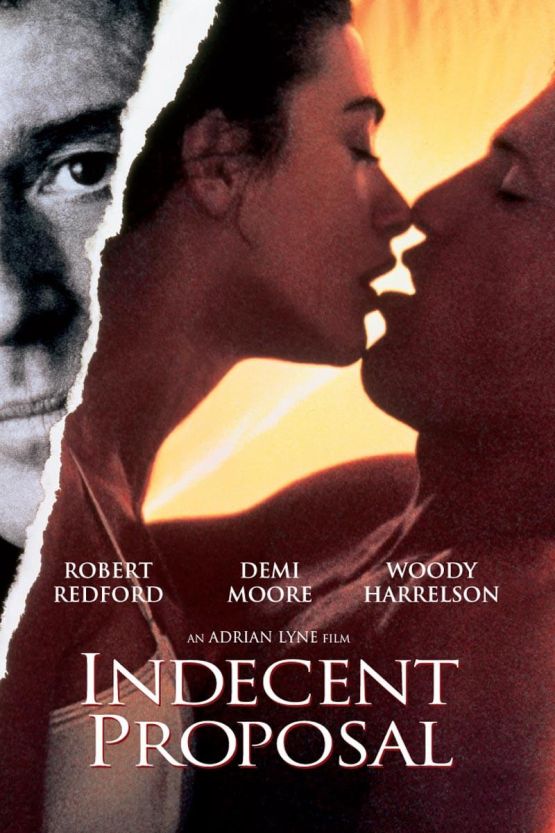

Most Rewatchable Scene
Gage’s billiards proposition
In the discussion (17)
- The Vegas shopping scene leading into craps is nominated, including Diana’s refusal to be treated as another item for sale. — Bill Simmons
- The shopping and craps sequence captures the film’s strongest Vegas stretch and establishes Gage’s interest in borrowing Diana for luck.
- Billy Bob Thornton’s small appearance as Day Tripper is amusing in retrospect given his later Oscar. — Bill Simmons
- The money-covered sex scene after the first successful Vegas day is considered as another scene candidate, with objections deferred. — Mallory Rubin
- The billiards proposition is praised for its iconic premise-setting line, riveting conversation and insight into Gage’s psychology. — Mallory Rubin
- Diana answers before David, and Gage insists on hearing from him, deliberately opening a wedge between the couple.
- Pool-ball continuity undermines the scene’s metaphor: a scratched cue ball reappears, and the play lacks coherent eight-ball or nine-ball rules. — Bill Simmons
- The lawyer’s contract negotiation is a favorite, particularly payment without consummation and the John Garfield death-during-sex clause.
- Jeremy’s insistence that he could have negotiated at least two million dollars adds to the lawyer’s appeal. — Mallory Rubin
- The boat scene is praised, including Gage’s assurance that nothing will happen without Diana choosing it; it is called one of the film’s last good scenes. — Bill Simmons
- The argument about whether the sex was good gives Diana an effective explanation that neither praise nor denial can satisfy her husband.
- Her affirmative answer is disputed as unnecessarily hurtful; suggested reassuring lies draw the objection that he would not believe them. — Mallory Rubin
- Redford’s speech about the woman on the train is nominated, with Moore appearing genuinely moved by his performance. — Bill Simmons
- The supposedly relatable missed-connection story is mocked for justifying a billionaire’s extravagant pursuit of another man’s wife. — Mallory Rubin
- The million-dollar-club revelation is praised for Shackleford’s visible effort to support Gage’s improvised story without exposing it. — Mallory Rubin
- Sam Elliott is suggested as a cooler version of Shackleford who could appear more convincingly complicit. — Bill Simmons
- Gage’s billiards offer is the agreed final most-rewatchable scene despite the pool continuity errors. — Mallory Rubin
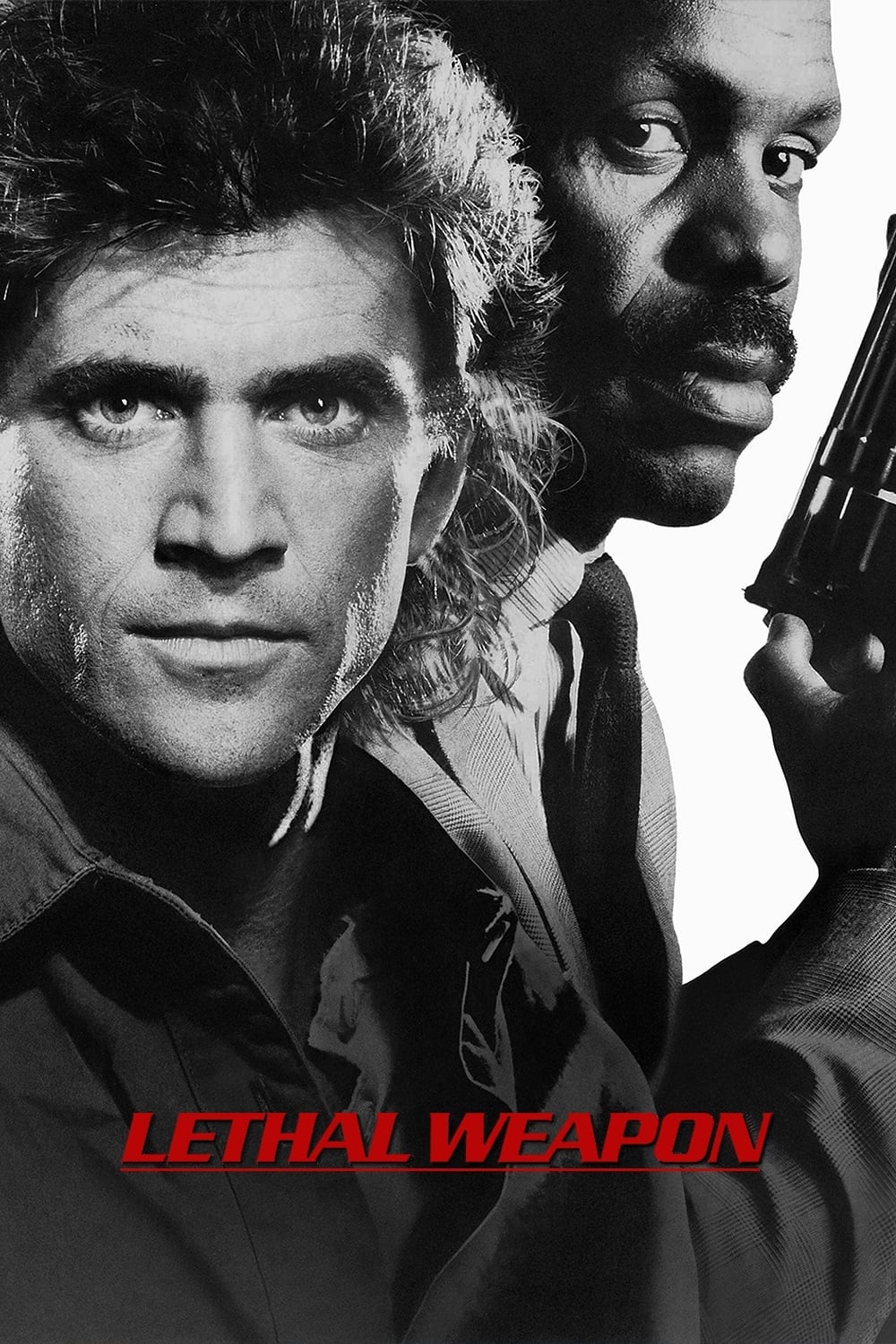
In the discussion (7)
- Busey's boss McAllister seems to be in a different movie: turtlenecks, dressed differently, a bad guy who should have an accent. — Bill Simmons
- Pushback that he seems exactly like someone who might have been in the CIA is accepted as fair. — Bill Simmons
- He never seems like a leader, as in the 'roll up your sleeve' scene with Mendez where he burns Busey's arm with a candle. — Bill Simmons
- The part needed either Jack Palance in Tango & Cash-level excess or a better actor such as William Hurt or Lithgow. — Bill Simmons
- Busey is good, but unlike Die Hard with Rickman the film and series lack a true big bad; the South African villains in the sequel are good but no Rickman. — Chris Ryan
- The character, the General, was played by Mitchell Ryan, whose credits include Halloween: The Curse of Michael Myers and TV work. — Bill Simmons
- It feels like someone better, like Sam Elliott, called in sick; more was wanted from him. — Bill Simmons
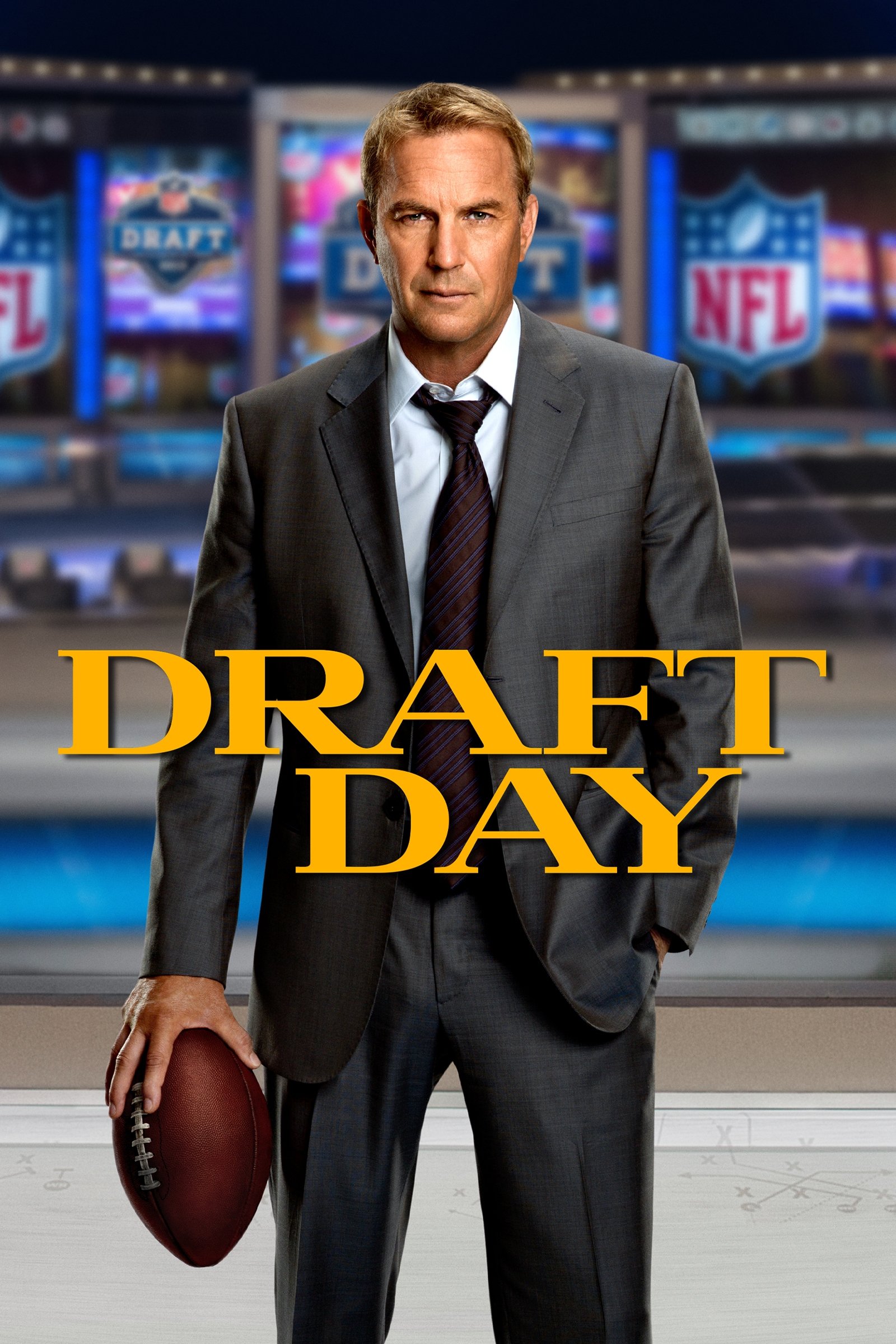

Probably Unanswerable Questions
What happened at Bo's birthday party; why Bo's website needs a sign-in; who the real-life Brian Drew is; what career Bo Callahan had; how many people Bo slept with each week; what PEDs Brian Drew is on
In the discussion (7)
- An unanswerable question: what happened at Bo's 21st birthday party, since not one of 85 scholarship teammates showing up would have come out in draft prep. — Mallory Rubin
- More a question than a nit: whether the blog embeds a full sex tape and why it requires a sign-in; a scout character bookmarked the page. — Mallory Rubin
- The real-life Brian Drew is nominated as Alex Smith and Dalton, with Dalton too young in 2014; Smith is called a good one. — Bill Simmons
- Bo Callahan is read as a pocket passer with Matt Leinert's career; the film invites a Ryan Leaf comparison, and Carson Wentz is floated. — Mallory Rubin
- A hot take says Bo Callahan had a great career; a debate follows over whether the birthday story happened, with Sam Elliott's anger taken as evidence it did. — Mallory Rubin
- How many people Bo slept with weekly: one scout character says 20 and another 10; one answer is one a day, with a missed Joe Namath joke and Mark Sanchez as a comp. — Mallory Rubin
- What PEDs Brian Drew is on, given his late-career strength gains; the only other theory is that Tom Welling is again playing Superman, and he should be in the stands serving a four-game suspension. — Mallory Rubin
In the discussion (4)
- The Browns' strength and conditioning coach comes in hot and hits a couple of threes in one scene. — Bill Simmons
- Chadwick Bozeman is named as a pick for being great in only about four scenes.
- Sam Elliott dominates his one scene with charisma and the "Don't overthink this like your dad would have" line, which affects Sonny the rest of the way. — Mallory Rubin
- Frank Langella is floated, but he is thought to have too many scenes; Sam Elliott is confirmed as coming in hot, with a wished-for Wisconsin sequel. — Mallory Rubin
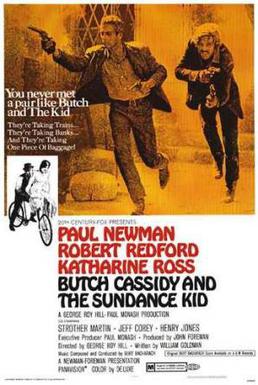
Casting What-Ifs
Steve McQueen as Sundance, out over billing; Jack Lemmon and Warren Beatty turned Sundance down; Zanuck's split-prints billing idea; Redford a near-unknown; Natalie Wood considered for Etta
In the discussion (8)
- Redford was not the original Sundance: Jack Lemmon was offered the part, at Goldman's suggestion, and turned it down feeling he had played too many aspects of the character; Warren Beatty turned it down as too similar to Bonnie and Clyde; Steve McQueen was in, and the title was to become The Sundance Kid and Butch Cassidy because McQueen considered himself the bigger star than Newman.
- The fight over whether McQueen or Newman would be billed first drove McQueen off the movie; asked whether this is true, one participant confirms that kind of nonsense happens all the time, over billing and over parts not taken.
- Fox president Daryl Zanuck (as transcribed) made the unusual suggestion that half the prints bill Newman first and half McQueen, McQueen refused and left, and they got Redford, a handsome theater actor nobody knew, known if at all for urbane Neil Simon comedy like Barefoot in the Park; he has maybe a hundred words in the movie, becomes a giant star in four expressions, gives a great performance, and played men of few words for the rest of his career, even as Bob Woodward.
- The long sepia close-up when Redford is first met, held while someone else talks, is one of the all-time close-ups and became a Redford signature, a good editing-room decision; Goldman wrote that Newman's people, not Newman himself, were upset by all the Redford close-ups and worried Redford would steal the movie.
- Natalie Wood was considered for Etta.
- Catherine Ross was in The Graduate, the biggest movie of the year before, then in this, the biggest movie of its year, and was in pole position as the good-looking actress of choice, but did not want that power, toned it back, did some stage work and the moment left; Anne Bancroft was only three or four years older than her in The Graduate.
- Goldman was unsure whether the real Etta was a schoolteacher or a prostitute and, from how pretty and cleanly dressed she was in photos, chose to believe schoolteacher, though the historical record is fuzzy; it would have been unusual for a woman of about 24 to be unmarried.
- Ally McGraw (as transcribed) of Love Story was the market correction, though Ross, the better actress, could have corrected her back and instead gave up, with Mia Farrow and Ellen Burstyn the other big actresses; research suggests Ross was difficult and disliked making movies; she met Sam Elliott, a card player with a very small role here, did not date him, and married him fifteen years later.

Picking Nits
The opening geography, Jackson’s contemporary arena-level fame, the instant “Shallow” arrangement, unaccounted-for night hours, and the effort to make Sam Elliott a plausible brother
In the discussion (7)
- The drive from the opening venue to East Hollywood and then Jackson’s house produces unresolved geography.
- The panel questions whether a Jackson Maine-style country-rock star could still sell out venues at that scale.
- “Shallow” appears fully arranged even though the parking-lot conversation contains separate fragments and no rehearsal. — Bill Simmons
- The dark parking lot and daylight drop-off leave several unexplained hours. — Amanda Dobbins
- One theory says the couple finished writing the song during those hours; another adds sex, which the panel disputes.
- The movie’s otherwise grounded intimacy makes the instant musical arrangement feel especially artificial.
- Repeated family exposition strains to make Sam Elliott and Bradley Cooper plausible brothers. — Sean Fennessey
In the discussion (4)
- The category is defined as the strongest impact in a small amount of time. — Bill Simmons
- Sam Elliott, Andrew Dice Clay, and Jackson’s dog are nominated. — Bill Simmons
- Alec Baldwin and Halsey are proposed and rejected.
- It’s got to be Dice; Sam Elliott is ruled out because he is in the movie a little too much.
What’s Aged the Best?
Sam Elliott’s driveway reaction, Jackson’s speech about truth and having legs, the inherited franchise line, the ending, and the soundtrack
In the discussion (5)
- Sam Elliott’s silent tear and the brothers’ inability to speak directly are expected to remain a durable meme and emotional truth.
- Jackson’s “dig deep in your soul” speech to Lady Gaga about truth and having legs is treated as inspirational. — Bill Simmons
- The ending improved on rewatch because Gaga’s performance cuts back to Bradley Cooper creating the song.
- The soundtrack is expected to endure because its two musical personas both have convincing songs. — Sean Fennessey
- “I just wanted to take another look at you” moved from punchline to sincere and memorable franchise line.

