

Casting What-Ifs
Steve McQueen as Sundance, out over billing; Jack Lemmon and Warren Beatty turned Sundance down; Zanuck's split-prints billing idea; Redford a near-unknown; Natalie Wood considered for Etta
In the discussion (8)
Approx. transcript time · 00:38:27Read transcript
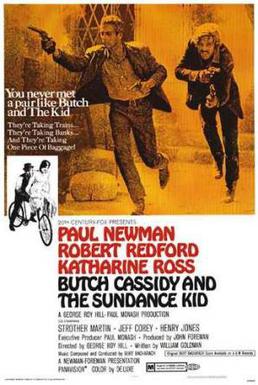
- Redford was not the original Sundance: Jack Lemmon was offered the part, at Goldman's suggestion, and turned it down feeling he had played too many aspects of the character; Warren Beatty turned it down as too similar to Bonnie and Clyde; Steve McQueen was in, and the title was to become The Sundance Kid and Butch Cassidy because McQueen considered himself the bigger star than Newman.
- The fight over whether McQueen or Newman would be billed first drove McQueen off the movie; asked whether this is true, one participant confirms that kind of nonsense happens all the time, over billing and over parts not taken.
- Fox president Daryl Zanuck (as transcribed) made the unusual suggestion that half the prints bill Newman first and half McQueen, McQueen refused and left, and they got Redford, a handsome theater actor nobody knew, known if at all for urbane Neil Simon comedy like Barefoot in the Park; he has maybe a hundred words in the movie, becomes a giant star in four expressions, gives a great performance, and played men of few words for the rest of his career, even as Bob Woodward.
- The long sepia close-up when Redford is first met, held while someone else talks, is one of the all-time close-ups and became a Redford signature, a good editing-room decision; Goldman wrote that Newman's people, not Newman himself, were upset by all the Redford close-ups and worried Redford would steal the movie.
- Natalie Wood was considered for Etta.
- Catherine Ross was in The Graduate, the biggest movie of the year before, then in this, the biggest movie of its year, and was in pole position as the good-looking actress of choice, but did not want that power, toned it back, did some stage work and the moment left; Anne Bancroft was only three or four years older than her in The Graduate.
- Goldman was unsure whether the real Etta was a schoolteacher or a prostitute and, from how pretty and cleanly dressed she was in photos, chose to believe schoolteacher, though the historical record is fuzzy; it would have been unusual for a woman of about 24 to be unmarried.
- Ally McGraw (as transcribed) of Love Story was the market correction, though Ross, the better actress, could have corrected her back and instead gave up, with Mia Farrow and Ellen Burstyn the other big actresses; research suggests Ross was difficult and disliked making movies; she met Sam Elliott, a card player with a very small role here, did not date him, and married him fifteen years later.