‹ All people

Referenced person

William Goldman

Also referred to as Goldman, Bill Goldman, Bill

Stats

Episodes featuring their films
0
Movies in this archive
0

Rewatchables episodes featuring William Goldman’s films

No episode credits in the archive yet.

No episodes found

Mentioned in discussions

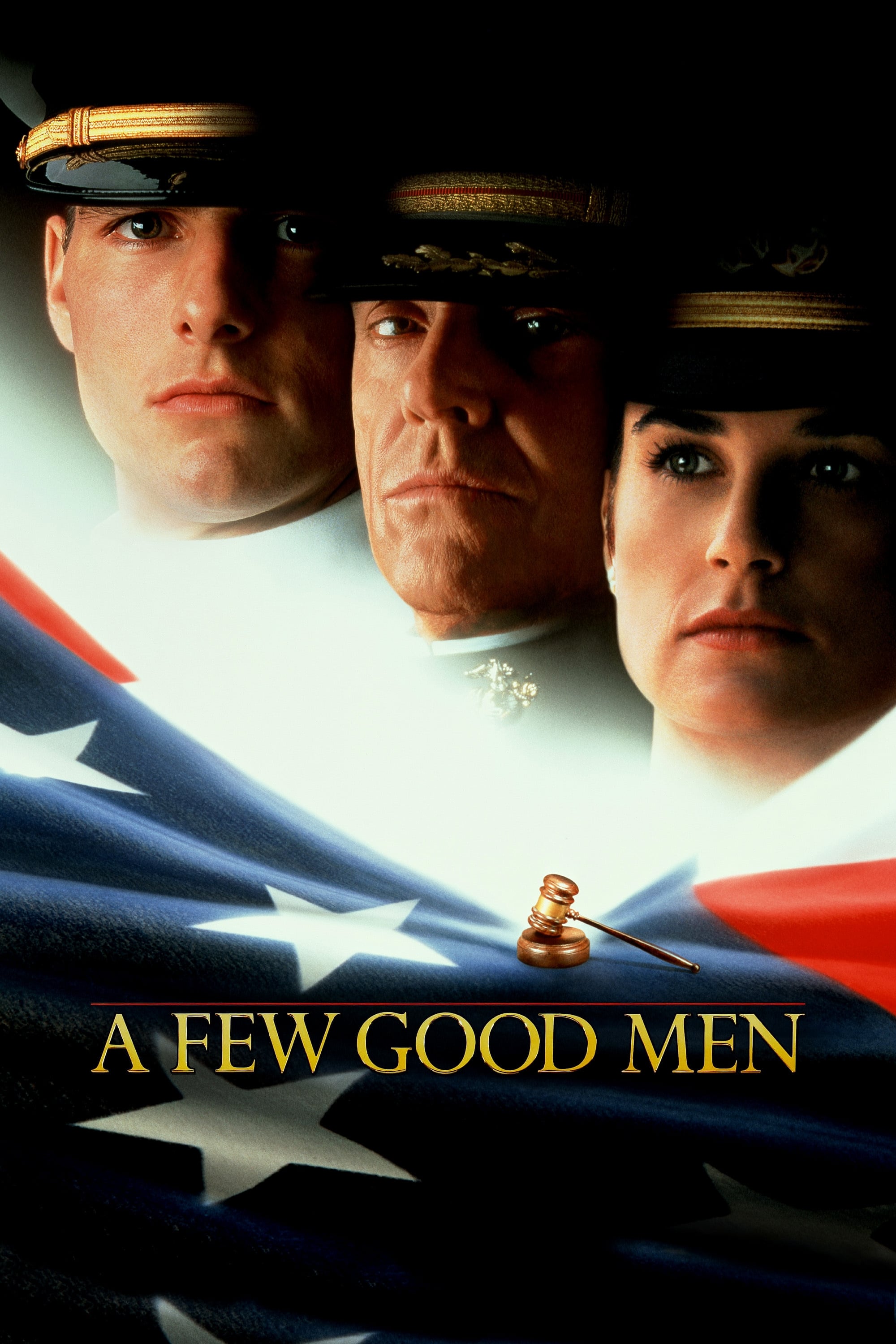
A Few Good Men

Half-Assed Internet Research

Nicholson’s speech; Sorkin and Goldman; casting; awards; salaries; filming; baseball; real-life claims

In the discussion (20)
Approx. transcript time · 00:18:46Read transcript
  • Reiner reportedly planned stand-ins for reaction shots, but Nicholson insisted on fully delivering the climactic speech repeatedly and explained that he loved acting. — Bill Simmons
  • Bacon and Sutherland reportedly regarded Nicholson’s work that day as a demonstration of movie stardom and professional commitment. — Bill Simmons
  • Sorkin’s Navy-lawyer sister’s hazing case reportedly inspired the play, which he began on cocktail napkins while bartending at Broadway’s Palace Theatre. — Bill Simmons
  • William Goldman’s rewrite contribution is clarified: instead of a documentary smoking gun, the flight-log issue provides no proof, forcing Kaffee to elicit a confession. — Bill Simmons
  • The film reportedly received picture, supporting-actor, editing and sound nominations but none for Sorkin or Reiner, and won no Oscars. — Bill Simmons
  • The film is described as Reiner’s only $100-million box-office release. — Bill Simmons
  • The reported budget is $40 million against $243 million earned, with an 84 percent Rotten Tomatoes score mentioned. — Bill Simmons
  • Cruise’s Nicholson impression reportedly was unscripted and elicited genuine laughter; that production anecdote is questioned but defended through Moore’s reaction.
  • A making-of featurette praises the other actors extensively but reportedly gives Moore only Reiner’s acknowledgment that she auditioned and won the part. — Sean Fennessey
  • Moore reportedly reduced her asking price from $3 million to $2 million after The Butcher’s Wife, Mortal Thoughts and Nothing but Trouble disappointed. — Bill Simmons
  • Wolfgang Bodison reportedly moved from Reiner’s location scout to playing Dawson without prior acting experience; his ability to hold his own opposite Cruise is admired.
  • Cruise reportedly received $12.5 million and Nicholson $5 million for ten shooting days. — Bill Simmons
  • Nicholson reportedly disliked the release-date move that put the film against Hoffa; filming at Camp Pendleton was not permitted. — Bill Simmons
  • Nicholson and Walsh reportedly became close while making this film and Hoffa, and Nicholson later dedicated his third Oscar to Walsh’s memory. — Bill Simmons
  • Bacon is said to have played a Jack in six films: Frost/Nixon, My Dog Skip, Apollo 13, A Few Good Men, Quicksilver and Friday the 13th. — Bill Simmons
  • Pollak reportedly described a screening of both Godfather films at a home screening hosted by Cruise, separated by an Italian meal. — Bill Simmons
  • The first televised baseball game is identified as a Braves–Padres extra-inning game featuring a David Justice tying homer before San Diego won 11–10; Atlanta later lost the 1991 World Series. — Bill Simmons
  • The second game is identified as Minnesota–Baltimore, with Rick Aguilera surrendering the save and Randy Milligan’s winning double ending a Twins streak; Minnesota later won the World Series. — Bill Simmons
  • A New York Times account reportedly exposed lawyers advertising themselves as Kaffee’s inspiration, with one removing the claim when questioned. — Chris Ryan
  • An executive reportedly demanded a Kaffee–Galloway sex scene and questioned her being a woman without one; Sorkin objected that women have other purposes. — Bill Simmons
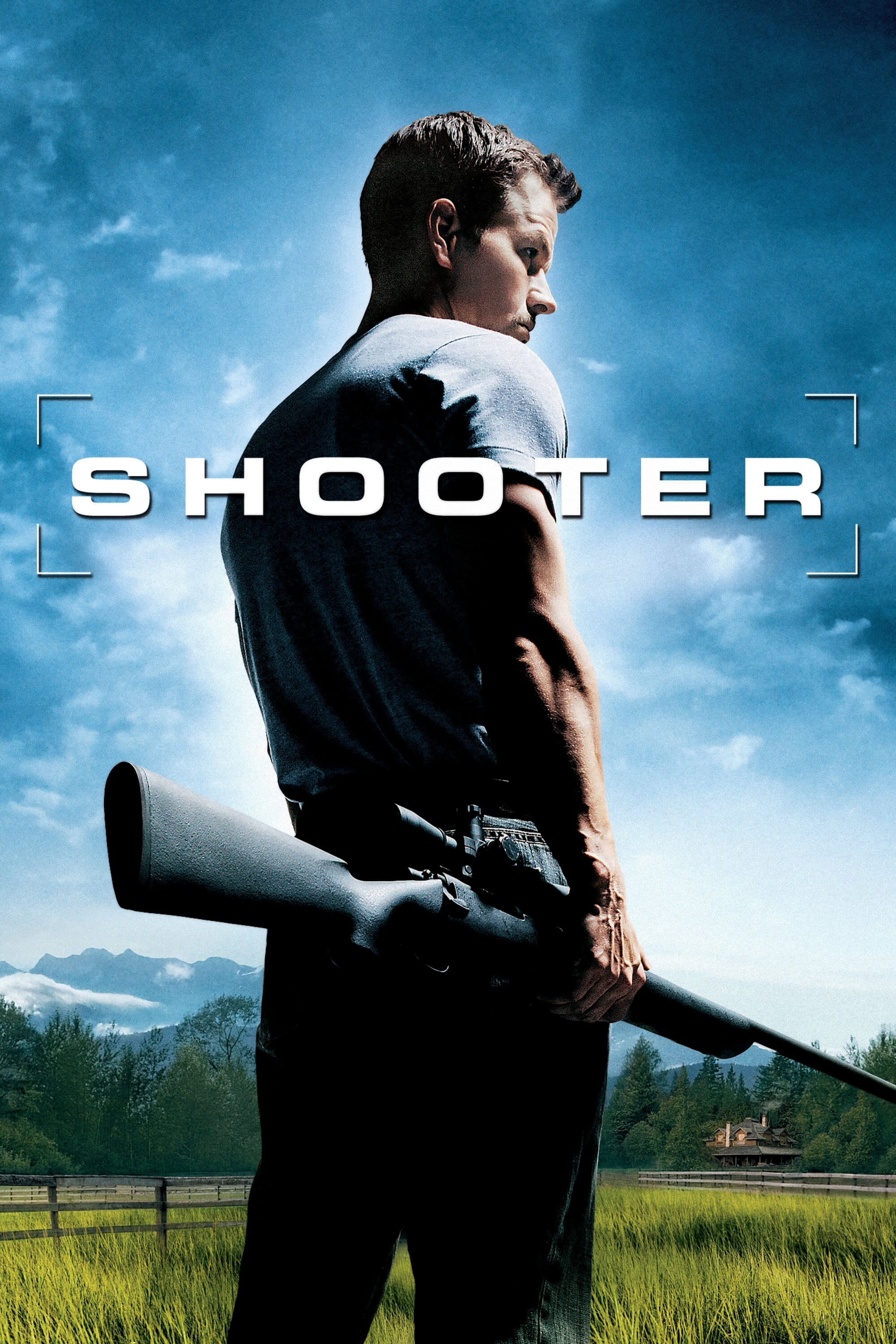
Shooter The Rewatchables
In the discussion (4)
Approx. transcript time · 00:57:18Read transcript
  • The segment opens with a joke that Chris should have a ponytail by the 500th episode.
  • William Goldman did script-doctor work; an older Swagger was envisioned, with Clint, Robert Redford or Harrison Ford, all of whom passed.
  • An older sniper is not believable because eyesight worsens by the mid-40s.
  • Keanu reportedly passed, joked as having filed away the dog-revenge idea for later.
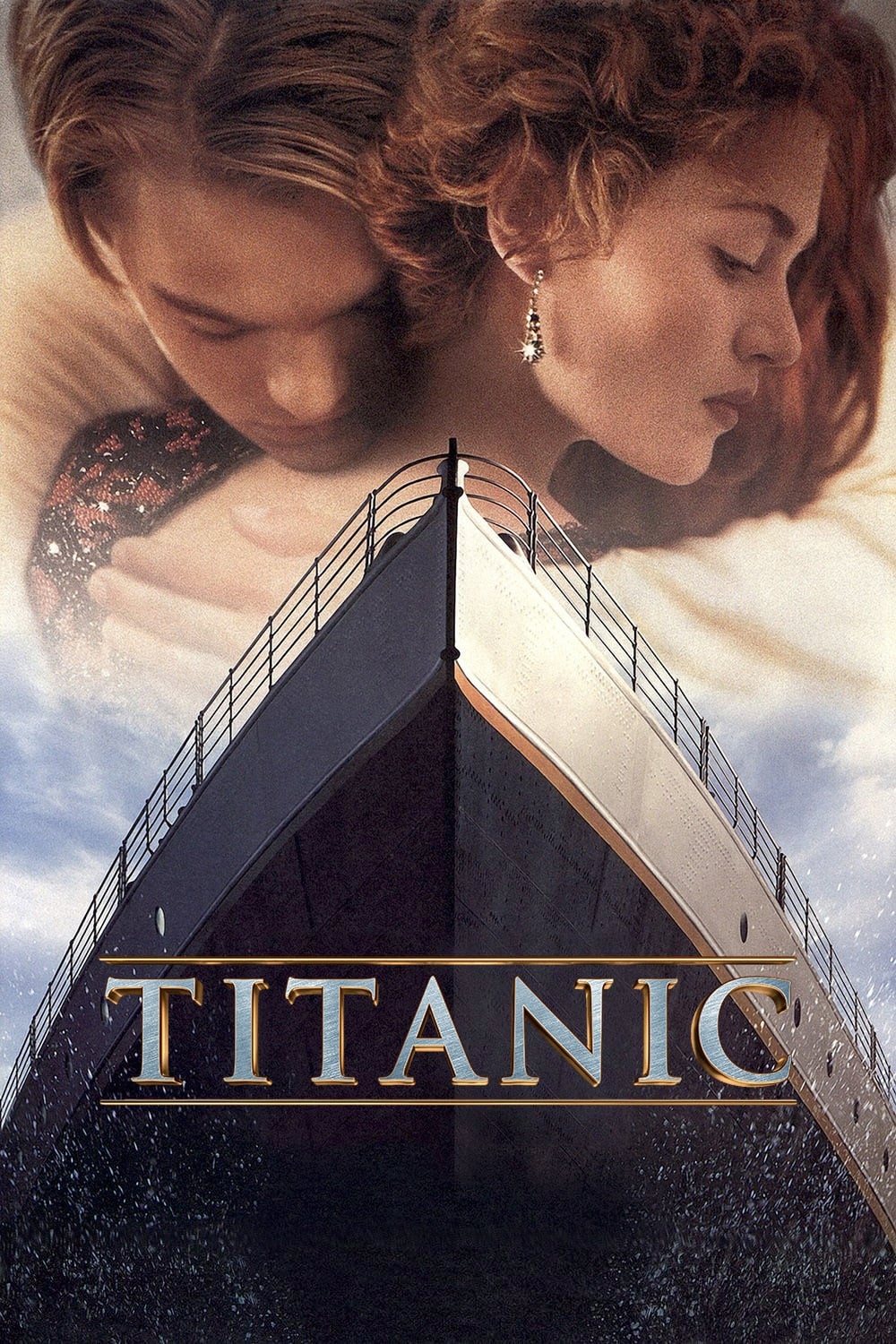
Titanic The Rewatchables
Titanic

What’s Aged the Worst?

Rachel Lindsay possibly not having seen it; three-hour-15-minute runtime; Fabrizio's accent; Billy Zane's Cal; Altman's verdict; the Picasso scene

In the discussion (5)
Approx. transcript time · 01:08:10Read transcript
  • The possibility that Rachel Lindsay has not seen Titanic is joked as the first aged-worst item. — Bill Simmons
  • The three-hour-15-minute runtime is daunting, and Danny Nucci's Italian accent as Fabrizio is questioned, though called better than Jared Leto's in the Gucci movie. — Bill Simmons
  • Billy Zane's Cal is called abusive and aged terribly; the performance is described as slightly sketch-comedy broad, the other host declares himself a lifelong Zane fan despite some overplaying, and the reply is that Zane dialed it up too much. — Bill Simmons
  • Robert Altman reportedly called the film the most dreadful work he had seen, which is laughed off. — Bill Simmons
  • William Goldman's critique of the Cal role and the Picasso scene as full of howlers is cited; the scene is now laughable and the film lacks subtlety, with Cal wrong about everything. — Bill Simmons
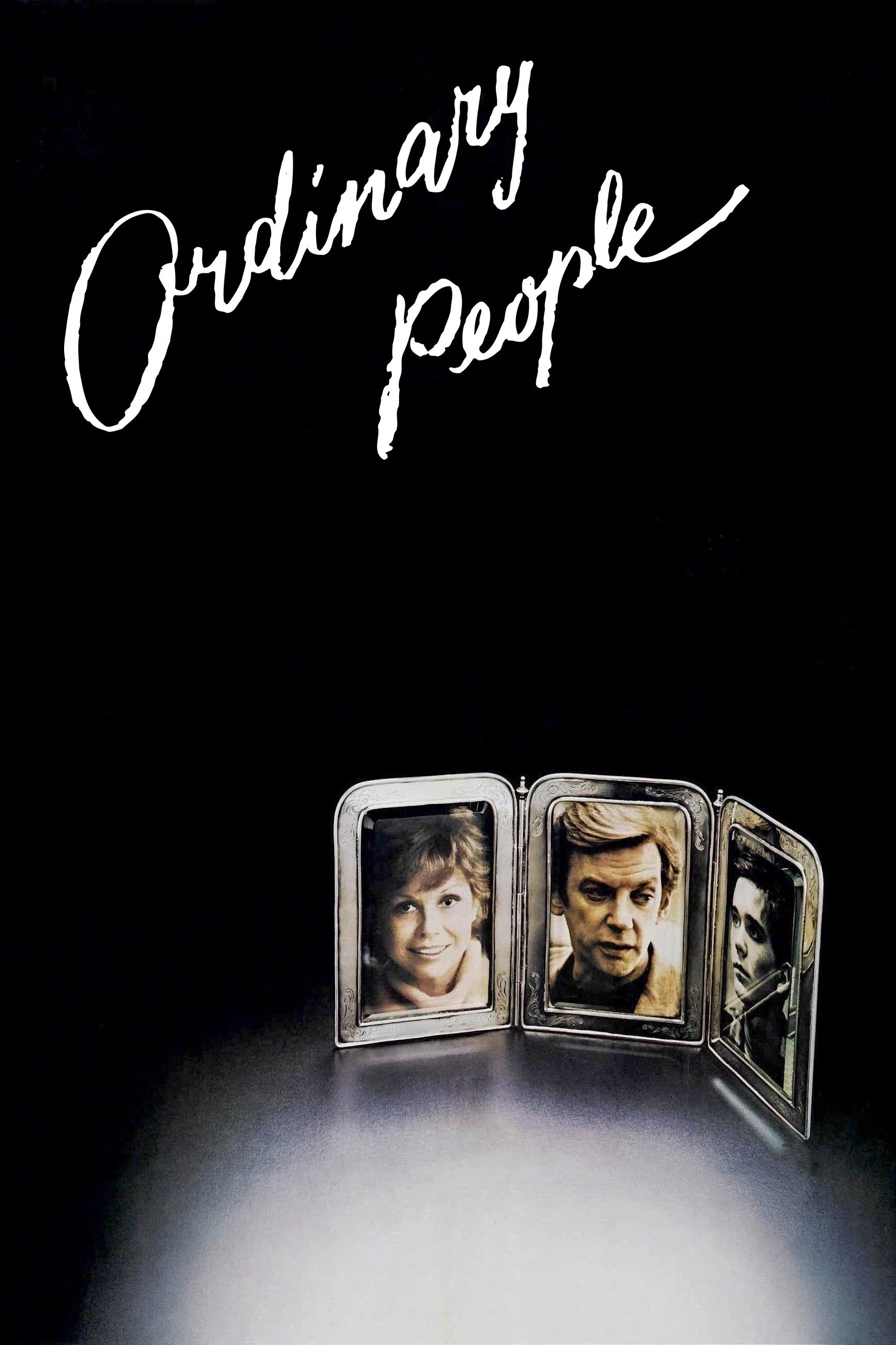
Ordinary People

What’s Aged the Worst?

Canon in D as a wedding song; Sutherland's Best Actor snub; Mary Tyler Moore shock value; Good Will Hunting borrowing; odd dialogue; unwrapped candy apples

In the discussion (9)
Approx. transcript time · 01:21:55Read transcript
  • The Canon, the theme of one of the most dysfunctional family movies, is now the standard wedding song. — Bill Simmons
  • Sutherland's Best Actor snub has aged the worst. — Bill Simmons
  • The shock of Mary Tyler Moore as the evil mom has faded; there is no current equivalent, perhaps Aniston in the mid-2000s. — Bill Simmons
  • Good Will Hunting borrowing from this film bugs one host a tiny bit, prompting a joke to get Matt and Ben back on the show. — Bill Simmons
  • A spouse noticed odd lines that could fuel a sketch, like Sutherland's remark about the leaves at the end; the counterpoint is that he is incoherent because Beth left. — Bill Simmons
  • In a 2013 Esquire profile Redford claimed Kael turned on him after he refused her offer of tips; one host distrusts Redford, citing how Redford treated William Goldman, a friend of the host's, over All the President's Men. — Bill Simmons
  • In reply, Kael was tempted by figures like Warren Beatty to develop movies, so an exchange with Redford is believable, though no one can be trusted on what happened. — Sean Fennessey
  • Kael also feuded with Clint Eastwood, and in the last Dirty Harry movie a critic resembling her is murdered. — Bill Simmons
  • Handing out unwrapped candy apples for Halloween could not happen now. — Bill Simmons
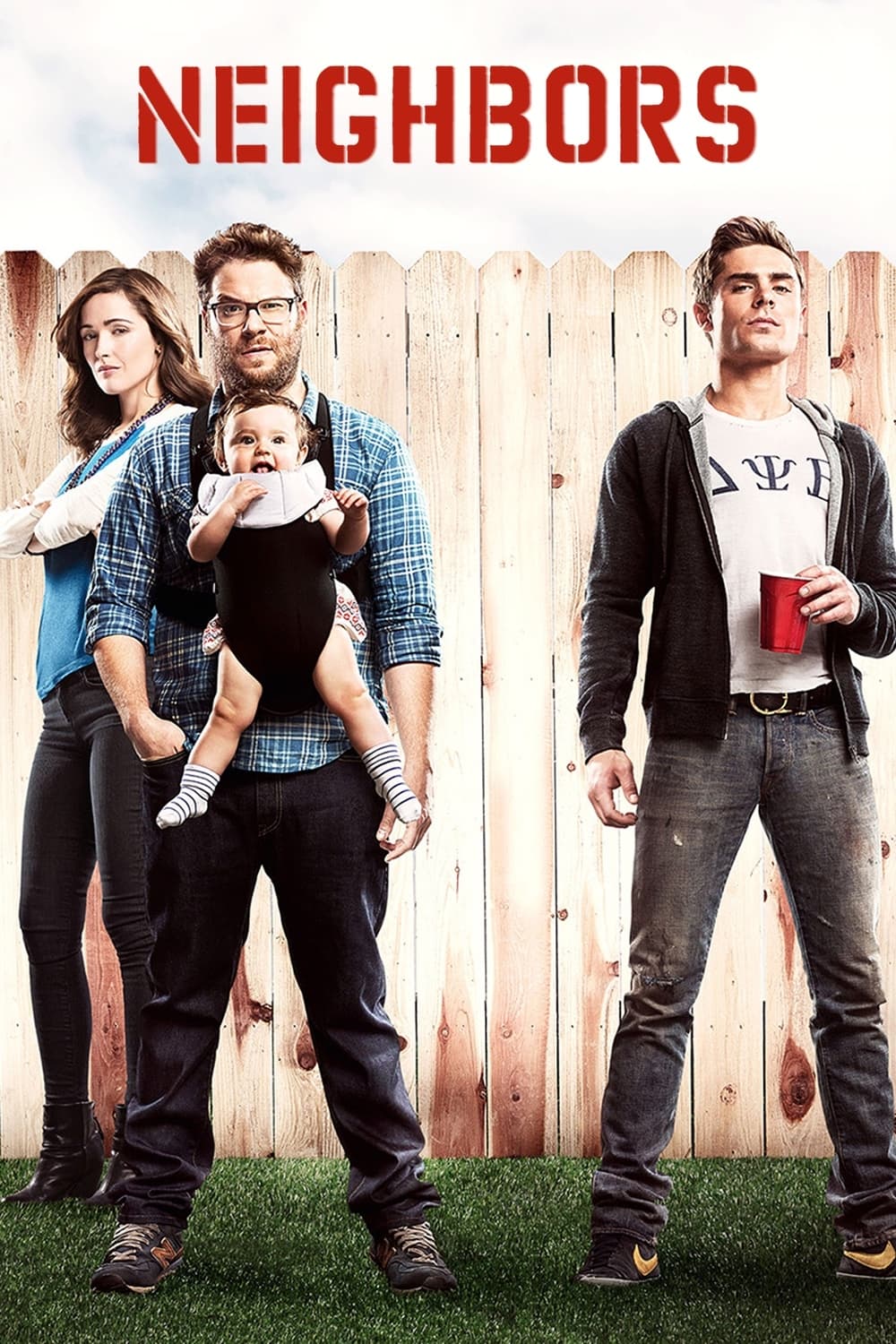
Neighbors The Rewatchables
Neighbors

Apex Mountain

Zac Efron; Abercrombie & Fitch in movies; Nicholas Stoller

In the discussion (16)
Approx. transcript time · 00:55:18Read transcript
  • Rogen: no, or maybe; Superbad and Knocked Up were bigger, though a $200 million movie off an $18 million budget and Sausage Party two years later argue maybe. — Bill Simmons
  • Pineapple Express was the height of his clout, leading to Green Hornet; the Knocked Up, Superbad, Pineapple Express run was his apex. — Sean Fennessey
  • The clout from this hit was used to make The Interview. — Sean Fennessey
  • The Interview is impossible to watch objectively; it has funny moments and Randall Park, but something feels off, like watching a Chadwick Boseman movie now. — Sean Fennessey
  • Apex for frat movies: Revenge of the Nerds, Old School and Animal House are the candidates, and Animal House is the winner; no PCU. — Bill Simmons
  • Efron: the case for yes, since coming out of this it felt like a lot would happen, leading to Baywatch and We Are Your Friends. — Bill Simmons
  • Efron's body: he is still doing fine; the body is a repeated talking point, like Schwarzenegger. — Bill Simmons
  • Rose Byrne is a reliable number two who makes films like Insidious better, making it a tough call. — Sean Fennessey
  • No for Byrne: she is just consistent; this and Bridesmaids unlocked a decade of comedies like Spy. — Chris Ryan
  • Another vote says yes for Byrne because of Insidious and then this the next year. — Bill Simmons
  • Dave Franco: not yet; the hot take is that it's coming, citing The Rental and The Disaster Artist. — Bill Simmons
  • McLovin: no. — Bill Simmons
  • Abercrombie & Fitch in movies: yes, it has never been in a better scene. — Bill Simmons
  • The Abercrombie scene prompts greeter jokes and a joke that it was a dug-up William Goldman ending.
  • Nicholas Stoller: probably, yes; it led to a sequel. — Chris Ryan
  • A late pitch says there has never been a funnier use of airbags; Dumb and Dumber's airbag is raised as a challenge, answered that this one is funnier.
Groundhog Day

Roger Ebert's review

In the discussion (6)
Approx. transcript time · 00:22:00Read transcript
  • The Roger Ebert segment states he gave the film three stars initially, then circled back 12 years later and upgraded it to four stars. — Bill Simmons
  • The quoted later review says tomorrow will come whether or not it is always February 2nd, that we can learn to be better people, and that the point is not that Phil has come to love Rita but that he has learned to see the angel. — Bill Simmons
  • The do-over is called forgivable because rewatching is the premise of the movie and the film seems deeper with each viewing; many first treated it as a silly Bill Murray romantic comedy. — Sean Fennessey
  • Comedies are said to be unfairly dismissed as unserious; early reactions saw Bill Murray being funny rather than the writing and directing. — Sean Fennessey
  • William Goldman is cited as complaining that comedies get the shaft, arguing There's Something About Mary deserved a best film nomination. — Bill Simmons
  • Seeing it in a Massachusetts theater, one host thought it really good but did not expect it to be discussed 27 years later; comedies reveal their rhythm over repeat viewings while dramas hit hardest the first time. — Bill Simmons
In the discussion (3)
Approx. transcript time · 01:20:35Read transcript
  • The category is framed as a sport that cannot end in a tie, with no shootouts on the show; one voice first says Redford, anticipating the other will say Goldman, is surprised that a screenwriter is allowed, and concedes of course it is Bill.
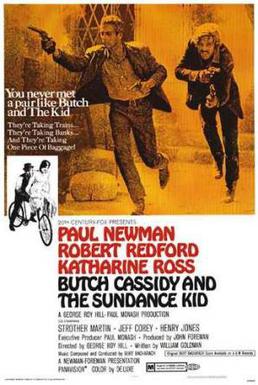
  • Goldman wins hands down: he made a ton of money, it set up his career, he became the dean of screenwriters and completely rebottled the buddy movie; $400,000 for a screenplay in 1969 is likened to $100 million now, and he wrote only three drafts over eight years, prompting jokes about how screenwriters count drafts and the finality of typing on a 1969 typewriter.
  • The pick was surprisingly easy with no argument; one host had been going back and forth between Newman and Redford before realizing Goldman won.
Podcast choices
Speaker not identified
William Goldman
Speaker not identified
William Goldman
In the discussion (8)
Approx. transcript time · 00:48:52Read transcript
  • Young Redford is a first nomination: Downhill Racer and The Candidate are loved, Downhill Racer came out a week after this film, which studios would never allow today, and Hollywood has spent fifty years trying to manufacture another Young Redford, with Brad Pitt in Thelma and Louise the example that worked; the mysterious handsome guy whom women want and men want to hang out with is the hardest thing to find in an actor.
  • Finding another Redford is harder still because the kinds of movies where he would be discovered are rarely made now, more likely on Netflix than in the seventh installment of a superhero franchise; Redford did appear in a Marvel movie as the Secretary of Defense and turned up in Endgame for about a minute after rumors that The Old Man and the Gun would be his last film, so he is not ashamed of a paycheck.
  • Redford's first three big film roles were written by Neil Simon, William Goldman and James Salter, writers who understood his quiet pullback; Goldman wrote four more Redford movies afterward, and then Redford turned on him with a revisionist history of All the President's Men that was debunked on the internet.
  • In All the President's Men, the stretch where Dustin Hoffman grabs his copy and he finally confronts him is unbelievable Redford; he also produced it, and that film is named his Apex Mountain, with Ordinary People a close second, since in 1976 he was probably the biggest star in the world with the juice to fund his own movie.
  • Widescreen: the film had a crappy run on square TVs through the 70s, 80s and 90s because it is shot super wide, and the super posse sequence is gorgeous on the right TV and transfer where the 1982 broadcast version was cutting and panning; Conrad Hall shooting and Edith Head doing the look are perhaps the best cinematographer and costume designer of their generation on one movie, with George Roy Hill again.
  • The Butch, Etta and Sundance dynamic could have gone wrong in many ways but the chemistry works even though Butch and Etta are not dating, in the bicycle scene and her line about what would have happened if she had met him first; it is believable.
  • The scene where Etta is first met is held for what has aged worst; the love story is between Butch and Sundance, and Etta, though a key figure, recognizes that, which is why it never turns into a weird fight over her, since they are loyal to each other over anyone else.
  • Old-school dynamite hooked up to a safe, something movies no longer show, and the dialogue, where not a word would be changed, are also nominated; the final pick is the widescreen, having lived through thirty years of watching it another way, with agreement plus love for Redford and the Swingle Singers.
In the discussion (6)
Approx. transcript time · 01:03:29Read transcript
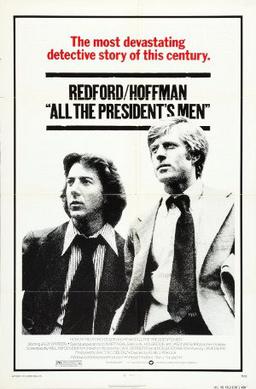
All the President’s Men

Half-Assed Internet Research

Screenplay dispute, invented Florida scene, Robards background presence, overlapping lines, and Redford handedness

In the discussion (7)
Approx. transcript time · 00:59:13Read transcript
  • Goldman reported that Bernstein and Nora Ephron secretly drafted an alternate screenplay that elevated Bernstein and contained inaccuracies
  • The Florida office sequence is described as the only wholly invented scene retained from that draft — Bill Simmons
  • William Goldman skipped his Butch Cassidy Oscar ceremony for a Knicks game
  • Jason Robards reportedly stayed in Bradlee’s office on non-shooting days so his character remained visible in the newsroom background — Bill Simmons
  • Redford and Hoffman reportedly memorized each other’s dialogue to overlap naturally — Bill Simmons
  • Left-handed Redford performs close-up writing and dialing right-handed — Sean Fennessey
  • Redford and Hoffman split billing, with Redford leading marketing and Hoffman leading the film credits — Bill Simmons
In the discussion (3)
Approx. transcript time · 00:43:47Read transcript
  • Andre the Giant is one winner because the documentary release makes this his week and his presence bridges the film and wrestling. — David Shoemaker
  • William Goldman and Rob Reiner receive supporting cases for the idea and execution. — David Shoemaker
  • The other final choice is the performer rendered “Sean,” praised for bringing outsized personality and impeccable delivery to a plot-heavy movie. — David Shoemaker
Podcast choices
David Shoemaker
Andre the Giant
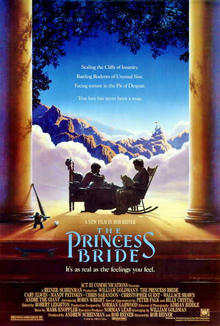
The Princess Bride

Half-Assed Internet Research

Goldman’s novel and rights, Reiner and Lear’s support, Wright and Elwes’s careers, exact casting, Andre’s wrestling schedule and physical limits, and Goldman writing Fezzik with Andre in mind

In the discussion (13)
Approx. transcript time · 00:02:42Read transcript
  • Rob Reiner directed the film from William Goldman’s 1973 novel, and the grandfather framing preserves the book’s asides and genre commentary. — Juliet Litman
  • 20th Century Fox paid Goldman $500,000 for the rights in 1973 but did not make the movie; Goldman later bought the rights back. — Juliet Litman
  • Norman Lear produced the film and is credited with signing off after Rob Reiner selected the lead actor. — Juliet Litman
  • Reiner wanted Carrie Elways after Lady Jane, while Robin Wright’s late audition is described through the story of her appearing backlit at Goldman’s door. — Juliet Litman
  • Andre the Giant was the first choice, but an apparent Tokyo wrestling commitment initially made him unavailable. — Juliet Litman
  • Andre’s back surgery required the production to rig Robin Wright, use a masked double for impact, and put Carrie Always on a box for close shots. — David Shoemaker
  • Kareem Abdul-Jibar, Lou Forigno, a Scottish strongman, and the actor known from Twin Peaks were considered while Andre was unavailable. — Juliet Litman
  • Robin Wright’s post-film career discussion highlights Forrest Gump, House of Cards, She’s So Lovely, the film rendered “white old Leander,” and Wonder Woman. — Juliet Litman
  • The actor rendered Carrie Always is described as an ideal fairy-tale lead whose later career moved through spoofs and villain roles. — David Shoemaker
  • The Crush and Clueless discussion traces Alicia Silverstone’s career around the Aerosmith-video period. — Juliet Litman
  • The production contacted the WWF because Andre’s wrestling bookings controlled his availability. — David Shoemaker
  • Andre’s availability is compared with the Michael J. Fox and Back to the Future scheduling story. — David Shoemaker
  • William Goldman was a wrestling fan who reportedly wrote the novel with Andre in mind and asked casting to find someone like him. — David Shoemaker
Displaying discussions 1 - 12 of 16 in total