Stats
- Episodes featuring their films
- 3
- Movies in this archive
- 4
Rewatchables episodes featuring JoBeth Williams’s films
Mentioned in discussions

Who Won the Movie?
JoBeth Williams; Spielberg also considered
In the discussion (2)
- Ghost movies are initially credited, followed by JoBeth Williams as the individual choice. — Bill Simmons
- Spielberg or Williams are considered; the discussion emphasizes Williams carrying the film while Spielberg received most of the credit. — Bill Simmons
Podcast choices

Apex Mountain
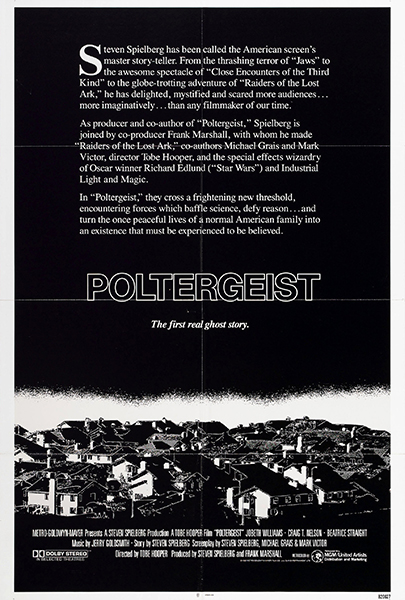
Spielberg; Williams; bedroom clowns; closet portals; family ghost films; cursed productions; haunted-house escape
In the discussion (10)
- Spielberg is proposed on the strength of Raiders, E.T. and Poltergeist. — Bill Simmons
- Spielberg had the juice to do whatever he wanted after this week. — Bill Simmons
- Craig T. Nelson is considered and rejected. — Bill Simmons
- JoBeth Williams is affirmed. — Bill Simmons
- Creepy bedroom clowns are affirmed. — Bill Simmons
- Closet portals are affirmed. — Bill Simmons
- Family ghost movies are affirmed. — Bill Simmons
- Supposedly cursed real-life productions are affirmed. — Bill Simmons
- Hooper is rejected in favor of The Texas Chain Saw Massacre. — Bill Simmons
- Frantic haunted-house escapes are compared with The Amityville Horror, before this film’s escape is favored. — Bill Simmons

Half-Assed Internet Research
Production debate; casting careers; curse lore; budget; football footage
In the discussion (22)
- The discussion places Poltergeist alongside Raiders of the Lost Ark and E.T. in Spielberg’s early-1980s dominance. — Bill Simmons
- The project is described as growing from Night Skies, with Spielberg’s E.T. commitments preventing him from directing. — Bill Simmons
- Spielberg’s visual fingerprints feed the disputed account that he effectively took over directing. — Bill Simmons
- The discussion recounts Directors Guild involvement, a fine and Spielberg’s public letter praising Hooper. — Bill Simmons
- Frank Marshall is quoted crediting Spielberg’s storyboards and near-daily presence while identifying Hooper as the on-set director. — Bill Simmons
- Zelda Rubinstein is reported to have said Spielberg directed all six days she worked. — Bill Simmons
- The film is said to have lost its effects, sound-effects and score Oscar nominations to E.T. — Bill Simmons
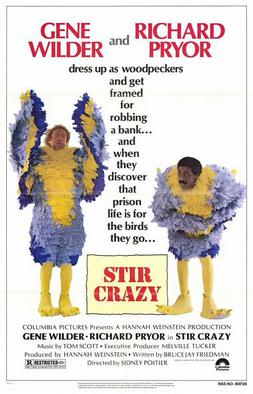
- JoBeth Williams’s career is traced through Kramer vs. Kramer, Stir Crazy, The Big Chill and major television films; she is praised as this film’s driving force. — Bill Simmons
- Craig T. Nelson’s long career is surveyed from film roles through Coach, Parenthood and The Incredibles. — Bill Simmons
- The curse discussion recounts Dominique Dunne’s murder by her boyfriend and its connection to her father’s later reporting. — Bill Simmons
- Heather O’Rourke’s death at twelve during the third film’s production is discussed as part of the curse lore. — Bill Simmons
- Lou Perriman’s murder and other deaths are cited in the curse discussion, with a documentary series suggested for further context. — Bill Simmons
- Williams is reported to have found pictures repeatedly crooked at home during production. — Bill Simmons
- Rubinstein’s reported vision of her dog before learning of its death is presented as another strange anecdote. — Bill Simmons
- The clown apparatus is reported to have malfunctioned and actually choked the child actor before the crew intervened. — Bill Simmons
- The film’s roughly $10.7 million budget and strong 1982 box office are cited; the transcript garbles the gross. — Bill Simmons
- Richard Lawson’s family connections and earlier acting work are discussed. — Bill Simmons
- Spielberg’s childhood fear of clowns and a tree outside his window is said to have inspired the movie. — Bill Simmons
- The house is said to remain in Simi Valley, California. — Bill Simmons
- The televised Rams–Saints game is identified as a 1980 Monday Night Football game, with the Saints losing and Archie Manning struggling. — Bill Simmons
- A late-nineteenth-century Denver cemetery incident is cited as an inspiration, correcting an initial garbled date. — Bill Simmons
- The collapsing house is said to have been a roughly four-foot model. — Bill Simmons

Apex Mountain
Kasdan; Tilly’s Big Chill–Psycho II year; Mary Kay Place; JoBeth Williams’s Poltergeist–Big Chill period (qualified); the sperm-donor arrangement; “hog is broken” jokingly
In the discussion (11)
- Glenn Close and Kevin Kline are rejected as being at their apex. — Bill Simmons
- Meg Tilly is debated between this film and Masquerade before the shared Big Chill–Psycho II year is endorsed. — Bill Simmons
- Mary Kay Place is placed at her apex here.
- Berenger is placed at Platoon and Hurt at Broadcast News.
- JoBeth Williams receives a yes qualified as the period spanning Poltergeist and The Big Chill. — Chris Ryan
- The Santini house is placed at its Great Santini peak. — Bill Simmons
- The Porsche remains unresolved for lack of comparative research. — Bill Simmons
- The arrangement of sleeping with one’s wife’s ovulating friend is jokingly endorsed.
- Saying “hog is broken” receives a joking apex nomination.
- Kasdan receives the final apex for writing and directing the movie immediately after his Star Wars work.
- Backyard football is considered against Wedding Crashers without a resolution. — Bill Simmons
In the discussion (5)
- Nick was reportedly the only role written for a particular actor, William Hurt. — Bill Simmons
- JoBeth Williams and Glenn Close both wanted Meg. — Bill Simmons
- Phoebe Cates auditioned for Chloe and met Kevin Kline, but Meg Tilly’s ethereal quality is preferred. — Bill Simmons
- Kline wanted Goldblum’s funnier role before being pushed to Harold. — Bill Simmons
- Sean Penn as Alex is treated as an unverified and age-inconsistent rumor.
Half-Assed Internet Research
Avery Corman novel; darkened nude scene; Justin Henry improvising at seven; Library of Congress omission; J.G. Melon location; Streep pregnant during filming
In the discussion (6)
- The source novel was by Avery Corman, and Jaffe and Benton bought it. — Bill Simmons
- The JoBeth Williams nude scene was optically darkened to avoid an R rating. — Bill Simmons
- Justin Henry was seven when filming began and improvised a lot with Hoffman, who was reportedly nice to him. — Bill Simmons
- As of 2020 it was reportedly the only 1970s Best Picture winner not selected by the Library of Congress for preservation, which puzzles the hosts. — Bill Simmons
- The wine-glass scene was filmed at J.G. Melon on East 74th Street and Third Avenue, which displays a framed photo from the film. — Bill Simmons
- Streep was reportedly pregnant during filming, hidden by a raincoat, having met the sculptor Gummer shortly after John Cazale died. — Bill Simmons

The Dion Waiters Award for Best Heat Check Performance
JoBeth Williams; the job recruiter
In the discussion (2)
- JoBeth Williams, in and out of the film in four minutes with the nude scene, is called hard to top. — Bill Simmons
- Special tribute is paid to the job recruiter, who has about three minutes and gets flustered as Ted pressures him; the call is endorsed. — Bill Simmons
Casting What-Ifs
James Caan, Al Pacino and Jon Voight for Ted; Kate Jackson, Faye Dunaway and Jane Fonda for Joanna; Gail Strickland as Margaret
In the discussion (9)
- Hoffman initially did not want the role, and James Caan reportedly declined over fears the film would flop. — Bill Simmons
- Al Pacino reportedly turned it down as not right for him; seeing him in the role would have been welcome. — Mallory Rubin
- Jon Voight reportedly declined because he was already in The Champ, another divorced-parent story whose ending is called one of the saddest.
- Hoffman changed his mind after meeting Jaffe and Benton in a London hotel. — Bill Simmons
- By her own claim, Kate Jackson was offered Joanna but could not take it because of Charlie's Angels; the story is treated as only mostly true. — Bill Simmons
- Faye Dunaway was reportedly offered the role and did The Champ instead; Jane Fonda, earlier said to have been talked about for the role, is mentioned again; Ali MacGraw is named only with the judgment that she would have butchered it, without saying she was considered. — Bill Simmons
- Streep was originally meant for the JoBeth Williams role before being cast as Joanna. — Bill Simmons
- Gail Strickland was cast as Margaret but reportedly fired after Hoffman taunted her on set, and Jane Alexander replaced her. — Bill Simmons
- Earlier, a Kate Jackson version of Joanna is dismissed as unable to reach Streep's level, with casting what-ifs promised for later. — Bill Simmons

What’s Aged the Best?
Young Meryl Streep; the title; the poster; the opening score; JoBeth Williams nude scene; Justin Henry; Halloween play; Billy picking the Celtics; Billy reading comics
In the discussion (7)
- Young Streep, with three 1979 films, is praised as leaving the 1970s on a high. — Bill Simmons
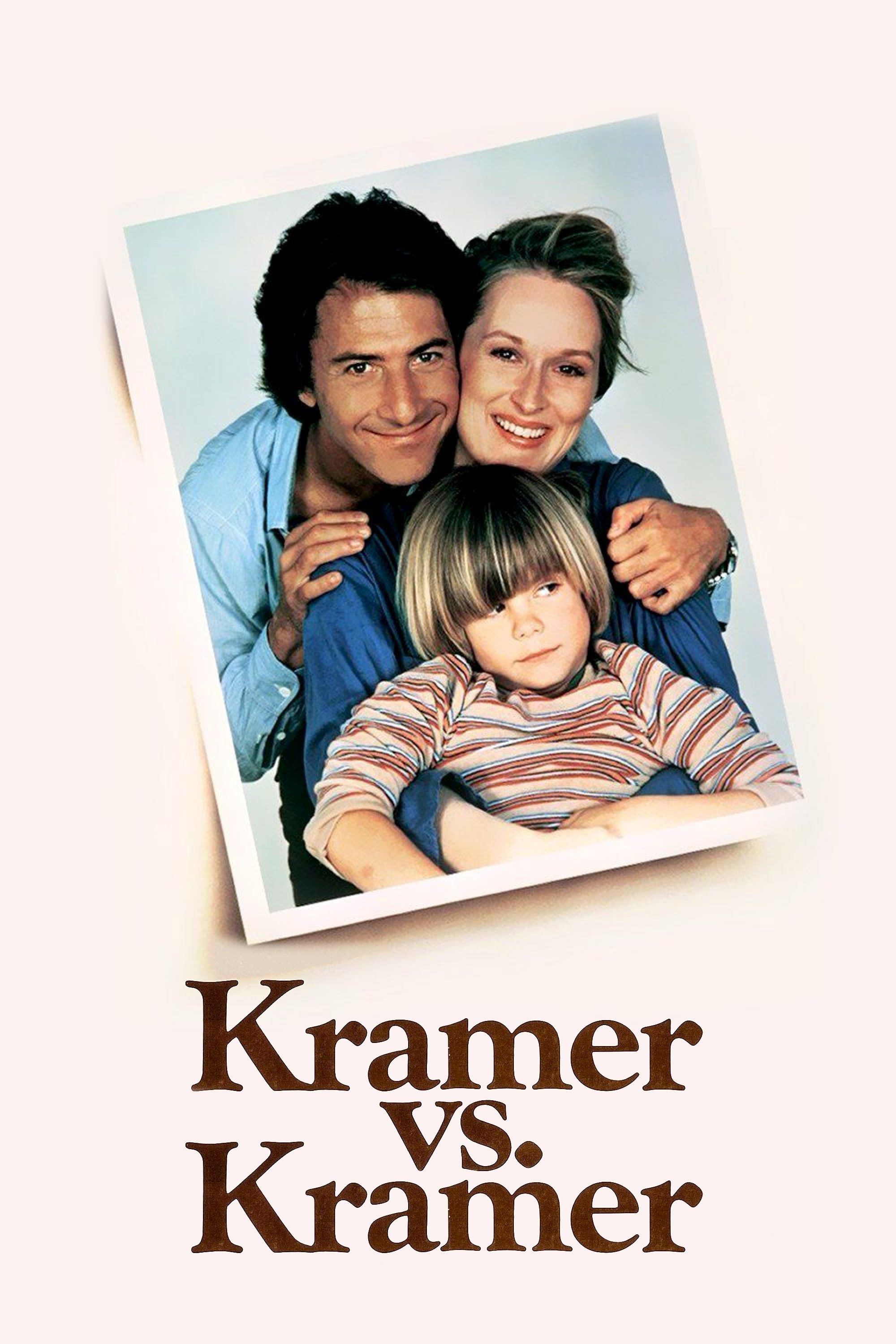
- The title, the moment it is spoken, the happy-family poster and the opening score with guitar players are all praised. — Bill Simmons
- Another item is a talk-show shag-marry-kill game about Redford, De Niro and Hoffman, in which the Streep answer reportedly kills Hoffman. — Bill Simmons
- The JoBeth Williams nude scene is called one of the funnier nude scenes, though staging it with a child would draw objections today. — Bill Simmons
- Justin Henry is noted as the youngest Oscar nominee ever, at eight, and his performance is argued to be the best in the film because of its degree of difficulty; his haircut and the Halloween play are also praised. — Bill Simmons
- The divorce genre itself is mentioned as a fertile subject. — Bill Simmons
- Billy choosing the Celtics over the Knicks and reading comics at breakfast are added as items that aged well. — Mallory Rubin