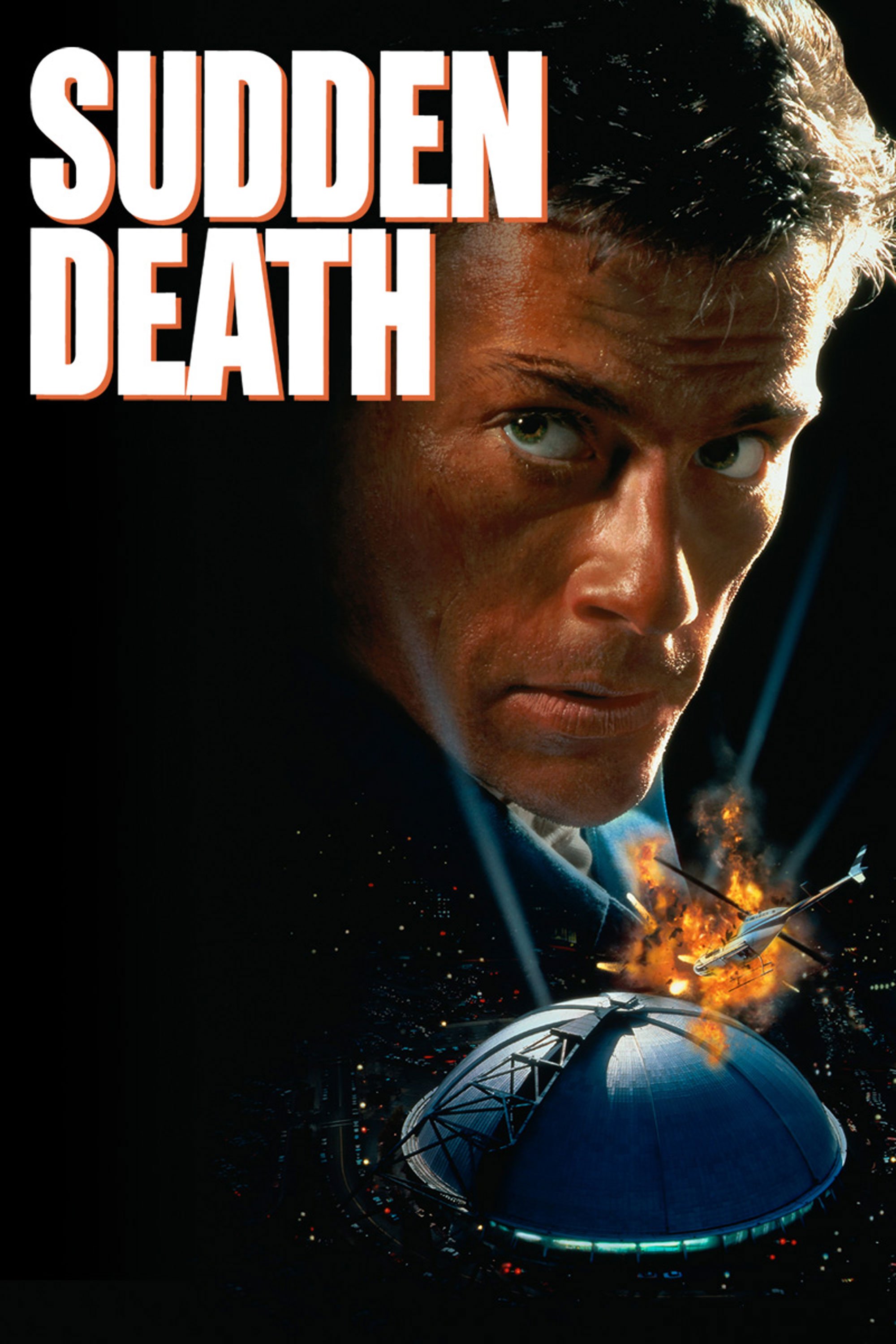
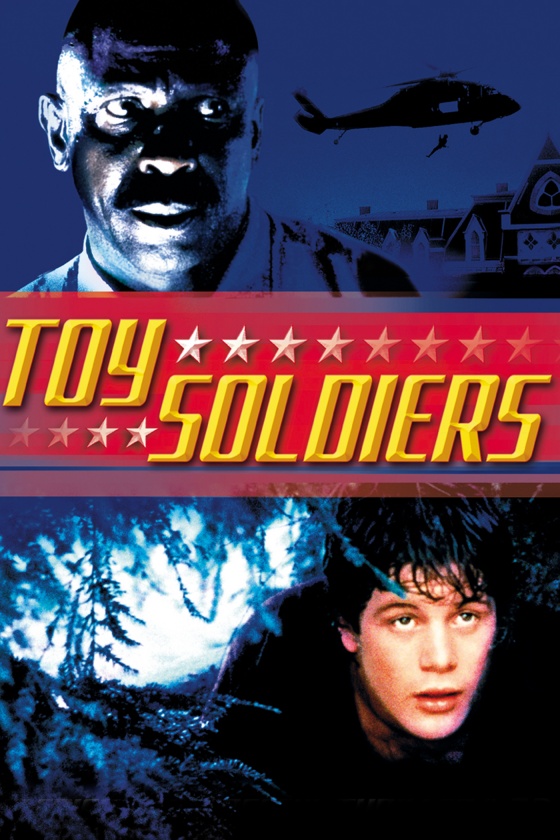
A separate revised scale puts Powers Boothe at one, the Passenger 57 villain at two and the Toy Soldiers villain at three, reversing an earlier preference between Boothe and Toy Soldiers.
The villain scale initially puts the Toy Soldiers villain at one, criticizing his intimidation speech despite strong entrance, pivot and final-fight stages; a later utterance calls him two.
An alternate opinion places Jones at nine and would rank Lithgow and Hopper higher; Toy Soldiers is again called the worst while Boothe is another participant’s least favorite.
Protests reportedly ruined sound and contributed to multiple killer voices; around 40 minutes of explicit club footage were removed, described by Friedkin as pornography.
The film derives from Gerald Walker’s 1970 novel, which Friedkin disliked; unsolved leather-bar murders, Village Voice articles and undercover officer Randy Jorgensen helped motivate his interest.
Friedkin’s retrospective explanation frames the film as a murder mystery in an S&M setting rather than an anti-gay statement, with the timing amid gay liberation and AIDS shaping its reception.
The city’s 1970s seediness is recalled through the blackout and Times Square; critic Nathan Lee’s enthusiastic reappraisal is placed uncertainly in the 2000 s or 2010 s.
Pacino’s dramatic-star run precedes reported refusals of Han Solo, Close Encounters, Apocalypse Now and Kramer vs. Kramer; he wanted Slap Shot but his inability to skate reportedly cost him the role.
Friedkin reportedly criticized Pacino’s eloquence, lateness and lack of creative ideas; the onscreen performance is defended against that judgment.
The club participant reacting to the lubricated arm is identified as Bruno Kirby, surprising the others; the cast also prompts recognition of Mike Starr, William Russ, Powers Boothe and Ed O’Neill.
The reported budget is 11 million dollars and gross 19.8 million, characterized as a hit.
Karina Longworth’s podcast is cited for an interpretation of erotic thrillers partly as AIDS allegories, not solely reducible to that reading.
A cited interpretation connects the captain’s limp to compromised masculinity; the author is not remembered and the reading remains interpretive.
The novel’s protagonist is described as racist, unlike the film’s more valuable transformative journey.
The soundtrack discussion lists Willy DeVille with “the moment” and “Pulling My String,” the Cripples, John Hiatt’s “Spy Boy,” Madelynn von Ritz, the Germs’ “Lion’s Share” and Rough Trade; only one intended Germs song was used.
Mutiny’s “Lump” is identified as the opening song and the only funk track; another female-sung disco-tinged track is characterized as fundamentally rock.
The earlier uncertain collaborator name is corrected to Travis Mathews in the discussion of Interior. Leather Bar.
The missing explicit footage reportedly no longer exists, having been destroyed in fires according to Friedkin.
Friedkin reportedly worked with Mafia members because they owned many of the city’s gay bars.
The morgue sequence is reported as the first film given permission to shoot there; medical examiner Michael Baden allegedly lost his job over the decision before later television fame.
Karen Allen reportedly never received the complete script because her character was meant not to know what Burns was doing; the implications for her final costume scene are questioned.
Journalist Arthur Bell is identified as the early organizer of opposition.
A protest reportedly drew 1000 marchers through the East Village, and Bell’s Village Voice articles are recommended.
The Mineshaft refused filming; Friedkin reportedly submitted the initially X-rated film 50 times and removed 40 minutes, inconsistently claiming the cuts either did not affect the story or obscured Burns as a possible killer.
Writer John Rechy reportedly persuaded Friedkin to remove a gay-liberation slogan from the opening body-recovery scene because it could be misread.
An initial disclaimer disavowing judgment of gay life is recalled as controversial, though absent from the current viewing and not quoted exactly.
The explicit club footage reportedly used actual patrons and leather-scene participants rather than primarily actors.
The ambiguous mirror ending and return to the harbor are admired, including the possibility of continuing murders; the editing problems may have helped create its ambiguity.
The assignment scene is praised for Burns readily volunteering rather than resisting, with promotion seeming secondary; the captain opens by bluntly asking about sexual experience with men.
The dancing sequence is praised as an unusually uninhibited Pacino moment, interpreted as release and a metaphorical sexual experience rather than mere undercover work.
The precinct-night rejection is admired for the irony of an actual undercover cop failing to look or act sufficiently like a fetishized cop.
Sorvino’s briefing is a scene candidate, using victim photographs that resemble Burns to explain the undercover assignment.
The first gay-bar visit and Burns’s tour of the Ramrod and Wolf’s Den establish how fully the film enters this world.
Powers Boothe explaining the hanky code is a favorite; Burns promises to think about it and returns with a yellow hanky before being told watching is insufficient.
Burns lifting weights after the hanky-code encounter is interpreted as going beyond a purely undercover commitment.
The dressmaker murder sequence, including the cinema trip, is praised as a miniature Hitchcock film.
Burns telling the captain he cannot handle what is happening is a favorite; the captain’s indifference highlights the lack of concern for him as a person.
The yearbook identification of Stuart is enjoyed as hands-on mystery solving.
Burns tailing Stuart and confronting him at the park benches is praised as an old-fashioned showdown, despite possible police misconduct.
The ending with Karen Allen wearing the clothes is admired for leaving the next encounter unknowable; Burns hearing club music during sex suggests mental distance from his girlfriend.
The interrogation is considered terrifying and bracing rather than rewatchable or camp.
The nearly naked cowboy-hatted enforcer is interpreted as an S&M embodiment used by police to abuse and coerce suspects.
Burns asking why he was hit is a favorite non-dancing Pacino reaction, destabilizing what undercover realism means.
Dancing receives repeated final selections, while another preference favors the showdown through hospital and especially the ending.
The final shaving and residual cream are interpreted as concealment and a sexual visual metaphor, with agreement on that reading.