Protests reportedly ruined sound and contributed to multiple killer voices; around 40 minutes of explicit club footage were removed, described by Friedkin as pornography. — Chris Ryan
The film derives from Gerald Walker’s 1970 novel, which Friedkin disliked; unsolved leather-bar murders, Village Voice articles and undercover officer Randy Jorgensen helped motivate his interest. — Bill Simmons
Friedkin’s retrospective explanation frames the film as a murder mystery in an S&M setting rather than an anti-gay statement, with the timing amid gay liberation and AIDS shaping its reception. — Bill Simmons
The city’s 1970s seediness is recalled through the blackout and Times Square; critic Nathan Lee’s enthusiastic reappraisal is placed uncertainly in the 2000 s or 2010 s. — Bill Simmons
Pacino’s dramatic-star run precedes reported refusals of Han Solo, Close Encounters, Apocalypse Now and Kramer vs. Kramer; he wanted Slap Shot but his inability to skate reportedly cost him the role. — Bill Simmons
Friedkin reportedly criticized Pacino’s eloquence, lateness and lack of creative ideas; the onscreen performance is defended against that judgment. — Wesley Morris
The reported budget is 11 million dollars and gross 19.8 million, characterized as a hit. — Bill Simmons
Karina Longworth’s podcast is cited for an interpretation of erotic thrillers partly as AIDS allegories, not solely reducible to that reading. — Wesley Morris
A cited interpretation connects the captain’s limp to compromised masculinity; the author is not remembered and the reading remains interpretive. — Bill Simmons
The novel’s protagonist is described as racist, unlike the film’s more valuable transformative journey. — Wesley Morris
The soundtrack discussion lists Willy DeVille with “the moment” and “Pulling My String,” the Cripples, John Hiatt’s “Spy Boy,” Madelynn von Ritz, the Germs’ “Lion’s Share” and Rough Trade; only one intended Germs song was used. — Bill Simmons
Mutiny’s “Lump” is identified as the opening song and the only funk track; another female-sung disco-tinged track is characterized as fundamentally rock. — Wesley Morris
The earlier uncertain collaborator name is corrected to Travis Mathews in the discussion of Interior. Leather Bar. — Bill Simmons
The missing explicit footage reportedly no longer exists, having been destroyed in fires according to Friedkin. — Wesley Morris
Friedkin reportedly worked with Mafia members because they owned many of the city’s gay bars.
The morgue sequence is reported as the first film given permission to shoot there; medical examiner Michael Baden allegedly lost his job over the decision before later television fame. — Bill Simmons
Karen Allen reportedly never received the complete script because her character was meant not to know what Burns was doing; the implications for her final costume scene are questioned.
Journalist Arthur Bell is identified as the early organizer of opposition. — Bill Simmons
A protest reportedly drew 1000 marchers through the East Village, and Bell’s Village Voice articles are recommended. — Bill Simmons
The Mineshaft refused filming; Friedkin reportedly submitted the initially X-rated film 50 times and removed 40 minutes, inconsistently claiming the cuts either did not affect the story or obscured Burns as a possible killer. — Bill Simmons
Writer John Rechy reportedly persuaded Friedkin to remove a gay-liberation slogan from the opening body-recovery scene because it could be misread. — Bill Simmons
An initial disclaimer disavowing judgment of gay life is recalled as controversial, though absent from the current viewing and not quoted exactly. — Wesley Morris
The explicit club footage reportedly used actual patrons and leather-scene participants rather than primarily actors. — Wesley Morris
Who masturbated on Rachel's bed: the blond locker-room guy, the assassin, or the sister staging it; the sister would not because it tightens security, so the locker-room guy is just a creepy bed masturbator. — Bill Simmons
Celebrity home invasions have aged well given people finding where Kylie Jenner lives. — Van Lathan
Why didn't the assassin quit after the sister died? She said she did not know him, and before he shoots she says she paid and he says "you're dead"; the point is conceded. — Bill Simmons
Mike Starr was a terrible bodyguard: beaten by Costner, mishandled the club, and poked in the eye by the camera rifle guy. — Bill Simmons
Rachel's next couple of years look like the wheels coming off; the airport run misled one viewer into thinking they end together, but the film obeys the song. — Bill Simmons
Most messed-up Oscars moment: Rachel's near-assassination is chosen over the La La Land-Moonlight mix-up, which is called hysterical and a great Kimmel moment. — Bill Simmons
Bill Cobbs (transcribed Cops/Cubs) is debated as too established to be a That Guy despite popping up in Demolition Man and New Jack City; he seemed the same age for 25 years like Wilford Brimley. — Van Lathan
Later, the actor who played Fletcher is identified as Norm Nixon's son, with Debbie Allen as his stepmom; shout-out to Devon Nixon. — Van Lathan
The last 15 minutes are predicted to win before the runners-up are reviewed. — Bill Simmons
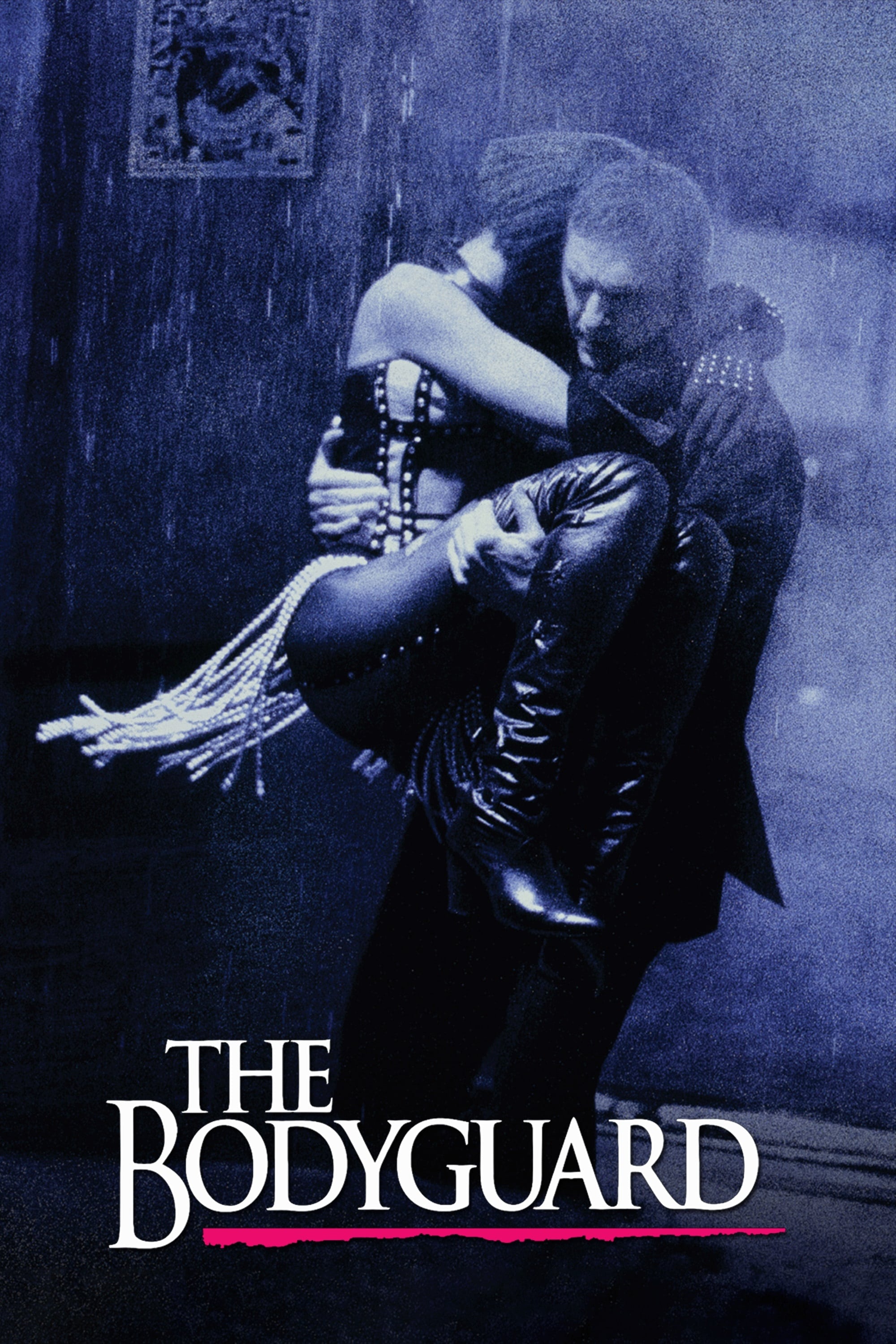
Frank meeting Rachel at the full-production video rehearsal at her house ("you don't look like a bodyguard" / "This is my disguise") establishes her fame and diva attitude within five minutes. — Bill Simmons
In the club sequence Rachel performs the dance song and Frank fights Mike Starr; the collapse into a mosh pit that endangers a famous star is called a little pushing it, but compelling. — Bill Simmons
The club scene is where she must surrender control after repeatedly refusing his intervention, reflecting the theme of protecting someone too proud to admit needing protection; he must find connection and she vulnerability, and they start to build trust. — Van Lathan
The club song is an unusual Whitney choice aimed at Janet Jackson territory; one participant likes it, the other never liked that Jody Watley/Janet Jackson era, citing Black Cat versus Miss You Much and liking Cold Hearted Snake. — Van Lathan
The roughly seven-minute date is picked over the ending: it sets up the dead-client confession cliche from Lethal Weapon 2 and bails out with the joke "She didn't love me anymore," and she calls I Will Always Love You depressing, setting up a later callback. — Van Lathan
The date ends back at the apartment with the samurai sword and the falling silk, showing her how dangerous he is; it is called one of the best date-connection scenes in movies, and agreed. — Van Lathan
The film should have had two or three more connection scenes like the date instead of Frank calling it a mistake the next morning. — Bill Simmons
The Run to You performance is mentioned; the film is way too long, and any re-edit would stay on Whitney singing rather than cutting to the banquet. — Bill Simmons
The last 15 minutes include Robert Will (as transcribed) hosting the Oscars, her presenting and winning, a voice double singing her song, Frank in slow motion, the camera rifle, and a random Debbie Reynolds appearance with no other famous people. — Bill Simmons
The ending, with Frank seeming about to die, the airport, her stopping the plane and the a cappella song that was reportedly Costner's suggestion, is one of the great endings and is named as a choice. — Bill Simmons
The other pick is the Frank-Rachel date, called adorable and very important to the plot and the connection between the characters. — Bill Simmons
Later, the kitchen fight between Frank and Mike Starr is flagged as missed in the scene discussion. — Van Lathan