The most-rewatchable-scene discussion proposes eight selections and suggests almost the entire film qualifies except roughly twenty minutes. — Bill Simmons
The opening diner robbery and transition into the credits are praised. The discussion considers the switch between two songs and debates whether the typography still feels timeless; younger viewers may associate it with Stranger Things.
Misirlou prompts an association with the Black Eyed Peas song Pump It for a younger listener. — Craig Horlbeck
Vincent and Jules discussing Amsterdam and the Royale with Cheese is praised as exceptionally influential screenwriting. The conversation connects its everyday observations to the film's recurring contrasts between Europe and America.
The foot-massage argument, Mia's television pilot, and Antoine Tony Rocky Horror story are praised for combining casual conversation with the unexplained armed approach to an apartment. Vincent catches Jules with the offer to give him a foot massage. — Craig Horlbeck
The foot-massage debate leads to agreement that the gesture is intimate; professional massage is distinguished from a personal offer.
The apartment confrontation is introduced as another scene contender, with Samuel L. Jackson's performance prompting an early Rick Dalton Award mention. The Big Kahuna Burger and tasty-beverage dialogue, Frank Whaley's frightened performance, and the big-brain-on-Brett line receive praise.
Jackson's interaction with Burr Steers on the couch is singled out, while Travolta's quieter background performance also draws attention. — Chris Ryan
Travolta's relaxed background behavior contrasts with Jackson's commanding, repeatedly quotable performance in the apartment.
Jackson's extended biblical monologue is praised as an extraordinary sustained performance, prompting curiosity about how many takes the scene required. — Bill Simmons
Low angles, close-ups, and a camera move following Jackson's head turn establish him as a movie star, shifting attention away from Travolta. — Chris Ryan
The burger and the film's food generally are praised for looking appetizing.
Marsellus lecturing Butch about pride and his declining prime is selected as another scene; its advice is compared with Pacino's speech to DiCaprio in Once Upon a Time in Hollywood. — Bill Simmons
The speech's warning about aging inspires contemporary jokes about Joe Biden and Paul George's late-career contract.
Butch's confrontation with Vincent is discussed as the possible trigger for keying his car and deciding to betray Marsellus; a reported Tarantino answer supports the decision forming during that encounter.
Obscuring Marsellus's face during his speech is praised for building anticipation and making the crime boss seem mythical, with Mia's delayed reveal cited as a parallel.
Vincent buying heroin from Lance is selected for its elaborate product descriptions and sales pitch, including the more expensive Choco. — Chris Ryan
Lance remaining visible in a mirror is singled out as an easily missed visual detail. Mirrors and reflections recur with Mia, Fabienne, and Vincent. — Bill Simmons
Vincent confusing Trudi with Jody and describing the piercings on Jody's face is praised as an enduringly funny exchange; Stoltz's robe, sandals, and hair contribute to the performance.
The drug purchase captures obligatory small talk, with Lance echoing Vincent's complaints about his keyed car and using a salesman's suggestion that stock might run out. — Chris Ryan
Stoltz's appeal across different kinds of films is discussed. A festival encounter and his enthusiasm for Reservoir Dogs are offered as the background to his casting, alongside his other connections to Tarantino and Roger Avary. — Sean Fennessey
The discussion corrects Kicking and Screaming to 1995 and describes Stoltz's early-1990s mixture of indie leading roles and smaller appearances. — Bill Simmons
Vincent and Mia's date at Jack Rabbit Slim's is selected, including his arrival at her house. The restaurant's immersive design and automobile booths are praised; conflicting construction-budget recollections are discussed.
A reported Disney proposal to reproduce Jack Rabbit Slim's in a park was declined; the restaurant is compared with an unnamed real Los Angeles establishment. — Sean Fennessey
Characters repeatedly expressing pleasure in their food is suggested as part of why the meals look so appealing. Steve Buscemi's Buddy Holly waiter is highlighted. — Sean Fennessey
Fox Force Five's detailed character lineup inspires enthusiasm for an actual pilot and a comparison with Kill Bill; whether Tarantino wrote such a pilot is speculation.
The five-dollar milkshake exchange and its specific menu terminology are singled out as memorable date dialogue.
The date resolves the foot-massage rumor while Travolta's bashful, low-key delivery contrasts with Thurman's more animated cocaine-influenced behavior.
The twist contest and Chuck Berry song are praised. The discussion wonders how the dance would look to sober observers and reports that Travolta introduced additional period dances instead of only performing the twist.
A first-time viewer expects Vincent and Mia to have sex and face Marsellus's anger; the overdose instead provides an effective narrative swerve. The baggie rather than a balloon helps explain Mia mistaking heroin for cocaine. — Bill Simmons
Mia abandoning her lip-sync routine midway through the song is praised as a behavioral detail. Lance's quiet evening with cartoons, cereal, and a recliner makes Vincent's emergency arrival especially funny. — Chris Ryan
The injection effect reportedly used a needle pulled away from Thurman's chest with the footage reversed, after a fake chest was rejected. — Bill Simmons
Vincent pressuring Lance by explaining that Mia belongs to Marsellus adds another comic threat to the rescue; the rough handling of Mia on the lawn is noticed. — Chris Ryan
Thurman's ability to look glamorous and convincingly devastated, especially on the drive home, is praised. — Bill Simmons
Christopher Walken's watch monologue is selected as another scene. Its placement immediately after the overdose supplies another escalating surprise when a quieter flashback seems likely.
Walken's uninterrupted watch speech is praised, and the watch's Knoxville origin is connected to Butch's destination and Tarantino's biography.
Butch returning for the watch and killing Vincent is selected. One objection says Butch seems insufficiently frightened; the long approach through backyards is defended as an effective real-time buildup. Stopping for a toaster pastry is questioned.
Vincent's abrupt death is compared with Psycho's shocking removal of its apparent lead. Whether earlier politeness toward Butch would have saved him is raised, with survival offered as the reason Butch would shoot regardless.
The pawnshop basement and Gimp reveal are selected for their shocking narrative turn. Deliverance is a comparison, while the setting is read as a surreal personal hell for a powerful crime boss.
The Gimp emerging from the trunk is called a top-five shocking movie moment, without an enumerated ranking. The discussion debates deliberate provocation versus making the basement as strange as possible. — Bill Simmons
The Gimp laughing at Butch is compared to premature athletic taunting; the offscreen sounds prompt jokes about recording the scene.
The discussion debates returning to rescue an enemy versus escaping. Butch staying with Fabienne after she forgot the watch is also questioned.
The scene illustrates how Tarantino strategically withholds the sight of violence despite its strong effect. — Sean Fennessey
Vincent accidentally shooting Marvin and the ensuing trip to Jimmy's house are selected, highlighting Vincent's casual admission and the argument over whether a bump caused the gun to fire. — Craig Horlbeck
Jules and Vincent washing their hands and arguing about soap is praised, as is Vincent's impatient expectation that an apology should settle the accidental killing. — Bill Simmons
The Wolf's rapid arrival, appreciation of Jimmy's coffee, response to Vincent requesting politeness, and refusal to celebrate prematurely are highlighted alongside the argument over cleaning Marvin's remains. — Bill Simmons
The final breakfast and robbery confrontation is selected for Jules's transformation and the film's deepest thematic statement. Jackson's apartment performance remains a competing personal favorite.
The final diner confrontation is selected as the current favorite scene. — Sean Fennessey
Mia’s overdose through the injection and revival is selected as the most rewatchable scene.
The stretch from Marvin’s shooting through the Wolf leaving for the diner is separately identified as a favorite chapter.
The opening chapter is defended because it contains both the hitmen and Vincent’s date with Mia.
Jack Rabbit Slim’s through Mia’s revival is selected as an expanded scene choice. — Craig Horlbeck
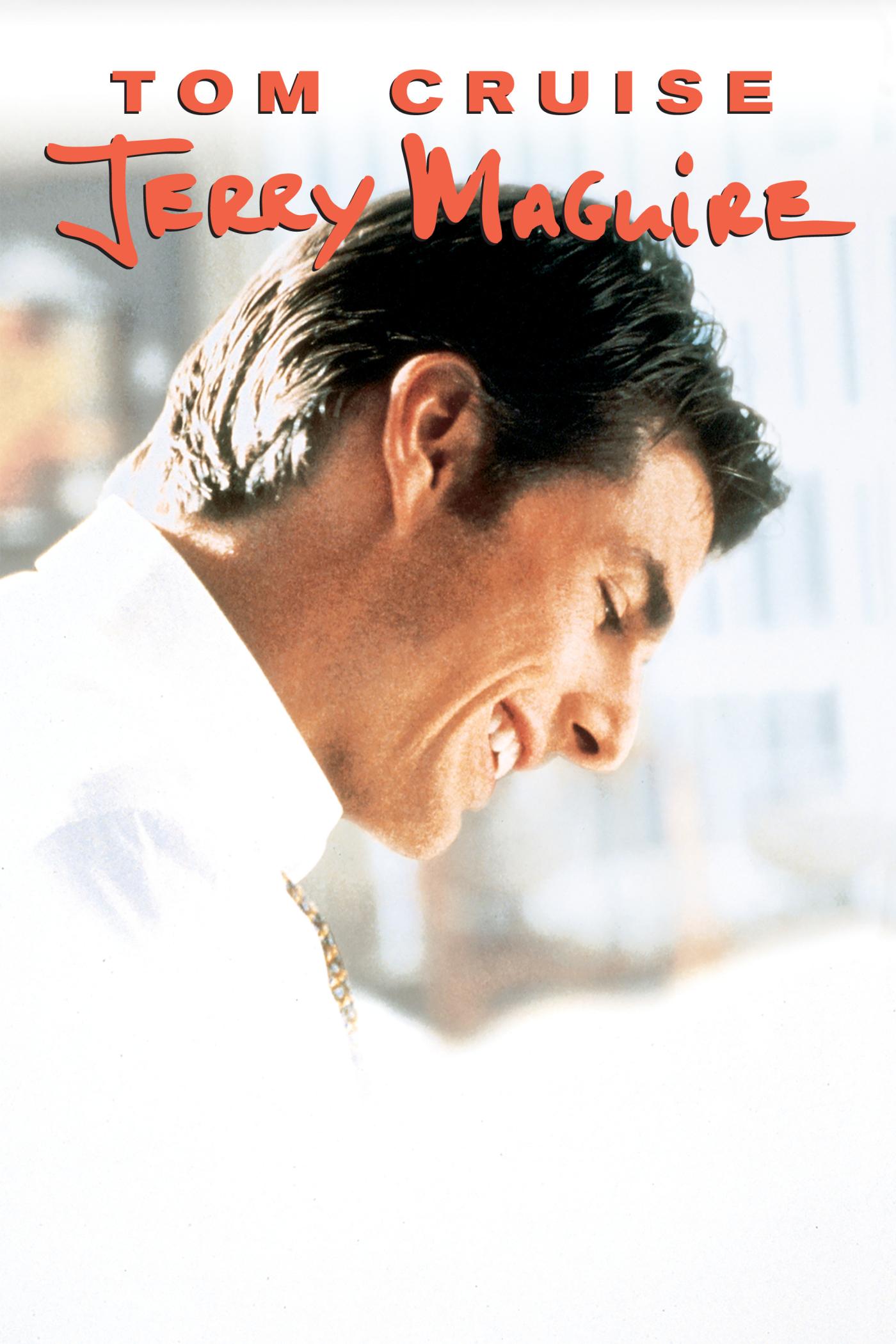
Jerry's firing lunch and the ensuing fight to save his clients is the first rewatchable-scene nominee; Sugar's confrontation is also proposed for the toe-to-toe award. — Bill Simmons
The competing client calls culminate in Show me the money; Cruise's progression from reluctant participant to desperate commitment is praised as his other lines disappear.
Jerry's office exit is treated as a separate scene, including the goldfish, Dorothy joining him and the signed You complete me in the elevator. — Bill Simmons
Jerry discovering that Cush has signed with Sugar is a favorite among the initial nominees; Cruise's restrained anguish, legal pad and inability to say Sugar's name are praised.
Jerry getting drunk with Rod at the airport and on the plane is another nominee, before the sunglasses visit to Dorothy. The cloak-of-failure line, the child, Bonnie Hunt and Clarence Thomas joke are highlighted. — Bill Simmons
The shower confrontation is praised for both actors at their best, screaming and Help me help you. Cruise is proposed for overacting but defended as effective because Jerry loses the control established at the start; Kelly Preston is another personal overacting answer. Rod's athlete-not-entertainer stance is considered distinctly of its era.
Jerry arriving for the date, the women's group, Dorothy's dress and the Secret Garden hug are scene nominees. Needle-drop choices divide Free Fallin' and Secret Garden, with one vote changing to the latter on seeing the scene. — Bill Simmons
Bonnie Hunt is praised but may appear too much for Dion Waiters. The wedding scene highlights Rod singing Marvin Gaye, Jerry's visibly unhappy video face and Bonnie's warning. — Bill Simmons
The confrontation about Rod playing with his head rather than heart is another scene nominee, ending in I'm all heart; Gooding is praised for going toe to toe with Cruise.
Rod's touchdown, dance and postgame press conference are nominated. Cruise reportedly supplied one script note asking where Jerry was during the celebration so he could build toward the ending, leading to his run onto the field. — Bill Simmons
Jerry's return and the You complete me/You had me at hello exchange introduce the final scene nominee. — Bill Simmons
The final reconciliation is proposed for the Rick Dalton best-acting award; Cruise in the shower is another best-acting preference. — Chris Ryan
Final rewatchable-scene votes mostly favor the client-saving phone sequence including Show me the money, with one shower-scene preference. The firing lunch is included in another vote for the client struggle.
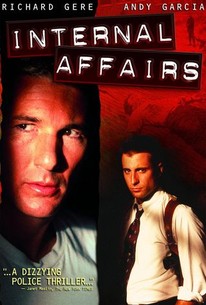
A new Rick Dalton acting award is proposed for Gere's taco-stand performance, especially his small gestures, coffee drinking and intimate manipulation.
Pitt ad-libbed "You're Rick fucking Dalton. Don't you forget it," based on an unnamed actor who told him the same in the early '90s; the hosts guess jokingly at who it was. — Bill Simmons
Rick recoiling from the flamethrower's heat was DiCaprio's genuine reaction, which Tarantino kept.
The Cadillac belonged to Michael Madsen, the same car from Reservoir Dogs.
The theater Sharon Tate and J.C. Bring discuss at El Coyote is now the New Beverly, owned by Tarantino. — Bill Simmons
A framed Mad Magazine in Rick's apartment was made as a full magazine with jokes, as Tarantino told the hosts. — Bill Simmons
Tarantino wrote a novel-like backstory of Cliff and Rick before the screenplay. — Chris Ryan
The Maltese Falcon Sharon holds in the bookstore is owned by DiCaprio. — Bill Simmons
Trudi was inspired by a character from Lancer; some think she draws on Jody Foster. — Bill Simmons
Bruce Dern was not the first choice; the hosts say the first choice was Bert Reynolds, who died during rehearsals. Reactions to Dern are mixed; one view is that Reynolds would have been a better touch because he was almost a Rick Dalton, while Dern was always the bad guy in westerns. — Bill Simmons
Tim Roth and James Marsden were cut from the film; Marsden played Bert Reynolds in a deleted scene and is said not to look or sound like him.
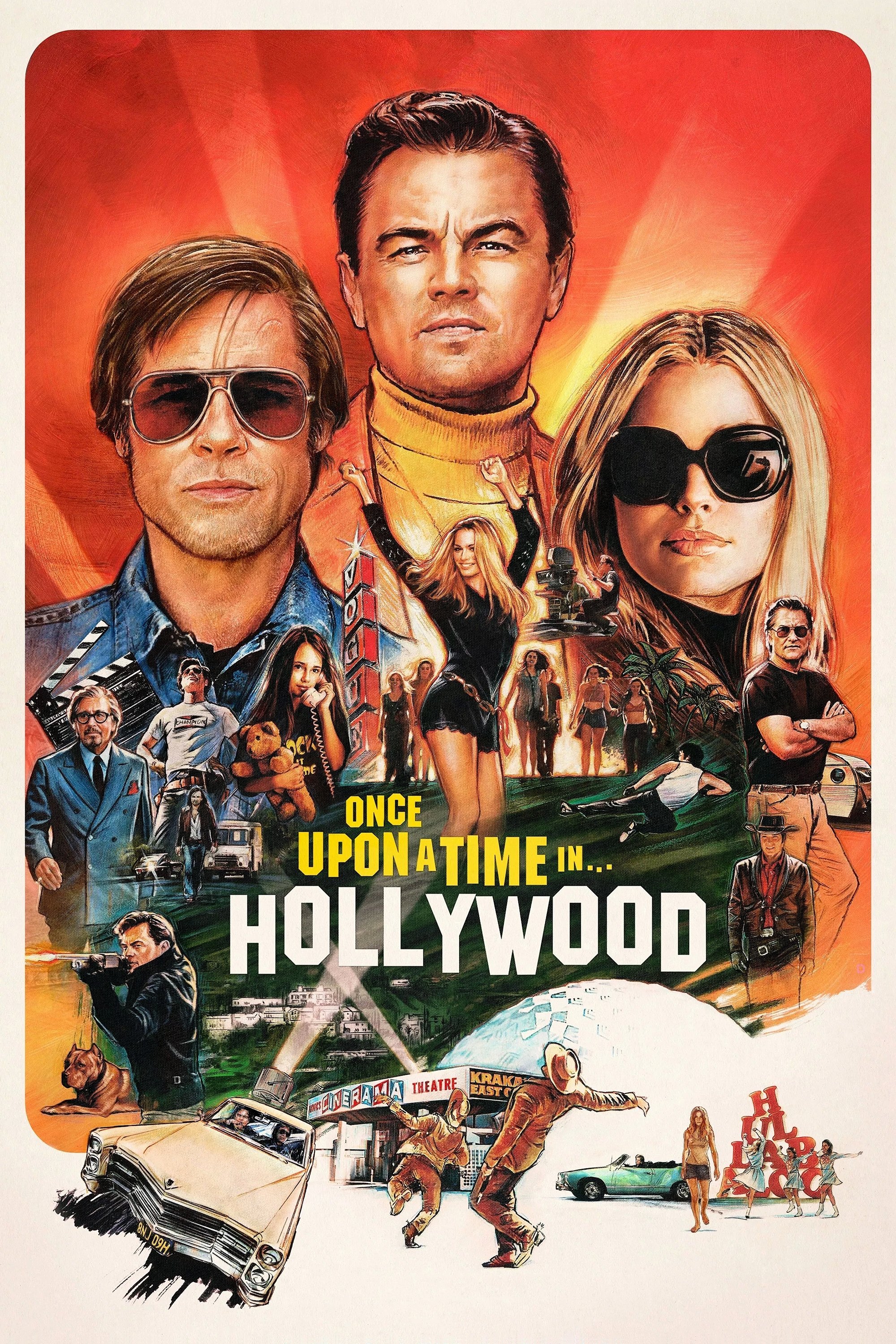
1969 Hollywood recreation; music and constant soundtrack; Rick Dalton's house; Brandy the dog; Playboy Mansion; extended cast; the title's misdirection; three-day structure
Rick Dalton's house was for sale and was looked at on Zillow, leading to jokes about moving The Ringer into the Boogie Nights house.
Brandy the dog has aged the best, with a proposed Oscar for best performance by a pet and an Aaron Sorkin War Horse joke. — Bill Simmons
The recreation of 1969 Hollywood is praised, including reconstructed neon signage on Sunset and Hollywood Boulevard, production design and costumes. — Bill Simmons
A story told by Tarantino to a host: scouting Lee Van Cleef's house, he found a giant painting of Van Cleef in the garage, which inspired Rick's portrait in the driveway. — Sean Fennessey
Rick's story of almost getting the McQueen movie and the accumulated fictional works of Rick Dalton are inventive; Tarantino has plotted Rick's 1970s in an interview with Kim Morgan.
The real Playboy Mansion, Polanski dressed like Austin Powers, and two-floor 1960s airplanes with cigarettes are enjoyed. — Bill Simmons
Asked whether he has ever danced on an airplane, the answer is every time he flies. — Bill Simmons
El Coyote has not changed, but its food has not aged the best. — Bill Simmons
The extended cast is a strength, including Madsen, Luke Perry, Pacino, Kurt Russell, Emil Hirsch and Oliphant, with Manson family members played by daughters of famous people.
The title's trick sets the viewer up for nobody dying; on first viewing everyone was expected to be murdered.
The constant radio and TV in the background is relatable; Tarantino is said to have listened to about 16 hours of KHJ broadcasts. The three-day structure is also praised. — Chris Ryan
The closing picks are how the film recreated 1969 Hollywood, and the music and constant soundtrack. — Bill Simmons