‹ All people

Film credit

Harvey Keitel

Also referred to as Keitel, Kytel, Winston Wolfe

Stats

Episodes featuring their films
6
Movies in this archive
7

Rewatchables episodes featuring Harvey Keitel’s films

Pulp Fiction

1994 film

Bill Simmons · Chris Ryan · Sean Fennessey

Aired July 29, 2024

Pulp Fiction

1994 film

Bill Simmons · Chris Ryan · Sean Fennessey

Aired July 29, 2024

Cop Land

1997 film

Bill Simmons · Chris Ryan · Sean Fennessey

Aired June 2, 2022

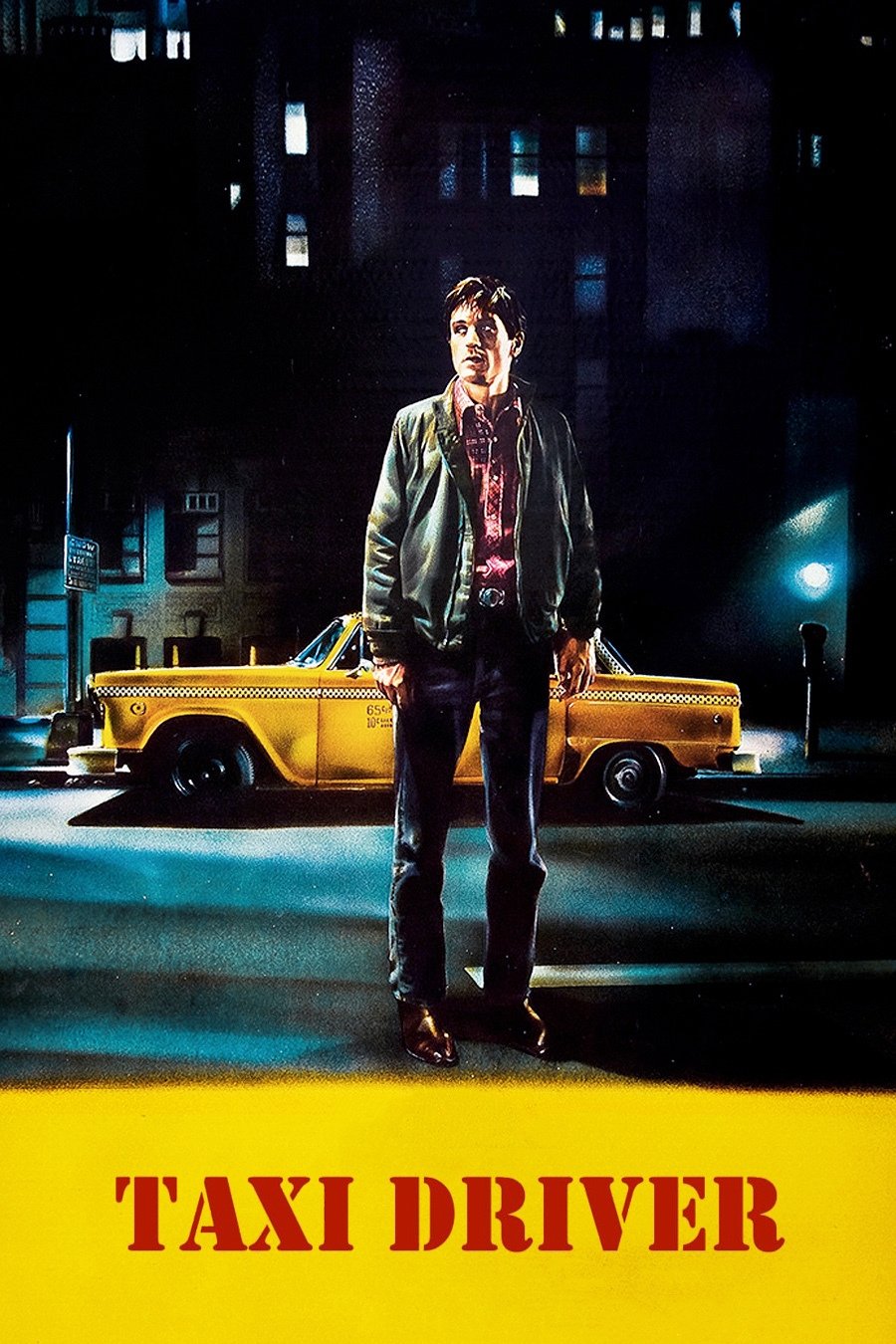
Taxi Driver

1976 film

Bill Simmons · Bill Hader · Sean Fennessey

Aired February 9, 2021

Reservoir Dogs

1992 film

Bill Simmons · Sean Fennessey · Chris Ryan

Aired July 26, 2019

Displaying all 6 episodes

Mentioned in discussions

In the discussion (2)
Approx. transcript time · 01:14:00Read transcript
  • Lawrence Tierney cannot win because he is a bad actor rather than an overactor; it has to be Chris Penn, bad for about ninety seconds after he shoots the cop, spit flying and eyes bulging, trying too hard like he is taking a shit, though he is really great overall; Sean Penn or James Woods are imagined in the scene.
  • Another nominee is the last thirty seconds of Keitel, climbing on Roth almost romantically after their father-son bond; they bet on the Brewers.
Reservoir Dogs

The Ewing Theory Award for Best Theory

Buscemi's not-tipping theory; Tarantino's 'Like a Virgin' theory

In the discussion (3)
Approx. transcript time · 01:00:43Read transcript
  • Four nominees: Tarantino's theory that Like a Virgin is about a John Holmes type, Madsen's line that Ladera Heights is the Black Palos Verde (as transcribed), an inside L.A. joke that slayed one host, Keitel's torture theory of pinky first then threaten the thumb, with the 'let's get a taco' clip, and Buscemi's theory on not tipping.
  • One pick is not tipping, because Madonna herself negated the Like a Virgin theory; she liked the film, refuted the interpretation and gave Quentin a signed copy of her erotic album (as transcribed) saying it is about love, not dick.
  • Another's favorite is the Madonna theory regardless, since artist intent is not interpretation and nobody cares what Tony Scott believes Top Gun is about; the finger theory is also loved, with a joke about a jewelry store manager living his hand life with three fingers.
Reservoir Dogs

What’s Aged the Worst?

The N-word dialogue; six white guys with no Black or Latino crew member; Buscemi's theory on Black women; Lawrence Tierney as Joe

In the discussion (6)
Approx. transcript time · 00:56:40Read transcript
  • The N word stuff was controversial even in the nineties and has gotten worse; Tarantino goes for it here and in Pulp Fiction and Jackie Brown, where Spike called him out and Sam Jackson came to his defense.
  • It is weird that none of the six is Black or Latino, which would play differently now; but the movie is purposefully about bad, racist people, no character stands outside it, and even the cop is implicated when Tim Roth kills the woman in the car after watching Keitel gun down cops.
  • Tarantino is quoted at the time of release wanting the characters to say very ugly things and profound things, idiots one moment and geniuses the next, guys who did time in San Quentin; it is not palatable now but it is self-conscious.
  • Buscemi's theory on Black women is a tough two minutes, complicated by Tarantino's obvious adoration of Black culture and the characters' talk of Pam Grier, Honey West and the E. Lois story; in general these guys are idiot crooks.
  • Lawrence Tierney as Joe is called bad, with disbelief that Keitel could not call in a favor from a good old actor; one host disagrees, and the comparison is Mike Francesa if he could not act; Tierney visibly muffs a line before 'my way or the highway' in a take left in the film.
  • Tierney's fat Skeletor body brings a presence; a podcast interview is cited saying everyone had a hard time with him because he was distracted and forgot lines, and he was fired after the third day, so he is kept out of the third act until the last scene.
Reservoir Dogs

Most Rewatchable Scene

The commode story; the Mr. Blonde and Mr. White showdown through the ear-cutting; the ending where Chris Penn's character figures it out
In the discussion (21)
Approx. transcript time · 00:30:32Read transcript
  • The opening diner scene is the first candidate: the Madonna 'Like a Virgin' theory leads into the tipping argument, and the clip of Mr. Pink refusing to tip because society says he has to is played.
  • A lot of guys came out of the movie with a new vision of the service industry; one host, who had worked as a busboy and waiter for two summers, was offended by Buscemi's character and says anyone who has worked food service knows you tip.
  • Mr. White is teased as woke for dropping knowledge that waitressing is the number one job for non-college-educated women; the scene is said to foreshadow the rat, since Mr. Orange snitches on Mr. Pink when Joe demands to know who did not tip.
  • A low-key favorite detail is the Budweiser bottles at breakfast; Tarantino scenes often happen in the morning with people behaving as if it were night, like the wolf arriving at six in the morning.
  • It occurs to one host that the crew, dressed in uniform right before the heist, should not be seen together in public; it is called ludicrous and parked for nitpicks, defended as pre-surveillance state, and the waitress they stiffed would remember five guys in black suits smoking like chimneys and drinking Budweisers at nine in the morning; Joe should never be seen with them.
  • A nerd question asks whether the roving camera around the table, shooting backs and sides of heads, was stolen from someone; Terry Gilliam loved it at Sundance, it is Scorsese-ish, and the handheld over-the-shoulder following of Madsen going for the gas can feels like a flex.
  • The Copacabana tracking shot in Goodfellas is the comparison, called the greatest tracking shot in movie history; a Goodfellas episode could run four hours and needs a live audience.
  • The shooting style is read as naturalism, putting the viewer inside the conversation, and the scene characterizes everyone at once: a beef between Blonde and White, jumpy Pink, Orange lying in the cut watching, Nice Guy Eddie showing who runs what, and Eddie Bunker as pop critic preferring the early stuff.
  • It is one of the hosts' favorite opening scenes; an opening-scene week bracket is floated, half of Tarantino's openings would qualify including Inglourious Bastards (as transcribed), and openings and kickers are what matter most.
  • Keitel versus Buscemi over the bleeding Tim Roth is the second candidate: a long, escalating, well-acted scene; it is argued as the best Buscemi performance, intense, neurotic and imposing, and the two guns pointed at each other was the first John Woo reference one host caught.
  • Buscemi rankings: this first, The Sopranos second, Domestic Disturbance third ahead of Fargo and Miller's Crossing; Things to Do in Denver When You're Dead, remembered for 'boat drinks', Amongst Friends and Very Bad Things are recalled as the Tarantino rip-off era.
  • The ear-cutting scene followed by the unexpected Tim Roth murder is the third candidate; Madsen gets the gleam in his eye once White and Eddie leave, talks to the severed ear, and the cutaway to the graffiti above the door at the perfect moment is why the scene does not gross one host out.
  • Tarantino, for someone so violent, often does not show things: Marvin's head in Pulp Fiction is quick and the trunk dummy is obvious, though Hitler's body and Jamie Foxx's forty kills in Django are counterexamples; he also had no money and never shows the suitcase, and Mr. Blonde's speech before the torture is recited.
  • The movie does not get many Fraternal Order of Police screenings; Mr. Orange's unexpected murder of Mr. Blonde is a great twist nobody saw coming the first time.
  • Tim Roth performing the commode story, from meeting his boss at the diner through the different settings, is a candidate, with the 'panic hits me like a bucket of water' passage recited.
  • He had never seen anything like it at the time: the color palette shifts to the graffiti background and the movie comes alive, Roth's energy changes completely as he learns to be the character, and it layers Tarantino's recurring themes of story within a story, seeing Freddy instead of Mr. Orange, and the former actor's process of memorizing lines in the apartment with the Silver Surfer poster; the jumps between settings were unlike anything he had seen. — Chris Ryan
  • Roth gets to flex his chops with some of the most anguished yelling in a movie, but his accent is called very bad even though a dialect coach was on set the whole shoot; is he supposed to be Dutch? A rare bad accent inside a great performance.
  • Roth delivering the monologue in the bathroom to cops who stand still while the German shepherd watches showed one host that writing could do that.
  • Buscemi arguing about the name selections is a shorter but iconic scene, with the trade request and Joe's 'city council meeting' refusal recited; the Joe Cabot bit is saved for later.
  • Chris Penn doubting Mr. Orange's story, and Vic Vega's return from prison with the Scagnetti talk and the wrestling with Chris Penn and Tierney, are thrown in as further candidates.
  • The final choices split three ways: the commode story; the ear-cutting scene, taken as the whole twenty-five-minute stretch from the Mr. Blonde and Mr. White showdown to learning what a psychopath he is, since the shootings are never shown; and the ending with Chris Penn figuring it out in seven minutes, which displaced the opening diner for one host after twenty years. Three-way shootouts in general are loved and are said to have influenced one host's later work.
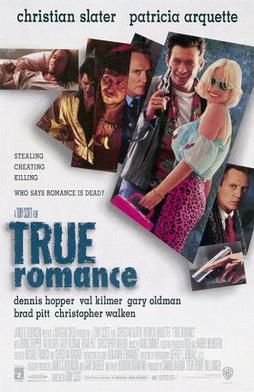
True Romance The Rewatchables
True Romance

Probably Unanswerable Questions

Are there really 17 tells for a lying man and 20 for a woman? Why wasn't Patricia Arquette a bigger star? What is Alabama doing right now? Where did Dick Ritchie and Floyd live? Did the Italians kill Floyd?

In the discussion (5)
Approx. transcript time · 01:24:28Read transcript
  • Is it true there are seventeen things a guy does when he lies and a woman has twenty; googling turns up nothing but this scene, Tarantino may have been talking out of his ass, why seventeen, and listeners are asked to email the mailbag if there is truth in it.
  • Why wasn't Patricia Arquette a bigger star: she has a wholly distinctive vibe, voice and look that did not translate to Julia Roberts type movies; she was on Medium a long time, was a star of Ed Wood and Flirting with Disaster and was in Lost Highway, but never a blockbuster; summoning the spirit of Wesley Morris, she was market-corrected by Drew Barrymore with the rom-coms and Charlie's Angels, weird but not too weird for guys, while Arquette is cool, a little weird and more hard-bitten.
  • What is Alabama doing right now: working in the boatyard with Red in Mexico, Clarence definitely dead, probably from complications of poor eye surgery; a deep-web Tarantino database supposedly has her hooking up with Harvey Keitel's Reservoir Dogs character and going on the run as a professional bank robber, which was the plan when Clarence died.
  • Where exactly did Dick Ritchie and Floyd live: honestly Los Feliz, or up Beachwood in the hills since the directions say go down Beachwood, around the Beachwood Cafe, looking like the Los Feliz or Franklin Hills; a Ringer video series visiting movie locations is wished for.
  • Did the Italians kill Floyd, the most important question of the movie and maybe of a host's life: they leave the first time, Gandolfini leaves the second after asking whether they want to smoke, they cock their guns and it just ends; in the 1992 draft Floyd's last line is 'well, you go down Beachwood' with no killing; killing him would only leave a trail, so he lives, or dies of lung disease two years later; Kevin Corrigan, one of the most Irish guys of all time, plays an Italian gangster.
Midnight Run

Casting What-Ifs

Paramount lined up Harrison Ford as Jack Walsh and Chevy Chase as the Duke; Chase had a conflict and Ford dropped out; De Niro came aboard only after being turned down for Big; Albert Brooks turned down the Duke; Paramount wanted Cher, then Robin Williams, as the Duke; Brest insisted on Grodin and Paramount sold the film to Universal; Ron Perlman, Dennis Hopper, Harvey Keitel, Ray Liotta and Alec Baldwin were considered for Serrano
In the discussion (8)
Approx. transcript time · 00:39:20Read transcript
  • Called a pantheon casting what-if: Paramount obtained the script and lined up Harrison Ford as Jack Walsh and Chevy Chase as the Duke around 1986-87, post-Fletch, which would have been a pretty good backup movie, although Ford, basically in his Blade Runner outfit, might be too handsome and has rarely been heard cursing that much; Chase had a conflict with Funny Farm and another film, and Ford dropped out.
  • De Niro opted in only after being turned down for Big; Albert Brooks was then offered the Duke and turned it down, which would also have been incredible, since Brooks and Grodin could have swapped parts for fifteen years and Brooks probably wins head to head.
  • Paramount then decided Cher should play the Duke, which is unimaginable, during a brief three-year peak of Cher as a top-tier actress; the research came from a piece written five years earlier, with a shout-out to Alan Seppinwall (as transcribed) as one of the few listeners.
  • Paramount pushed for Robin Williams, who wanted to audition, the same year as Good Morning Vietnam; Brest refused and wanted Charles Grodin, so Paramount sold the rights to Universal with Grodin and De Niro attached, and Universal had a major success.
  • Better or worse with 1988 Robin Williams: a sliding-doors note that doing it before or after Good Morning Vietnam might have affected Dead Poets Society; one view is that Williams would have done bits throughout and turned it into a comedy, while Grodin's measured, deadpan complaining plays perfectly off De Niro; the counter is a mellow Garp or Dead Poets Williams could have done it, and the endless takes might have driven him to become Robin Williams anyway.
  • Williams is judged the better actor but Grodin played it better; Williams only grew into his body by Good Will Hunting and was still slight in the eighties, so nobody but Grodin can be pictured in the part, with Grodin the safer pick though Williams playing it correctly would have been great; a crude aside recalls an anatomical revelation from the HBO Williams documentary.
  • The only other what-if is Jimmy Serrano, played by the late Dennis Farina: Ron Perlman, Dennis Hopper, Harvey Keitel, Ray Liotta and Alec Baldwin were all considered; late-eighties Baldwin would have been interesting, Liotta a little too young, and nobody could be better than Farina.
  • Earlier aside: De Niro wanted the lead in Big to show a lighter side, the studio said no and went to Tom Hanks, who was nominated, while De Niro settled for Midnight Run and was not; which was the better career choice is left open, but De Niro as Josh Baskin, a thirteen-year-old at the piano with Robert Loggia, would have been creepy, so the studio made the right move.
Displaying discussions 25 - 30 of 30 in total

Films in the archive