John Candy's proposed version of Louis remains the most interesting recasting option even though the group values Moranis's performance. — Bill Simmons
A tie between Aretha and Ray Charles is selected; Gibson is rejected for too much screen time, Paul Reubens is considered, and another choice favors Aretha alone.
Chevy Chase and Garry Shandling are discussed as earlier possibilities, with Chase considered a good fit; Woody Allen is considered too old. — Bill Simmons
Stone reportedly wanted both Harriet and Rose and left when refused; the dual-role idea is admired. — Bill Simmons
Myers reportedly wanted Dan Aykroyd as his friend, but Coneheads conflicted.
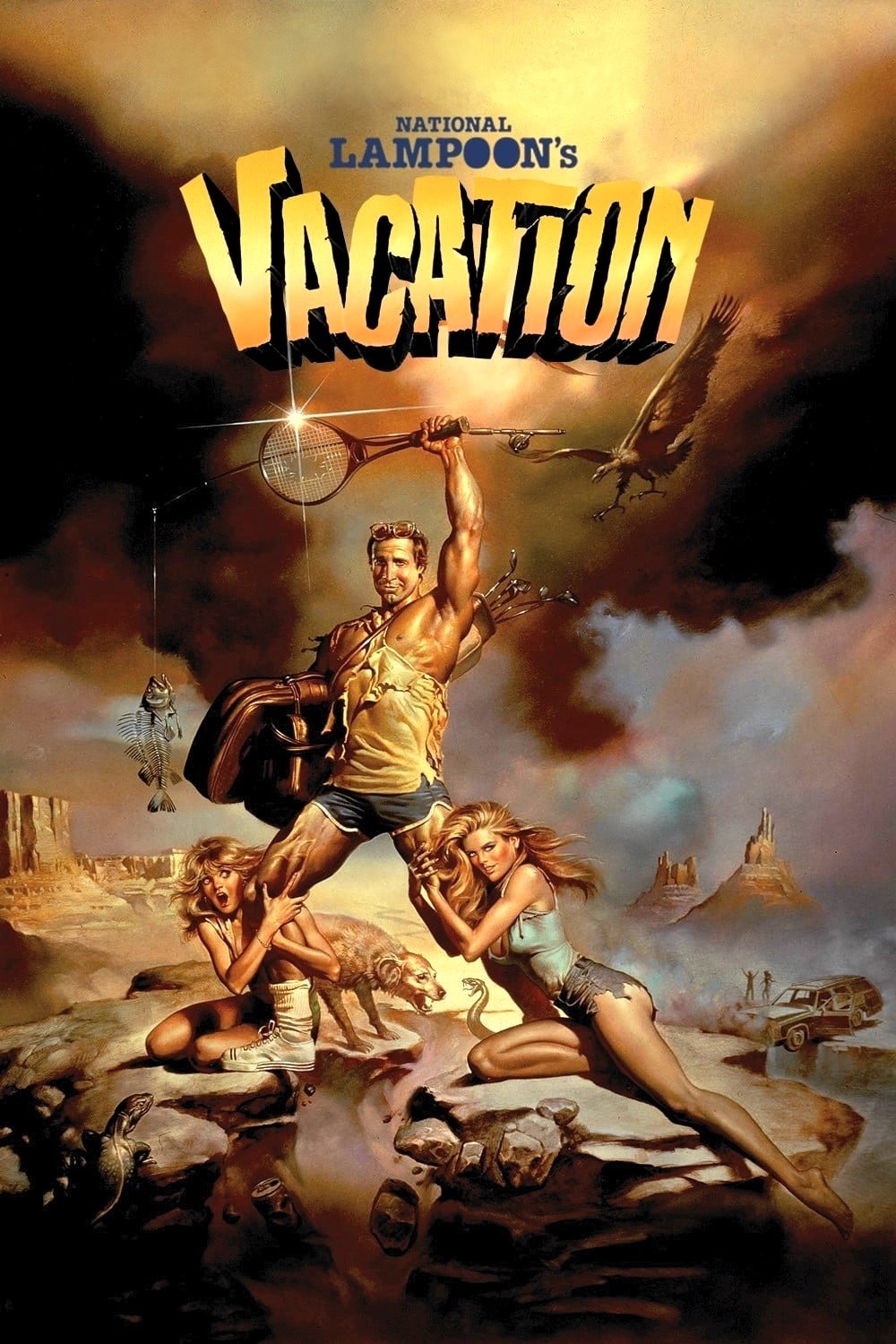
Cousin Eddie is an all-time heat check and obvious winner, with a suggestion that the award could be named for him; the white-shoes gift is remembered fondly. — Bill Simmons
Buying the station wagon from Eugene Levy’s salesman is nominated, especially the sales pitch and the promise that driving it will make Clark hate it more. — Chris Ryan
The trip’s beginning is nominated for Mockingbird, the Wally World anthem, family singing, and the recurring complaint about Russ’s feet.
Clark falling asleep at the wheel is nominated. — Bill Simmons
The St.Louis scene is nominated despite recognition of overt racial stereotypes; its direction-request joke remained memorable through the era before navigation apps.
The St.Louis stereotypes are acknowledged, including the basketball, stolen hubcaps, paid directions, and the family’s comments; Clark’s later theft and hostage-taking complicate the film’s moral contrast. — Van Lathan
The local man admitting it is not even his neighborhood remains a favorite joke, with another performer apparently breaking into laughter. — Van Lathan
Ellen’s stuck head, the children peering over the seat, and Clark’s potential sexual distraction make the driving sequence funny and startling.
Dodge City is called an underrated and possibly funniest scene: Clark taunts the performer, gets shot with a prop gun, and reassures everyone that he is fine.
Meeting Eddie’s family is a favorite stretch, starting with the child who has no tongue but can whistle. — Bill Simmons
The cousins’ French-kissing and masturbation discussions are singled out as outrageous jokes. — Bill Simmons
The pregnancy and multiple-night-jobs line, Hamburger Helper, ketchup, and hand-stirred Kool-Aid make the family visit densely funny. — Bill Simmons
The worm-farm invitation and the daughter’s lasting comic impression are celebrated. — Bill Simmons
The dead-dog traffic stop is nominated, especially the officer not knowing the penalty and imagining the dog keeping up for the first mile.
The dead-dog gag still receives strong comic approval despite acknowledged distress from dog lovers and changed attitudes toward pets. — Bill Simmons
Clark and Russ’s beer-sharing talk before the desert walk is nominated as part of their consistently successful father–son exchanges.
Discovering Aunt Edna’s death is nominated, including the child’s alarm about a dead person breathing on them.
Clark’s furious refusal to abandon the journey is nominated.
Clark’s quest-for-fun rant is compared with the Christmas Vacation outburst and judged equally excellent rather than given a clear winner.
Kidnapping the John Candy character is nominated, including Ellen warning the children their father may go away and Clark denying proof that he killed Edna. — Bill Simmons
Meeting Cousin Eddie is an explicit final preference, with the dog scene a tempting alternative. — Chris Ryan
Dodge City receives another final choice, praising Chase’s pratfall and polite recovery after being shot.
Clark cruising the hotel bar and approaching Brinkley is added, including the claim that he used to work for the CIA.
Clark’s improvised funeral prayer is belatedly praised for its confused religious references and admission that he is not a minister.
Isobar reportedly involved a genetically created monster escaping on a train, with Stallone and Kim Basinger attached and successive departures by Ridley Scott and Emmerich. — Bill Simmons
Gale Force reportedly cast Stallone as an ex-Navy SEAL fighting pirates during a hurricane. — Bill Simmons
Harlin reportedly received three million dollars; four million went to writers, including a rejected erotic-thriller rewrite by Joe Eszterhas. — Bill Simmons
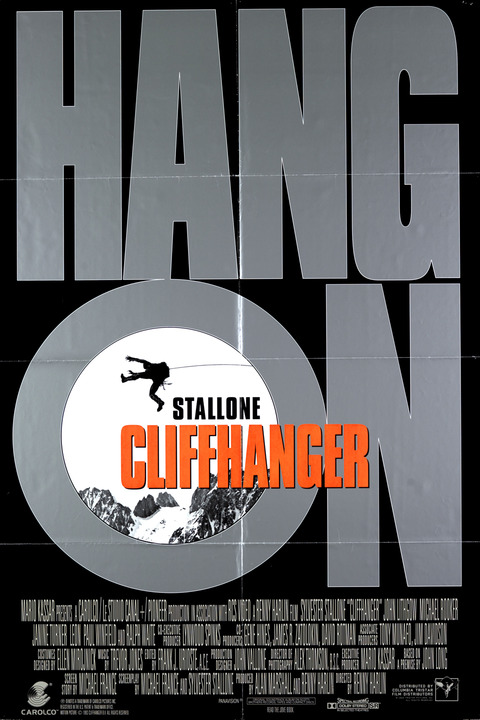
Cliffhanger reportedly followed the cancellation of Gale Force, with Harlin retaining his fee. — Bill Simmons
The rabbit’s survival reportedly required a100,000-dollar Stallone-funded reshoot after test screenings. The claim a rabbit was actually killed on camera is unverified speaker assertion. — Bill Simmons
The absurd forty-foot cliff jump was reportedly removed after trailer audiences laughed at it. — Bill Simmons
Carolco reportedly surrendered much of the revenue rights to finance production, stopped twice for inability to pay crews, overspent by 40 million and took a 2 million salary sacrifice from Stallone, leaving little benefit from the hit. — Bill Simmons
Stallone's reported top-three physical-condition films are RockyIV, Cliffhanger and RamboIII; RamboII is a wrong guess and Cobra misses the list. — Kyle Brandt
Mountain filming reportedly used the Italian Dolomites near Cortina d’Ampezzo. — Bill Simmons
Simon Crane’s million-dollar plane crossing is reported as a record aerial stunt; failure to enter the second plane required an edited close-up. — Bill Simmons
The opening glove reportedly would not slip despite oversizing and Vaseline because Stallone held too tightly, eventually yielding the desired take. — Kyle Brandt
Stallone reportedly injured his hand on a soundstage cliff but described it publicly as a climbing injury. — Bill Simmons
Bacon and Candy annihilate brief roles, but Sutherland is first called the winner for the 16-minute monologue, then his screen time is said to be about third most. — Bill Simmons
The pick moves to Candy because he did something he never did before or after, while Bacon found a tough swagger and kept doing it, as in A Few Good Men. — Brian Koppelman
Candy as Dusty Rhodes in a biopic is imagined on the spot; Candy wins. — Brian Koppelman
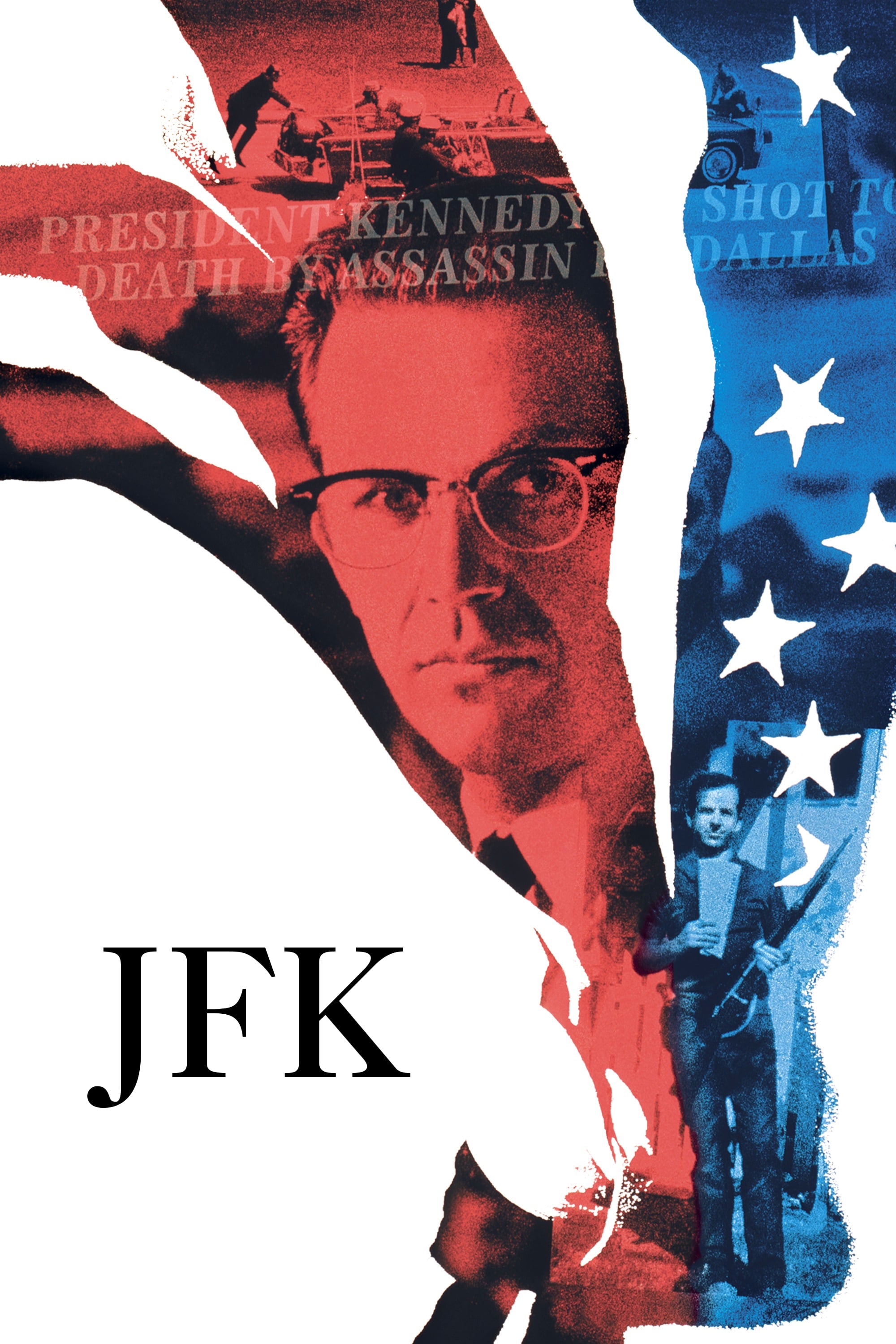
Costner's 'ashamed to be an American' moment and his New Orleans walk with his investigators, pointing out the FBI, CIA, Secret Service and O&I buildings, are nominated; the editing is praised. — Bill Simmons
The New Orleans scenes make participants want to drink and smoke; New Orleans is called the only place one participant still smokes.
John Candy's big scene is quoted at length: the big enchilada, a mouse fighting a gorilla, Kennedy as dead as that crab meat, and 'Daddy-o'; his moving sunglasses are praised.
Asked when Candy died, the joking reply is that 'they killed him'. — Bill Simmons
The hosts want to work Candy's 'any idea what you're getting into, Daddy-o' line into NBA conversations, such as Lakers defense and Frank Vogel.
Kevin Bacon's prison scene is quoted; he 'hits a four-three from 30 feet', culminating in a crude line one participant can't believe was in the script, likened to Ashley Schaeffer from Eastbound & Down. — Chris Ryan
Pesci's last big scene ('a mystery wrapped in a riddle inside an enigma', 'the shooters don't even know') is called great, though Pesci is said to dial it up too much. — Chris Ryan
Pesci's wig is called out of control, and he never inhales while smoking, compared to Tom Cruise smoking.
The first Pesci interrogation and the way Costner comports himself in the Sunday detention scene are singled out as a movie-star sequence noticed in the theater. — Brian Koppelman
Setting the film in New Orleans lets the actors play Foghorn Leghorn, and Richardson's frames are packed with layers, such as the flambe in the restaurant scene. — Brian Koppelman
For the Mr. X scene, Dale Die (as transcribed) wearing aviator sunglasses indoors is praised, and Garrison appearing as Earl Warren is a moment one participant rewinds to watch.
Anecdote: after moving to Los Angeles to work for Grantland, one participant repeatedly made his wife and a friend's wife watch the Mr. X scene on Friday nights to show how the two friends talk; they never enjoyed it. — Sean Fennessey
The Mr. X scene is compared to the 35-minute Boogie Nights sequence at Jack Horner's house as a mega-sequence. — Bill Simmons
Two more nominations: Jim explaining the magic bullet theory, iconic once Seinfeld grabbed it, and 'back and to the left' leading to the big monologue. — Bill Simmons
'X is the answer' is stated over the John Candy scene, while another participant votes for the John Candy scene but says they understand.
Also praised: the Clay Shaw interrogation, Jack Lemmon at the horse track, and Ed Asner beating up Lemmon's character at the opening. — Brian Koppelman