A first list of four favorite kidnapping movies: Man on Fire, Taken, Misery (argued to count even though people do not think of it as a kidnap movie) and Proof of Life, which was already covered on the podcast. — Bill Simmons
Three more on the bubble: Ransom, Fargo, and Without a Trace from around 1982 with Kate Nelligan, whose son is taken and found in the end. — Bill Simmons
A second four-film Mount Rushmore puts Taken first and Man on Fire second, then two kidnapping comedies from childhood: Who's Harry Crum with John Candy and, after trying to recall the title, Ruthless People with Danny DeVito. — Van Lathan
Kidnapping comedies are preferred for the levity because kidnapping movies can get grim, and Ransom gets about as grim as it gets. — Van Lathan
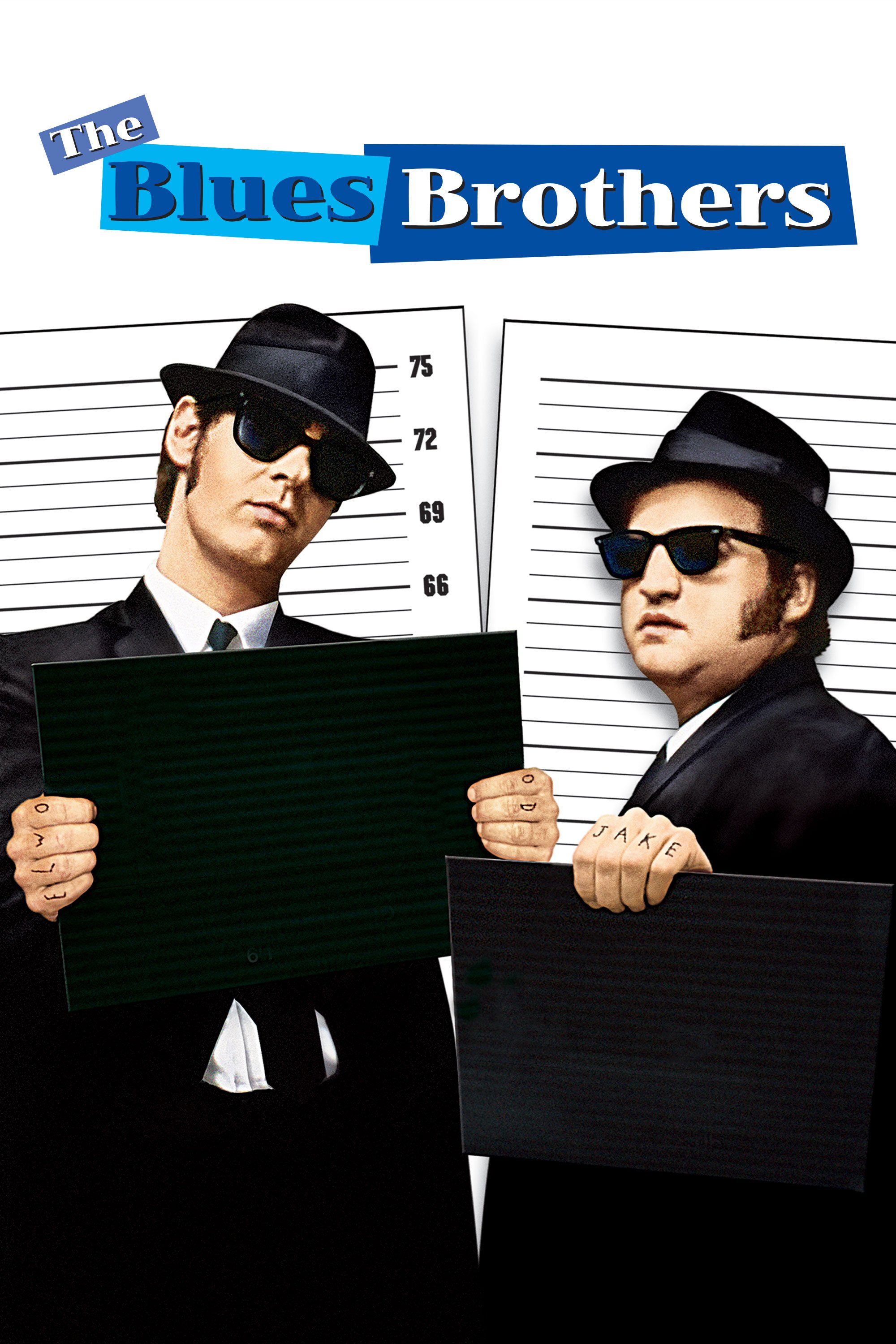
Harold Ramis is debated as a newly cool movie star here, while Groundhog Day and Ghostbusters brought larger later influence and wealth. — Brian Koppelman
The breakup setup, John Candy, Judge Reinhold, throwaway jokes, the women, poker running gag, score, deleted scene, Murray–Ramis friendship, and Warren Oates
Lines such as the furs answer, the drug answer, and Ramis’s strip-search head movement reward repeated viewing. — Brian Koppelman
Sean Young and the other actress playing a military-police character are praised as charismatic women with agency; the latter’s strong late-1970s run is recalled. — Bill Simmons
Candy repeatedly exploiting the character Cruiser in poker remains an effective running gag. — Bill Simmons
Elmer Bernstein’s score is praised for shifting between jaunty and lower-register military themes. — Brian Koppelman
A deleted South American subplot has LSD, an unauthorized paratrooper mission, guerrilla capture, and escape; cutting it is judged correct because it derailed the film. — Bill Simmons
A small late-80s kitchen TV could not make Angels with Filthy Souls loud enough to terrify the pizza guy and the burglars. — Chris Ryan
The others do not share the TV sound complaint and point out the pizza scene is iconic.
Kate's call to the police is criminally vague: she never explains that the whole family flew abroad and left an eight-year-old behind. — Chris Ryan
The family's Paris trip is apparently underwritten by the uncle, and a fan theory holds that Peter McAllister is in the Chicago mob given the huge house and his unexplained job. — Chris Ryan
The family knows no one in Chicago to check on him at Christmas, and after one cop knocks with no answer there is no follow-up. — Mina Kimes
The burglars' business model makes little sense, though the bandits are presented as idiots so their illogic is easy to accept.
John Candy inviting Kate into a van full of men and the pre-9/11 airport ticket bargaining would not work now.
The TV sound pick is proposed as a unanimous answer but meets resistance; the landing is that the McAllister response and action plan is not great. — Sean Fennessey
Family chaos at the start is enjoyable: Pesci shows up in the cop uniform, the Little Nero's pizza guy is introduced, Kevin is set up as a brat, and the chaos makes it plausible he gets left behind. — Chris Ryan
Kevin shopping is a favorite: shoplifting the toothbrush, the coupon trip and sassy cashier exchange at the supermarket, and the Michael Jordan party he runs like a marionette. — Chris Ryan
Kevin's talk with the fake Santa is a low-key favorite; the actor is recognized from Armageddon and Groundhog Day, and the "you work for him" fake-out is praised as great writing. — Chris Ryan
The church choir scene where the old neighbor explains his estrangement is the most holiday-centric moment and more affecting than remembered. — Chris Ryan
The final robbery is a 22-minute tour de force of physical comedy that prefigures later torture-horror films; the reunion with O'Hara's arrival and the siblings' 30 seconds of interest is note perfect. — Chris Ryan
The most obvious choice is the pizza delivery scared off by the movie Kevin plays ("Keep the change, you filthy animal").
The opening's child-POV chaos sets the tone, and the setup for leaving Kevin behind (storm knocking out the alarm, the neighbor kid being counted, the pre-9/11 airport rush) is cleverly written and realistic. — Mina Kimes
O'Hara and John Heard on the plane working out what they forgot, ending in the scream of Kevin's name, is one of the most iconic moments; the kids flying in coach is funny. — Sean Fennessey
Kevin's first day home alone indulging kid fantasies (jumping on the bed, a giant sundae, Angels with Filthy Souls) is a favorite and sets up his parallel with the mom. — Mina Kimes
The last robbery with paint cans is called the normie choice; the group leans toward earlier scenes, then goes with the pizza scene, which kids used to copy. — Chris Ryan
He could not describe what a brake pad does. — Bill Simmons
'Holy schnikes' is suggested and liked; Farley reportedly took it from John Candy in Planes, Trains and Automobiles, which the movie resembles; 'son of a' is used about a dozen times. — Cousin Sal
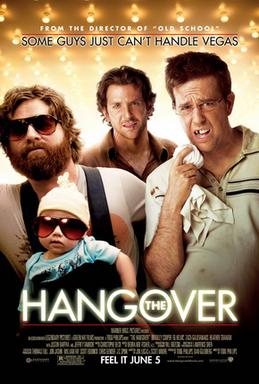
The soundtrack: generic, predictable songs that are perfectly executed and make sense with the plot, not a Dazed and Confused soundtrack but what guys going to Vegas then would be listening to; the music under the blackjack scene with the numbers is smart, and the T.I. song Live Your Life was huge and still is.
A tangent on which songs from this century have joined the wedding mix: Heya (as transcribed) by Outkast, probably the T.I. song, Bruno Mars, Adele, and 1901 by Phoenix heard at 18 weddings, pitched as a Ringer piece.
Todd Phillips' taste for hard rock, the Danzig song at the start and the Metallica in Old School; the Dan Band has also aged well, with future generations asking why they never played the Super Bowl halftime show, and the 'just the tip' setup turning inappropriate fast.
Rachel Harris as the girlfriend from hell is an incredible character, every stereotype put on steroids to make her the worst character of all time; the 'you fucked a waiter on a cruise' bit and Galifianakis's 'what did she say' after Helms walks away are singled out.
The elevator scene with Todd Phillips' cameo; his habit of going down on a woman in his own movies is his version of Hitchcock walking across the frame.
Alan reading the letter on the roof with 'that's why they call it Sin City'; the subtle cut where he is finishing a description of the Ted Danson and Magnum PI movie as they head to Heather Graham's hotel; and the 'it's not illegal, it's frowned upon, like masturbating on an airplane' exchange ending in 'thanks a lot, Bin Laden', the hardest one host laughed.
'Alan, you're the man' answered with 'you are too, Phil' shows he has no idea how to be one of the guys; his aping of Phil throughout is well done; the two made-up songs are enjoyed, and Ed Helms' piano song while they wait for the tiger to fall asleep was apparently ad-libbed.
Old-school, last-decade Vegas; every Alan line, especially 'this isn't the real Caesar's Palace, is it? Did Caesar live here?', and the pitch-perfect reaction of the woman at the desk.
How high Alan ranks in the pantheon of comedy characters: the criterion is someone who was not the star but stole the movie, so Frank the Tank, John Candy in Stripes, Bill Murray and Ted Knight in Caddyshack, Rick Moranis in Ghostbusters, Matt Dillon and Chris Elliott in There's Something About Mary, Michael Keaton in Night Shift, Steve Carell and Paul Rudd in Anchorman, McLovin, the Wedding Crashers character as the backfire case and Melissa McCarthy in Bridesmaids as the perfect example.
Galifianakis belongs in that conversation as the breakout; John Candy in Stripes was like that for a host who knew him only as Ox and never watched SCTV; Galifianakis is named the big winner.
The movie stood up in total for a host without as much of a rewatchable relationship to it; the actual plot of what happened to them is well done, with Jade, Mr. Chow and the roof payoff; the brevity, about an hour thirty-five with no wasted section, makes it the last comedy before the two-hour-ten Apatow era.
The DVD's deleted scenes were anticipated; the end credit sequence has held up as a convention, 'they pretty much invented Marvel right there', though another host had it for what aged worst.