‹ All people

Film credit

Richard Pryor

Also referred to as Prior

Stats

Episodes featuring their films
0
Movies in this archive
4

Rewatchables episodes featuring Richard Pryor’s films

No episode credits in the archive yet.

No episodes found

Mentioned in discussions

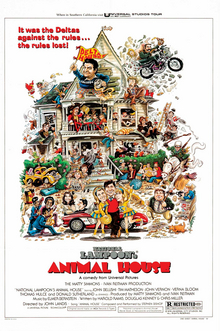
Animal House

Half-Assed Internet Research

Oregon locations, cast bonding, music, sequel plans, and the contested Dexter’s scene

In the discussion (8)
Approx. transcript time · 01:09:16Read transcript
  • The University of Oregon reportedly rented its campus while asking not to be named — Bill Simmons
  • Black extras reportedly had to be brought from Portland — Bill Simmons
  • The Delta cast reportedly arrived early to bond while being separated from the Omega cast — Bill Simmons
  • Belushi’s exposure to Curtis Salgado is connected to the Blues Brothers — Bill Simmons
  • A Summer of Love sequel around Otter’s wedding was abandoned after More American Graffiti failed and Belushi died — Bill Simmons
  • DeWayne Jessie reportedly bought the Otis Day name and toured with it — Chris Ryan
  • Stephen Bishop’s relationship with Karen Allen reportedly inspired “Separate Lives” — Bill Simmons
  • Richard Pryor’s approval is described as preserving the Dexter’s bar sequence — Bill Simmons
Ghostbusters

Casting What-Ifs

Michael Keaton as Venkman; Jeff Goldblum as Egon; other reported candidates (credibility questioned)

In the discussion (7)
Approx. transcript time · 01:33:36Read transcript
Weird Science The Rewatchables
Weird Science

Most Rewatchable Scene

Split: Chet trying to make drunk Gary vomit; Gary’s father

In the discussion (18)
Approx. transcript time · 00:31:00Read transcript
  • The opening gym credits, pantsing, cheer, and theme song are nominated. — Bill Simmons
  • The gym sequence prompts memories of changing and showering during the school day. — Kyle Brandt
  • Gary and Wyatt using the computer to create Lisa is nominated, with the special effects praised as the point when the movie escalates. — Bill Simmons
  • The computer sequence prompts memories of sleepover rewatches and the scarcity of adult imagery before the internet. — Kyle Brandt
  • The bar scene and Gary’s Richard Pryor-style performance are nominated, while the hosts acknowledge that such an impersonation would be rejected today. — Bill Simmons
  • Chet trying to make drunk Gary vomit at the top of the stairs is nominated for both Paxton and Hall. — Bill Simmons
  • The hosts imagine Chet joining The Real World and The Challenge, complete with rivalries and a later media career. — Kyle Brandt
  • The mall drink spill followed by Lisa confronting the bullies is nominated. — Bill Simmons
  • A participant recalls repeatedly declining The Challenge because its environment no longer appealed to him. — Kyle Brandt
  • Lisa meeting Gary’s parents, announcing the party, embarrassing Gary, and erasing his father’s memory is nominated. — Bill Simmons
  • A joking Hall of Fame compares sexually preoccupied movie characters and debates excluding incarcerated characters. — Kyle Brandt
  • The failed second attempt to create a woman is nominated. — Bill Simmons
  • Chet confronting the party in the blue kitchen is nominated. — Bill Simmons
  • The grandparents in the closet are nominated as a joke that remains funny. — Bill Simmons
  • The goodbye to the girls and Chet becoming a toad are nominated as satisfying ending beats. — Bill Simmons
  • The party at maximum chaos is an alternate final choice. — Kyle Brandt
  • Chet confronting drunk Gary at the top of the stairs is the explicit most-rewatchable selection. — Bill Simmons
  • One participant says his personal choice is still Gary’s dad. — Bill Simmons
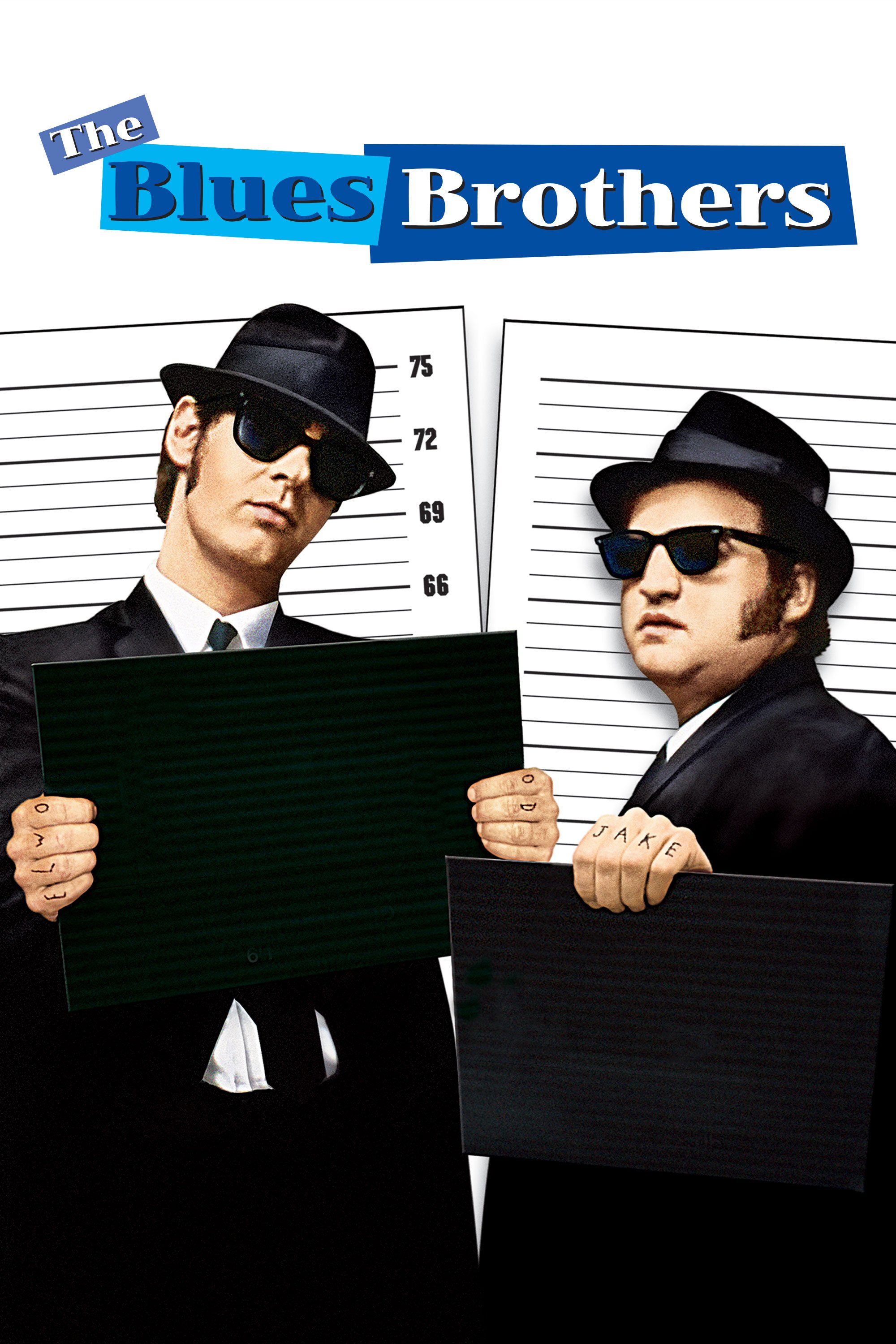
The Blues Brothers

Apex Mountain

Blues Brothers band; prison-property returns; mall stores; Illinois Nazis; Oldsmobiles

In the discussion (12)
Approx. transcript time · 01:10:53Read transcript
  • Belushi’s official peak is placed in 1978 with Animal House and SNL, though his Chicago citywide popularity is considered another kind of apex. — Bill Simmons
  • Aykroyd is rejected in favor of Ghostbusters. — Bill Simmons
  • The prison-property-return scene is an apex candidate and a template, compared with Rounders and 48 Hrs.; an imagined heist-movie version becomes a joke.
  • Chicago as a film location is rejected in favor of Ferris Bueller or The Fugitive, with Thief an emotional alternative. — Bill Simmons
  • The blues is rejected; Elvis in Vegas is preferred for bushy sideburns. — Bill Simmons
  • Fisher’s simultaneous Star Wars-era prominence supports her case, though Jedi is proposed as a stronger character moment and sparks disagreement about the trilogy.
  • J. C. Penney and especially Pier 1 benefit from the mall scene at an already strong historical moment for the stores. — Bill Simmons
  • Illinois Nazis are accepted; Rawhide’s theme is placed at the television show’s height instead. Orange Whips prompt uncertainty about the drink itself.
  • Scarface and Richard Pryor are alternatives for cocaine’s cultural peak, with a joking basketball-stat line also imagined.
  • New Oldsmobiles are accepted and James Brown rejected; Elwood’s awful apartment is compared with Se7en’s sloth-victim apartment. — Bill Simmons
  • The Blues Brothers as a band are accepted here over their platinum album and SNL appearances.
  • Vengeful ex-girlfriends lose to Fatal Attraction; Landis’s peak is debated between Coming to America and Animal House rather than this film. — Bill Simmons
In the discussion (5)
Approx. transcript time · 00:12:52Read transcript
  • The script was allegedly imagined for older New York cops with Hackman and Newman in mind, though it was never brought to them. — Bill Simmons
  • Tom Selleck and John Travolta were reportedly considered; Selleck had Magnum and Travolta’s agent advised against it. — Bill Simmons
  • Peter Hyams reportedly liked Darlane Flugel in To Live and Die in L.A. — Chris Ryan
  • Hyams’s earlier Busting and later 2010, Capricorn One, and Sudden Death establish his action craftsmanship. — Chris Ryan
  • Gregory Hines is described as having replaced Richard Pryor in History of the World Part I and as having dropped out of 48 hours for The Cotton Club. — Bill Simmons
Breaking Away

Sequel, Prequel, Limited Series, or All-Black Remake

Untouchable; an all-Black Gary-to-Bloomington version considered

In the discussion (2)
Approx. transcript time · 01:29:08Read transcript
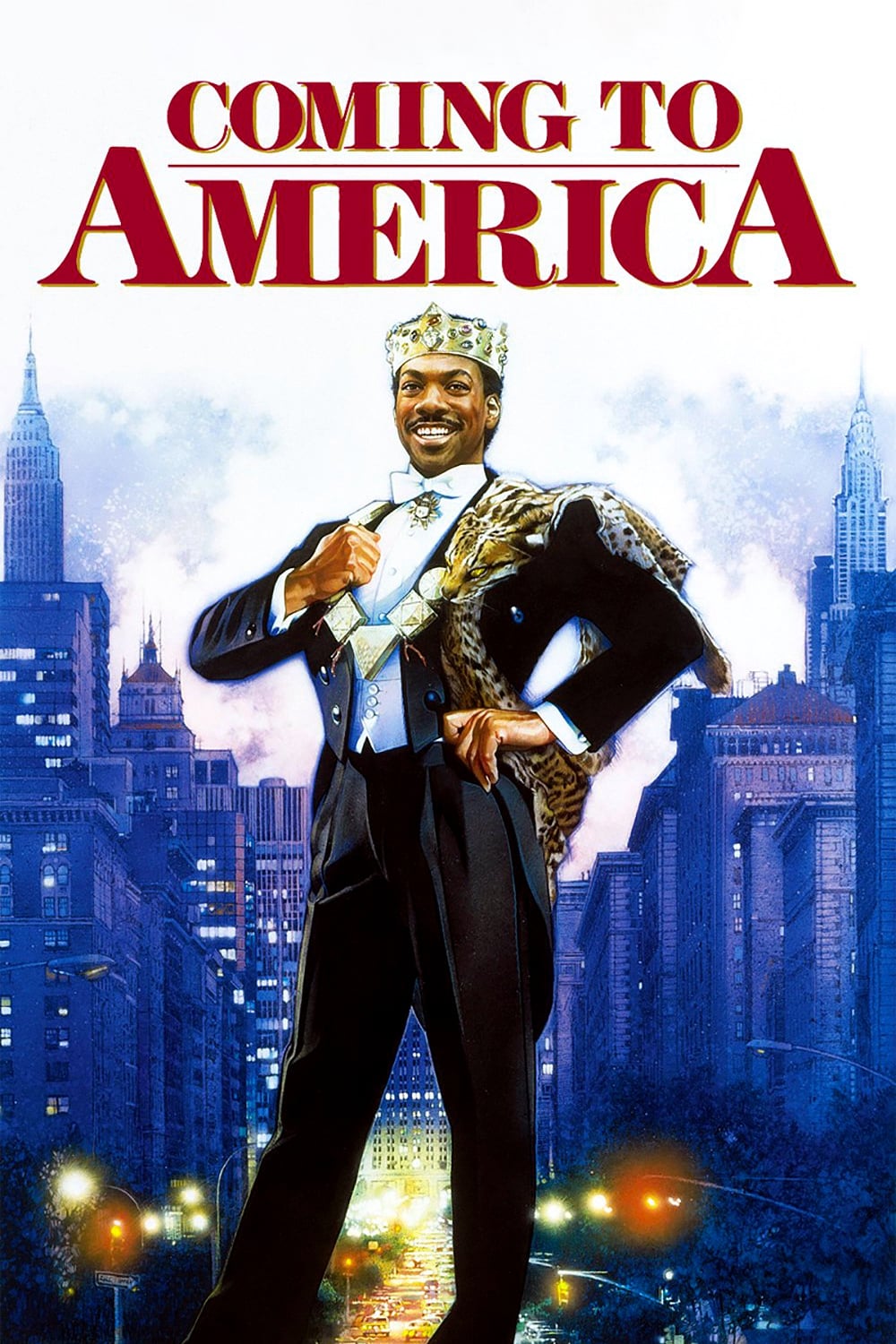
Coming to America

Half-Assed Internet Research

Wendy's location for McDowell's; Murphy and Landis pay; Landis-Murphy feud; Twilight Zone accident; Armond White review; Buchwald lawsuit; CBS pilot; Zamunda origin; Return of the Jedi homage

In the discussion (14)
Approx. transcript time · 01:22:57Read transcript
  • McDowell's was a Wendy's on Queens Boulevard that was about to close. — Bill Simmons
  • Murphy got $8 million plus 15% of film rentals, with weekly spending on a motorhome, trainer, valet and living allowance; Landis got $600,000 and 10% of gross. — Bill Simmons
  • Landis and Murphy feuded: Landis called the Coming to America-era star arrogant with an entourage, yet wonderful in the movie; Eddie's response was that Landis treated him like a kid and that he hired Landis when his career hung by a thread. — Bill Simmons
  • Murphy's appraisal of Landis's career is judged correct; a shot swooping into the dancing scene prompted a lookup of who directed it. — Bill Simmons
  • The Twilight Zone accident: a helicopter crash killed Vic Morrow and child actors, Landis was blamed and tried, and it reshaped rules for child actors. — Bill Simmons
  • Landis later directed Beverly Hills Cop 3, and Murphy crushed him in a 1999 Playboy interview. — Bill Simmons
  • Armond White called the movie a betrayal full of ethnic self-loathing; Murphy responded with a paid advertisement in the paper. — Bill Simmons
  • Armond White went down with the ship when Eddie was in the toilet; he meant that review, but he also liked Pluto Nash and killed Moonlight. — Wesley Morris
  • Agreeing, the reply adds that White then found value in the worst Eddie Murphy movies, perhaps after the ad, and is a real crapshoot. — Wesley Morris
  • Art Buchwald's 1982 treatment about a rich visitor to America was optioned by Paramount with Landis and Murphy attached, abandoned in 1985, then remade; Buchwald won the breach-of-contract case and was paid off on appeal with undisclosed terms. — Bill Simmons
  • A round-number guess for the Buchwald payout is about $5 million. — Bill Simmons
  • A CBS sitcom pilot with Tommy Davidson as the prince was not picked up. — Bill Simmons
  • Zamunda came from a Richard Pryor routine. — Bill Simmons
  • The king's line "I shall deal with him myself" is identified as a Return of the Jedi homage. — Van Lathan
48 Hrs. The Rewatchables
48 Hrs.

Casting What-Ifs

Clint Eastwood and Richard Pryor nearly made it in the late seventies; Jeff Bridges turned down Jack Cates; Gregory Hines was the first choice for Reggie; Sylvester Stallone and Burt Reynolds reportedly turned down Jack Cates; the studio nearly fired Eddie Murphy days into the shoot

In the discussion (5)
Approx. transcript time · 00:25:55Read transcript
  • In the late seventies the film almost happened with Clint Eastwood and Richard Pryor until Eastwood did Escape from Alcatraz instead; that version would surely be far less racist and would become a Richard Pryor movie in the Brewster's Millions or Stir Crazy mold, probably sillier, and Pryor was coming apart on sets then, setting himself on fire in what the hosts date as 1982.
  • Jeff Bridges turned down Jack Cates because he did not want another cop movie; nobody could be better than Nolte, though a method Bridges putting on twenty pounds and going dark might have been pretty good, and Nolte is still permanently Jack Cates in a way an Ed Harris version would not have been.
  • Gregory Hines was the first choice for Reggie and dropped out to do Cotton Club, prompting a Running Scared tangent: a total 48 Hours ripoff in which Hines is really funny, and whose Florida Keys stretch with Michael McDonald is the movie one host wanted the whole time; Hines would have been pretty good, obviously not Eddie Murphy good.
  • Sly Stallone and Burt Reynolds allegedly both turned down Jack Cates, the kind of claim attached to every movie of the era; Reynolds could have taken the part to a bad place and might have ruined the movie, though Longest Yard-era Reynolds was good in tight roles like this.
  • Earlier, the studio nearly fired Eddie three or four days into the shoot because they did not think he was funny enough, with Michael Eisner running Paramount; called a good what-if that would have been a bad decision.
Displaying all 8 discussions

Films in the archive