
What’s Aged the Worst?
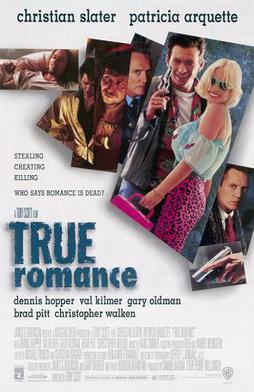
Tony Scott's 'persuader': slapping Patricia Arquette before her heavy scenes
In the discussion (9)
Approx. transcript time · 00:43:39Read transcript
- Smoking in movie theaters and at the payphone is the first offering; for the most part the film could come out right now, but Gandolfini beating Patricia Arquette for ten minutes probably would not, and Drexel probably could not be done today.
- Whether the Sicilian speech could be done today: Tarantino is still doing that stuff and people get bent out of shape in 2018's outrage society, a cycle that will repeat with Once Upon a Time in Hollywood; he grew up around Black friends and feels he has access to that experience, always has Sam Jackson in his movies, and Jackson is quoted every time saying Quentin is not a racist.
- The Sicilian speech was based on a story a Black friend told Tarantino, put in a white guy's mouth to be more offensive; it also fits a true-to-life lonely guy who reads history books; the hosts worry we are losing the ability to distinguish creator from creation, and that characters with reprehensible values are still worthwhile to watch.
- Tarantino comes from a tradition of pulp crime about gritty, bad people; nobody in this film is good, Clarence and Alabama included; a host who is a white man has never been the target of the material; the eggplant speech is put down but has not aged badly, the country has changed; Hopper's character knows he is going to die and needles Walken's with the worst thing he can think of, which movies should still be able to do.
- The Gandolfini-Arquette scene is defended as something that could still happen in 2018: everybody is bad so the behavior has to be over the top, she is the hero, she wins the scene and kills him after surviving the pounding, no different from Uma Thurman in Kill Bill, and it is not read as a domestic violence scene.
- The scene gives the film tremendous gravity and ends the fantasy: Alabama is a pinup dream with an invented name, the Cadillac and the snap drive to the desert are a dream, and this is the consequence; it happens away from Clarence, who has been seeing Elvis in the bathroom, and shows who these men really are, changing the stakes.
- Gandolfini sets it up almost like a masochist, letting her get a shot at him and stab him, almost flirting before he hits her, then the speech about the first time you kill somebody shows he is a psycho she has to defeat; the one thing that might get legislated is that Tony Scott shoots the violence beautifully, slow motion through the shower, the mirror, art-film touches, which could be read as glamorization.
- It is basically three scenes cut together, a lot of time watching her get beaten before she kills him in thirty seconds; today it would be reversed, him knocking her around for thirty seconds and her beating him for three minutes; it smashes into Bronson Pinchot's arrest right after, caught in a car with a woman and his cocaine spilled, and it is the most important scene because afterward anything is possible and the two leads really could be killed.
- The actual answer is the anecdote that Tony Scott used what he called a 'persuader', occasionally slapping Arquette before shooting to get her where she needed to be emotionally, until she approached him asking for it before heavy scenes, which he joked was the English School of Directing; indefensible and weird, from the Maxim oral history, a 1957 story rather than a 1993 one, likened to sixties and seventies directors brawling with actors like Charlton Heston and the Belushi SNL sketch about it.