
Film credit
Tom Hardy
Also referred to as Hardy
Stats
- Episodes featuring their films
- 3
- Movies in this archive
- 3
Rewatchables episodes featuring Tom Hardy’s films
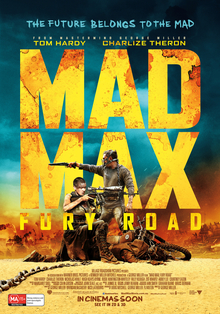
Mad Max: Fury Road
2015 film
Chris Ryan · Sean Fennessey · Micah Peters · Jason Concepcion
Aired August 23, 2018
Mentioned in discussions


Sequel, Prequel, Limited Series, or All-Black Remake
Series about Cobretti's son, played straight
In the discussion (2)
- The initial answer was no, but a show about Cobretti's son, Marian the second, hamstrung by modern police restrictions, would be welcome; any more Cobra is welcome. — Kyle Brandt
- The son, Bruno Cobretti, should be played dead serious rather than by Andy Sandberg; Tom Hardy or Shalamay could win the Emmy. — Bill Simmons

In the discussion (2)
- Nolte wins for generating sympathy through the relapse and the small smile at the ending. — Ryen Russillo
- Hardy is the only serious alternate before the consensus returns to Nolte. — Ryen Russillo
Podcast choices
- Speaker not identified
- Nick Nolte
- Speaker not identified
- Nick Nolte


Probably Unanswerable Questions
Hardy’s possible star range, an alternate final, the broken shoulder, and real examples of fighting through injury
In the discussion (4)
- Hardy is compared with DiCaprio to ask whether softer leading-man roles were ever plausible for him. — Ryen Russillo
- A Koba-versus-Tommy final is rejected because the brothers’ fight resolves the family story without diminishing Tommy. — Ryen Russillo
- The exact shoulder or elbow injury and whether a real commission would stop the fight are questioned. — Ryen Russillo
- A real bout in which an arm broke before the fighter submitted is offered as evidence of extreme pain tolerance. — Ryen Russillo

Apex Mountain
The film’s director; Joel Edgerton; underground MMA movies; Sparta
In the discussion (7)
- The movie is called the director's artistic apex despite its original commercial failure. — Bill Simmons
- Bane is selected as Hardy's apex, with Mad Max, Dunkirk, and Inception considered. — Bill Simmons
- Sparta is proposed as an Atlantic City apex before Rounders and a Sopranos reference are considered. — Bill Simmons
- Nick Nolte receives an explicit apex check and is rejected. — Bill Simmons
- The film is selected as Edgerton's apex because he holds his own opposite Hardy as a leading man. — Bill Simmons
- Underground MMA movies and Sparta are declared apex cases. — Bill Simmons
- Grillo and Brian Callen are placed near their apexes, while Pittsburgh is placed with its 1979 sports teams and The Deer Hunter. — Bill Simmons
Half-Assed Internet Research
Injuries, the final song, an unused diner scene, Pittsburgh locations, remakes, and the release strategy
In the discussion (8)
- Hardy gained twenty-eight pounds and carried the muscle into his next major role. — Bill Simmons
- Edgerton tore his MCL and fight photography paused for six weeks. — Bill Simmons
- Hardy sustained a broken toe, ribs, and finger during production. — Bill Simmons
- The writers chose the National's closing song before writing the final scene and looped it while shaping the action. — Bill Simmons
- A Nolte diner scene earned a first-day crew ovation but did not enter the finished movie. — Bill Simmons
- The Iraq scenes were filmed in a Pittsburgh parking lot. — Bill Simmons
- The story was remade as Brothers in India and again under the same title in Russia. — Bill Simmons
- The director wanted a slow platform release, while the wider launch failed and was quickly pulled. — Bill Simmons

What’s Aged the Best?
Hardy’s range, the Sparta concept, fight photography, the casino confrontation, Nolte, and Jennifer Morrison
In the discussion (8)
- Hardy is praised for moving between unusual roles rather than repeating one star persona. — Ryen Russillo
- The MMA scenes remain believable because geography, distance, and brief in-cage shots preserve the feeling of watching a real event. — Bill Simmons
- The sixteen-fighter Sparta structure is praised as a stronger version of an older tough-man-tournament premise. — Bill Simmons
- The casino confrontation and its payoff in the hotel relapse remain the strongest dramatic material. — Ryen Russillo
- Nolte’s lived experience with alcohol is connected to the force of the hotel performance. — Ryen Russillo
- Jennifer Morrison is praised for playing a spouse who becomes supportive rather than remaining a stock obstacle. — Bill Simmons
- Nolte’s long career, relapses, and comebacks give the role additional weight. — Bill Simmons
- Tommy entering without music and leaving immediately after wins is praised as a durable signature. — Ryen Russillo

Most Rewatchable Scene
Tommy’s first sparring fight; the final round
In the discussion (9)
- Tommy volunteering to spar and rapidly destroying Mad Dog is selected for its physical shock and front-desk details. — Ryen Russillo
- Tommy surrendering his pills when asking his father to train him is another choice. — Bill Simmons
- The multi-screen training montage is praised for accelerating the story. — Bill Simmons
- Brendan's first Sparta fight is praised for the corner urging him not to tap through the end of the round. — Bill Simmons
- The montage advancing both brothers to the final four is cited as highly rewatchable. — Bill Simmons
- Brendan's third round against COBA is praised for the corner speech connecting victory to saving the house. — Bill Simmons
- The final-fight entrances, cheap shot, broken arm, and last round set to the closing song form the final choice. — Bill Simmons
- Tommy's first sparring scene is the other final choice because Hardy immediately sells the dangerous character. — Ryen Russillo
- The casino confrontation is called the best dialogue scene but too painful to be the most rewatchable. — Bill Simmons
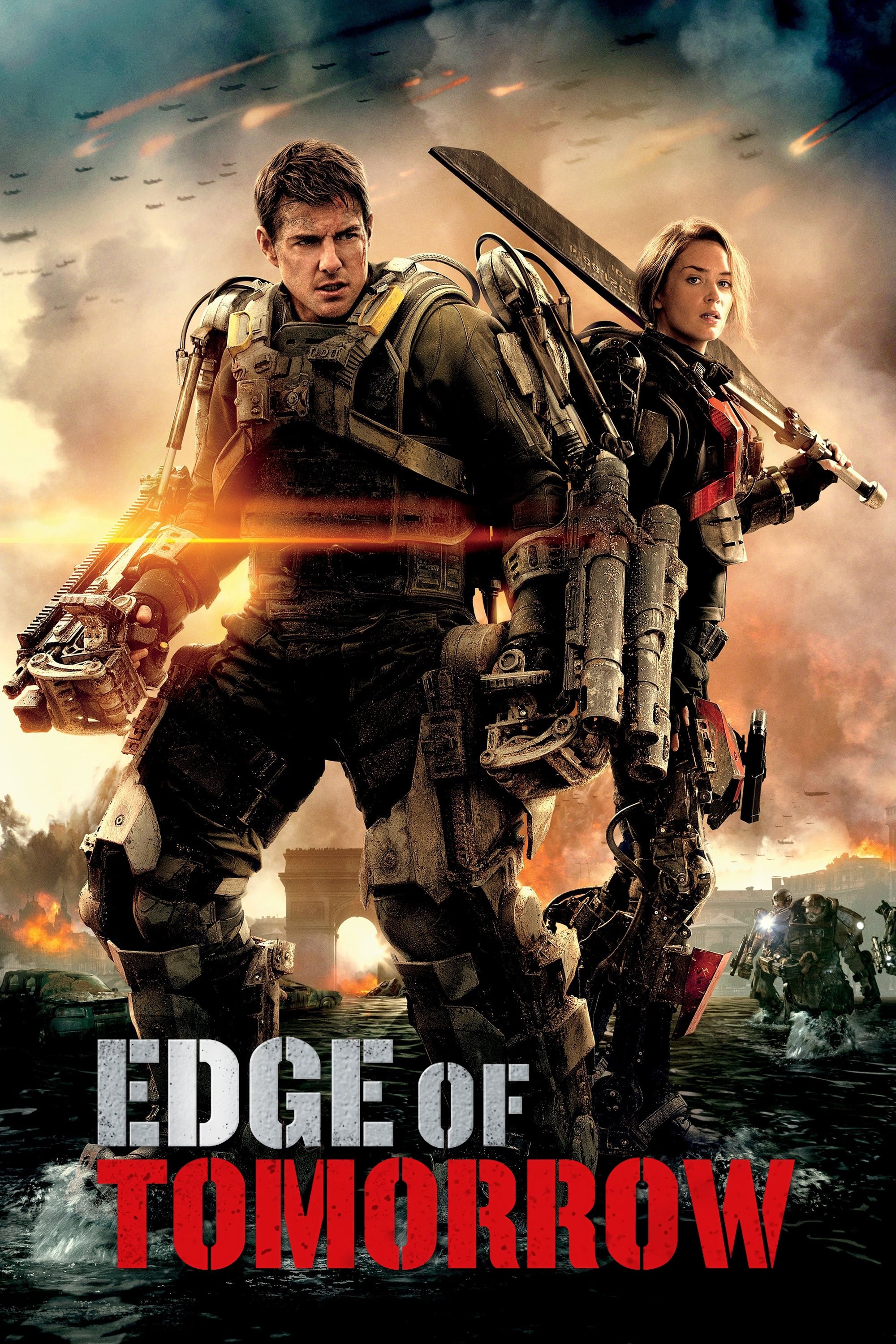
Casting What-Ifs
Jeremy Piven's cut scenes; Brad Pitt or Ryan Gosling as Cage; The Artist star as Rita
In the discussion (6)
- The hosts read that after filming concluded by August 2013, Jeremy Piven was added and extra scenes were shot, but he does not appear in the finished film; they call it an editing what-if. — Sean Fennessey
- Piven's energy would not have worked, though a liked comedian popping up in J Squad would have been welcome. — Sean Fennessey
- A sarcastic line about marveling that Tom Hardy was in J Squad leads to the point that none of the J Squad actors have become big names in six years. — Sean Fennessey
- The hosts read that Brad Pitt was originally considered for Cage; it would need the winking Pitt of Once Upon a Time in Hollywood or Mr. and Mrs. Smith rather than the self-serious World War Z version, and Cruise is judged the better fit. — Chris Ryan
- The hosts read that Ryan Gosling was also considered because Cage is younger in the novel; comic Nice Guys Gosling would work, but blank Drive, Only God Forgives or Blade Runner Gosling would not. — Sean Fennessey
- The hosts read that an actress best known for The Artist was up for Rita, which seems odd; she is called a good actor, possibly also in a Bond movie, and both hosts are glad they got Blunt. — Sean Fennessey
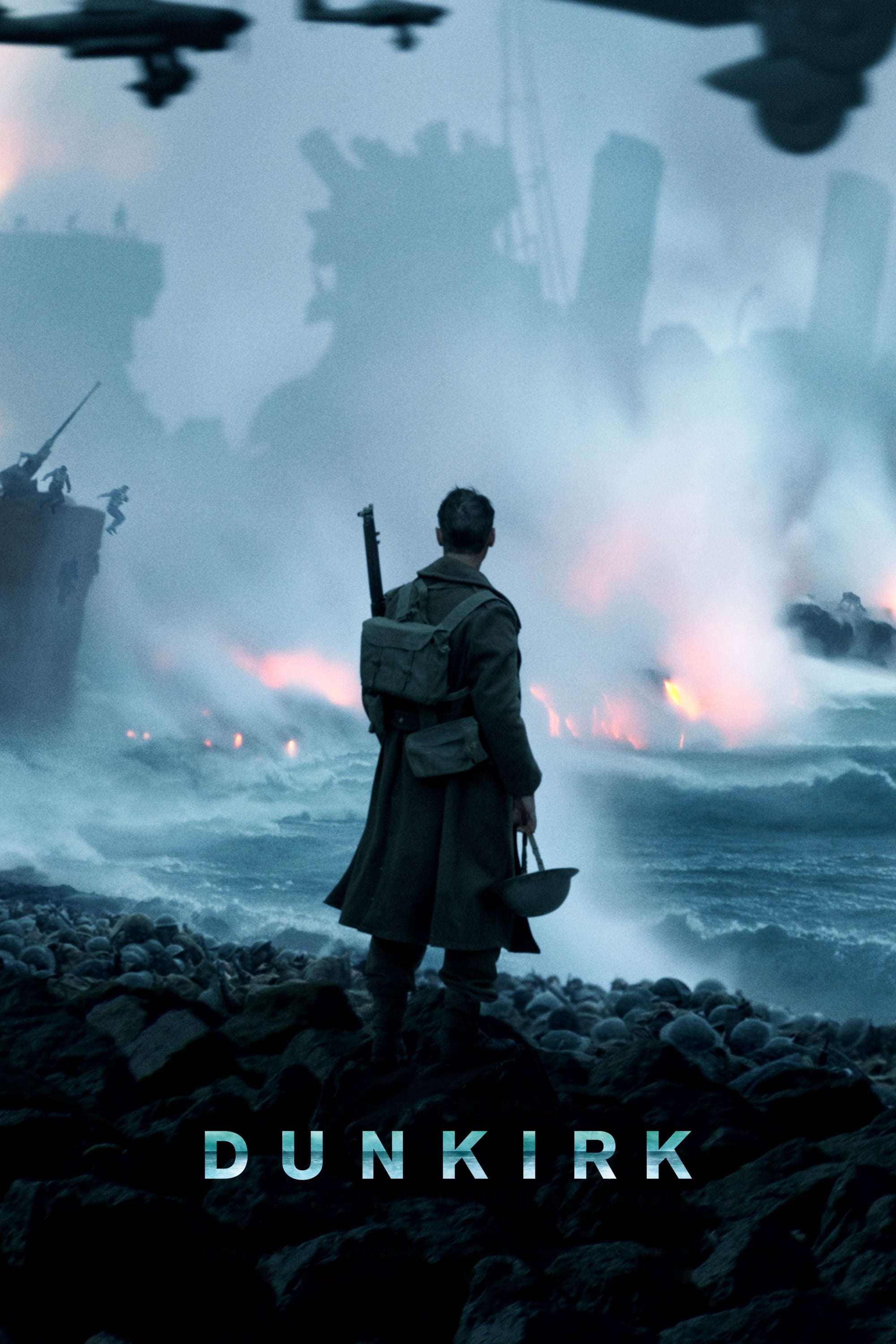

The Neil McCauley “A Book about Metals” Award for Best Line from the Movie
"Well done."; "Men my age dictate this war. Why should we be allowed to send our children to fight it?"; "You can practically see it from here." "What?" "Home."; "I'm staying. For the French."; "Then it's good that you're Army and I'm Navy, isn't it?"
In the discussion (7)
- "Well done" is offered first, with the exchange with the blind man about surviving. — Sean Fennessey
- Rylance's "men my age dictate this war" and the weekend-sailors exchange are recited. — Sean Fennessey
- Bolton's "You can practically see it from here." "What?" "Home." is recited.
- Branagh's "I'm staying. For the French." is the only line that stood out for one participant, the payoff where Britain can live up to its ideals.
- Branagh gets the best lines, including the tide exchange ending "it's good that you're Army and I'm Navy", called a good one.
- Hardy's shrug when he stays to defend the medical ship and his opening the cockpit while gliding are gestures that read as lines; a best-gesture category is joked about.
- Hardy coasting over the shoreline in silence is as good as any quote; the town scenes were shot elsewhere because Dunkirk was destroyed. — Chris Ryan

In the discussion (6)
- The guest knows the category but not who Dion Waiters is. — Quentin Tarantino
- Harry Styles was written down but the film may not be that kind of movie; Hardy could be an inverted case, doing the most with the least while masked.
- Leads cannot win: Rylance on the boat, Hardy in the air and the unnamed kid.
- Branagh and Murphy are considered; Rylance is a lead over Murphy, so there is a case for Murphy, though PTSD performances are tricky. — Sean Fennessey
- The Murphy section is one participant's least favorite part, compared to not liking every story in Magnolia or Slacker, though its brevity makes it work and his first reveal is great.
- George is picked, and a second voice says it will go George too: "Barry Keown" (transcript spelling). — Sean Fennessey
What’s Aged the Best?
The structure; Hans Zimmer's score; the sound design; Mark Rylance; Nolan's virtuosity; the casting of authentic faces
In the discussion (11)
- The structure is brilliant, still elusive in its construction, and rewards rewatching; nothing is out of place in the first half and the middle is a symphony. — Sean Fennessey
- The film deserved its Best Editing Oscar and it is a crime the score did not win; the score may define the decade.
- Zimmer recorded the ticking from one of Nolan's pocket watches and processed it through synthesizers; the clock does not stop until Alex and Tommy sit safely on the train. — Sean Fennessey
- Zimmer and Nolan are compared to Leone and Morricone; the score works as sound filling a palette left open by sparse dialogue.
- The film is framed as a Hitchcock movie masquerading as a war movie, a suspense puzzle about who will survive, with the question whether that had been done before.
- The closest predecessor offered is It's a Mad, Mad, Mad, Mad World: cross-cutting held together by the "earnest gold" theme, Hardy's plane recalling Buddy Hackett and "Mickey Runy" (transcript spelling), the trapped boat recalling Sid Caesar and Edie Adams in the basement, and both being convergence movies.
- The sound design, especially the dive-bomber overhead, is separate from the score and visceral. — Sean Fennessey
- Mark Rylance, seen in Wolf Hall and known for female Shakespeare roles, brings stillness to the old man going to sea. — Sean Fennessey
- Nolan's virtuosity: Dunkirk, rather than The Dark Knight, is called his Apex Mountain; it dealt him in as a great filmmaker beyond Gotham and science fiction and brought Warner Brothers along as Kubrick did; Interstellar, Dunkirk and Tenet are original big-budget studio stories.
- It is hard to imagine the film imitated or topped; a linear cut would not hold together; the faces look like photographs of British soldiers in 1940. — Chris Ryan
- Harry Styles, covered in oil, plays the soldier most aggressive toward the French character and is good despite being a huge pop star. — Sean Fennessey
Most Rewatchable Scene
The Armada's arrival; the leaflet opening
In the discussion (20)
- The heavy cross-cutting makes the category a pickle; Hardy running out of fuel stretches across about 20 minutes in three sections, and one participant says the three of them can set the rules anew. — Sean Fennessey
- A scene here is rarely two characters in a room; Nolan captures moments rather than scenes in a quiet movie that is also one of the loudest. — Sean Fennessey
- The host offers four picks: the leaflets falling through to the beach and the mole credit, saving the shivering soldier, Commander Bolton seeing the armada, and Farrier setting his plane ablaze while being taken. — Sean Fennessey
- Not knowing that a mole is a jetty, one participant first thought it meant a spy. — Chris Ryan
- The first 45 minutes are treated as a sequence running from the leaflets to the beach and the mole credit, followed by the air attack on the beach with perhaps the greatest shot in war-movie history. — Quentin Tarantino
- The lead (Tommy) is apparently never called by name in the film and meets no one who knows him.
- His silence is compared to Eastwood and Siegel's Frank Morris in Escape from Alcatraz rather than McQueen in Le Mans; the kid is not heroic, just trying to survive, and the opening scene has him trying to relieve himself. — Quentin Tarantino
- Nolan shoots practically when he can; the beach shot was probably staged with a series of closer explosions and a dummy touched up afterward; Saving Private Ryan's great shots are all in its opening section.
- Tommy's story is a series of jailbreaks that each land him in another prison, as when the boat goes down after the jam sandwich and tea. — Chris Ryan
- George running up to the boat is heartbreaking on rewatch because he is going to die.
- The film is both vast and enclosed: ocean and beach against cockpits, sinking ships and the narrow mole; the only solution was 800 boats from England. — Sean Fennessey
- The first dogfight gives a primal playing-with-toys feeling, and its "I'm on him / he's on me" exchange is named as a personal best quote. — Chris Ryan
- The fire-on-the-water sequence with the men on the Moonstone and Hardy's point of view of the bomber while low on fuel is called unreal; the first dogfight ends when the flight commander's plane is nicked. — Chris Ryan
- Asked for more, the sinking of the ship is named. — Quentin Tarantino
- The sinking of the ship is called amazing, along with the shot of the torpedo seen coming toward the men like Jaws.
- Asked for a vote, one participant says for the emotion it has to be the British soldiers seeing the armada.
- Another voice agrees but would probably throw a vote to the stretcher run, where Zimmer's score truly kicks in; the men carry the stretcher for mercenary reasons, trying to get on the boat, and are booted off.
- Another goes with the leaflet scene as both peaceful and terrifying. — Sean Fennessey
- One participant calls the opening his favorite scene but says the Armada is the emotional payoff; watching it in London, all the Brits were crying.
- Branagh is cast for that payoff; old men in small boats coming to take their boys home feels perfectly British, as does the blind man handing out blankets.

