
Film credit
Tom Hardy
Also referred to as Hardy
Stats
- Episodes featuring their films
- 3
- Movies in this archive
- 3
Rewatchables episodes featuring Tom Hardy’s films

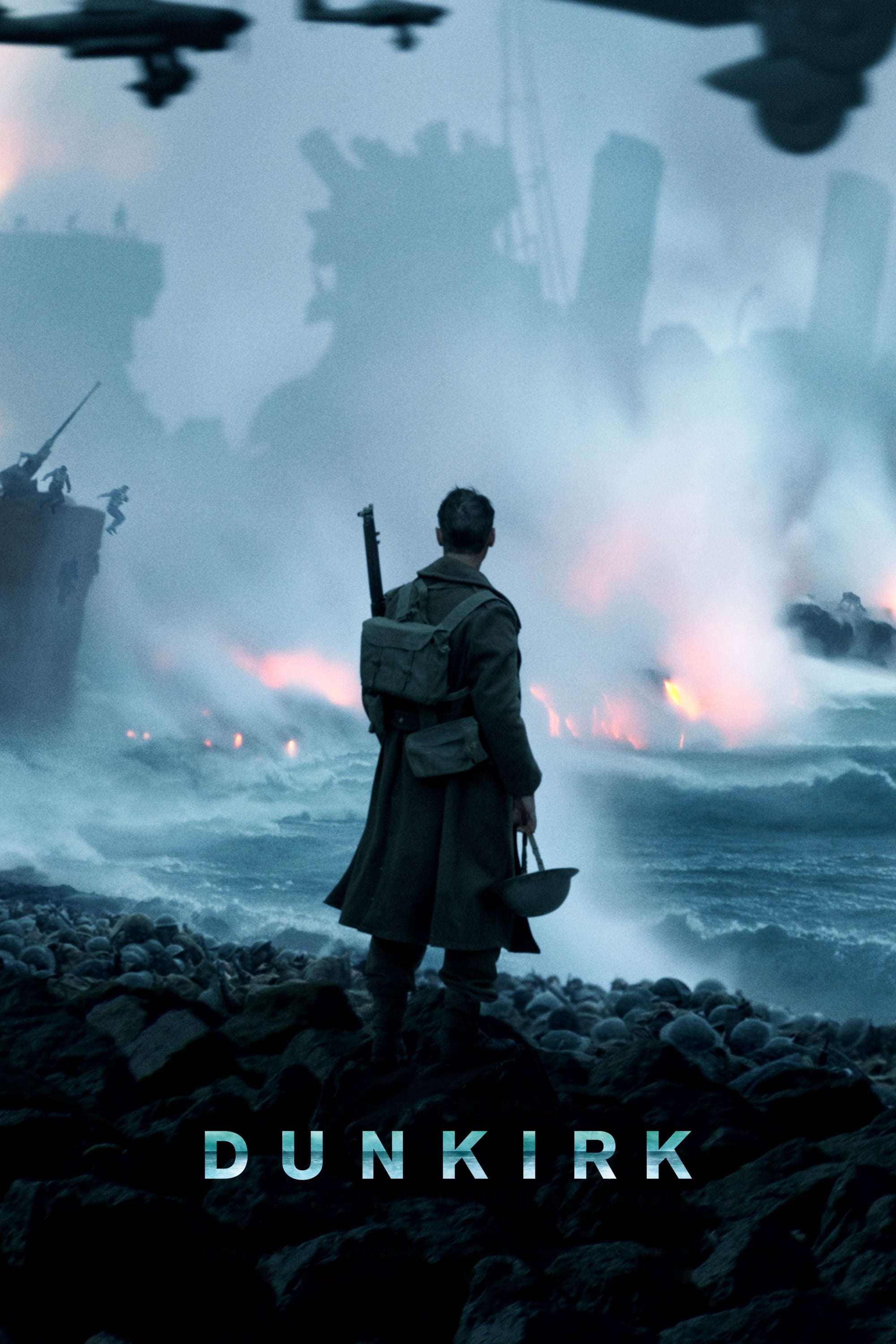
Mad Max: Fury Road
2015 film
Chris Ryan · Sean Fennessey · Micah Peters · Jason Concepcion
Aired August 23, 2018
Mentioned in discussions

Recasting Couch
Daniel Kaluuya; Tom Hardy; Kano; Emily Blunt (Richard Madden, Cumberbatch and an aging Idris Elba rejected)
In the discussion (5)
- The curveball is casting the next James Bond rather than this film's roles; the Idris Elba angst conversation is declared over since he is now older than any previously cast Bond, though Daniel Kaluuya fits some of the profile.
- Among white male Brits there is no strong class: Richard Madden, Scottish and hot after Bodyguard, is a little wooden without Craig's layers of pain, after a Richard-James-Steve Madden stumble; the next Bond must be handsome, different from the archetype, a good actor, sexy, cool and good with a gun.
- All the thirty-something British actors are already in Marvel or other franchises; Tom Hardy would be welcome but won't take the mask off, Kano, the grime emcee from Top Boy, is a way-out-of-the-box pick, and no Cumberbatch.
- On a woman as Bond, Charlie's Angels is a depressing example of marketing to women, but Emily Blunt is the one: British, charismatic, great in action films from Edge of Tomorrow to Sicario, already engaged with English mythology via Mary Poppins, though Bond is called an inherently conservative property unlikely to make that choice.
- For the film itself, Rubenek (as transcribed) as M is wished for, and nobody missed Felix Leiter, Jeffrey Wright's character who picks Bond up at the airport, since this movie refreshingly does not care about America.

What’s Aged the Best?
Donald Gibb as Ogre; Janice Kent and the free press; the fight scenes; Chong Li's nose-blowing, steroid physique, 'I break you' line and celebrations; Van Damme's terrible acting; the arena; Stan Bush's 'Fight to Survive'; young Frank's Giants gear; the first underground walk to the Kumite; the name Kumite; the tournament structure; Chong Li overall
In the discussion (13)
- Donald Gibb as Ogre: his trilogy ran Revenge of the Nerds, First and Ten (the HBO football series with O.J. Simpson) and Bloodsport, a nice five-year run; he is the perfect sidekick with no turn coming, Jean-Claude's buddy through and through; the hosts joke the intro left out that Chong Li has done more steroids than everyone in Hong Kong combined.
- Janice Kent and the importance of a free press: she hears whispers, goes undercover for the Atlantic, cracks a centuries-old event never written about, gets in the room, talks to five fighters, and pulls out her recorder in the front row where everyone will notice.
- Chong Li details that aged beautifully and disgustingly: blowing boogers out of his nose about seven times, the late-eighties steroid body nobody has anymore with a chest like a love seat, 'break my record, now I break you' as a yearbook quote, and celebrations that one host finds creepy and dorky while another calls them the scariest thing possible since he cannot raise his arms over his head; his unreadable, smiling-but-furious savagery with a weird daintiness makes him scary, a riff imagines him at home with a wife and kids, glasses on, saying he got carried away and killed a guy again, which lands as both funny and unwanted since seeing him clothed in the reflection is odd, and Brock Lesnar stole the pec flexes from him.
- Van Damme's terrible acting has aged best for one host because it is so bad; the director seemingly cared only about the fighting and treated dialogue as a hindrance, which the others concede was the smart play, and Van Damme was decent seven years later.
- The arena is the perfect fight arena: a sandy floor you fall into, nothing to change, and alligators around the pit rejected as too far and too much upkeep.
- Asked whether he would change the arena, it is called kind of perfect; the Kowloon walled city in Hong Kong, since knocked down, fascinates as a structure, and a secret fighting arena inside it is cool. — Jason Concepcion
- The arena is the right size, maybe 400 seats, smaller than a middle-school gym with the crowd close; the hosts would pay $249 for a UFC or Bellator pay-per-view called Kumite with 400 fans, lots of cameras and a dirt floor.
- Stan Bush, who wrote 'Fight to Survive', is the Joe Esposito of the late eighties; young Frank with his bad French accent wears a number 55 Giants football jersey and a San Francisco Giants hat, rooting for two Giants teams in two cities; a kid in the bullying flashback wears a Bartles and James (as transcribed) shirt, and the hosts wonder whether the boys knew they were going in for the sword.
- Comparing the first underground walk to the Kumite with the Scorsese one-shot nightclub walk in Goodfellas, they are very close, 1A and 1B, with Scorsese edging it on camera work. — Jason Concepcion
- The Goodfellas shot goes on continuously, but the Kumite walk brings you into a world you would never have access to; Kumite is called a great, incredible name, just the best.
- The tournament-movie structure is added as aged best: any movie with a tournament and a board where names advance works because little needs explaining; this leads to a proposed Ringer MMA tournament where Rusillo is floated and Brian Curtis, with hands like football helmets, a Texan who has been in brawls, is called the secretly strongest man at the Ringer.
- Tournament movies listed: Bloodsport, Undisputed, Karate Kid, Warrior, Best of the Best (a cumulative tournament), Enter the Dragon, Never Back Down, Mortal Kombat and The Quest, basically Bloodsport 2; the late-eighties video-game wave shaped them; the Best of the Best hero not finishing his opponent makes sense now because Daehan returns in Best of the Best 2.
- Chong Li is the overall pick for aged best: 31 years later the hosts are still in awe of what they created, with every part of him interesting; his celebration, Tom Hardy's character leaving the ring immediately in Warrior, and Daniel LaRusso's confused look at his support group are called the three best post-fight celebrations.
In the discussion (1)
- Charlize is the answer with agreement; George Miller is potentially the only alternative as the capper on a fascinating career, and Tom Hardy, Rictus Erectus (with a shout-out to Nathan Jones), the Doof Warrior, Riley Keough, Zoe Kravitz, Abby Lee, Rosie Huntington-Whiteley and the Bullet Farmer are all ruled out before 'It's Charlize' is repeated and the host ratifies Charlize Theron.
Podcast choices
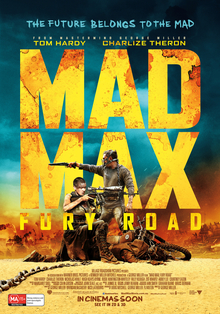
Probably Unanswerable Questions
Will there be a sequel?; Who could direct one other than George Miller?; Did Max leave the Citadel at the end?
In the discussion (3)
- A sequel was supposed to happen, with Charlize and Tom Hardy believed signed up, but George Miller was in litigation with Warner Brothers over an undisclosed sum and is 73, so it is doubted; asked directly, one host would absolutely love one, and IP lives forever.
- Letting someone else direct seems inevitable but could not possibly be as good; names floated are Michaud (as transcribed), Jeremy Saulnier, David McKenzie and Michelle McLaren (as transcribed), since the first three films lacked Fury Road's frenetic pace and editing, yet nobody else speaks this cinematic language of frame rate, quick cutting and practical explosions, and Miller, like Martin or Tolkien, has been thinking about this mythology for most of his adult life since his first feature, Mad Max.
- Did Max leave the Citadel? He shrinks into the crowd at the end, perhaps to become anonymous again or to find something elsewhere; he has never gotten over the tragic-hero curse that everything attached to him dies, so he likely wanders the wasteland again like Ethan in The Searchers, not right for society or capable of normal life, 'more of a bullet farmer' in the joke.
Picking Nits
Did Immortan Joe have a point?; Tom Hardy's voice is dubbed throughout; if the Green Place were real, why did more people not know about it?
In the discussion (4)
- 'Did Immortan Joe have a point?' was written down as a nit, which the host says Chris already raised earlier as a joke; the other nit is that Tom Hardy's voice is completely, or at least many times, dubbed, compared to the lossy sound of taping over an old radio mixtape.
- Dubbed lines are pointed out: 'that's my head' at the beginning, when the harpoon is shot past him on the hood of the car, and 'that's mine' when he sees Slit driving his car on the way back to the Citadel are somebody else's voice, and many more can be picked out.
- If the Green Place were real, why would more people not know about it? There are no podcasts or smartphones in the wasteland, the Outback setting holds maybe a thousand people with little information sharing, yet it is only a hard night's drive away and someone would have scouted it; if there were a place of salvation, people would try to go and word would get around.
- Earlier, during what aged the worst, Immortan Joe's plan was flagged as more of a nitpick: why marshal the whole Citadel to chase five or six wives when there should be other women to turn to.

Apex Mountain
The Doof Warrior (iOTA); George Miller (one host, vs. The Road Warrior); Charlize Theron (1 yes, 2 no)
In the discussion (6)
- George Miller is weighed first, with a joke that Happy Feet was easily better and Babe and Babe 2 called excellent; The Road Warrior is named his best film, the one that laid the carpet for him to become a Spielbergian director who could do action and drama, and Lorenzo's Oil, about Susan Sarandon and Nick Nolte trying to cure their child and drawn from Miller's experience as a doctor, a fine tearjerker; because he never worked at the volume needed to stay in the mix, one host answers no for this film and names Road Warrior as Miller's apex.
- Tom Hardy is called really complicated: Inception, with the Ames (as transcribed) character, is rated higher than Fury Road, Dunkirk and The Revenant come up, and Warrior is picked as the best he has ever been as a performer if not in fame, Tommy Conlon being a better version of Max in a largely silent physical performance.
- Charlize is put to the table: two voices say no, then one says yes, placing this over the Oscar win for Monster, the Jason Reitman collaborations and A Million Ways to Die in the West; her shaved head meant she wore a wig in the Seth MacFarlane western comedy.
- The dissent on Charlize is that Monster is her Apex Mountain, so her yes does not carry the table.
- For Miller, a second host answers yes, this is Apex Mountain, even while agreeing The Road Warrior is the better film in story, characters and pacing: as an achievement it is almost unparalleled, a movie where you feel the physics in a near-fully-CG era, made from non-Marvel IP after all the struggles to get it made, a top-five action film that, like The Fugitive, grabs you and cannot be switched off once it starts; this yes stands against the earlier Road Warrior answer and is not resolved.
- The Doof Warrior is easily at Apex Mountain, agreed with several 'easily's.
Casting What-Ifs
Mel Gibson was the presumptive Max until he declined around 2003 for The Passion of the Christ; Heath Ledger was considered before his death in 2008
In the discussion (3)
- There are few casting what-ifs: conceived in the 80s shortly after Beyond Thunderdome, the film had Mel Gibson as presumptive Max until about 2003, when another round of funding came through and he declined because he had become fascinated by the story that became The Passion of the Christ.
- Heath Ledger was considered before his death in 2008, which opens the question of whether he would have suited the role better than Tom Hardy.
- Asked whether anyone else should realistically have played Max, Heath Ledger is raised again as a cool idea, Statham is rejected as too comic-y, and nobody would be picked over Tom Hardy for the role.
What’s Aged the Best?
The action sequences; Charlize Theron's performance as Furiosa; George Miller's thesis of a near-continuous chase with a human MacGuffin
In the discussion (7)
- The obvious recommendation is the action sequences, pinnacle work only three years after release; the other suggestion is everything Charlize is doing, a classical performance in which she is really the Mad Max of the film, clearly the star and the hero on something like a Joseph Campbell journey.
- Furiosa is called an iconic action-movie performance by far, a character never seen before and a version of the Mad Max archetype: the lone, complicated but still moral person in a desert moral wasteland.
- Max's quick flashbacks apparently point to a story set between Thunderdome and Fury Road that mirrors the first film, Max failing to save a woman and her child, but the film never shows it, so the emotional investment lands with Furiosa and the lie at the centre of her journey; her collapse into the sand when hope turns out to be an idea rather than a place is a shot Oscar montages will play for 30 years.
- The action is the pick, with agreement that Charlize is magnetic: her introduction, a figure striding away from everything as if about to leave this world, the bionic arm, everything about her reads as a badass you cannot take your eyes off. — Jason Concepcion
- Furiosa kneeing the metal grate on Tom Hardy's face, realising it hurts and doing it again because she needs to put him down is the badass moment singled out. — Micah Peters
- She is called a great badass action-movie creation; another pick is George Miller's thesis, crafted 10 to 20 years before the film: could a film be an almost continuous chase, how much can the audience apprehend of character, relationships, world and backstory, and the MacGuffin should be human because we are all commodities now; this is one part highfalutin, one part genius, and the film-crit reading finds feminism, ecological collapse and the tolls of war inside a movie about Excitebikes throwing bombs onto a truck full of oil and women.
- The dialogue works like the Kuleshov effect, cutting between people to convey feeling; watching with closed captions reveals revelations buried under exhaust sounds, such as why Max is so angry.


Who Won the Movie?
Christopher Nolan (2 of 3 attributed ballots; a further unattributed pick for the movie-going audience in 228-230)
In the discussion (7)
- Candidates: Christopher Nolan, for arguably one of his two great movies, Leo DiCaprio and Tom Hardy, whose movie stardom is called a good thing.
- Nolan is a huge win because anyone can make money with Batman, space or war movies but a profitable movie about dreams is hard; it certified him as bigger than comic books and showed studios a risk on him pays back, as Dunkirk did this year as the second biggest success story, even though much of the film is pure poppycock to this host. — Sean Fennessey
- Another voice sums up the argument as Nolan being the Spielberg of our time, and the master-of-invention title he started getting is noted.
- Tom Hardy is the pick for another host: he is extremely dashing, it is the last time we are allowed to see how handsome he is, his line readings are perfect, he is the center of every scene, his play with JGL is charming, and his Mombasa scene is a great character intro. — Andrew Gruttadaro
- Nolan is also the pick for a second host, for the reasons already given, with the added observation that this is a Leonardo DiCaprio movie people think of as a Christopher Nolan movie, because the debate over its logic is what has sustained its place in the culture. — Mallory Rubin
- Zooming out, one voice says the audience won, since an ambitious non-IP summer blockbuster about dreams that made a lot of money may never happen again; the reply is that it is also a fairly conventional movie, a heist, a noir, a love story and a tragedy with gunfights and a villain, keenly integrating classic storytelling into an absurd premise.
- Asked to name Nolan's other good movie, one host says Dunkirk and another The Dark Knight, a flawed film that sweeps you up; The Prestige and Memento are called very good but not the height of his talent; Dunkirk is praised as a 2017 war movie about the good guys being afraid, with bravery coming from citizens rather than soldiers.
In the discussion (6)
- The shortlist is Christopher Nolan, Joseph Gordon-Levitt, cinematographer and longtime Nolan collaborator Wally Pfister, Tom Hardy and Cillian Murphy.
- Wally Pfister is a yes: he went on to become a not terribly successful director, but the first scene of Cobb showing Ariadne how dreams work is masterful mind-blowing stuff, and watching a building fold onto another like an M.C. Escher painting is about how the film is shot, not just conceived, since any stoner in a dorm room could conceive it. — Sean Fennessey
- Calling the cinematographer the winner is admitted to be not the most interesting opinion, but it feels true to someone who is a little dubious of the movie while liking it.
- JGL is a yes. — Andrew Gruttadaro
- The hosts ask where Joseph Gordon-Levitt has been since: commercials, his company Hit Record, which one thinks is an app, dressing up as Edward Snowden, Lincoln's son in Lincoln with a mustache, Looper under prosthetics, and a so-called Robin in The Dark Knight Rises; he is really good here, and his ribbing rapport with Tom Hardy is funny.
- A second participant also has JGL, calling him great in this.

In the discussion (7)
- The listed candidates are Tom Hardy as Eames, Lucas Haas, a member of the Pussy Posse assumed to have been cast as Nash as a favor to Leo, and the work of M.C. Escher.
- Lucas Haas being in this is called incredible, a flex of incredible proportions by Leonardo DiCaprio: he said yes and kept hanging out with Leo long enough to be in a Christopher Nolan movie for five seconds and collect a check, with the hosts guessing his two scenes took about a week to shoot and that he gets to tell people in bars he played the architect.
- Asked for candidates, the response borrows dorm-room philosophy from the list but declines to answer the prompt, redirecting to whether anyone remembers when they first saw the film; this host was certain it was in a Syracuse dorm with college friends, yet the film came out two years after graduation while she was working in New York, a bizarre discovery made while rewatching with her husband Adam. — Mallory Rubin
- That false memory is said to be the problem with the movie: it is the literal version of the hits-blunt-once meme, so base level that described plainly, a dream inside a dream, a hallway fight, then snow, it sounds silly, like the first time you partake and think you understand everything.
- Hans Zimmer is floated with the caveat that he may not fit the bill, since his influential theme dominates the movie to the point of hurting one listener's ears; he is called more than a role player, maybe bigger than Dion Waiters.
- The film's only pop song is Edith Piaf's 'Non, je ne regrette rien', a strange choice given Marion Cotillard played Piaf in La Vie en Rose, over whose closing credits the song plays; this host's pick is Hardy as the heat check.
- Hardy was just coming up when cast and thought Nolan hired him for Bronson, the Nicholas Winningrath (as transcribed) film where he plays a British criminal, only to learn on set it was for RocknRolla, a bad Guy Ritchie movie; the hosts ask why he is not one of the biggest stars in the world, a Mel Gibson in 1989, and note that after this he went to a one-for-them, five-for-me formula and now does zero for them, appearing in the Dutch East India Company show Taboo.
What’s Aged the Best?
Tom Hardy without a mask and with a normal voice; Joseph Gordon-Levitt in a suit; the zero-gravity set pieces; that there is a $150 million movie about dreams
In the discussion (7)
- The category is awkward for a movie only seven years old; one answer is Tom Hardy not wearing a mask and speaking with a normal human voice, plus JGL in a suit, which the host would like to see more of.
- It is doubtful a studio would pony up for a $150 million movie about dreams now; the counterargument is that at its core it is a fantasy story, a genre with more money than ever, just packaged differently, prompting jokes about a YA label, aged-down stars, Taylor Swift and magic wolves.
- The film is sequel-ready, but a sequel would undo the power of the ending, if you think the ending has power, which two of the hosts doubt.
- The set pieces, as already said, are the answer: the gravity scene is incredible, and the bedroom fight where JGL grabs the gun at the last second is stunning in how abruptly the man falls and how the gun keeps sliding toward them across the room. — Andrew Gruttadaro
- The hallway rotation is questioned: the van flipping on level one should itself count as a kick that wakes everyone, which one host finds a distracting logic flaw; the kick is defined as the sensation of falling that pulls dreamers up a level, as when Arthur tips Ariadne's chair.
- The defense offered is that the team is heavily sedated and several levels down and needed synchronized kicks; the objection is that the film never establishes synchronization is required to wake, only that it is a timing problem, and that close-ups of the sleepers swaying should by the film's own rules have served as a kick.
- The hosts wonder how many of the cast understood the movie, and whether a Freudian psychotherapist was on set the way an astrophysicist was for Interstellar, since the science is high-level and bunk at once.

