Introduced as producer Craig, the first-time viewer finds the earnest romance dated, the archetypes and casting weak, and the film caught between Say Anything and American Pie.
He likes William getting drunk and especially Jerry O'Connell’s warning about peaking in high school, likened to Mike seeing his future.
He wants a college follow-up with Mike and Tripp.
He concludes that the apparent archetype satire instead feels sloppy.
The other speakers call this a time capsule and a movie where you had to be there.
The others defend the film’s modest ambitions, cheap production, young cast and humorous execution as characteristic of the era.
Apex choices explicitly affirm Gooding, Crowe, Bonnie Hunt, the Gifford–Michaels–Dierdorf trio, Zellweger and Lipnicki. Crowe versus Almost Famous is debated before the larger hit and creative leverage prevail. Zellweger first faces a Bridget Jones alternative but is later confirmed yes. Jerry O'Connell is only raised, while Mohr gets a tentative maybe.
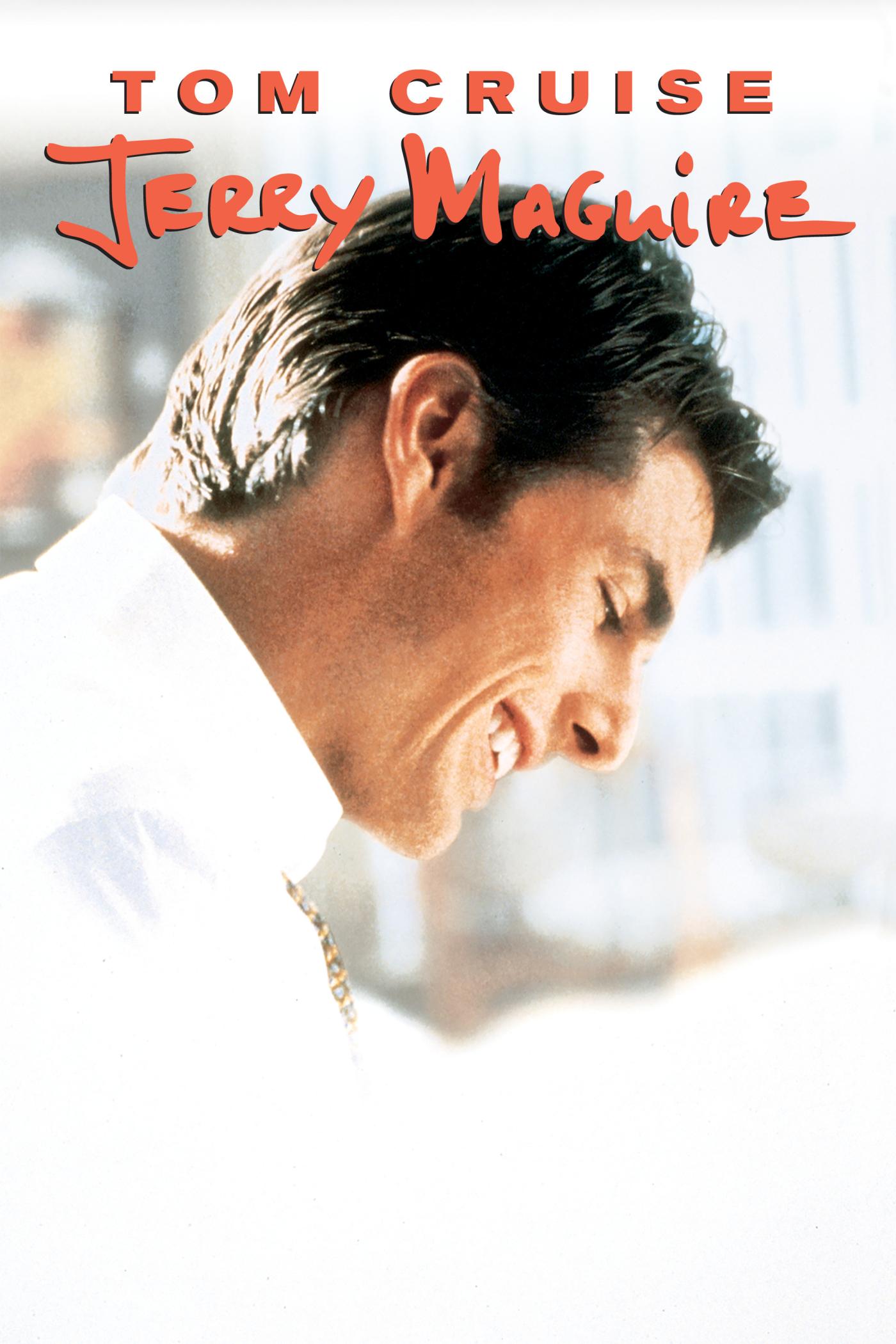
Cruise's 1996 Mission:Impossible/Jerry Maguire combination is affirmed as career Apex despite the objection that audiences chiefly associate him with Maverick. The film demonstrates pure star power through talking, running and emotion rather than an action concept.
Mission statements lose to the Unabomber manifesto; sports-agent Apex remains a discussion of Falk/Jordan and Boras rather than a settled Jerry Maguire win.
Cruise laughing during sex is proposed without a clear ruling; bass-fishing accidents receive a yes. The Arizona Cardinals are proposed but their later near-Super-Bowl win challenges it. Sad Springsteen needle drops lose to Philadelphia.
River Phoenix's apex is put at Indiana Jones or 'Private Idaho'.
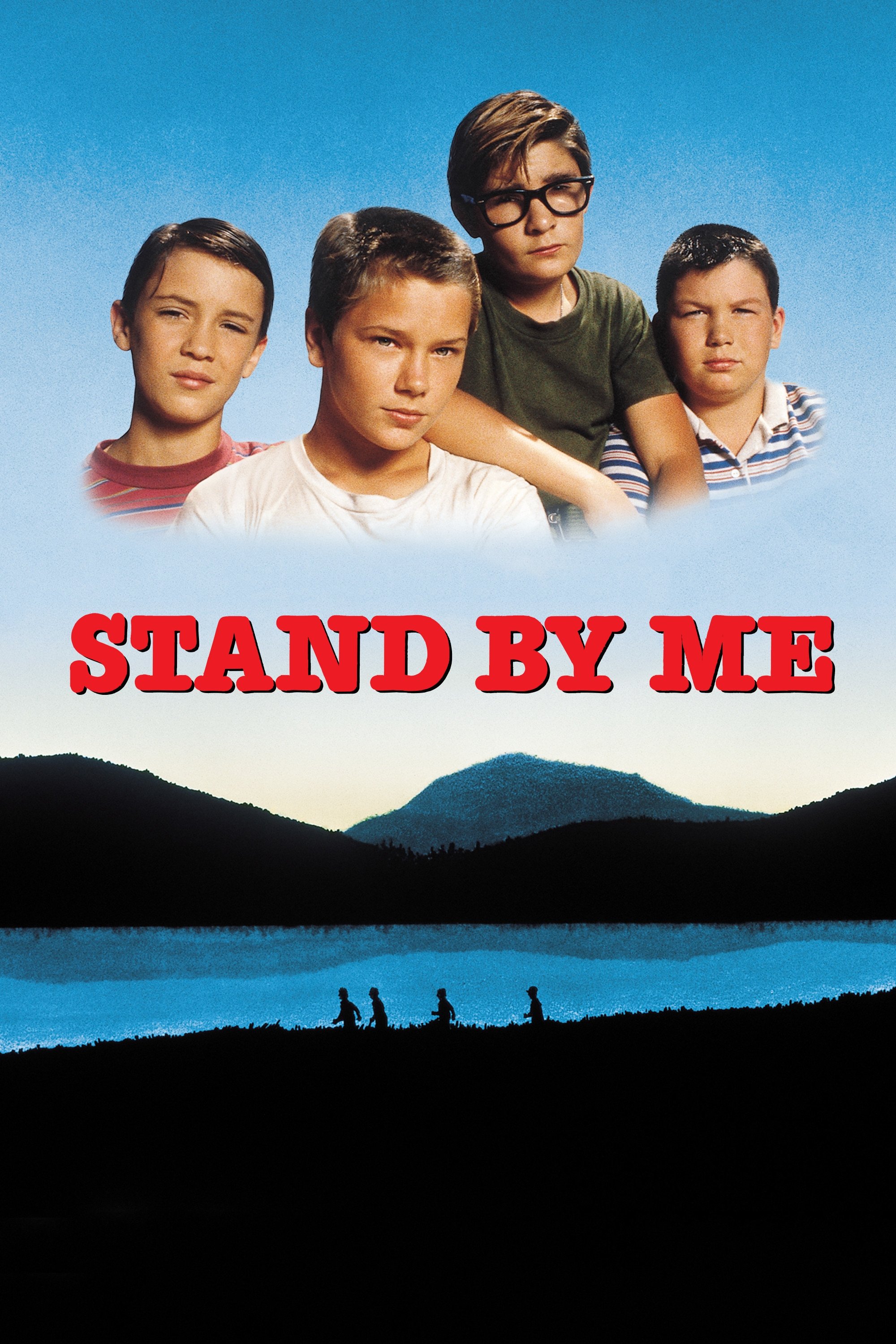
One voice would only 'probably' put Stand By Me as the apex for vandalism, such as mailbox baseball and low-grade 1950s gang activity (hedged, so not in the result); teen smoking is then offered and affirmed 'Yeah. Definitely'; burying pennies is floated without an answer.
The case for Reiner, as the hosts put it: after this film he starts Castle Rock Entertainment, which syndicates Seinfeld; his apex is the early 90s with A Few Good Men, and Castle Rock is the town in this movie.
Jerry O'Connell; young Kiefer; leeches; the game of chicken; the busboys quote; kids smoking; the narration; childhood urban legends; timelessness; Jack Nitzsche score
Fat Jerry O'Connell ages well, given he later married Rebecca Romijn Stamos and played Cush; his nuanced part is the sneaky best of the four on repeat viewings.
Young Kiefer ages well given his later career: engaged to Julia Roberts, winning the Dion Waiters Award for A Few Good Men as Kendrick, and Jack Bauer; this role is his Lost Boys villain without the vampire.
Leeches always work and make viewers squirm; a Little League groin injury anecdote follows.
The old-school game of chicken; one participant admits to drag races in high school.
The narrator's line that friends come in and out of your life like busboys.
Kids smoking: they embrace smoking's nuances, the pack rolled in the white tee, and Zippo work; smoking then is likened to video games for today's kids.
The story-within-a-story nesting and Richard Dreyfuss's narration as older Gordy, such as Vern's pennies; narration usually signals a flaw, but Stand By Me, Shawshank and Goodfellas do it best.
Childhood urban legends and mythology, with stories mutating among 12-year-olds and jinxes, which the internet has changed.
The movie is timeless: set in 1959 with distance, it captures the era, down to the clothes and the radio DJ.
The score and the classical version of the title song are added; 'Good call.'
The first pick is the early run-in with Ace, who takes the Yankee hat Denny gave Gordy; it does a lot in two minutes, establishing Ace, Gordy's inability to fight back and Chris not yet able to stop the cigarette.
There is not a wasted frame: the end mirrors the beginning, and the world holds only the kids looking for Ray Brower and the Cobras, with no parents or cops.
Gordy's trip to the store for Cokes and hamburger meat, the store guy's quarterback comment about his brother, and the junkyard chase that ends with Feldman yelling at the junkyard guy is a favorite; the store evokes first solo shopping trips, though baseball cards at the counter would have been a nice touch.
Chris's speech about Gordy's gift for writing shows in about 150 seconds why they are best friends: Chris is tough with a sensitive side, Gordy sensitive and wanting to be cool, always in each other's corner unlike Vern and Teddy.
An NBA analogy makes Chris and Gordy the two stars with a rotating cast; Vern is compared to Dwight Howard and to not wanting to go in the bubble.
The train scene is iconic: the wide bridge shots, the quiet, feeling the tracks, Teddy's line, Jerry O'Connell crawling and screaming, and the jump make a flawless four minutes.
The pie-eating story delivers for little kids; its editing, cutting back to the campfire where the others ask 'that's it?', is praised.
Chris's milk-money monologue is when Phoenix became the number-one draft pick; the hosts say Reiner told the 2016 Variety oral history he asked Phoenix to think of an adult who let him down, and the next take is in the movie.
The scene reflects learning that people in power disappoint you; none of the four is getting out of town, each for his own reason.
Gordy and Chris facing Ace with the gun is good, with Kiefer 'throwing 110 miles an hour' next to the decomposing body.
The ending keeps building: goodbye to Chris, the story of his death, Chris vanishing, then the writer finding his last sentence, which the speaker, a former columnist, identifies with; then wrestling with his son.
A joke imagines the same feeling after a 200th-episode Heat podcast with Michael Mann.
A second participant adds Vern running up to the treehouse and being cut off while the others keep singing, which sets up the gang as real characters.
The Cobras' mailbox baseball and tattoo scenes show what the boys could become; not even the bad guys have fun lives in this town. That participant calls the bridge crossing the most rewatchable.
Mailbox baseball and smashing pumpkins are called New England traditions after one participant admits he might have done it in Worcester.
Another participant agrees the train scene is the most rewatchable, a flawless four or five minutes; the hosts' research says a camera trick made the distant train seem right behind the boys.
Cameron Crow is proposed as peaking here; Almost Famous is countered as his life story and therefore easier material to assemble.
This film is proposed as Tom Cruise’s best movie and as the complete Cruise experience; 1996 is accepted as a career year because it also included Mission: Impossible.
The performer rendered as Jay Moore is treated as a probable peak, with a later agent television show recalled but not named.
The performer rendered as Glenn Fry is initially placed above the Eagles and his Miami Vice appearance, then removed after the Miami Vice comparison wins out.
Roy Firestone’s Rod Tidwell interview is called his peak.
Jerry O'Connell is proposed as peaking here; Stand By Me is raised, but the response prefers his Cush role.
The Springsteen soundtrack is nominated over Philadelphia, while the Philadelphia lawyer-office scene is offered as a strong counterexample.
Beau Bridges is added as a late-career peak.
The Michaels-Deerdorf-Gifford broadcast trio, using the transcript’s observed spelling, and Wayne Fontes’s lobby appearance are added as peaks.
Regina King is explicitly rejected as a peak because of better later work.
The publisher cameo is considered against the person’s Almost Famous and Perfect appearances without a settled conclusion.