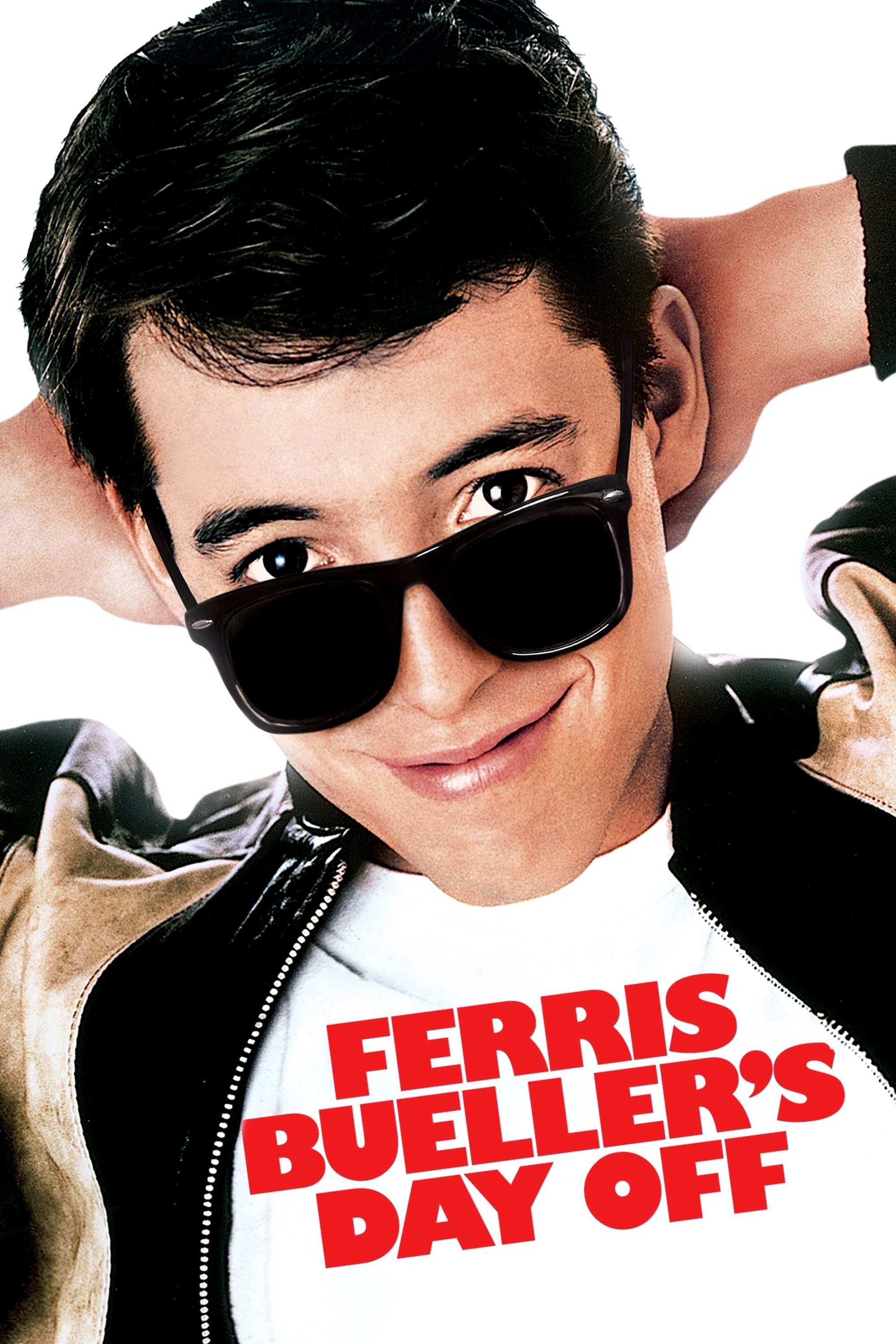
The Chez Quis restaurant is the same one used in The Blues Brothers and St. Elmo's Fire.
A deleted scene had Ferris cash a savings bond to pay for the day; it was cut for making him seem a thief, though he has a knot of cash at Chez Quis.
A line about riding the space shuttle was removed after the Challenger exploded.
Broderick and Jennifer Grey got engaged before release, and Ferris's screen parents, Cindy Pickett and Lyman Ward, met on set, married, had two children and divorced.
Ruck's George Peterson voice was an impression of their Biloxi Blues director meant to crack Broderick up.
Broderick's knee injury limited the Twist and Shout choreography, which was by Kenny Ortega of Dirty Dancing and High School Musical.
Ben Stein's lecture was improvised off camera, and the extras laughed so hard that voodoo economics stayed in.
Broderick resisted a sequel, and Hughes's death made it moot.
The 1990 NBC Ferris Bueller show starred Charlie Schlatter with Jennifer Aniston as Jeannie; Parker Lewis Can't Lose is preferred.
The end-credits bus scene was cut from the movie and restored by Hughes, explaining a school bus coming home at 6 o'clock.
Hughes first planned a Mercedes; Modena Design built the Ferrari replicas and, per the hosts, went bankrupt after Ferrari sued, prompting a joke about more blood on Cameron's hands.
Cameron's "I'm dying" introduction; Alan Ruck; Cameron's George Peterson impression; the Ben Stein classroom scene; the 1961 Ferrari 250 GT California; Charlie Sheen's 1986; Mia Sara as Sloan; the use of pop music
The first introduction to Cameron, "I'm dying," answered "you just can't think of anything good to do," feels identifiable in quarantine.
Alan Ruck has aged well now that he is reinvented as a favorite Succession character.
Cameron as George Peterson ("Pardon my French, but you're an asshole") is a fully committed impression.
The anyone-anyone, voodoo economics class with students in a coma, a glaring girl and a drooling guy captures how much high school sucked.
Beat City, World Party's When You Come Back to Me and the Beautiful Girls theme are lamented as missing from streaming.
The hosts debate whether the movie invented or only popularized the "hey batter batter" chant.
The 1961 Ferrari 250 GT California has aged the best; the hosts say one sold at auction in 2018 for $18 million.
Cameron's dad's glass-and-wood house is beautiful and surprising for Illinois; the hosts cite $1.8 million in 2020.
Ferris's double take at the Ferrari's 301 miles is a favorite beat.
Charlie Sheen's 1986 aged best: from Lucas and a bit part in Ferris to Platoon and then Wall Street.
Mia Sara as Sloan: high expectations never fully happened, but she is inducted into a mid-80s Mount Rushmore; another host mocks the crush talk.
It may not be the best soundtrack, but it may be the best use of pop music in a movie: the I Dream of Jeannie and Star Wars themes are integrated, and other movies with better soundtracks do not use music this way.
The Art Institute cover, the closing English Beat run and the opening song are essential, and the movie seems cut to the songs; the closing chase is great filmmaking synced to a great record.
The category breaks tradition after 110 episodes: all nominees are listed first, and the others may add more.
"They bought it" after the parents leave opens a rare fourth-wall monologue that works, with the barf-up-a-lung and lick-your-palms advice and "Life moves pretty fast", the theme of the movie.
The Ben Stein class scene with Swanson's rumor chain and "Anyone? Bueller?" is a great run; Stein impressions were everywhere in high school and college afterward.
Cameron in the car debating whether to go ("He'll keep calling me") is unbelievable Ruck, ending with him punching the car.
The Cameron-in-the-car scene is relatable for anyone coiled and pushed by a friend who promises fun and trouble; Ruck being older makes the pair feel like equals. — Sean Fennessey
Picking up Sloan in the Ferrari is audacious, though Rooney 20 feet away not recognizing Ferris is an annoyance.
At Chez Quis, "You're Abe Froman, the sausage king of Chicago," "I weep for the future," and the aside about not getting busted by a guy like that are highlights.
Outwitting annoying people with voices and phones peaked in the 80s; cell phones and Google likely killed the device, and much of the movie hinges on voice work.
The Ferrari joyride is the pick: the attendants' euphoric faces flying through the air to Star Wars music made the host laugh top-four hardest ever in a movie.
The art museum scene should have failed; the hosts say the test-screening music was a Robert Smith song replaced by a Smiths instrumental, and Cameron looking at the screaming little girl, closer and closer, really works.
Cameron destroying the car is nominated for love of the car, a top-five all-time car that turned out to be a replica.
Young, the car destruction made sense as the one real fight with a dad; in one's 40s, Cameron seems doomed when his father gets home. — Chris Ryan
Two hosts side with the father and call Cameron unhinged; another calls him an angsty teenager who will work it out.
If Cameron survives the beating, he probably marries the first girl he has sex with, as Ferris predicts. — Chris Ryan
Ferris sprinting home is a fun 80s scene: stopping for the sunbathers, the dad's deadpan "I think we should shoot her," the sister helping, and the ball throw that sets everything in place.
The parade is added: corny, lip-synced and impossible, but it still gives goosebumps; a second host agrees and asks if Twist and Shout is the most exultant moment in movies.
One host finds the parade two and a half minutes too long and would drop Danke Schoen; the reply is that it gives Cameron and Sloan time for their conversation.