Jason Alexander was initially cast as Weinberg but reportedly withdrew after Seinfeld’s second-season renewal. — Bill Simmons
Alexander is preferred over Pollak by one participant and rejected by two others; his Seinfeld association and squirmier screen persona are debated, with Larry David offered jokingly.
Called the all-time record list: "Bert" Reynolds declined Edward and in 2012 said he made a mistake after seeing the love-making scenes. — Bill Simmons
Al Pacino turned down Edward after a screen test with Roberts; that movie does not work. — Bill Simmons
John Travolta auditioned, and had turned down American Gigolo, which made Gere a star. — Bill Simmons
Read as half-assed internet research: Gere was about to turn the part down when Roberts slid him a "please say yes" Post-it; the hosts doubt it. — Bill Simmons
Gere turned down Gordon Gecko in Wall Street; Michael Douglas is floated for this movie, and Robert "Radford," who did a similar role in Indecent Proposal five years later.
Molly Ringwald turned it down and regrets it; Diane Lane nearly played Vivian but pulled out over scheduling; "Michelle Fife" turned it down. — Bill Simmons
Several other actresses allegedly turned it down, which the hosts do not believe. — Bill Simmons
Evil George Costanza: Jason Alexander's lawyer is among the most evil characters; seeing him in the Seinfeld Chronicles the same year was jarring. — Juliet Litman
He is floated as the most evil person in a rom-com, having earned it with the polo-scene arm grab before the attempted assault.
One participant ranks him hitting Vivian second: it is unnecessary, tonally dissonant, adds violence to a business relationship, and is probably a holdover from the darker script.
The 3 a.m. no-condom piano sex: she brings condoms downstairs, bus boys watch Edward play at 2:55 a.m., and he clears the room to have sex on the piano. — Bill Simmons
The rushed ending is added: everyone changes their mind quickly; the buildup to their meeting takes 30 minutes and the wrap-up 15.
Hector Elizondo's "difficult to let go of something so beautiful" line changes Edward's mind; he is the perfect uncle and reprised versions of the character.
Asked for her pick, she mentions the lawyer and the assault scene, then raises the basic lessons of the movie and how they are embedded in a generation of women. — Amanda Dobbins
This is described as Craig's complaint that the movie's lessons are not wholesome enough: unlike Mean Girls, it does not teach that access to money might not make you happy, and his complaint is reported as there being no growth.
The movie is loved against all reason: the escapist fantasy of changing a guy because your personality is so winning is shallow and problematic to modern progressive women, but it is fun and she sells it; it is a fairy tale, a dark Cinderella. — Amanda Dobbins
The movie is deeply imprinted on Juliet's and the speaker's minds; from the male side, the lesson is that you never know who you will fall in love with.
My Best Friend's Wedding is called more offensive; later rom-coms that pit women against each other did more harm, with The Object of My Affection, Picture Perfect and Trainwreck cited. — Juliet Litman
While You Were Sleeping's coma setup is attacked and defended. — Amanda Dobbins
Pretty Woman is the model for later rom-coms, whose leads got crazier for a seven-year stretch.
The segment closes with a claim that everyone agrees the sexual assault is what has aged the worst. — Bill Simmons
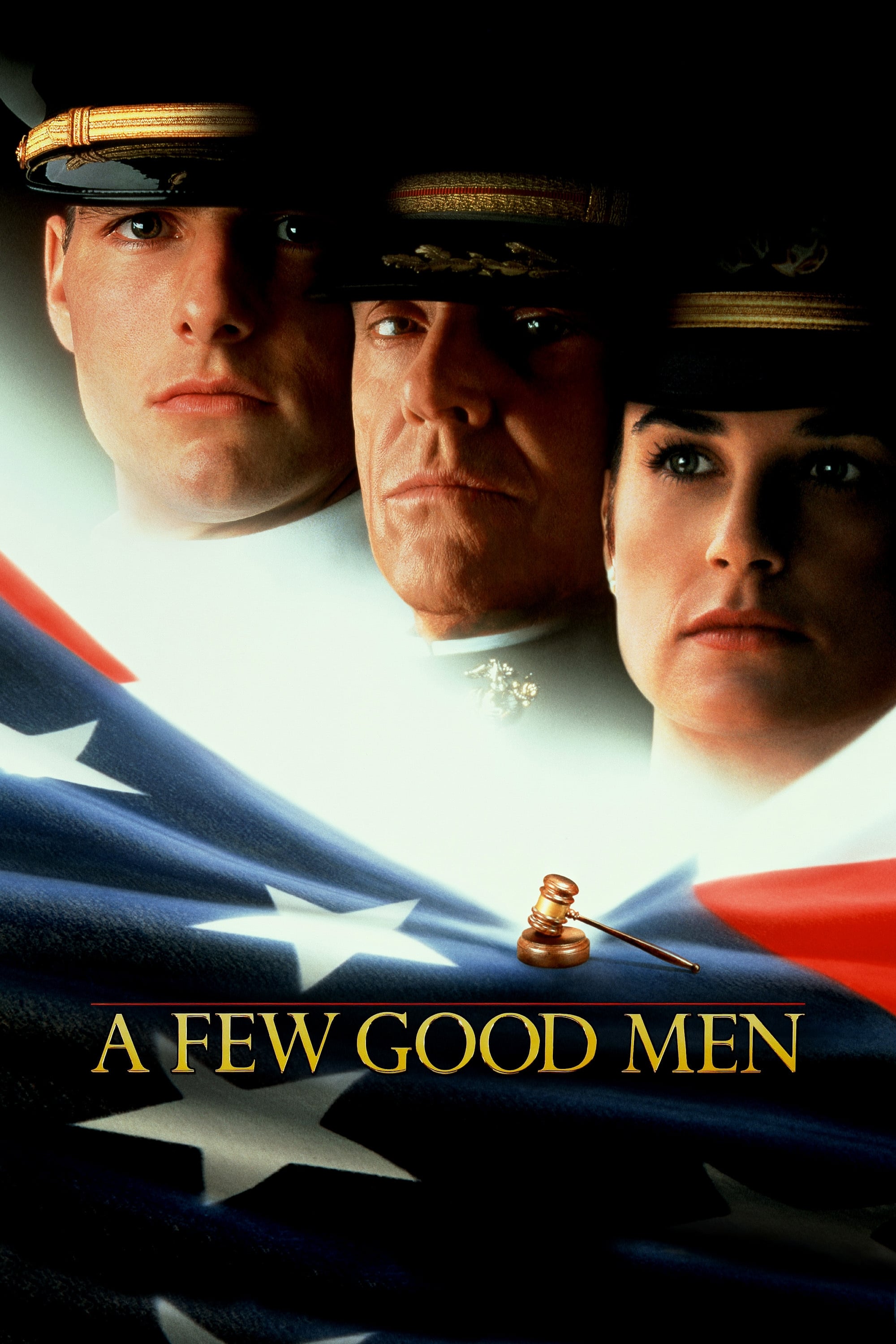
Kiefer Sutherland clipped Marines while driving a Jeep; Ebert gave it two and a half stars; Nicholson did 40 to 50 takes of the code red scene; it cost $30 million and made $230 million; Jason Alexander was meant to play Sam Weinberg; Sorkin wrote it on bar napkins and bought an early Macintosh with his roommates; Dawson's actor was Reiner's assistant; Sorkin cameos as a lawyer at the bar
Kiefer Sutherland drove the military Jeep so badly that he clipped a couple of Marines and scenes had to be redone, though he drives in only one scene, perhaps rewritten so Noah Wiley drove.
Ebert's two-and-a-half-star review, which said the film telegraphed the ending, is noted and rejected.
Nicholson did 40 to 50 takes of the 'you can't handle the truth' code red scene and kept performing during everyone else's coverage, telling the crew he loves to act, which becomes a joke about loving to podcast.
Unlike productions full of casting stories and disasters, nothing went wrong here: it cost 30 million, made 230 million, Nicholson cost a lot, everyone calls it their best experience, and Reiner's directing is joked down to pointing the camera at the movie stars.
Jason Alexander was supposed to play Sam Weinberg until season 2 of Seinfeld was picked up; Plan B was Kevin Pollard (as transcribed).
Sorkin wrote it on bar napkins at a bar off Broadway, he and his roommates chipped in to buy an early Macintosh to write the script, and Dawson was Reiner's assistant.
Sorkin was a bartender and appears in the film as the lawyer at the bar; the hosts like writers and directors showing up in their own movies, citing Oliver Stone as a football announcer and Scorsese playing the creepiest guy, though Sorkin has ten seconds too much dialogue, out of focus but clearly audible.