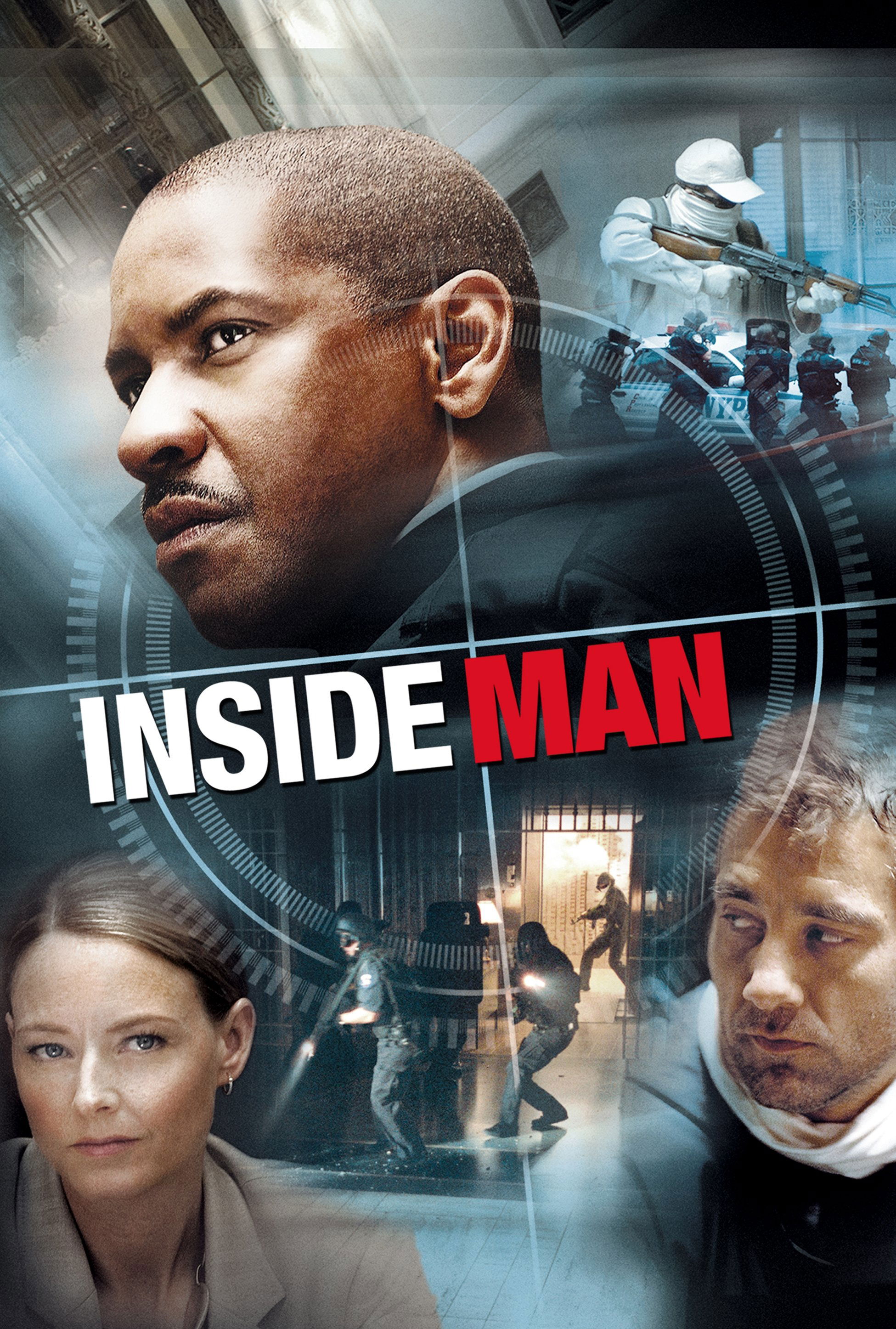
Clive Owen: yes; 2006 with Children of Men and Inside Man was his apex, among the best two-film years ever.
Jodie Foster in the 21st century: yes, though Flight Plan was a big hit.
Juicy Fruit gets a yes as its best use in a movie, after wondering whether Chuck Yeager chewed it in The Right Stuff.
Gangst is genocide, the in-film video game, also gets a yes.
For fixers, Winston Wolf is apex over Michael Clayton, and Foster's character, who proves ineffective, ranks third.
Bruce Willis's girlfriend in Pulp Fiction is the apex of worst movie girlfriends, with a promise to rip that stretch apart in an in-person Pulp Fiction episode after the pandemic.
On whether it is apex for post-Heat heist movies, the answer is only that it is "in the carousel," mocked as a non-answer. — Chris Ryan
Candidates weighed include Den of Thieves, The Dark Knight, Logan Lucky, Hell or High Water, Widows, Baby Driver, The Town and Fast Five.
The final ranking puts The Town first, Fast Five second and Inside Man third, with Den of Thieves fourth.
Filming used 20 Exchange Place, a former Wall Street bank turned cigar bar, for exteriors, with the interior built as a set.
The Cartier diamond ring was real, borrowed for three days and valued at $1.5 million.
Bothered by Grand Theft Auto, Spike had graphic artists spend 10 days building the in-film game from mockups of an ATM robbery and a drive-by, and predicted someone would make a real game from it.
In 2011 plans for Inside Man 2 were cancelled because Lee could not secure funding; he called Inside Man his most successful film.
The cancellation is baffling for a near-$200 million hit; star availability may be the issue, but a sequel would surely make $100 million and has name recognition. — Sean Fennessey
A straight-to-video sequel, Inside Man: Most Wanted (2019), exists with none of the original characters and Ray Seahorn from Better Call Saul.
Such bootleg sequels are compared to a Mean Girls 2 that fooled a daughter. — Sean Fennessey
The heat-check list is the longest in at least 20 movies.
Candidates include Ken Lung, the Albanian translator, the little boy, the bigot cop, the turban guy, the 34D lady, Kim Director as Stevie, and Ransone.
Lost could have cast several people from this movie.
The Albanian translator gets one vote for owning three minutes before leaving the movie, a classic Spike Lee move.
Another vote is 100% Al Palagonia, a Spike friend often seated with him courtside at Madison Square Garden who is not an actor, playing the construction worker who identifies Albanian. — Sean Fennessey
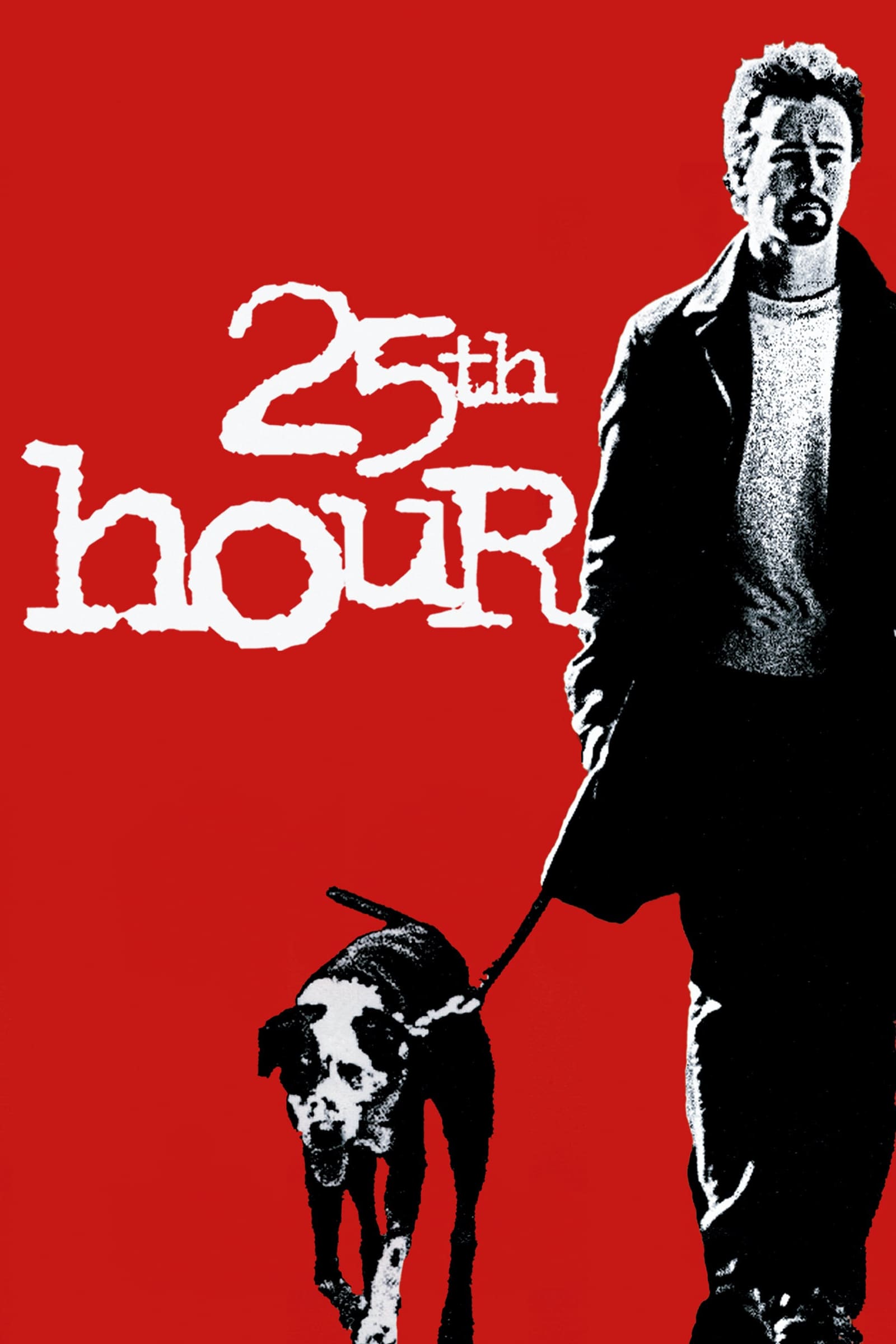
Palagonia plays versions of that guy in many Spike films, including the "optical illusion" line in 25th Hour. — Sean Fennessey
Conceding being outvoted, the translator backer declares Palagonia the winner. — Sean Fennessey
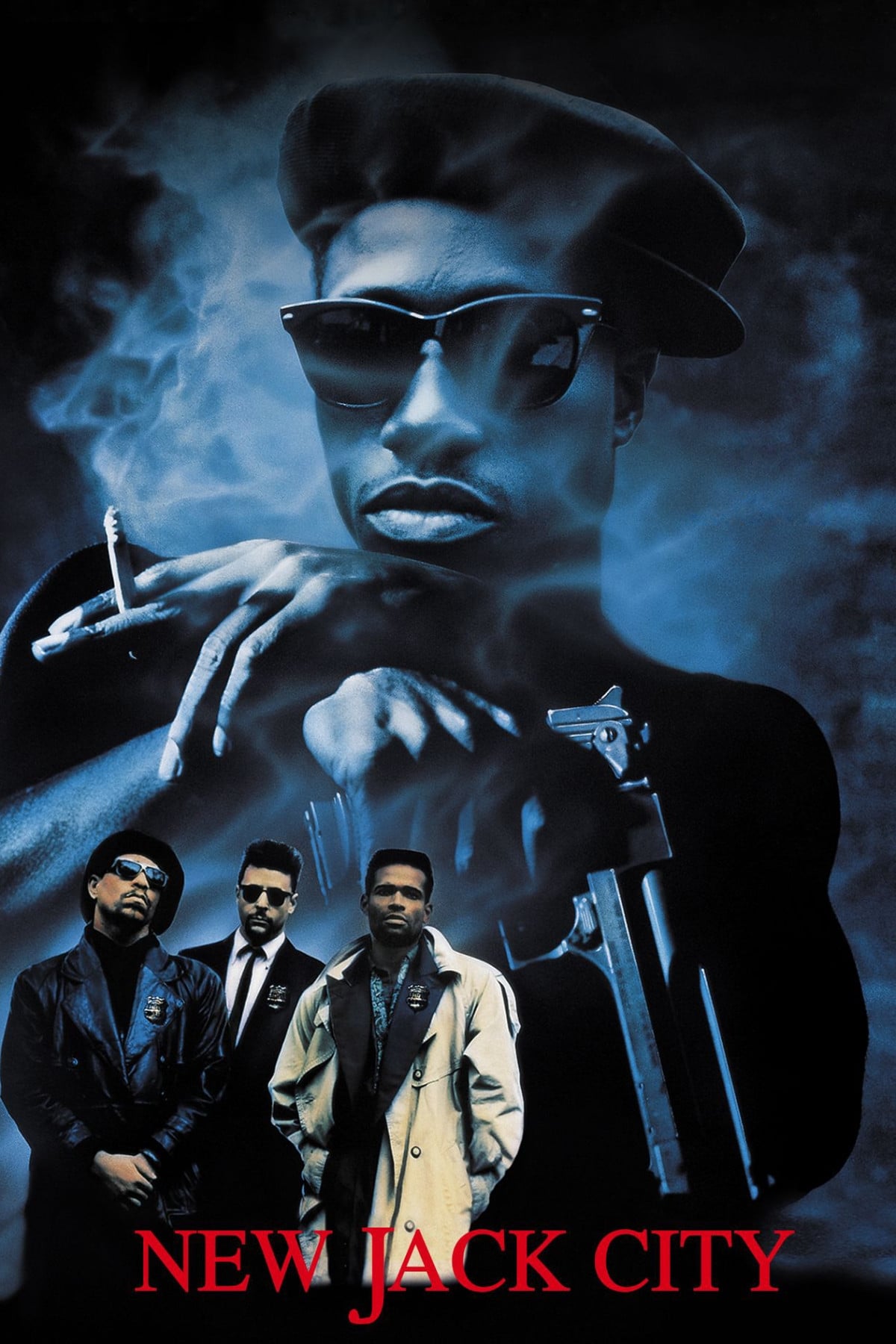
A new award launched the week before on New Jack City: the Judd Nelson Award for someone who is clearly in another movie; Chris was there and Sean was not.
William Defoe seems to be in a completely different movie, generic and giving nothing interesting to say despite being a multi-Oscar nominee, like an old Law & Order episode.
A partial dissent enjoys Defoe being given nothing to do, while noting his odd introduction as a jerk to Denzel followed quickly by an apology.
Per the internet research, Spike and Defoe met in a men's room during an intermission of a Julius Caesar production with Denzel and agreed to work together, so Defoe feels shoehorned in, mainly setting up jokes.
Judd Nelson's New Jack City performance was the model, and Defoe is called a good first winner.
The interrogation scenes are this speaker's number one aged-best item. — Sean Fennessey
Continuing the Albanian theme is called a first on the show: Albanians in a movie are an automatic yes, with a dream 1988 bank movie involving Albanians.
Asked about his "homeland," the reply jokes about being Albania's most prominent podcaster. — Chris Ryan
Movies such as Taken 2 and Wag the Dog make Albania a go-to country for debauchery and crime.
Subtle touches hold up, including the phone-call argument and the camera trick moving Denzel toward the camera on a dolly after the hostage shooting.
Jodie Foster's Baron Rothschild quote about buying property when there is blood in the streets is cited.
Nazi plot twists work in well-made movies, as in Marathon Man; this is about the last point when a present-day movie could have a functioning Nazi collaborator.
Denzel going through the hostages, including Ken Lung, is cited.
The little boy is cited, with the note that that material was ad-libbed.
Terence Blanchard's booming noir jazz score is praised over a modern soundtrack of songs, compared with Touch of Evil.
The opening and closing song Chaiyya Chaiyya by A.R. Rahman came a couple of years before Slumdog Millionaire, putting Spike ahead of the Bollywood boom. — Sean Fennessey
The bank-robbery setup comes first: meticulous crime setups are a favorite, with the crew entering in painter jackets with fluorescent strips.
Asked what disguise they would use for a heist, the picks are plumbers and a cable repairman installing the jails network, while another wants only to be the driver.
The driver pitch prompts jokes about a risky U-turn bit and a terrifying wheelman, plus disappointment that the movie has no second switch van.
Watching the people in line invites imagining your own move as a hostage: get straight down with hands visible, or offer to help the robbers.
One of Clive Owen's best scenes is his anger when the Gold Digger ringtone goes off, followed by the strip-to-your-underwear order; it is tense because the character's limits are still unknown, and shuffling the hostages is disorienting.
The first Foster-Plummer scene shows two strong actors, with Foster coming in off the bench, and the conversation is staged on the Brooklyn Promenade for scenery.
The video-game scene is offered as a controversial pick: some found it hacky social commentary, but the speaker enjoyed Owen vibing with the boy, and their son asked if the game was real.
Spike, pushing 50, is seen reacting to a generational gap in hip-hop culture, both criticizing it and trying to understand it; it plays a little old-guy. — Sean Fennessey
Spike also added the imagined raid scene for action; the video game likewise slows the film but gives Owen a quieter moment, and the boy relates more to Owen than to Denzel.
The boy's 50 Cent line is a little clumsy, but Spike committing to it and building the game from scratch is appreciated.
The first Clive-Denzel phone call, with the pina colada and Amber-and-Tiffany back-and-forth, is praised as hard to pull off on a phone.
Other beats listed are the first Owen-Foster meeting, and the hostage-release reveal that everyone is "actually hostage," a voila moment.
The last Plummer-Foster scene, with "I sold my soul" and her Bin Laden's nephew joke, is named the speaker's pick for most rewatchable, a chess match and the exclamation point of the film.
As a cap, the Foster-Denzel courthouse exchange with the Baron Rothschild blood-in-the-streets line is added, along with the interrogations, which the speaker read were improvised but was unsure count as scenes. — Sean Fennessey
A dark-horse pick is the sequence where the police try to identify the Albanian recording: the most New York sequence, with the body-bags line and the woman with the bag of parking tickets.
Her IMDb is called the weirdest: She's Gotta Have It as Nola Darling, a 1988 Nike ad with Spike Lee and Michael Jordan, a Wild Thing video, Family Ties, a Mo Better Blues cameo and this movie, then no credit for 21 years until Red Hook Summer. — Bill Simmons
Research found no explanation; speculation includes marriage and kids, a substance problem or quitting the business, though Spike Lee's patronage could have sustained a career. — Van Lathan
Listeners who know what happened to her are invited to reply on Van and Logan's Twitter. — Logan Murdock
Her scene turning on music with the remote in another woman's face carries enormous tension. — Logan Murdock
Pookie is proposed but rejected as too big a part; Judd Nelson is ineligible because he gets his own category later. — Logan Murdock
Asked who won the movie, the answer comes in three parts: number three is Rodrigo Preeto for a beautiful-looking movie. — Wesley Morris
An interjection claims the answerer has come all the way around and now counts this among their favorite Spike Lee movies. — Bill Simmons
Number two is Terrence Blanchard for the mournful, restrained score, compared with his sometimes too-bright, major-key scores in the vein of Aaron Copeland. — Wesley Morris
Number one is Spike Lee, who directs with his hands in his pockets and focuses on the moral matter at hand, unlike other films where other interests compete, as in Inside Man. — Wesley Morris
A second pick: Spike, hands down; nobody could have directed it better, though a 1990s-early-2000s Scorsese version (the Bringing Out the Dead era) would have been fascinating, and the director needs a real connection to New York. — Bill Simmons
A suggestion: a first-time director, 25 to 33 years old, might have brought the rawness that the restraint keeps out; the restraint leaves the viewer a spectator like Norton and Pepper looking down on the dancers. — Wesley Morris
Is the movie better with Matt Damon in the Barry Pepper part? Reasons: whether he would be better, whether it is a fun new role for him, and whether a Rounders-reunion cast with Norton, Hoffman and Spike Lee raises its Oscar ceiling; this is asked while liking Pepper. — Bill Simmons
A reply: Damon changes the stakes and would require fleshing the character out more; Pepper became a better actor as the decade went on. — Wesley Morris
Another view: it is probably a longer movie but taken more seriously as an awards movie because of the names. — Bill Simmons
Pepper's career is reviewed, with his run ending after this period; playing a role in Battlefield Earth alongside Travolta is called a red flag, but he is called a good actor and great in this movie. — Bill Simmons
What is the Hoffman character's Monday like? Awkward, probably handing in his resignation. — Bill Simmons
Will Rosario Dawson's character be waiting when Monty gets out in seven years? The answer is no, she is long gone, and the dad is probably dead. — Bill Simmons
What is her job? It is unclear; maybe a waitress, maybe a student, since she was 17 when they met, the same age as the Anna Pacquin character. — Wesley Morris