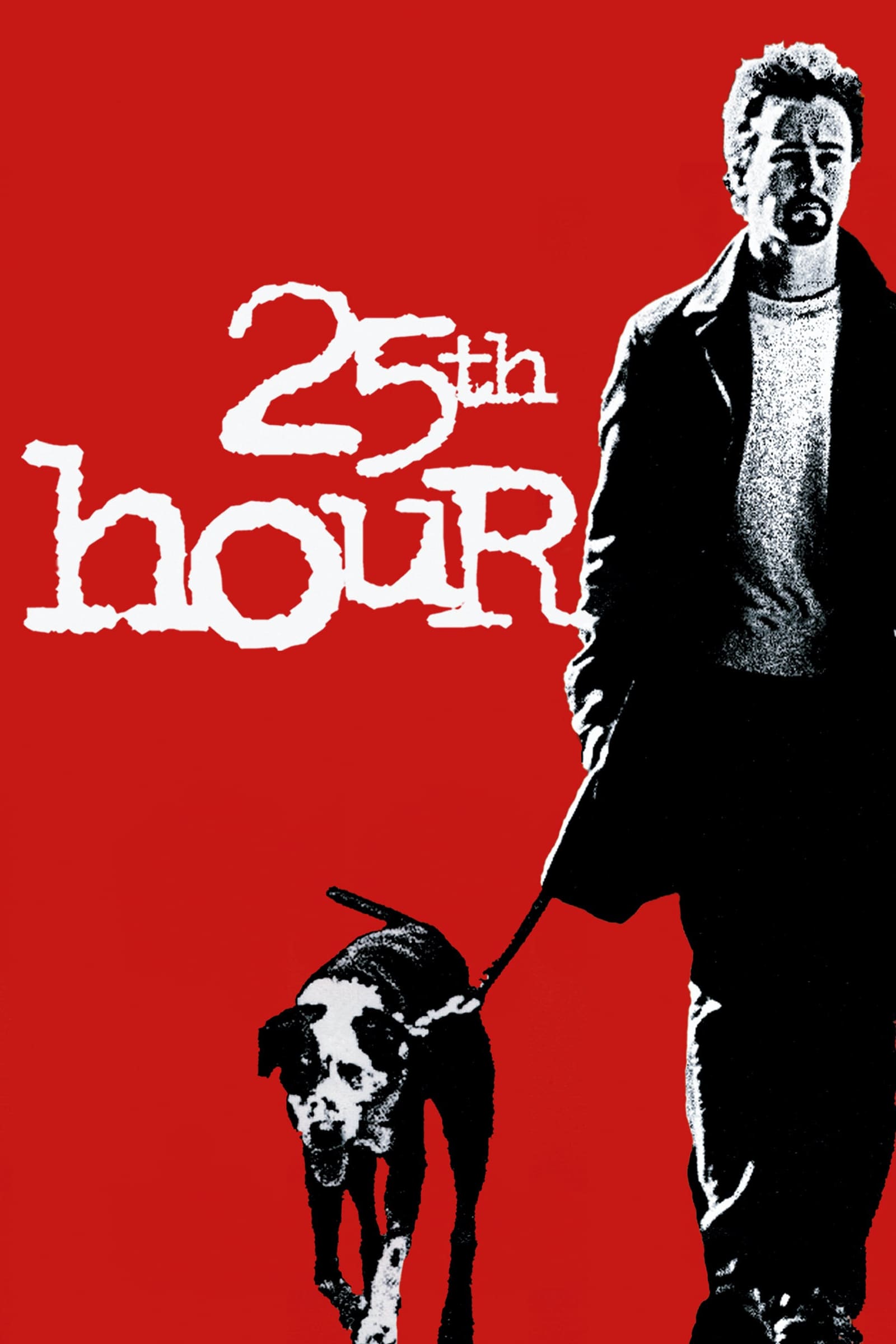
For Ed Norton, coming off Red Dragon into this movie is considered, but because this film was not very successful the answer moves from "probably Fight Club" to "It's definitely Fight Club," since he had the most juice after Fight Club, which came a year after his American History X nomination. — Wesley Morris
Afterward his choices seemed like diminishing returns, including the in-between Hulk movie rather than the Angley version with Eric Bona. — Wesley Morris
Norton is called one of the best and for a while the most exciting actor, but the pressure to make good choices and the needs of ego and career locked him into a pattern; Birdman let him lean into that ego. — Wesley Morris
Movies where 9/11 is a character is a yes: this is called the signature 9/11 movie even though it is not about 9/11, a no-brainer. — Bill Simmons
Barry Pepper is saved for later; his run from 1998 to 2002 (Saving Private Ryan, Enemy of the State, 61, Knock Around Guys, 25th Hour) leads to "his Apex Mountain was probably 61," after which he seemed headed for leading roles that never came. — Bill Simmons
Clay Davis casting; Spike Lee and Rosario Dawson tandem; Norton and Hoffman career timing; the score; three-dimensional cops and Feds; Cool Hand Luke poster; the title
Clay Davis as the agent is the first item. — Bill Simmons
The Spike Lee and Rosario Dawson tandem holds up; she is felt to be at her best in his movies, including He Got Game, maybe across three films together. — Bill Simmons
The point in their careers at which the film catches Norton and Hoffman has aged well, and the music is included. — Bill Simmons
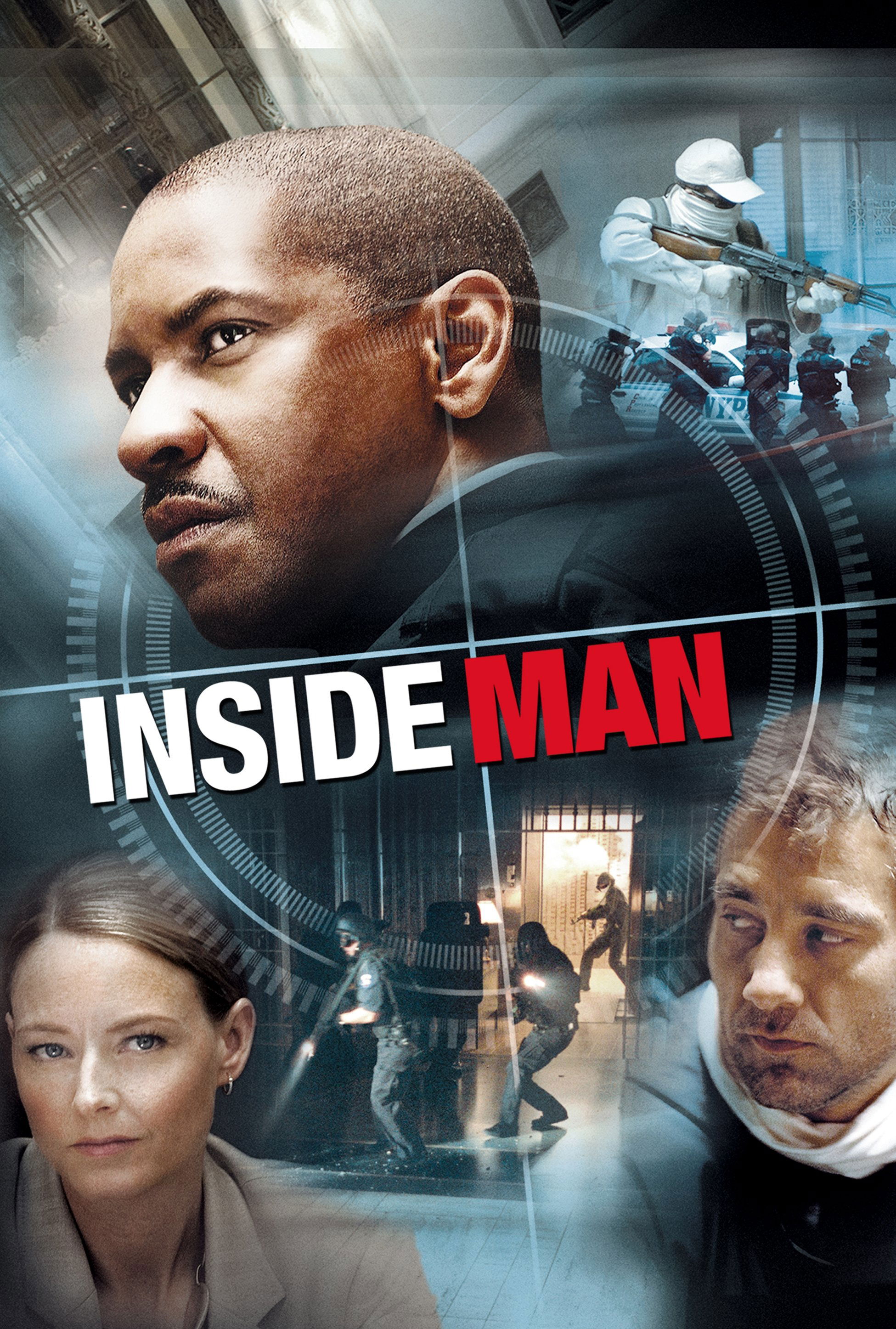
Spike Lee's constant distrust of cops, Feds and the D.A. is called understandable, and they are always three-dimensional characters rather than simple bad guys; Inside Man's police hierarchy is a favorite example. — Bill Simmons
The Cool Hand Luke poster in Norton's apartment is great, big and unusually sized; a search for it came up empty. — Bill Simmons
The title 25th Hour, taken from the book, is a strong idea for a title. — Bill Simmons
The opening credits are great and a little emotional, and the opening scene of deciding whether to save the wounded dog sets up the question of whether somebody can be saved. — Bill Simmons
An internet theory that the wounded dog resembles America after 9/11 is mentioned but called a little too English-literature to fully buy. — Bill Simmons
The Feds busting Monty for the drugs in his couch is highly rewatchable because Isaiah Whitlock, Jr. is essentially Clay Davis from The Wire as a drug agent. — Bill Simmons
The big bathroom speech insults every part of New York before turning on Monty himself.
The hosts report that Disney wanted to cut the bathroom scene and that Spike and Benioff refused, with Spike calling it one of the reasons he wanted to make the movie. — Bill Simmons
Pepper and Hoffman looking over Ground Zero and arguing about Monty is a great scene with two great actors; the Ground Zero imagery is described as jarring and alarming, with touches like "fuck the Times, I read the Post." — Bill Simmons
Other favorites: the bar scene with Rosario Dawson, Pepper and Hoffman where the bartender invites them to her birthday party; Pepper trying to figure out whether Dawson flipped; Monty deciding not to kill his associate and handing him to the Russians. — Bill Simmons
Frank beating up Monty is called some of the best directing of Spike Lee's career: wide shots, silence except park sounds, and alternating slow motion and live action; it is intense rather than fun. — Bill Simmons
The dream sequence narrated by Brian Cox of the life Monty could have had is praised; a counterview would ask to cut that fantasy montage and end on Monty's face in the car, keeping that last shot. — Bill Simmons
Producer Craig's favorite scene in the movie is said to be the montage; the old-age makeup on Rosario Dawson and Edward Norton is praised, and the imagined kids resemble her more than him. — Wesley Morris
Asked for a most rewatchable scene, the answer is the nightclub sequence, counted at 24 minutes from entering the club to leaving, with the sound design best heard on good headphones. — Wesley Morris
The reply agrees: the sound was incredible on better speakers, and from the Patrice O'Neill bouncer moment through leaving the bar is the best part of the movie. — Bill Simmons
Comparisons are drawn to busy Michael Man scenes in Collateral and Miami Vice, and Spike is called a good chaos director, as in Inside Man, though not when chaos is the point, as in Old Boy. — Bill Simmons
The club is read as a purgatory with three levels (heaven, hell, purgatory); the film withholds the pleasure a morally unrestrained, maybe pre-9/11 movie would indulge, including the Hoffman-Pacquin encounter and the women dancing. — Wesley Morris
While the women dance above, Norton and Pepper discuss whether his girlfriend ratted him out, with his associate pushing that suspicion; the trust-your-partner plot is always welcome. — Wesley Morris
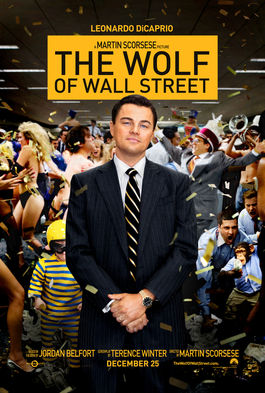
Possibly the hardest one ever done, ranked least to greatest: Bo Dietl as Bo Dietl, with an 'are you fucking high' impression; he was a recurring in-studio character on a New York radio show, New York's top cop turned PI turned conservative pundit praising Rudy, an object of obsession for Scorsese and Spike Lee as a New York institution, like Curtis Sola (as transcribed) commenting on crime; a New York One regular; he is good in it and has a prominent mob-boss role in The Irishman.
Kristen Milioti (as transcribed) as the first wife may be the most likable and only innocent character; Jake Hoffman as Steve Madden is a purposeful cold check, like Mikhail Bridges (as transcribed); Shea Wiggum (as transcribed) as Captain Ted Beecham making a little chop; Joanna Lumley as Aunt Emma, with nobody admitting to being an AbFab guy.
Rob Reiner as Max Belfort is amazing: the Equalizer phone tirade, the weird British accent he affects as soon as he answers, and the seemingly improvised 'sides cure cancer' exchange with Jonah while explaining marriage to his son.
Jon Bernthal as Brad, the Quaalude King of Bayside, has not been discussed enough: the diner performance, asking for the ketchup, 'tell your sister I was asking about her'; visually incongruous with these guys, he is the one animal every crew of normal guys had, the one with the Adderall; a guy still in his hometown asking younger dudes to hang out is a red flag, yet Belfort likes him most as the guy who gets it; a human wrecking ball who is a classically trained, thoughtful actor kept getting cast as violent meatheads after The Walking Dead and The Punisher, and is now a jacked Lee Ayacocca (as transcribed) in Ford versus Fari (as transcribed).
A tangent on Craig Kilbourne (as transcribed): his 'old man Ferrari' Instagram videos, made with his old writing crew, are ten times funnier than expected, awaited like Christmas morning, and he is floated as the new Robert Evans.
Spike Jonze as Dwayne the investment center leader, blotchy skin, bad shirt, uneven mustache; Spike Jonze is only ever great in movies, Three Kings, Moneyball and this; a host's wife found him cute, prompting a re-evaluation.
Jean Dujardin as Jean-Jacques Sorrel is doing a lot; for anyone not alive in 2013, he starred in The Artist, which won best picture and won him best actor during the Benigni run of handing Europeans best actor, compared to the late-nineties NBA draft and Jan Vesely; a host has still not watched or returned the DVD; he is in a different movie and takes one host's overacting award.
Number one is McConaughey with one scene; the only other name to throw in is PJ Byrne as Rugrat, who is in much of the movie but whom one host did not like, preferring Cuthbert and Sea Otter, who sold meat and weed; those guys go in the That Guy award.
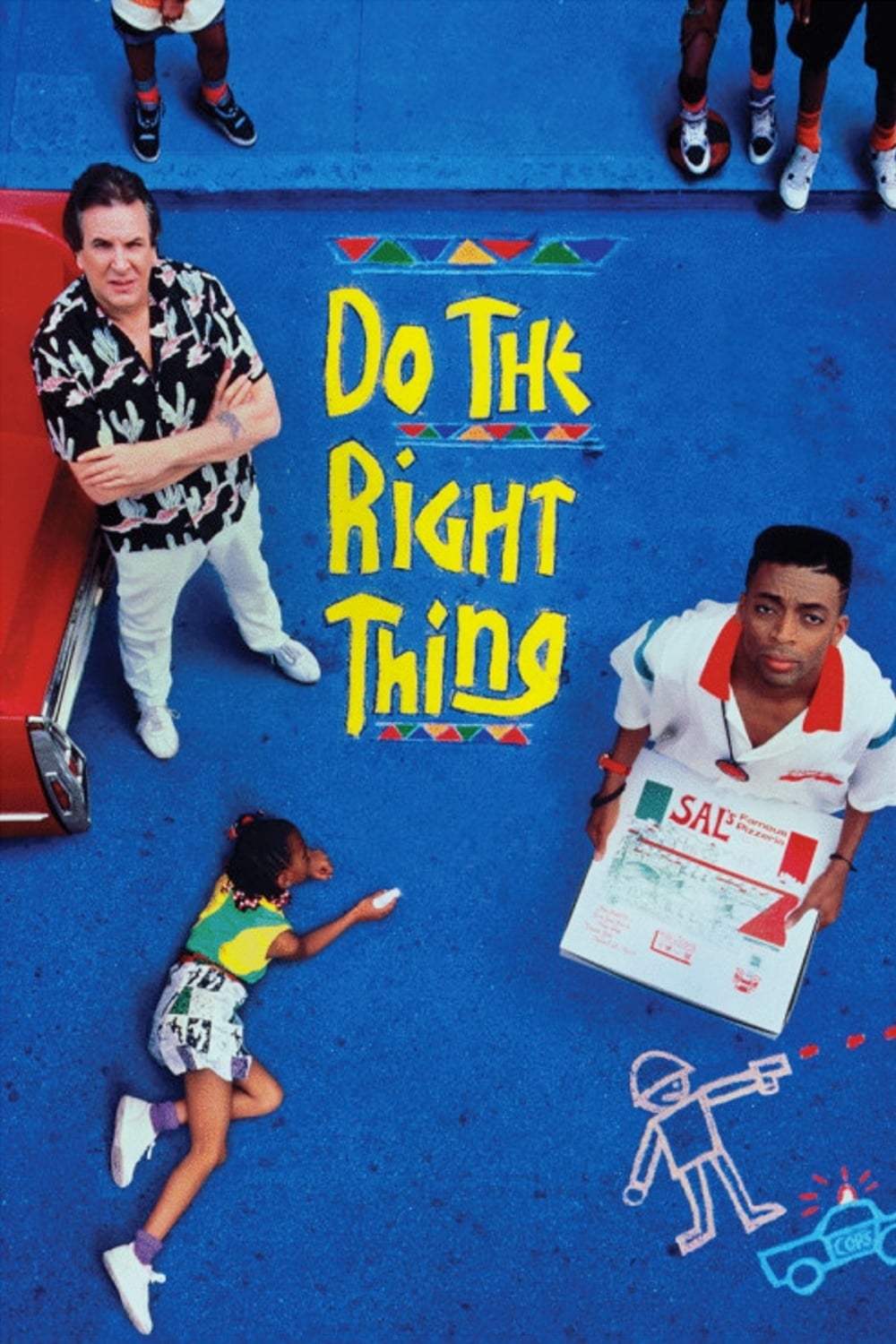
Spike Lee won: the film made his career, is one of the greatest movies the country has produced, and inspired generations to make movies. — Wesley Morris
Clockers is a second-favorite Lee film with his greatest ending, solving Richard Price script problems with moral clarity, as in his Katrina documentary and 4 Little Girls. — Wesley Morris
This is the film Lee should be proudest of: a perfect movie about an imperfect problem America will not solve, which people will still watch in 100 years. — Wesley Morris
This is Lee at the peak of his filmmaking powers, a firm yes, rather than Malcolm X, 25th Hour or Mo' Better Blues. — Sean Fennessey
4 Little Girls is raised; Lee is one of the best nonfiction filmmakers, so the apex claim is limited to his fiction filmmaking. — Wesley Morris
Some of his films, even good ones like BlacKkKlansman, have screenwriting problems; Inside Man is perfection; here the screenplay is perfect. — Wesley Morris
Losing Original Screenplay to Tom Schulman is called the real travesty; the missing Best Picture nomination is not, since it would never have won even in 2019. — Wesley Morris
John Turturro: no; Jungle Fever, Barton Fink, his self-directed films, Transformers, Gloria Bell and Miller's Crossing are cited, with a joke that he gets sexier as he ages. — Wesley Morris
No one else in the cast is at the peak of their powers; it is Lee's apex. — Sean Fennessey
Lee is not a good actor here but does not need to be; he gives a charismatic center, is not dead on screen, and this was essentially the last time he put himself at the center of one of his films. — Wesley Morris
Also listed: Danny Aiello's nominated powerhouse performance, Robin Harris as Sweet Dick Willie, Dickerson's color in the red wall and the rooms, Mr. Softee, and direct address to camera later borrowed by Wes Anderson. — Sean Fennessey
Two things one host believes Tarantino took from the film: the 'shoot me in a dream' line that reappears in Reservoir Dogs, and the Sicilians-and-Moors idea from True Romance echoing Mookie and Pino's talk; Lee has never said this. — Sean Fennessey
Asked what has aged best, the answer is the film's timelessness, perhaps the movie itself. — Wesley Morris
Ossie Davis and Ruby Dee, who per one host never got fuller film careers for racism-related reasons, get a salty love letter here; asked whether they are the vote, the answer is the film instead. — Wesley Morris
Public Enemy is the other pick: the song never gets tiring, has perfect samples, and Chuck D's muscular, off-kilter voice cannot be mimicked, according to a participant who wrote rap criticism for almost 10 years. — Wesley Morris
The harmony with Flavor Flav is praised, while noting the history his image invokes and that he later complicated it as a reality star; the result is called 'your winner. Fight the Power.' — Wesley Morris
Mimi Leder and Janusz Kamiński were attached before Crowe’s interest brought Mann to the project; Spike Lee, Scorsese, and Spielberg were also approached. — Bill Simmons
Crowe would make a different but exciting Vincent, while Sandler would make the movie funnier but might prevent viewers from accepting Max. — Bill Simmons
Cleon; the Warriors' vests; Central Park in seventies movies; Luther; Barry DeVorzen's soundtrack; the gang DJ; the seventies prom couple scene; 'You guys are real good. The best'; the world building; Cyrus
Cleon, the original warlord who is killed after the Rogue in the leopard-print headpiece blames the Warriors, has more scenes in the uncut version; he dies under a pile of elbows from 25 guys, flicks Luther off him with an amazing move, and a Cleon prequel about the rise of the Warriors is wished for; the jackets and shirtless vests also hold up.
A vest with no shirt is never a win unless you are a professional wrestler. — Sean Fennessey
Others disagree about the vest, one joking about wearing a leather vest with sunscreen and phone pockets to the beach before admitting it is not serious; the vest is the part connected to most because of the Orphans scene, where Mercy goads the Orphans into demanding the Warriors remove their colors, which recalls the cuts in Sons of Anarchy that you die before taking off.
Central Park in seventies movies is creepy, empty and dangerous; Luther, the leader of the Rogues, is an over-the-top villain going for it, loved for having no reason for anything he does beyond 'because we can', and one host's son loves how over the top he is.
Whether villains need motivation splits the room: one says explaining a villain is a waste of time, citing the Joker, and two disagree and need a reason; Luther was one of only two actors one host recognized, from Commando, with Remar recognized as Raiden from Mortal Kombat 2.
The actor who plays Luther was purposefully recast by Walter Hill as Luther in 48 Hours, turning on Eddie Murphy's crew, and has been on Twin Peaks and in Spike Lee movies; Walter Hill hit a zone with this film and 48 Hours in how an action movie moves with music.
Barry DeVorzen's weird-guitar soundtrack has aged well, but ending on a big Joe Walsh song creates cognitive dissonance after a black gang beats the Rogues; in the movie's defense there is no hip hop yet in 1979, though Sugarhill Gang existed, and a hard funk record or Across 110th Street would make more sense.
The Orphans scene is too long but the one Orphan asleep who missed the meeting is pitied; the gang DJ is a great device for spreading information in coded language before texting and Twitter.
The seventies prom couple scene is weirdly effective because the film is about guys with no hope fighting all night to get back to the Wonder Wheel, the action-movie version of the end of The Graduate, with the couple looking at Mercy's dirty feet and Swan stopping her from fixing her hair.
'You guys are real good, the best' is a precursor to intentionally hokey, iconic moments like Carl Weathers and Schwarzenegger in Predator; the stilted dialogue is a purposeful comic-book, stentorian, Greek-tragedy theatricality, and nobody talks the way people actually talk. — Sean Fennessey
The world building has aged best for another host: an elaborate gang network with rules and systems that later films such as John Wick's assassin network build on, which is undeniably cool even for a viewer who does not get the Greek-tragedy part.
Cyrus has aged best: a charismatic figure offering hope whose plan makes no sense if you listen carefully, likened to how Trump got elected and to Obama's 2008 'yes we can', and his death four and a half minutes after meeting him is devastating. — Bill Simmons