Gooding reportedly auditioned early and remained the benchmark despite later auditions including Jamie Foxx. His voluntary decision to undress for an audition scene is corrected after a misunderstanding that he was required to. — Bill Simmons
Gooding receiving his Oscar from Mira Sorvino is noted because she reportedly lost Dorothy when her agents requested too much money. — Bill Simmons
Crowe reportedly wrote for Hanks and Winona Ryder; Hanks passed after the long writing process to make That Thing You Do!, and Ryder with Cruise seemed too sibling-like. Woody Harrelson reportedly rejected an offer because audiences would not care about an agent; his hypothetical casting is considered inferior to Cruise. — Bill Simmons
Jennifer Lopez auditioned, but Connie Britton was reportedly the final alternative to Zellweger. Britton's height theory and reportedly disastrous screen test are discussed without settling the reason. — Bill Simmons
Jamie Foxx's Rod audition is revisited as a plausible different version of the role, with Willie Beamen later giving him a sports-film showcase. — Bill Simmons
Janet Jackson reportedly auditioned and accepted Marcee before the deal fell through; Regina King replaced her and the film helped move her toward major Hollywood roles. — Bill Simmons
Diane Lane as Avery is an uncorroborated casting rumor that excites interest; Preston's death is distinguished from Lane, who is alive.
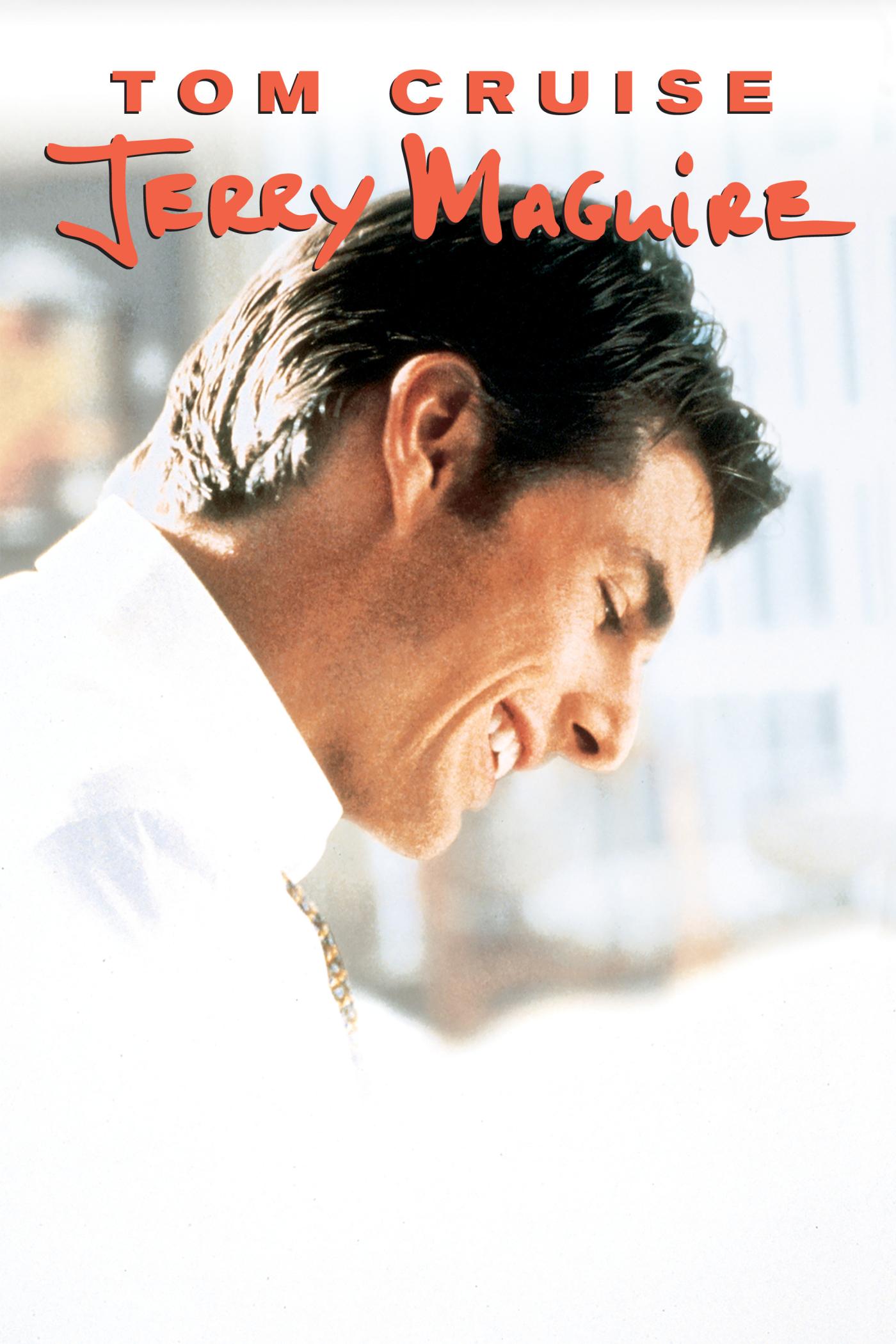
Jerry Maguire is praised as an excellent character name and title; naming films for protagonists prompts debate about laziness versus the weakness of generic alternatives such as The Fixer or Show Me the Money. — Bill Simmons
Gooding receiving his Oscar from Mira Sorvino is noted because she reportedly lost Dorothy when her agents requested too much money. — Bill Simmons
Ray's Go ahead and go farewell became a long-running family joke; the film's small moments showing mother and son wanting a father figure are praised. — Bill Simmons
Jerry's 1993 Suns–Sonics conference-finals shirt is an aged-best choice and desired item unsuccessfully sought online.
Cruise subtly realizing he is being fired when Marcy mentions Sugar calling is an aged-best detail. — Chris Ryan
Starting Jerry's breakdown within six minutes rather than spending a long time showing him as an unpleasant super-agent is praised for creating immediate sympathy while still establishing his commodifying perspective. His voiceover was reportedly recorded during Eyes Wide Shut, sparking uncertainty about late structural changes. — Chris Ryan
A top draft pick controlling his destination and ruthless NFL career-length economics are aged-best choices, with the movie ahead of wider awareness of those issues. Cruise as an intimacy-troubled obsessive also endures.
Smaller receivers later succeeding supports Rod's physique; age 35 as a personal reckoning resonates with an anecdote about being told it was time to decide a career. — Van Lathan
Modern concussion protocols are praised in contrast with the inadequate response to Rod's unconsciousness, including no neck brace and teammates trying to clap him awake.
The quan—family, community, money, respect—is an aged-best concept Crowe reportedly expected to dominate the film's legacy. The lightly used divorced-women's group and The Things We Think and Do Not Say memo title are also praised. — Bill Simmons
Rod's family dialogue and game-watching scenes work well. Roy Firestone's tear-inducing interview persona counts as both aged-best and aged-worst, and his show’s role in the old ESPN schedule is recalled. The soundtrack is praised generally. — Bill Simmons