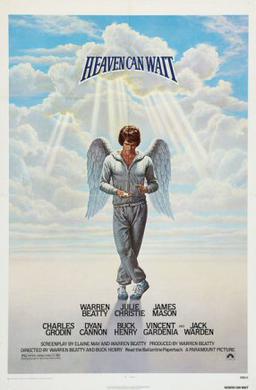
The hosts report four co-director Oscar nomination instances: two Coen films, this film, and West Side Story; the Academy preference against pairs is a reported rule, not verified guidance. — Bill Simmons
Biskind’s book allegedly describes Christie insulting Beatty’s commercial choices while smiling in a wide-shot conversation. Speakers defend the quality of the preceding films and this one; ensuing nationality/history jokes are banter, not credited film facts. — Bill Simmons
Retired Grant reportedly declined a million dollars for Mr. Jordan, offered by Beatty with Cannon enlisted to persuade him. Mason in The Verdict and as Captain Nemo is praised, with evil Mason preferred. Keaton was allegedly the first female-lead choice; Henry reports actress testing and a preference for Christie, but the pronoun does not securely identify whose preference this was. — Van Lathan
The repetition of a small group of stars in casting anecdotes is discussed; Beatty is retrospectively ranked first with Newman/Redford2a/2b for financing clout. Eastwood’s reliability and narrow fit are debated; Jack Horner is a hypothetical role for him.
Arthur Penn, Mike Nichols and Bogdanovich were considered before Beatty took directing duties. Henry reportedly handled other actors in scenes with Beatty, leading to a question about the division of work.
Henry’s biography remarks are described as bitter; a Neil Diamond Heaven Can Wait song was allegedly composed then rejected. — Bill Simmons
The rich-quarterback remark now sounds ordinary. Beatty’s repeated plain character names are mocked and defended as fitting his everyman roles.
Jarrett’s60percent completion and18touchdowns initially seem unimpressive, but a live statistical lookup mistakenly reads interceptions before correcting that18TDs ranked highly. Violent play and weak protection remain concerns; the modern Garoppolo analogy is hypothetical.
The planned displacement of1760 Paglim residents for a refinery raises an objection about taking homes; eminent-domain applicability in England is uncertain. — Bill Simmons
A demand for more displacement context meets references to urban renewal and history. Betty leaving her teaching job during the school year is questioned and defended because the school itself is threatened; her lack of partner/kids is discussed with jokes. — Bill Simmons
The instrument is inconsistently called clarinet/saxophone, and its unexplained appearance at Jarrett’s locker is challenged; a possible heavenly delivery is speculative.
The final catch/fumble looks like an incomplete pass to two speakers. Craig’s prompted response instead finds the sixty-yard overtime quarterback score under-celebrated, and the lack of announcer excitement is criticized.
An explicit CR flex invitation introduces the need for a Grodin/Cannon scene, contrasting her appeal with his full-pajama never-nude presentation. — Chris Ryan
The film’s PG restraint and chaste central kiss are noted; a PG13 assumption is corrected as anachronistic. The film is said to cry out for a sex scene, with jokes about Beatty’s restraint. — Chris Ryan
The first fifteen minutes are loved, narrowed to Max’s birthday visit that quickly establishes their friendship; another speaker favors the first eight minutes through the bike ride. The initially silent title sequence is praised for treating the player seriously.
Beatty’s throwing mechanics, touch passes, cadence and football terminology are praised. A prompted Craig reply prefers his physicality to Reynolds, with Mayfield comparison; other voices distinguish running versus system-quarterback styles. Mark Harmon is floated hypothetically, with uncertain chronology.
The Super Bowl was reportedly shot within fourteen halftime minutes at a Rams/Chargers preseason game; play calling looks authentic. F1 and Days of Thunder are comparisons for filming around live sport, followed by an uncertain Reacher sighting anecdote.
The tunnel accident works; dark events such as attempted murder and pollution are handled lightly, with a repeated plate gag allowing the audience to move on.
The body-candidate montage is liked, with wishes for several more alternatives. A Hollywood waiter and porn performer are joking imagined additions; the artificial rules are enjoyed.
Farnsworth’s return and the mouse panic, then Joe and Betty’s limo attraction and lingering looks, are candidates. — Bill Simmons
Joe telling Max the secret is called the movie’s single best part; private details and the neck adjustment finally persuade him. The reunion is appreciated. The actor-history comment at the start of351 instead continues the preceding Beatty/Christie romantic scene.
The servant football montage could run eight more minutes; Grodin crashing into a bush, attempted catches and Warden tossing the ball are enjoyed, with Warden’s football experience guessed. — Van Lathan
The montage’s spacious backyard and Farnsworth’s first Rams practice are praised; the supposed LA house being in Northern California is a small disappointment. Grodin’s instruction to ignore offensive remarks is admired as comedy. — Bill Simmons
Joe’s goodbye to Betty, shooting and Super Bowl are candidates. The ending hurts because Max regains then permanently loses his friend; a speaker does not cry here despite crying at films generally. A biography analogy to Beatty moving on from friendships remains a report.
One final scene choice is the last ten minutes, especially Christie’s bittersweet meeting and the reassuring darkness moment. — Van Lathan
Another final choice is convincing Max, with honorable praise for the boardroom’s compassion and the penny-to-save-a-thinking-fish idea. Beatty’s comic timing and the May/Henry writing support are praised. — Bill Simmons
The remaining final choice is training montage and football practice, especially Grodin watching him get sacked. — Van Lathan
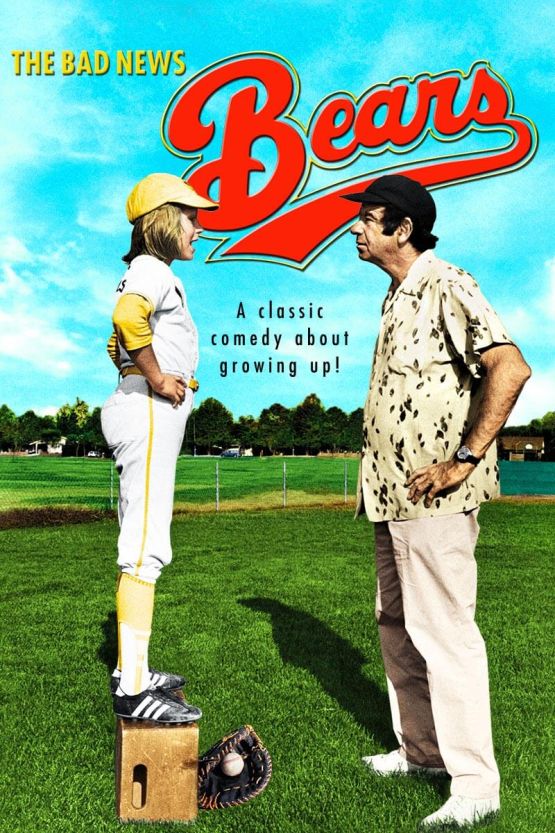
Warren Beatty and Steve McQueen reportedly declined Buttermaker before Matthau; their glamour and coolness are considered wrong for the role, though a down-on-his-luck Beatty might work. — Bill Simmons
Casting what-if and aged worst: Warren Beatty reportedly wanted the missing daughter changed to a girlfriend, which the panel rejects as wrong for this story. His delayed Howard Hughes project is also discussed.
Casting what-if: The studio reportedly rejected Diana Scarwid; discussion then turns to casting Ilah Davis. The panel criticizes the rushed final father-daughter scene and argues Davis was not equipped for the rewritten demands.
Recasting couch: Melanie Griffith could handle Kristen's later scene, but would seem less innocent initially. Marilyn Chambers reportedly considered for Nikki; the panel still praises Hubley. — Sean Fennessey
Aged worst: irresponsible chaperones and Jake's unusually calm response to the disappearance.
Aged worst: Ilah Davis's casting and an uncomfortable father-daughter dynamic; sexual-abuse interpretations remain explicitly speculative rather than established story facts.
Aged worst: the imagined unpleasant work of taking adult personal advertisements, although the sequence is intentionally comic. — Chris Ryan
Casting what-if and aged worst: Warren Beatty reportedly wanted the missing daughter changed to a girlfriend, which the panel rejects as wrong for this story. His delayed Howard Hughes project is also discussed.
Julia Roberts reportedly declined Diana; her apparent youth and repeating a paid-sex premise after Pretty Woman draw objections, although the character’s age is estimated at twenty-six. — Bill Simmons
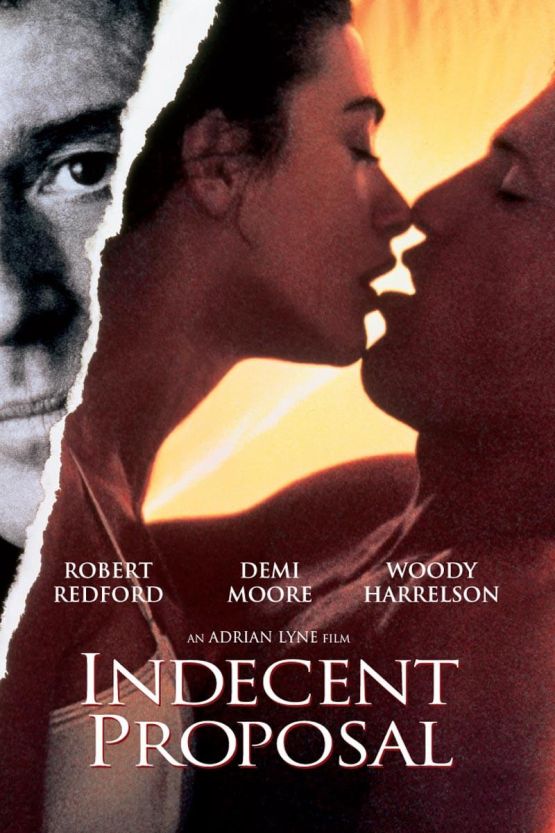
Harrelson reportedly left Benny and Joon and faced a lawsuit; Johnny Depp had been approached for this film before taking that role, while White Men Can’t Jump persuaded Lyne to cast Harrelson. — Mallory Rubin
Harrelson is defended as inspired casting because David needs less overwhelming attractiveness than Cruise despite the marriage’s continuing sexual chemistry. — Mallory Rubin
Church's Jack is an aged-best portrait of a recognizably indiscriminate womanizer, compared with a reported Warren Beatty because-you-never-know anecdote; the conduct is also flagged for aged-worst discussion. — Bill Simmons
Jack suggesting a wine-store career to Miles is funny because the nearby clerk already works there; the film's dated genital euphemisms are also enjoyed. — Bill Simmons
Sex is presented as primal and unglamorous rather than erotic, both with Stephanie and with Cammy's husband. — Bill Simmons
The two printer boxes and underestimating Stephanie are comic details. — Bill Simmons
The fragmented opening credits chart Miles’s delayed departure. — Bill Simmons
Stealing money beside family photographs is an admired dark detail, despite reservations about the mother’s-house scene. — Bill Simmons
The family photograph reportedly shows Giamatti’s real father, Bart, the baseball commissioner. — Bill Simmons
Jack’s wide-open-place enthusiasm is another comic aged-best detail. — Bill Simmons
Walking the highway to dinner is a recognizable local detail. — Chris Ryan
Miles devouring farmers-market popcorn is funny but briefly makes Maya’s attraction harder to understand. — Chris Ryan
Wine culture and the Santa Ynez region are aged-best choices, including its accessibility from Los Angeles. — Sean Fennessey
The exact time of Blake’s visit is unclear, and late-night cold calling by disheveled salesmen seems especially unwelcome. — Chris Ryan
Blake may be a top regional or national salesman enlisted to intimidate and motivate the staff before new leads arrive; the job feels like a dramatic invention more than a real practice. — Sean Fennessey
Moss’s offended rage may be a performance allowing him to leave for Wisconsin after the crime; the interrogations expose fragile male pride. — Sean Fennessey
Roma’s question about the morning Nyborg sale might reveal suspicion that Levene lacks an alibi, but whether he knows or cares remains uncertain. — Chris Ryan
The quality of the supposedly prized Glengarry leads is uncertain: the stack implies many ready buyers, but the promise may simply keep workers obedient. — Sean Fennessey
Moss’s movie outing on the robbery night inspires an August 1991 top-five prompt, naming Hot Shots!, Terminator 2: Judgment Day, Doc Hollywood and Double Impact; Double Impact is considered funniest. — Chris Ryan
The Last Boy Scout, Cape Fear and JFK are additional possible films for Moss’s night out; Doc Hollywood is also imagined as an unexpectedly liked choice. No fifth title completes the earlier stated top-five list. — Chris Ryan
Dustin Hoffman is the first Jerry Graff casting choice, based on his Mamet work and ability to play a slick contemporary competitor. — Chris Ryan
A more star-heavy version uses Warren Beatty as Graff, Hoffman as both Mitch and Murray, and Sidney Pollack as Lemkin; Schwarzenegger is a joking Lemkin escalation. — Chris Ryan