
Stats
- Episodes featuring their films
- 10
- Movies in this archive
- 10
Rewatchables episodes featuring Rob Reiner’s films
Sleepless in Seattle
1993 film
Bill Simmons · Juliet Litman · Amanda Dobbins
Aired February 14, 2023
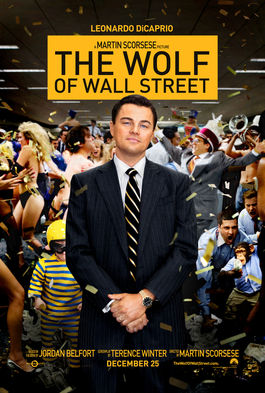
The Wolf of Wall Street
2013 film
Sean Fennessey · Chris Ryan · Ryen Russillo
Aired December 3, 2019
Mentioned in discussions

In the discussion (8)
- Possibly the hardest one ever done, ranked least to greatest: Bo Dietl as Bo Dietl, with an 'are you fucking high' impression; he was a recurring in-studio character on a New York radio show, New York's top cop turned PI turned conservative pundit praising Rudy, an object of obsession for Scorsese and Spike Lee as a New York institution, like Curtis Sola (as transcribed) commenting on crime; a New York One regular; he is good in it and has a prominent mob-boss role in The Irishman.
- Kristen Milioti (as transcribed) as the first wife may be the most likable and only innocent character; Jake Hoffman as Steve Madden is a purposeful cold check, like Mikhail Bridges (as transcribed); Shea Wiggum (as transcribed) as Captain Ted Beecham making a little chop; Joanna Lumley as Aunt Emma, with nobody admitting to being an AbFab guy.
- Rob Reiner as Max Belfort is amazing: the Equalizer phone tirade, the weird British accent he affects as soon as he answers, and the seemingly improvised 'sides cure cancer' exchange with Jonah while explaining marriage to his son.
- Jon Bernthal as Brad, the Quaalude King of Bayside, has not been discussed enough: the diner performance, asking for the ketchup, 'tell your sister I was asking about her'; visually incongruous with these guys, he is the one animal every crew of normal guys had, the one with the Adderall; a guy still in his hometown asking younger dudes to hang out is a red flag, yet Belfort likes him most as the guy who gets it; a human wrecking ball who is a classically trained, thoughtful actor kept getting cast as violent meatheads after The Walking Dead and The Punisher, and is now a jacked Lee Ayacocca (as transcribed) in Ford versus Fari (as transcribed).
- A tangent on Craig Kilbourne (as transcribed): his 'old man Ferrari' Instagram videos, made with his old writing crew, are ten times funnier than expected, awaited like Christmas morning, and he is floated as the new Robert Evans.
- Spike Jonze as Dwayne the investment center leader, blotchy skin, bad shirt, uneven mustache; Spike Jonze is only ever great in movies, Three Kings, Moneyball and this; a host's wife found him cute, prompting a re-evaluation.
- Jean Dujardin as Jean-Jacques Sorrel is doing a lot; for anyone not alive in 2013, he starred in The Artist, which won best picture and won him best actor during the Benigni run of handing Europeans best actor, compared to the late-nineties NBA draft and Jan Vesely; a host has still not watched or returned the DVD; he is in a different movie and takes one host's overacting award.
- Number one is McConaughey with one scene; the only other name to throw in is PJ Byrne as Rugrat, who is in much of the movie but whom one host did not like, preferring Cuthbert and Sea Otter, who sold meat and weed; those guys go in the That Guy award.

What’s Aged the Best?
The theme of wealth as an incurable pox; the narrated asides; the idea that not having wealth is also unacceptable; the soundtrack (disputed); the unreliable narration and fourth-wall breaking; Margot Robbie
In the discussion (10)
- The serious opener: the theme of wealth as an incurable pox that destroys life from the inside out, or at least that being motivated only by money is aging well.
- The asides age best: the man who married the girl they had all had their way with and then killed himself; Brad's heart attack at 35, just like Mozart; the financial explanations Jordan yada-yadas because you don't give a shit, which recalls the way Trump talks, with a bragging flourish at the end telling you that you are too stupid to need to know, an attitude that has clearly resonated.
- Related is the idea that not having wealth is also unacceptable, seen when Kyle Chandler sits on the subway at the end after getting his man; Scorsese and DiCaprio are wealthy and know life is easier with money, so the theme is how you get it and whether you are happy with what you chose, more nuanced than these guys suck.
- The film feeds the appetite for lots of characters and actors; Favreau is good at these side roles; the investigation took ten years and Belfort could have just paid a fine and stepped down from Stratton Oakmont, the Favreau and Reiner scene where he tells them what they want to hear while clearly not caring, and when a rich man goes to prison he does not really go to prison.
- The last scenes with Robbie's character are played starker to show how evil he is, he beats up his wife, and he still gets white-collar jail, tennis and speaking fees; there is an amazing dissonance between Belfort being all about this movie, even cropping up in the cameo, and the conclusion portraying him as an awful violent person.
- What is real is debated since he has denied things; Belfort and the ex-wife both live in Manhattan Beach, where a host jogged past his house; the fines he was supposed to pay are debatable; the ending may be a way to remind you this guy did awful shit, whereas the international flight where he wakes up seatbelted is played as a carnival montage; the end is the crash, with a stock metaphor about risk, bad decisions and hurting people, precise while feeling loose.
- The soundtrack is written down as aging best but the dissenter, named on air, holds that it never aged for him; the unreliable narrator and talking-to-camera device, usually considered a crutch, is essential here to be inside his brain, like Rounders without Matt Damon; The Office comparison is floated and doubted; the Lamborghini and the head-on-the-Expressway sell of the rule-breaking early is impressive writing.
- 'Did you guys see that?' after the plane crash brings the audience in and questions his perception without making a show of it, and the film moves on immediately.
- Margot Robbie's discovery and where she now sits in the Hollywood firmament; the 'we're not going to be friends' line puts her in control of the courtship; she handles emotional desperation and goes toe to toe, 'who are you, a fucking owl'; the Venice fight with the water thrown in his face while he shimmies about his body is forgotten for the scene category, and the 'stop flexing your muscles' clip is played.
- The tryout story: an unknown reading with DiCaprio, told to kiss him after the screaming, she slapped him and screamed fuck you instead, and Scorsese's reaction was that's the one; she wanted to take a risk, though the story may not be true.


Casting What-Ifs
Tom Hanks, Kevin Costner, and Tom Cruise were considered for Andy; Brad Pitt for Tommy; James Gandolfini for Boggs; Johnny Depp and Nicolas Cage were rumored; and Rob Reiner proposed Cruise and Harrison Ford.
This discussion recalls a choice from an earlier episode.
In the discussion (12)
- Tom Hanks was offered Andy but could not accept because of Forrest Gump; the panel prefers Tim Robbins because the role became inseparable from him.
- Kevin Costner was offered Andy and is considered a credible alternate, although the panel thinks Robbins better preserves doubt about Andy.
- Tom Cruise attended table readings but declined over the director's inexperience; the panel thinks his intensity would distort Andy.
- Brad Pitt was intended for Tommy before Thelma & Louise created other opportunities; the panel thinks his presence would make Tommy disproportionately prominent.
- James Gandolfini was intended for Boggs but chose True Romance instead. — Chris Ryan
- Johnny Depp and Nicholas Cage are discussed as rumored Andy possibilities whose dreaminess or intensity could have fit parts of the role. — Chris Ryan
- Rob Reiner offered Frank Darabont three million dollars and another financed project for the right to direct with Cruise as Andy and Harrison Ford as Red.
- Jon Favreau auditioned for the fresh-fish prisoner and later called it his worst audition.
- Bob Gunton's height helped him plausibly share clothes with the taller Tim Robbins for the escape plot.
- Tom Cruise is suggested instead for Tommy Williams.
- The hosts imagine Cruise preparing for the pipe crawl by practicing with Navy SEALs.
- Favreau is reported to have used the failed audition as motivation to lose weight before Swingers.


Apex Mountain
Rob Reiner: qualified yes
In the discussion (4)
- Billy Crystal is rejected because City Slickers and his Oscar-hosting run take him higher. — Bill Simmons
- Meg Ryan is rejected because later signature movies and an uneven filmography complicate the case. — Bill Simmons
- Rob Reiner is proposed and partly accepted, though Misery and Castle Rock/Seinfeld success make a later peak plausible. — Bill Simmons
- New York as a pop-culture setting is proposed and rejected in favor of the 1970s. — Bill Simmons
Casting What-Ifs
Albert Brooks declined Harry; Susan Dey, Elizabeth Perkins, Elizabeth McGovern, and Molly Ringwald were considered for Sally, with the panel strongly preferring the released pair.
In the discussion (5)
- Albert Brooks reportedly declined because the project felt too similar to Woody Allen and Broadcast News territory. — Bill Simmons
- Susan Dey is reported as Rob Reiner’s first Sally choice. — Bill Simmons
- Elizabeth Perkins and Elizabeth McGovern were reportedly considered. — Bill Simmons
- Molly Ringwald reportedly had a scheduling conflict; the panel rejects her as a poor match with Crystal. — Bill Simmons
- Meg Ryan gave up Shelby in Steel Magnolias to play Sally, opening that role for Julia Roberts. — Bill Simmons
In the discussion (1)
- The transcript reports Ebert’s positive assessment and his focus on the two leads’ chemistry. — Bill Simmons

Who Won the Movie?
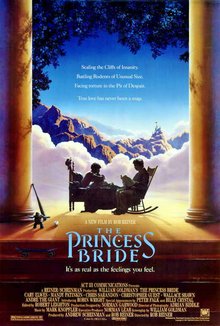
Andre the Giant and Wallace Shawn
In the discussion (3)
- Andre the Giant is one winner because the documentary release makes this his week and his presence bridges the film and wrestling. — David Shoemaker
- William Goldman and Rob Reiner receive supporting cases for the idea and execution. — David Shoemaker
- The other final choice is the performer rendered “Sean,” praised for bringing outsized personality and impeccable delivery to a plot-heavy movie. — David Shoemaker
Podcast choices
- David Shoemaker
- Andre the Giant
In the discussion (13)
- Rob Reiner directed the film from William Goldman’s 1973 novel, and the grandfather framing preserves the book’s asides and genre commentary. — Juliet Litman
- 20th Century Fox paid Goldman $500,000 for the rights in 1973 but did not make the movie; Goldman later bought the rights back. — Juliet Litman
- Norman Lear produced the film and is credited with signing off after Rob Reiner selected the lead actor. — Juliet Litman
- Reiner wanted Carrie Elways after Lady Jane, while Robin Wright’s late audition is described through the story of her appearing backlit at Goldman’s door. — Juliet Litman
- Andre the Giant was the first choice, but an apparent Tokyo wrestling commitment initially made him unavailable. — Juliet Litman
- Andre’s back surgery required the production to rig Robin Wright, use a masked double for impact, and put Carrie Always on a box for close shots. — David Shoemaker
- Kareem Abdul-Jibar, Lou Forigno, a Scottish strongman, and the actor known from Twin Peaks were considered while Andre was unavailable. — Juliet Litman
- Robin Wright’s post-film career discussion highlights Forrest Gump, House of Cards, She’s So Lovely, the film rendered “white old Leander,” and Wonder Woman. — Juliet Litman
- The actor rendered Carrie Always is described as an ideal fairy-tale lead whose later career moved through spoofs and villain roles. — David Shoemaker
- The Crush and Clueless discussion traces Alicia Silverstone’s career around the Aerosmith-video period. — Juliet Litman
- The production contacted the WWF because Andre’s wrestling bookings controlled his availability. — David Shoemaker
- Andre’s availability is compared with the Michael J. Fox and Back to the Future scheduling story. — David Shoemaker
- William Goldman was a wrestling fan who reportedly wrote the novel with Andre in mind and asked casting to find someone like him. — David Shoemaker

Half-Assed Internet Research
The Public Garden bench is now a Robin Williams memorial; a gay sex scene was written into the script to test whether anyone read it; Williams insisted on the L Street bar and ad-libbed the wife story and 'Son of a bitch, he stole my line'; Sean was based on Damon's mother and Affleck's father; Gus Van Sant painted the painting in Sean's office; Skylar was based on Damon's Harvard ex; Damon and Minnie Driver dated through the shoot and the Oscars; Terrence Malick suggested the ending
In the discussion (8)
- The Boston Public Garden park bench where 3,000 people watched the scene is now a memorial to Robin Williams, after people put flowers there when he died; one host lived for ten years a six-minute walk from Bunker Hill Community College, where Sean taught.
- For a while the screenplay contained a gay sex scene between Will and Sean in his office, written to see if anybody was actually reading the script during the year Castle Rock would not buy it and they feared it had become poison; nobody noticed until Harvey Weinstein, who told them to get rid of it.
- Robin Williams insisted on the L Street bar after being mobbed scouting it and loving the energy, though his scene was not filmed there; he ad-libbed the story about his wife farting, which is why Matt Damon laughed so hard, and son of a bitch, he stole my line, which was supposed to be him reading the note and nodding; Williams was a genius with a complicated reputation because of bad movies.
- Robin Williams's character was based on a mix of Damon's mom and Affleck's dad; Gus Van Sant painted the painting in Sean's office; Skyler is based on Damon's ex-girlfriend from Harvard; Damon and Minnie Driver dated from halfway through the movie through the Oscars and had a bad breakup two months later, he apparently dumping her; the hosts decline to discuss the two adjudicating each other on Twitter.
- One host's wife called Minnie Driver bad, the reason the movie has not aged as well, and did not believe the relationship; the hosts disagree and think she is really good, though she rightfully did not become the huge star people expected; another host's wife came in for the middle and said the two have no chemistry even after hearing they dated a year in real life.
- The hosts feel they are in love at that table; on a very small sample size women may see no chemistry where men do; the knick-knack store googly glasses moment, the Magic 8 ball scene with her NBA jokes, the organic chemistry scene and the piano speech all argue they are in love or amazing performers; she has not been in many movies, unlike a Gwyneth Paltrow with a 20-year history that would color it; one host claims she won the Oscar for this (she was in fact nominated), as evidence people felt that way at the time.
- One more research bit: in the original script Will and Skylar leave town together; through a friend of the Affleck family Ben and Matt met Terrence Malick, who had read it and said Will should chase her, she is gone and he has to go find her, so Malick is the reason for the ending, one of many lucky notes and ad-libs that pushed the movie up levels.
- Why did Rob Reiner, William Goldman and Terrence Malick want to help two unfamous guys when people struggle in Hollywood for 25 years, and this is the only movie Harvey Weinstein did not chop up as he saw fit; they had some success already, unlike Jon Favreau and Vince Vaughn, though Vaughn was in Rudy as Jamie O'Hara; the only guess is that people sensed they were headed somewhere and wanted to be thanked.

In the discussion (3)
- Nominees are Josh Malina, Cuba Gooding Jr., Noah Wiley and Joe Mooney (as transcribed), and the presenter's own choice is Christopher Guest as the internist.
- Guest plays it straight, explaining acidosis for five minutes when you expect a Christopher Guest bit, which is baffling; the guess is that someone called in sick and Reiner asked his best friend to come in for one day.
- Later roles add baggage: you expect Cuba Gooding Jr. to turn into Rod Didwell (as transcribed) and Noah Wiley into a sensitive young ER doctor, while James Marshall from Gladiator and Twin Peaks is not even a 'that guy' anymore to anyone under 30.
Half-Assed Internet Research
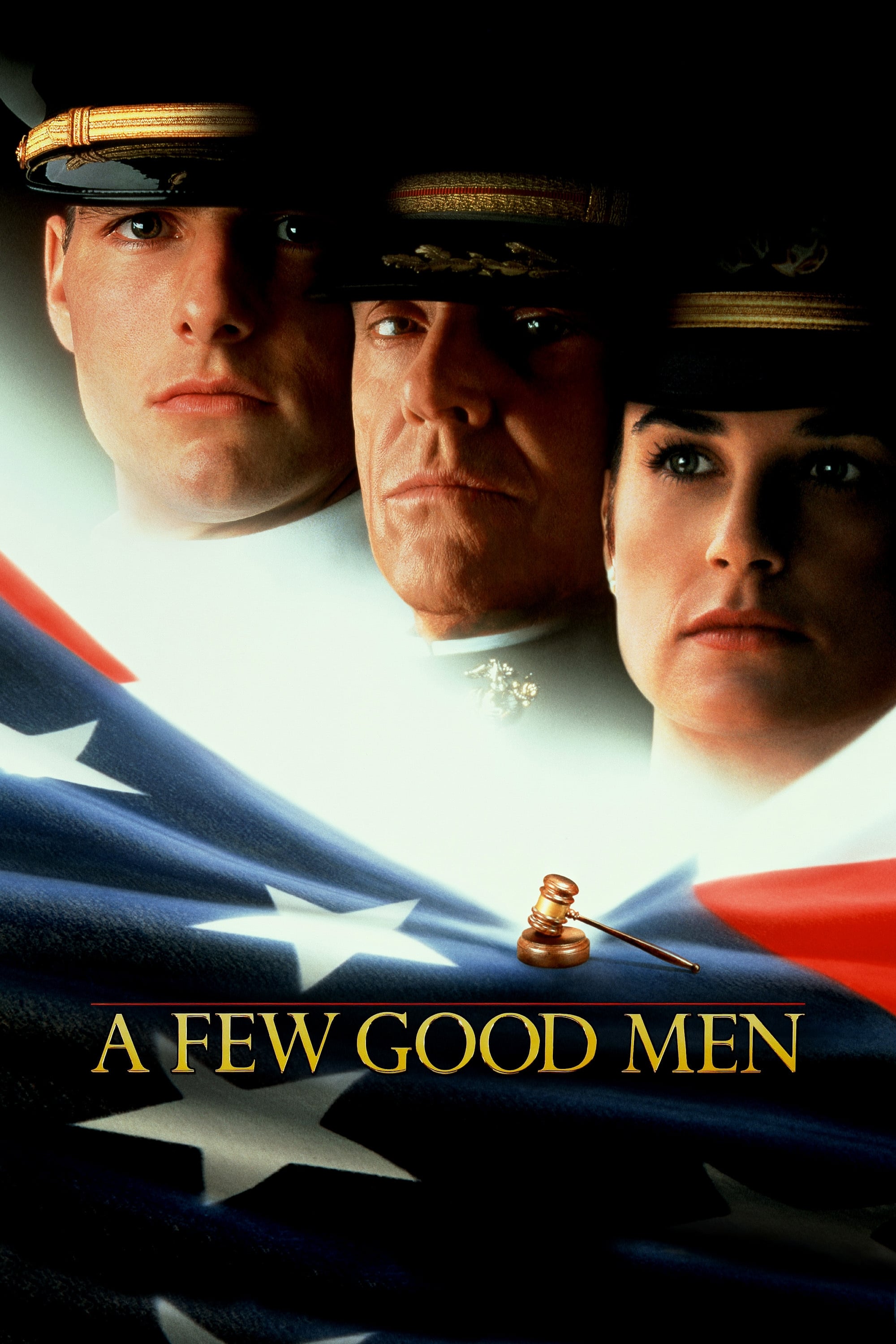
Kiefer Sutherland clipped Marines while driving a Jeep; Ebert gave it two and a half stars; Nicholson did 40 to 50 takes of the code red scene; it cost $30 million and made $230 million; Jason Alexander was meant to play Sam Weinberg; Sorkin wrote it on bar napkins and bought an early Macintosh with his roommates; Dawson's actor was Reiner's assistant; Sorkin cameos as a lawyer at the bar
In the discussion (7)
- Kiefer Sutherland drove the military Jeep so badly that he clipped a couple of Marines and scenes had to be redone, though he drives in only one scene, perhaps rewritten so Noah Wiley drove.
- Ebert's two-and-a-half-star review, which said the film telegraphed the ending, is noted and rejected.
- Nicholson did 40 to 50 takes of the 'you can't handle the truth' code red scene and kept performing during everyone else's coverage, telling the crew he loves to act, which becomes a joke about loving to podcast.
- Unlike productions full of casting stories and disasters, nothing went wrong here: it cost 30 million, made 230 million, Nicholson cost a lot, everyone calls it their best experience, and Reiner's directing is joked down to pointing the camera at the movie stars.
- Jason Alexander was supposed to play Sam Weinberg until season 2 of Seinfeld was picked up; Plan B was Kevin Pollard (as transcribed).
- Sorkin wrote it on bar napkins at a bar off Broadway, he and his roommates chipped in to buy an early Macintosh to write the script, and Dawson was Reiner's assistant.
- Sorkin was a bartender and appears in the film as the lawyer at the bar; the hosts like writers and directors showing up in their own movies, citing Oliver Stone as a football announcer and Scorsese playing the creepiest guy, though Sorkin has ten seconds too much dialogue, out of focus but clearly audible.
What’s Aged the Best?
Cruise's 'why the two orders' brainstorm; the mess hall cross-examination; Harold and Caffey at the end
In the discussion (9)
- Nominees: the ending, the 'galactically stupid' tirade when a drunk Cruise loses it on Demi Moore, the mess hall cross-examination that Bacon later praises as a great redirect, Cruise's Nicholson impersonation, Harold's 'ten hut' with Cruise, the 'why the two orders' brainstorm in the Jessup cross, and Jack Ross's face at Jessup's code red admission.
- Like a decanted wine, the subtler moments should age best, which rules out Cruise doing Nicholson, since people their age have spent their lives watching others imitate Nicholson.
- 'Why the two orders' always gets one panelist, and another answers 'me too'.
- Picks the mess hall cross-examination: rewatched it last night, it is subtle and lands every time, and the way Cruise grabs the notebook back from Kevin Bacon is peak Cruise swagger. — Amanda Dobbins
- The scene has an early Noah Wiley (as transcribed), later important on ER, and shows the cleverness of the script solving problems without being showy or straining plausibility.
- Another pick is Harold and Cruise's character finding common ground at the end, which still gives chills on the 557th viewing: 'Harold, you don't have to have a badge to have honor' and the 'Ten Hut'; Harold is never seen again.
- The actor playing Harold appeared in a couple of nineties action movies and is believed to have been Rob Reiner's assistant before being thrown into the film.
- The ending leaves the film dying for a coda: it is unclear how much trouble Jessup is in, unlike the court-martial that follows the submarine battle in Crimson Tide, and the two Marines are still dishonorably discharged.
- A small flaw: after the code red admission Bacon's character later says he has to go arrest Kendrick, prompting the question of why he waited a week.
Films in the archive
A Few Good Men
1992



Misery
1990
Sleepless in Seattle
1993
Stand by Me
1986

The American President
1995
The Princess Bride
1987

The Sure Thing
1985

The Wolf of Wall Street
2013
This Is Spinal Tap
1984
When Harry Met Sally...
1989