

What’s Aged the Best?
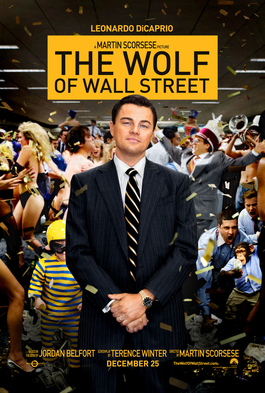
The theme of wealth as an incurable pox; the narrated asides; the idea that not having wealth is also unacceptable; the soundtrack (disputed); the unreliable narration and fourth-wall breaking; Margot Robbie
In the discussion (10)
Approx. transcript time · 00:57:10Read transcript
- The serious opener: the theme of wealth as an incurable pox that destroys life from the inside out, or at least that being motivated only by money is aging well.
- The asides age best: the man who married the girl they had all had their way with and then killed himself; Brad's heart attack at 35, just like Mozart; the financial explanations Jordan yada-yadas because you don't give a shit, which recalls the way Trump talks, with a bragging flourish at the end telling you that you are too stupid to need to know, an attitude that has clearly resonated.
- Related is the idea that not having wealth is also unacceptable, seen when Kyle Chandler sits on the subway at the end after getting his man; Scorsese and DiCaprio are wealthy and know life is easier with money, so the theme is how you get it and whether you are happy with what you chose, more nuanced than these guys suck.
- The film feeds the appetite for lots of characters and actors; Favreau is good at these side roles; the investigation took ten years and Belfort could have just paid a fine and stepped down from Stratton Oakmont, the Favreau and Reiner scene where he tells them what they want to hear while clearly not caring, and when a rich man goes to prison he does not really go to prison.
- The last scenes with Robbie's character are played starker to show how evil he is, he beats up his wife, and he still gets white-collar jail, tennis and speaking fees; there is an amazing dissonance between Belfort being all about this movie, even cropping up in the cameo, and the conclusion portraying him as an awful violent person.
- What is real is debated since he has denied things; Belfort and the ex-wife both live in Manhattan Beach, where a host jogged past his house; the fines he was supposed to pay are debatable; the ending may be a way to remind you this guy did awful shit, whereas the international flight where he wakes up seatbelted is played as a carnival montage; the end is the crash, with a stock metaphor about risk, bad decisions and hurting people, precise while feeling loose.
- The soundtrack is written down as aging best but the dissenter, named on air, holds that it never aged for him; the unreliable narrator and talking-to-camera device, usually considered a crutch, is essential here to be inside his brain, like Rounders without Matt Damon; The Office comparison is floated and doubted; the Lamborghini and the head-on-the-Expressway sell of the rule-breaking early is impressive writing.
- 'Did you guys see that?' after the plane crash brings the audience in and questions his perception without making a show of it, and the film moves on immediately.
- Margot Robbie's discovery and where she now sits in the Hollywood firmament; the 'we're not going to be friends' line puts her in control of the courtship; she handles emotional desperation and goes toe to toe, 'who are you, a fucking owl'; the Venice fight with the water thrown in his face while he shimmies about his body is forgotten for the scene category, and the 'stop flexing your muscles' clip is played.
- The tryout story: an unknown reading with DiCaprio, told to kiss him after the screaming, she slapped him and screamed fuck you instead, and Scorsese's reaction was that's the one; she wanted to take a risk, though the story may not be true.